

Rhytidoponera aciculata
- Scientific Name
- Rhytidoponera aciculata
- Tribe
- Ectatommini
- Subfamily
- Ectatomminae
- Author
- Smith, 1858
- Distribution
- Found in 1 countries
Rhytidoponera aciculata Overview
Rhytidoponera aciculata is an ant species of the genus Rhytidoponera. It is primarily documented in 1 countries , including Australia. Detailed taxonomic data and occurrence records can be further explored via authoritative databases such as AntWeb or the Global Biodiversity Information Facility (GBIF).
Rhytidoponera aciculata
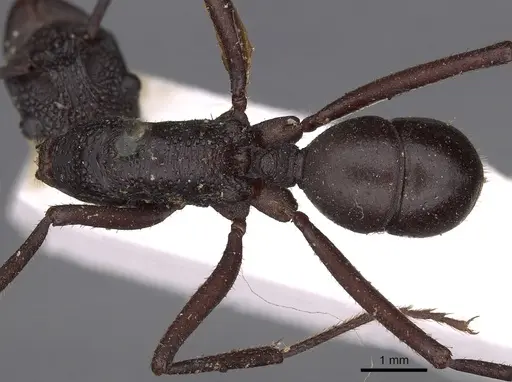
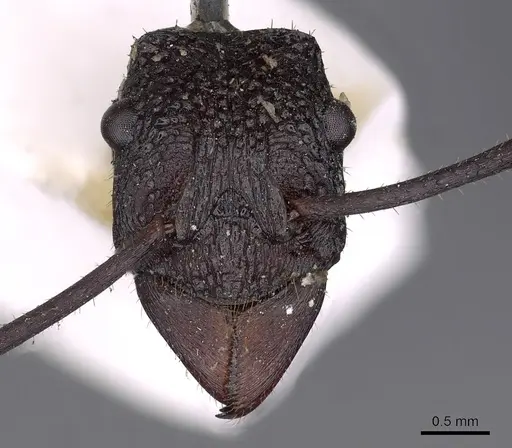
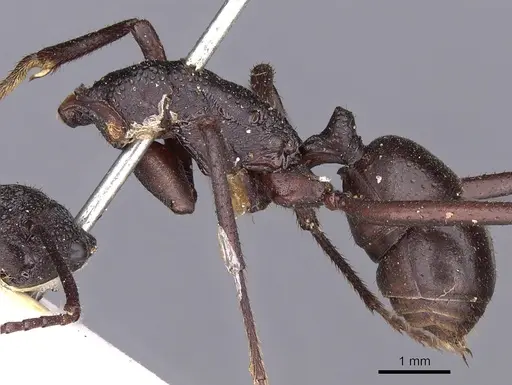
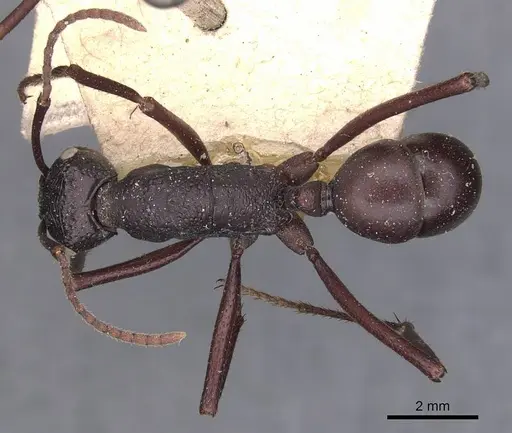
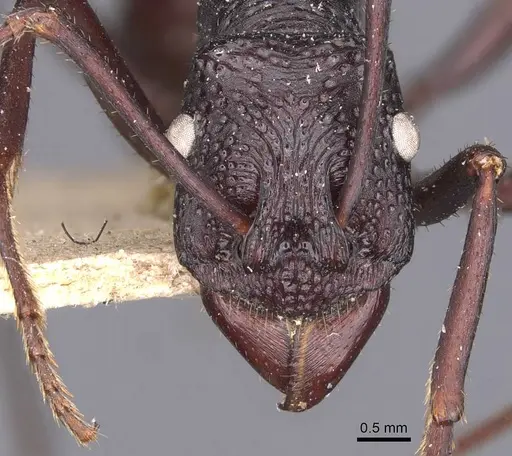
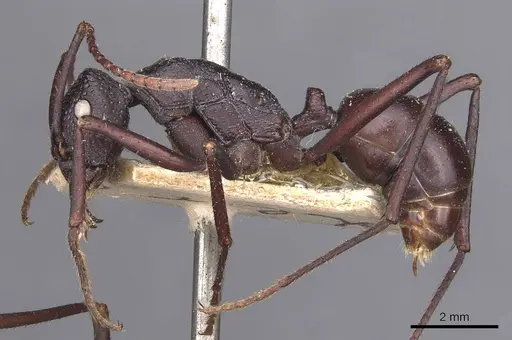
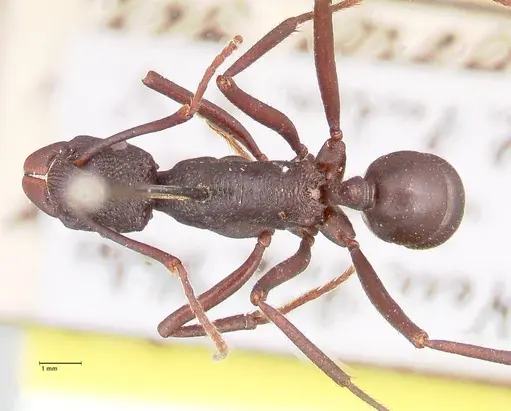
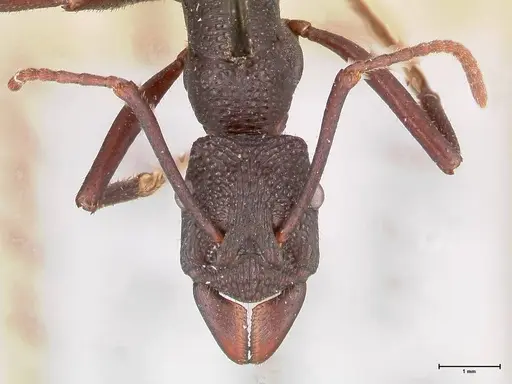
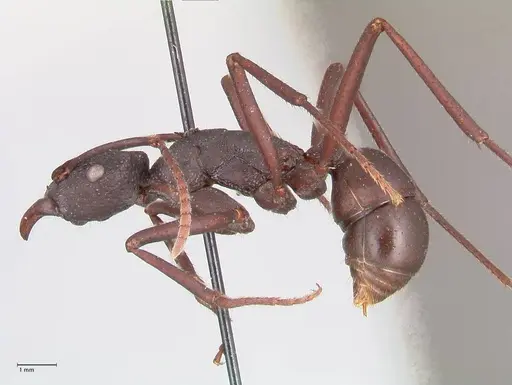
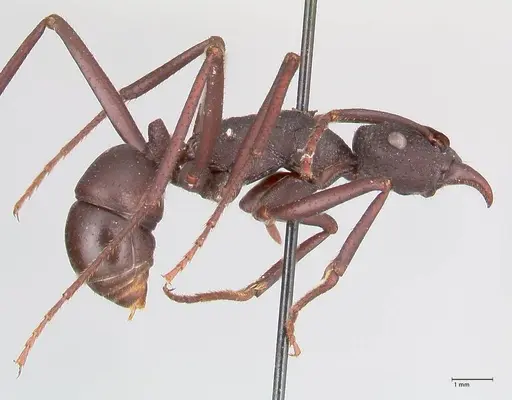
Rhytidoponera aciculata is a medium-sized Australian ant species belonging to the subfamily Ectatomminae. Workers measure approximately 10-11mm and feature a distinctive dark, often metallic appearance with strong mandibles. This species was originally described from Hunter River, New South Wales, and is found throughout eastern Australia [1]. The genus Rhytidoponera is known for their characteristic 'skipping' or 'hopping' movement pattern, which distinguishes them from many other ant genera. As members of the Ectatommini tribe, these ants possess functional stingers and are effective predators in their ecosystem.
Quick Summary
- Difficulty: Medium
- Origin & Habitat: Eastern Australia, primarily New South Wales, found in temperate to subtropical woodland and forest habitats [1]
- Colony Type: Likely monogyne (single queen colonies) based on typical Rhytidoponera patterns, though specific colony structure for this species is unconfirmed
- Size & Growth:
- Queen: Approximately 10-12mm (estimated from worker size, queen measurements unconfirmed for this species)
- Worker: Approximately 10-11mm (5 lines) [1]
- Colony: Likely several hundred workers based on genus patterns
- Growth: Moderate
- Development: Estimated 8-12 weeks at optimal temperature based on related Ectatomminae species (Development time estimated from genus-level data, specific timing for this species unconfirmed)
- Antkeeping:
- Temperature: Keep around 22-26°C, they prefer warm conditions typical of their Australian habitat. A gentle gradient with a heating cable on one side works well.
- Humidity: Moderate humidity around 50-70%. Keep substrate slightly moist but not waterlogged. Provide a water tube for drinking access.
- Diapause: Likely yes, Australian temperate species likely requires a winter rest period of 2-3 months at 10-15°C. Exact requirements unconfirmed for this species.
- Nesting: In nature they nest in soil, often under stones or in decaying wood. In captivity, a naturalistic setup with soil substrate and flat stones for cover works well, or a Y-tong/plaster nest with chambers scaled to their medium size.
- Behavior: These ants are active foragers with a distinctive skipping movement. They are predatory and will hunt small invertebrates. Workers are moderately aggressive and possess functional stingers, expect defensive behavior when the nest is disturbed. Escape prevention is important though their medium size makes them less prone to escaping than tiny ants. They are diurnal and actively hunt during warmer parts of the day.
- Common Issues: colonies may fail if kept too cold, maintain warm temperatures year-round, predatory nature means they need live prey, sugar sources alone are insufficient, wild-caught colonies may carry parasites that can devastate captive populations, hibernation timing is critical, too early or too long can kill colonies, stinging behavior means handling requires caution, they will defend the nest aggressively
Housing and Nest Setup
Rhytidoponera aciculata does well in naturalistic setups that mimic their natural woodland habitat. Use a mixture of soil and sand as substrate, with flat stones or pieces of bark placed on top to provide cover, these ants prefer to nest under objects rather than in exposed tubes. A Y-tong (AAC) or plaster nest also works well if you provide appropriate chamber sizes. The outworld should be spacious enough for foraging, with a water tube always available. Because they are predatory, include a small hunting area where they can capture and handle prey items. Escape prevention is important, use fluon on container rims and ensure any connections are secure, though their larger size makes them less challenging to contain than tiny ants.
Feeding and Diet
These ants are obligate predators and need a protein-rich diet to thrive. Offer small live insects such as fruit flies, small crickets, mealworms, and other appropriately-sized arthropods. Feed protein 2-3 times per week, adjusting based on colony size and consumption. While they may occasionally accept sugar water or honey, this should not be their primary food, they are hunters first and foremost. Remove uneaten prey after 24 hours to prevent mold. A varied diet helps ensure proper nutrition for brood development. Fresh water must always be available.
Temperature and Seasonal Care
Maintain temperatures between 22-26°C for optimal colony health and brood development. They prefer warm conditions and will become less active below 20°C. A heating cable placed on one side of the nest creates a temperature gradient allowing ants to self-regulate. Place the heating on top of the nest, not underneath, to avoid excessive drying. As an Australian species, they likely require a winter dormancy period. Reduce temperature to 10-15°C for 2-3 months during winter, reducing feeding frequency accordingly. Do not hibernate colonies that are still founding or very small, only established colonies should undergo diapause.
Behavior and Defense
Rhytidoponera aciculata workers are active hunters with a distinctive skipping gait that helps them cover ground quickly while searching for prey. They are moderately aggressive and will readily defend their nest against threats. As members of Ectatommini (formerly Ponerinae), they possess functional stingers and will use them when threatened. The sting is painful but not medically significant for healthy humans, those with insect sting allergies should exercise caution. Workers forage individually rather than in groups, using chemical trails to communicate food discoveries. Colonies are typically smaller than many common ant species, usually reaching only a few hundred workers.
Frequently Asked Questions
How long does it take for Rhytidoponera aciculata to produce first workers?
Based on related species in the genus, expect first workers (nanitics) approximately 8-12 weeks after the queen lays eggs, assuming optimal temperatures around 24-26°C. This timeline is estimated from genus-level data as specific development timing for this species has not been documented.
Do Rhytidoponera aciculata ants sting?
Yes, they can sting. Members of the subfamily Ectatomminae (tribe Ectatommini) possess functional stingers and will use them defensively. The sting causes moderate pain similar to other Ponerine ants. Handle with care and avoid disturbing the nest.
What do Rhytidoponera aciculata eat?
They are predatory ants that need live invertebrate prey. Feed small insects like fruit flies, small crickets, mealworms, and similar prey items 2-3 times per week. They may occasionally accept sugar water but protein-rich live prey is essential for colony health and brood development.
Can I keep multiple queens together?
Combining unrelated queens is not recommended as there is no documented evidence for pleometrosis (multiple queen founding) in this species. It is likely monogyne with a single reproductive queen per colony. Keep only one queen per colony.
Do Rhytidoponera aciculata need hibernation?
Likely yes, as an Australian temperate species, they probably require a winter rest period. Reduce temperatures to 10-15°C for 2-3 months during winter months. Only hibernate established colonies with workers, founding colonies should be kept warm year-round.
Are Rhytidoponera aciculata good for beginners?
This species is rated as medium difficulty. While not the hardest species to keep, they require more attention than common beginner species like Lasius or Camponotus. You need to provide regular live prey, maintain warm temperatures, and understand their predatory nature. They are not recommended as a first ant unless you are prepared for their specific care requirements.
How big do Rhytidoponera aciculata colonies get?
Based on genus patterns, colonies likely reach several hundred workers at maturity. They are not among the largest ant species and tend to maintain moderate-sized colonies rather than the massive supercolonies seen in some Formicinae.
When should I move them to a formicarium?
Keep new colonies in a test tube or small container until they have 15-20 workers. Once the colony outgrows this setup or you see workers avoiding the water tube, transfer to a larger naturalistic setup or formicarium. They do well in naturalistic setups with soil substrate.
Why are my Rhytidoponera aciculata dying?
Common causes include: temperatures too low (keep above 20°C), insufficient protein in diet (they need live prey), parasites from wild-caught colonies, and improper humidity. Check that temperatures are in the 22-26°C range, protein is offered regularly, and substrate is slightly moist but not wet.
References

This caresheet is licensed under CC BY-SA 4.0 .
Literature
Loading...Loading products...