

Rhytidoponera acanthoponeroides
- Scientific Name
- Rhytidoponera acanthoponeroides
- Tribe
- Ectatommini
- Subfamily
- Ectatomminae
- Author
- Viehmeyer, 1924
- Distribution
- Found in 1 countries
Rhytidoponera acanthoponeroides Overview
Rhytidoponera acanthoponeroides is an ant species of the genus Rhytidoponera. It is primarily documented in 1 countries , including New Caledonia. Detailed taxonomic data and occurrence records can be further explored via authoritative databases such as AntWeb or the Global Biodiversity Information Facility (GBIF).
Rhytidoponera acanthoponeroides
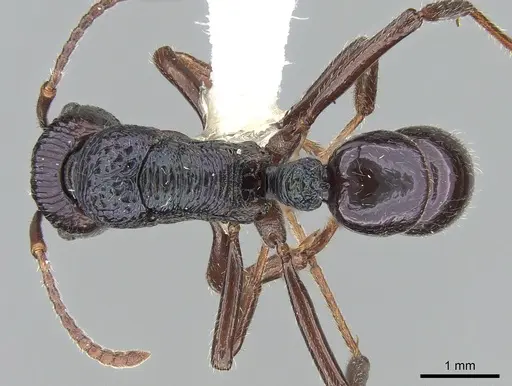
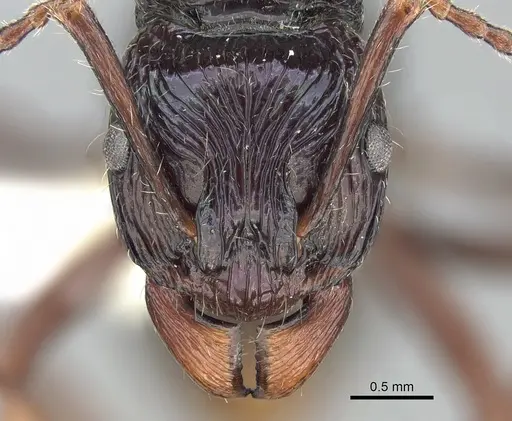
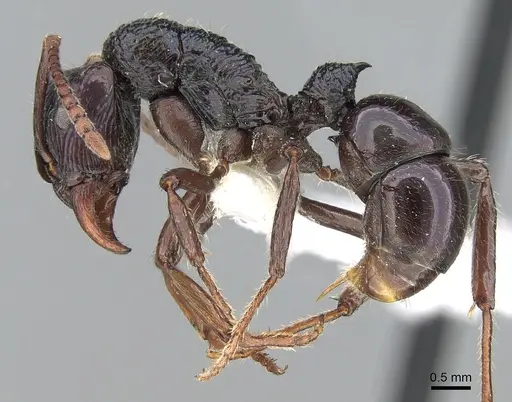
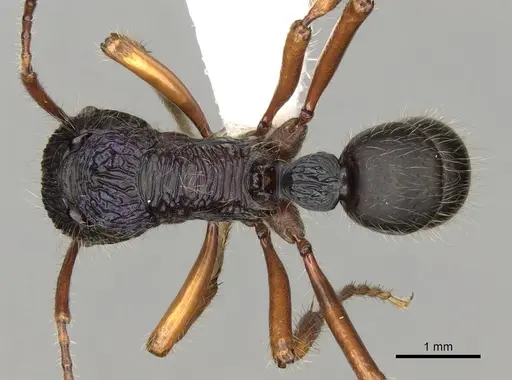
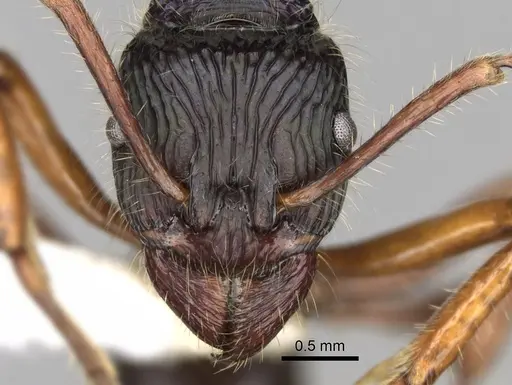
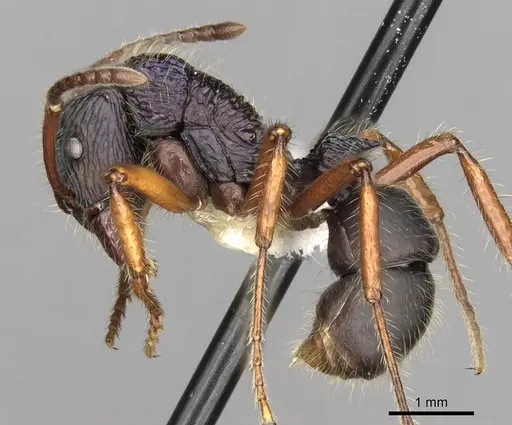
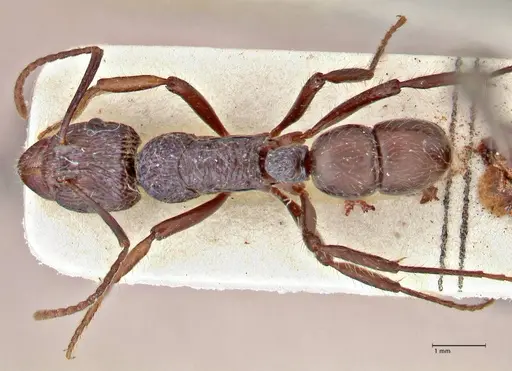
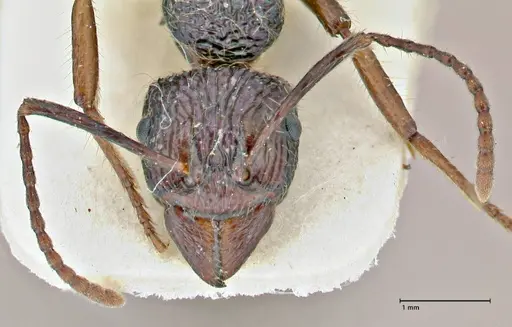
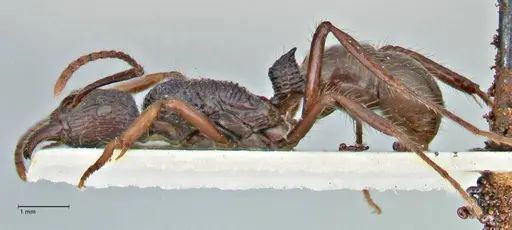
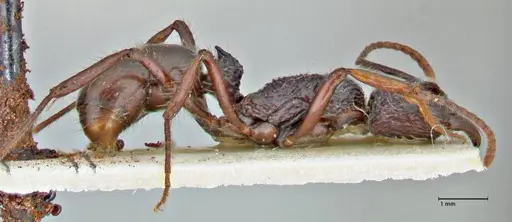
Rhytidoponera acanthoponeroides is a moderately sized ant species native to New Caledonia, belonging to the subfamily Ectatomminae [1]. Workers are robust ants with distinctive ridged (striated) sculpture on their head and mesosoma, typical of the genus Rhytidoponera. This species is restricted to high-elevation rainforest and cloud forest habitats between 500-900 meters, where it nests under stones in open areas within forest clearings [2]. The genus is known for having functional stingers, so these ants can deliver a sting if handled roughly. This is a relatively rare species in the antkeeping hobby, collected from a geographically limited range in the Pacific.
Quick Summary
- Difficulty: Medium
- Origin & Habitat: New Caledonia, cloud forest and rainforest at higher elevations (500-900m), particularly in areas dominated by Araucaria and Podocarpus trees. They nest under stones in open areas within the forest [2].
- Colony Type: Likely single-queen colonies based on typical Rhytidoponera patterns. Colony structure has not been specifically documented for this species.
- Size & Growth:
- Queen: Estimated 8-10mm based on genus Rhytidoponera typical sizes
- Worker: Estimated 6-8mm based on genus Rhytidoponera typical sizes
- Colony: Unknown, no colony size data available for this species
- Growth: Moderate, estimated based on related species
- Development: Estimated 6-10 weeks based on typical Ectatomminae development at optimal temperature (Development timeline is not directly documented for this species, estimates based on genus-level patterns for similar cloud-forest species)
- Antkeeping:
- Temperature: Keep around 18-22°C, this species comes from cool cloud forest elevations and does not tolerate heat well. Room temperature or slight cooling is appropriate. Avoid temperatures above 25°C.
- Humidity: High humidity required, cloud forest species. Keep nest substrate consistently moist but not waterlogged. Provide a water tube as a constant humidity source.
- Diapause: Likely yes, as a temperate/highland species from New Caledonia, they probably experience a cooler period during winter months. Reduce temperature to around 15°C for 2-3 months.
- Nesting: Naturalistic setup with stones or compact soil works well, matches their natural preference for nesting under stones. Y-tong or plaster nests with moisture retention are also suitable. They prefer tight, dark chambers.
- Behavior: This is a ground-nesting species that forages on the forest floor. They are moderately active and will search for food in the outworld. Workers are not particularly aggressive but will defend the nest if threatened. As Ectatomminae, they possess a functional stinger, handle with care. Escape risk is moderate, standard formicarium barriers are usually sufficient.
- Common Issues: heat stress is a major risk, temperatures above 25°C can kill colonies, humidity too low causes workers to become sluggish and brood to fail, wild-caught colonies may have parasites specific to their range, slow growth can lead to keeper impatience and overfeeding, test tube setups may not provide enough humidity for this cloud-forest species
Natural History and Distribution
Rhytidoponera acanthoponeroides is endemic to New Caledonia, an island in the southwestern Pacific Ocean. This species is restricted to high-elevation cloud forest and rainforest habitats between 500-900 meters above sea level [2]. The cloud forests where they live are dominated by ancient conifer trees including Araucaria and Podocarpus species, creating a cool, humid environment with frequent mist. Collections have come from both sedimentary and ultramafic geological areas, showing some flexibility in substrate type. Workers have been observed foraging both within closed forest and in open heath or maquis areas up to 20 meters from the nearest vegetation cover [2]. This suggests they are comfortable in varied microhabitats as long as moisture and shade are available.
Nesting Preferences
In the wild, this species nests under stones in open areas within cloud forest [2]. This nesting behavior is typical of Rhytidoponera species, which often prefer cryptic nest sites that provide stable temperature and humidity. One record also documents nesting in a clump of soil and rotting wood [2]. For captive care, a naturalistic setup with flat stones placed on moist substrate mimics their natural conditions well. Alternatively, Y-tong (AAC) nests or moist plaster nests work well because they retain humidity effectively. The key is providing dark, tight chambers that stay consistently moist. Avoid dry, airy setups, this species comes from an environment where moisture is constantly available from cloud cover.
Temperature and Care
This is a cool-adapted species from cloud forest elevations, temperature management is critical for success. Keep the nest area at 18-22°C, which is cooler than most tropical ant species require. They do not tolerate heat well, and temperatures above 25°C can be fatal. If your room temperature runs warm, consider using a small cooling method or positioning the nest away from heat sources. During the cooler months (roughly November to March in the Southern Hemisphere), you can reduce temperatures to around 15°C to simulate their natural seasonal cool period. This winter rest period of 2-3 months at reduced temperature likely supports healthy colony cycles. Always ensure good ventilation while maintaining humidity, stagnant air causes mold problems. [2]
Feeding and Diet
Like most Ectatomminae species, R. acanthoponeroides is likely a generalist predator and scavenger. In the wild, they forage on the ground for small invertebrates and likely tend aphids for honeydew. For captive care, offer a varied diet: small live insects like fruit flies, pinhead crickets, or mealworms work well as protein sources. They will also accept sugar water or honey as an energy source. Feed protein 2-3 times per week, and keep a constant sugar source available. Remove uneaten prey after 24-48 hours to prevent mold. Since this is a ground-foraging species, place food on the substrate surface in the outworld rather than in elevated feeding dishes.
Humidity Requirements
As a cloud forest species, high humidity is essential. Keep the nest substrate consistently moist, it should feel damp to the touch but not have standing water. The substrate should never fully dry out. A water tube connected to the nest helps maintain constant humidity through evaporation. Monitor for condensation on the nest walls, some condensation is good, but excessive dripping indicates too much moisture. If you see mold growing, improve ventilation and reduce moisture slightly. The combination of cool temperatures and high humidity can be tricky to balance, but getting this right is key to keeping this species healthy. [2]
Frequently Asked Questions
How long does it take for Rhytidoponera acanthoponeroides to produce first workers?
The exact timeline is not documented, but based on typical Ectatomminae development, expect 6-10 weeks from egg to first worker at optimal temperature (around 20°C). This is a moderate growth rate, faster than some slow-growing genera but not as rapid as tropical species.
Can I keep Rhytidoponera acanthoponeroides in a test tube?
Test tubes can work for founding colonies, but you must maintain high humidity by keeping the water section well-filled and covering the cotton with additional water tube. However, because this is a cloud-forest species requiring constant moisture, a naturalistic setup or moist plaster nest is often more practical long-term. Watch for the tube drying out.
Do Rhytidoponera acanthoponeroides ants sting?
Yes. Rhytidoponera belongs to the subfamily Ectatomminae, which has functional stingers. While they are not particularly aggressive, they will sting if threatened or handled roughly. The sting is not medically significant for healthy adults but can be painful.
What temperature range is best for Rhytidoponera acanthoponeroides?
Keep them cool, aim for 18-22°C. This species comes from cloud forest elevations and does not tolerate heat. Never let temperatures exceed 25°C. Room temperature is often ideal. If your space runs warm, use cooling methods or position the nest in a cooler area.
Are Rhytidoponera acanthoponeroides good for beginners?
This species is rated as medium difficulty. While not the hardest species to keep, the specific humidity and temperature requirements (cool and humid) take more attention than common tropical species. Beginners should have experience with at least one other ant species first.
Do Rhytidoponera acanthoponeroides need hibernation?
Likely yes. As a high-elevation species from New Caledonia, they probably experience cooler winter conditions. Reduce temperatures to around 15°C for 2-3 months during the cooler season. Do not hibernate them at room temperature, the cooling period is part of their natural cycle.
How big do Rhytidoponera acanthoponeroides colonies get?
The maximum colony size is not documented in scientific literature. Based on related Rhytidoponera species, colonies likely reach several hundred workers at maturity. This is not a supercolonial species.
What do Rhytidoponera acanthoponeroides eat?
They are generalist feeders. Offer small live insects (fruit flies, pinhead crickets, small mealworms) as protein 2-3 times per week. Also provide a constant sugar source like sugar water or honey. They will scavenge and hunt on the ground surface.
When should I move Rhytidoponera acanthoponeroides to a formicarium?
Wait until the colony has at least 20-30 workers before moving to a larger setup. For this moisture-dependent species, a naturalistic setup with moist substrate or a Y-tong/plaster nest works best. Moving too early can stress the colony.
Why are my Rhytidoponera acanthoponeroides dying?
The most common causes are heat stress (temperatures above 25°C), low humidity (drying out), or poor ventilation causing mold. Check your temperature first, this species is very sensitive to heat. Also ensure the nest substrate stays consistently moist. Wild-caught colonies may also carry parasites specific to their range.
References

This caresheet is licensed under CC BY-SA 4.0 .
Literature
Loading...Loading products...