

Rasopone panamensis
- Scientific Name
- Rasopone panamensis
- Tribe
- Ponerini
- Subfamily
- Ponerinae
- Author
- Forel, 1899
- Distribution
- Found in 1 countries
Rasopone panamensis Overview
Rasopone panamensis is an ant species of the genus Rasopone. It is primarily documented in 1 countries , including Costa Rica. Detailed taxonomic data and occurrence records can be further explored via authoritative databases such as AntWeb or the Global Biodiversity Information Facility (GBIF).
Rasopone panamensis
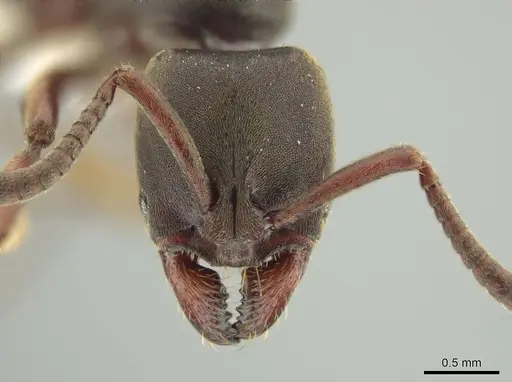
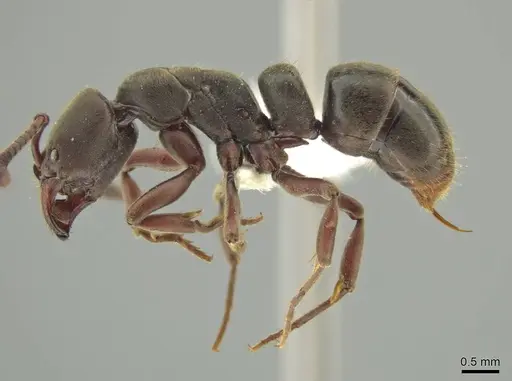
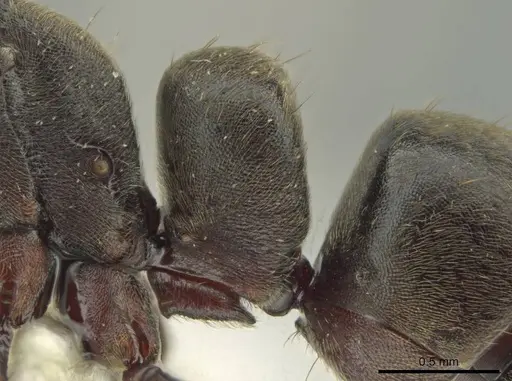
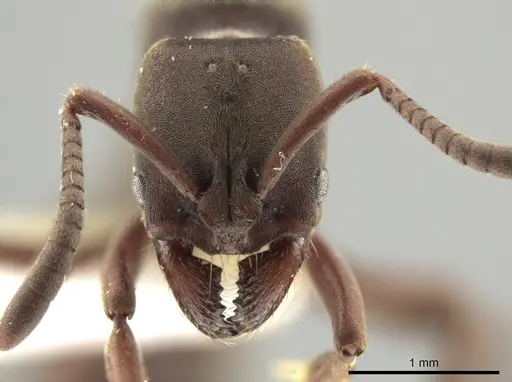
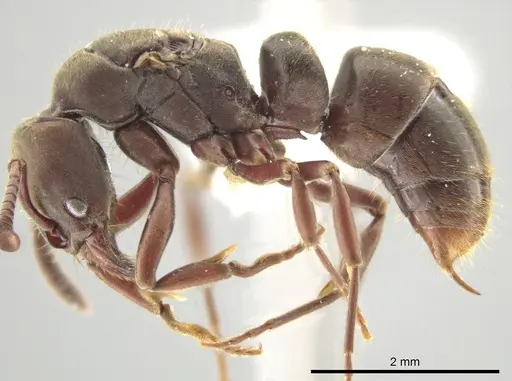
Rasopone panamensis is a medium-sized predatory ant native to the Neotropical forests of Costa Rica and Panama. Workers are robust ants with a distinctive dark reddish-brown coloration, measuring around 1.12-1.36mm in head width, making them comparable in size to many common Myrmica species. The genus Rasopone is characterized by their striate mandibles, cuboidal petiolar nodes, and their position within the Ponerinae subfamily means they possess functional stingers. These ants inhabit lowland wet to seasonal dry forests from sea level up to about 1070m elevation, with populations on both the Pacific and Caribbean coasts of Costa Rica [1].
As predatory ants in the Ponerinae subfamily, Rasopone panamensis represents a more advanced keeping challenge compared to common beginner species. They are active hunters that rely on their stingers to subdue prey, and they form relatively small colonies compared to many tropical ants. Their natural history in the wild involves nesting in soil or under objects in forest floor habitats, where they hunt small invertebrates. This species was only recently elevated from synonymy with Rasopone ferruginea to full species status in 2020,so much of what we know about their care comes from general Ponerinae and genus-level knowledge rather than species-specific studies [1].
Quick Summary
- Difficulty: Medium
- Origin & Habitat: Lowland wet to seasonal dry forests of Costa Rica and Panama, from sea level to 1070m elevation. Found on both Pacific coast (Cabo Blanco to Osa) and Caribbean side (Hitoy Cerere south of Limón) [1].
- Colony Type: Likely monogyne (single queen) based on typical Rasopone patterns. Colonies appear to remain relatively small, likely under 500 workers based on related Ponerinae species.
- Founding: Claustral
- Size & Growth:
- Queen: Head width 1.13-1.18mm (estimated total length ~6-7mm based on genus patterns) [1]
- Worker: Head width 1.12-1.36mm (estimated total length ~5-7mm) [1]
- Colony: Likely several hundred workers maximum based on typical Ponerinae colony sizes
- Growth: Moderate, Ponerinae typically develop more slowly than Myrmicinae
- Development: Estimated 8-12 weeks at optimal temperature based on typical Ponerinae development (Development time inferred from related Ponerinae species, specific data for R. panamensis unavailable)
- Antkeeping:
- Temperature: Keep at 24-28°C. They are a lowland tropical species that prefers warm, stable temperatures. A heating cable on one side of the nest can create a gentle gradient [1]
- Humidity: Moderate to high humidity (60-80%). These forest floor ants prefer damp substrate but not waterlogged conditions. Keep the nest substrate consistently moist.
- Diapause: No true diapause, being a tropical species, they do not require hibernation. However, they may reduce activity during cooler or drier seasons in captivity.
- Nesting: In nature they nest in soil or under stones/logs on the forest floor. In captivity, a naturalistic setup with soil substrate or a Y-tong/plaster nest works well. They prefer tight, enclosed chambers.
- Behavior: Active predators that hunt small invertebrates. Workers are aggressive when defending the colony and will readily use their stingers. They are not escape artists but small size means standard escape prevention (Fluon barriers) should still be used. Workers are relatively long-lived compared to many ant species, which is typical of Ponerinae.
- Common Issues: tropical species may struggle if temperatures drop below 22°C, small colony size means losses have bigger impact, avoid disturbing founding colonies, predatory diet means they need consistent live prey, failure to provide adequate protein leads to colony decline, wild-caught colonies may carry parasites that can devastate captive populations, Ponerinae stingers can penetrate human skin, handle with care
Housing and Nest Setup
Rasopone panamensis does well in naturalistic setups that replicate their forest floor habitat. A container with 2-3cm of moist soil or a plaster/Y-tong nest both work well. These ants prefer tight, enclosed chambers rather than open spaces. If using a naturalistic setup, provide a layer of substrate that stays consistently moist but never waterlogged. A shallow water dish in the outworld ensures they have access to drinking water. Because they are small ants, standard escape prevention with Fluon on container edges is recommended despite them not being particularly escape-prone [1].
Feeding and Diet
As predatory Ponerinae, these ants require a protein-rich diet of small live invertebrates. In captivity, they readily accept small crickets, fruit flies, mealworms, and other appropriately-sized arthropods. Feed them prey items roughly every 2-3 days, adjusting based on colony size and consumption. A small dish of sugar water or honey can be offered occasionally, though protein is the primary dietary need. Remove uneaten prey after 24 hours to prevent mold. For founding colonies, offer tiny prey items that the queen can easily subdue, small fruit flies or pinhead crickets work well [2]
Temperature and Heating
Being a lowland tropical species from Costa Rica and Panama, Rasopone panamensis requires warm temperatures to thrive. Keep the nest area at 24-28°C, with a slight gradient allowing workers to choose their preferred temperature. A heating cable placed on one side of the nest can provide gentle warmth without drying out the substrate too quickly. Avoid temperatures below 22°C for extended periods, as this can slow colony development and potentially cause health issues. Room temperature in most homes may be too cool, consider using a small heat mat or placing the nest in a warm room [1].
Behavior and Temperament
These ants are active hunters that patrol their territory searching for small invertebrates. Workers are aggressive when defending the colony and possess functional stingers, unlike many ant species that have lost this ability, Ponerinae can deliver a genuine sting. Handle with appropriate care. They are not particularly large colony formers, so the colony will remain manageable even at full size. Workers are relatively long-lived for ants, which is typical of the Ponerinae subfamily. They do not show major escape problems but standard hygiene practices should still be followed [1]
Colony Founding
Queens are claustral, meaning they seal themselves in a chamber and raise their first workers using stored fat reserves without leaving to forage. The founding chamber should be small and enclosed, a standard test tube setup works well for initial founding. Provide a water source but no food is needed until the first workers (nanitics) emerge. After the nanitics appear, begin offering tiny prey items. Founding colonies should be left relatively undisturbed for several weeks to minimize stress. Colony growth is moderate, expect the first major worker cohort several months after founding [2]
Frequently Asked Questions
How long does it take for Rasopone panamensis to produce first workers?
Based on typical Ponerinae development, expect 8-12 weeks from egg to first worker at optimal temperatures (24-28°C). This is slower than many common ant species like Lasius or Tetramorium. Founding queens seal themselves in and raise the first brood alone, so patience is essential during the founding phase.
Can I keep multiple Rasopone panamensis queens together?
Not recommended. While colony structure is not fully confirmed for this species, combining unrelated foundresses has not been documented and likely results in aggression. Single-queen colonies are the standard approach for Ponerinae species.
What do Rasopone panamensis eat?
They are predatory ants that need live invertebrate prey. Small crickets, fruit flies, mealworms, and other appropriately-sized arthropods should be offered 2-3 times per week. Sugar water or honey can be offered occasionally but protein prey is essential for colony health.
Are Rasopone panamensis good for beginners?
No, they are not recommended for complete beginners. They require warm temperatures, consistent live prey, and have specific humidity needs. They also have functional stingers. However, an antkeeper with some experience with Myrmicinae or other species should be able to keep them successfully.
How big do Rasopone panamensis colonies get?
Based on related Ponerinae species, colonies likely reach several hundred workers at maximum. They are not among the largest ant species, and the colony will remain relatively manageable even at full size.
Do Rasopone panamensis need hibernation?
No, they do not require hibernation. Being a tropical species from Costa Rica and Panama, they do not experience cold winters in their natural habitat. However, they may show reduced activity during cooler or drier periods in captivity.
What temperature is ideal for Rasopone panamensis?
Keep them at 24-28°C. This is a lowland tropical species that thrives in warm conditions. A heating cable on one side of the nest can provide the warmth they need without drying out the substrate.
When should I move Rasopone panamensis to a formicarium?
Wait until the colony has reached at least 20-30 workers before moving to a larger setup. For the founding phase, a simple test tube setup works well. Once the colony is established and growing, you can move them to a naturalistic setup or Y-tong nest.
Why are my Rasopone panamensis dying?
Common causes include: temperatures below 22°C, insufficient live prey (they need protein), too dry substrate, or parasites from wild-caught colonies. Ensure proper heating, consistent feeding of live prey, and maintain humidity. Wild-caught colonies may carry mites or other parasites that can decimate captive populations.
References

This caresheet is licensed under CC BY-SA 4.0 .
CASENT0644252
View on AntWeb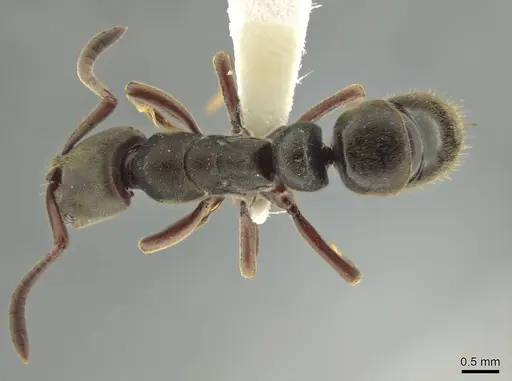
CASENT0644543
View on AntWeb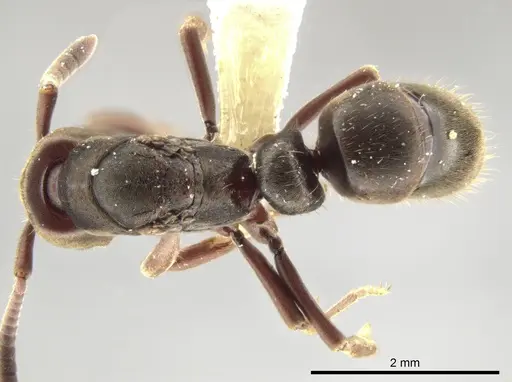
Literature
Loading...Loading products...