

Pseudoneoponera tridentata
- Scientific Name
- Pseudoneoponera tridentata
- Tribe
- Ponerini
- Subfamily
- Ponerinae
- Author
- Smith, 1858
- Distribution
- Found in 4 countries
Pseudoneoponera tridentata Overview
Pseudoneoponera tridentata is an ant species of the genus Pseudoneoponera. It is primarily documented in 4 countries , including Brunei Darussalam, Indonesia, Malaysia. Detailed taxonomic data and occurrence records can be further explored via authoritative databases such as AntWeb or the Global Biodiversity Information Facility (GBIF).
Pseudoneoponera tridentata
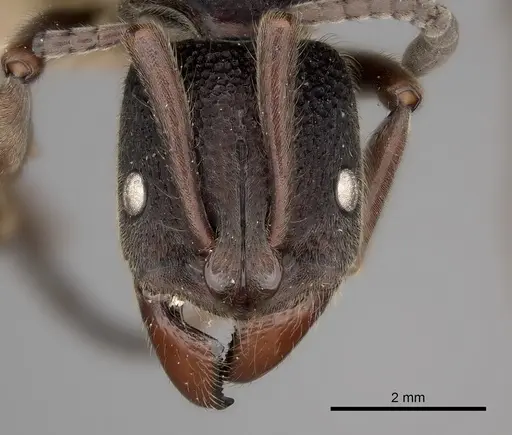
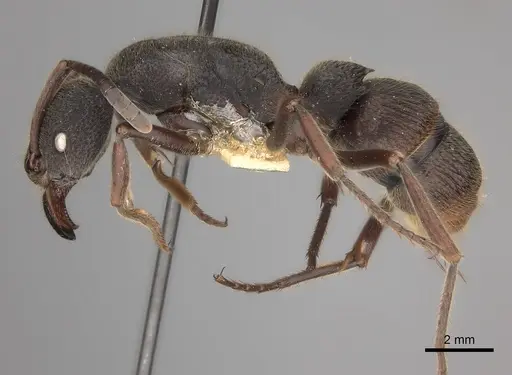
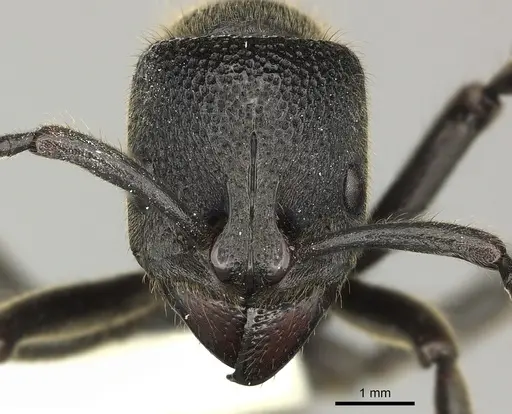
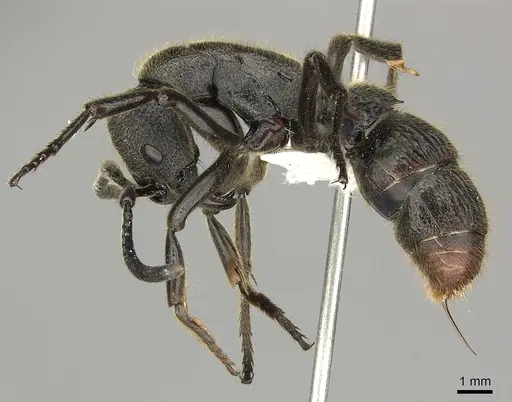
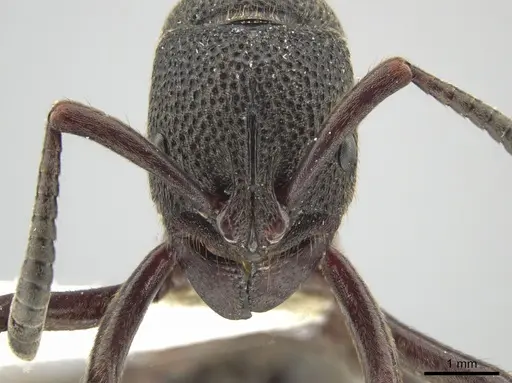
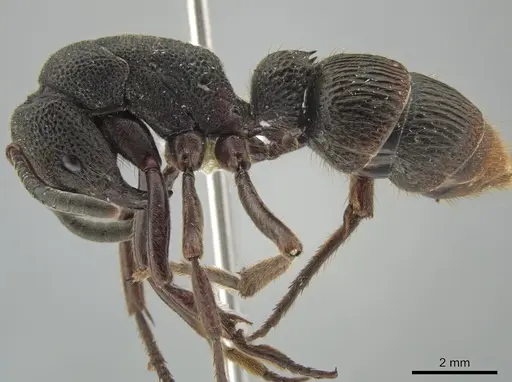
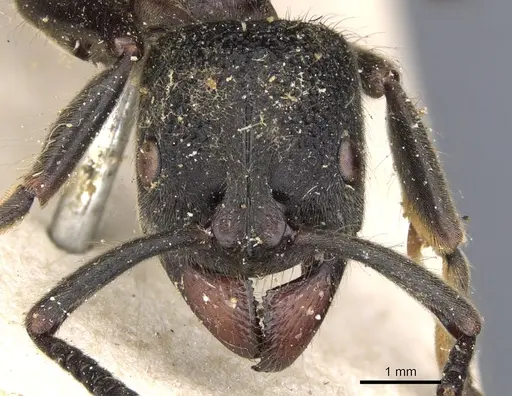
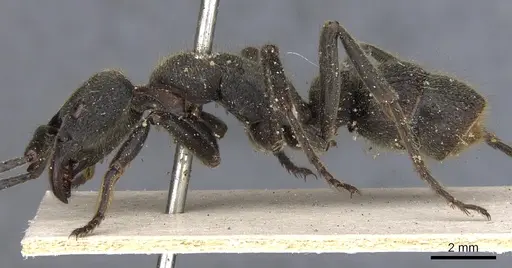
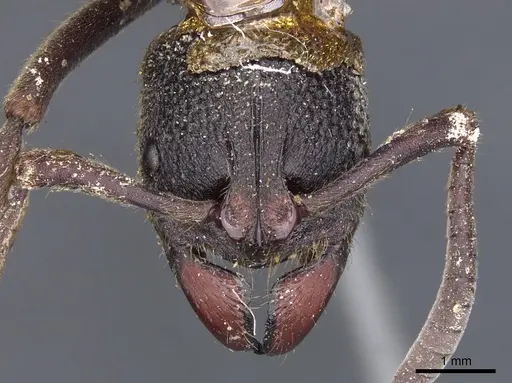
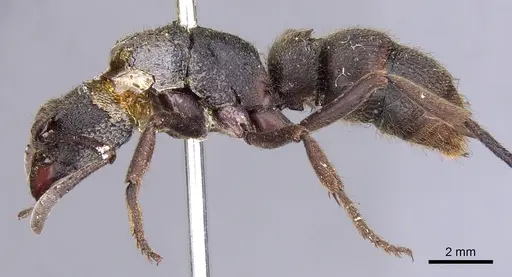
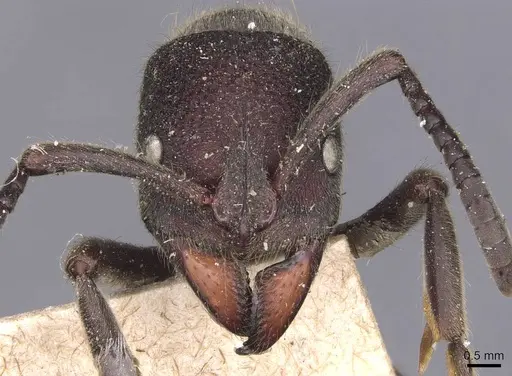
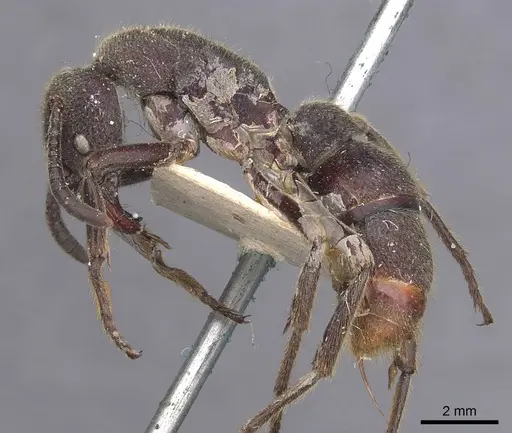
Pseudoneoponera tridentata is a medium-sized ponerine ant native to Southeast Asia, found across Borneo, Malaysia, the Philippines, Singapore, and Indonesia. Workers measure approximately 12-13mm and have the robust, heavily-sclerotized body typical of Ponerinae ants. This species is one of the most common ants in Bornean rainforests, frequently encountered in leaf litter and dead wood [1][2]. Unlike many ants, P. tridentata has a unique social structure where winged queens and gamergates (reproductive workers) can coexist in the same colony, with dominance interactions determining who reproduces [3].
Quick Summary
- Difficulty: Medium
- Origin & Habitat: Tropical rainforests of Southeast Asia, including Borneo, Malaysia, the Philippines, Singapore, and Indonesia (Sumatra, Nias, Simeulue). They nest in dead wood and soil in lowland rainforest environments [1][3].
- Colony Type: Colonies contain both winged queens and gamergates (reproductive workers) that can coexist. Some dealated queens do not lay eggs because they are behaviorally dominated by gamergates [3]. This is a queenright species with multiple potential reproductives.
- Colony: Optionally polygyne
- Founding: Claustral
- Special: Gamergates
- Size & Growth:
- Queen: Approximately 12-13mm (similar size to workers) [4][3]
- Worker: 12-13mm (approximately 6 lines) [4]
- Colony: Typically 20-50 workers in observed colonies, though colonies can grow larger [2]
- Growth: Moderate, based on typical Ponerinae development patterns
- Development: Estimated 6-10 weeks at tropical temperatures (25-28°C) based on typical Ponerinae development (Development time inferred from related Ponerinae species, specific data for this species unavailable)
- Antkeeping:
- Temperature: Keep at 24-28°C, they are a tropical species from warm, humid rainforests. A gentle heating gradient allows them to regulate temperature.
- Humidity: High humidity (70-85%) is essential. Keep the nest substrate consistently moist but not waterlogged. These forest-floor ants need damp conditions.
- Diapause: No, as a tropical species, they do not require hibernation. Maintain warm conditions year-round.
- Nesting: In captivity, they do well in naturalistic setups with moist substrate (soil/peat mix) or in acrylic/plaster nests with good humidity retention. They prefer nesting in dark, humid chambers similar to their natural dead wood habitat.
- Behavior: Ponerine ants are known for their potent stingers, and P. tridentata is no exception, they can deliver a painful sting. They are solitary foragers, hunting small prey individually rather than coordinating mass raids [5]. Workers are active hunters, searching for small insects and arthropods. They are moderately aggressive when defending the nest. Escape prevention is important as they are active and capable climbers.
- Common Issues: potent sting, handle with care and use gloves when working with the colony, high humidity requirements, dry conditions will cause colony decline, solitary foraging means prey must be readily available and small enough for individual hunters, dominance hierarchies, gamergate presence may affect colony dynamics in captivity, tropical species cannot tolerate cool temperatures or dry conditions
Housing and Nest Setup
Pseudoneoponera tridentata does well in naturalistic setups that mimic their forest-floor habitat. Use a moist substrate mixture (soil, peat, or coco fiber) at least 2-3cm deep to retain humidity. Add pieces of dead wood, bark, or cork to provide nesting sites. Acrylic or plaster nests with a water reservoir also work well, but ensure humidity stays high. Cover the setup to maintain darkness, these are shy ants that prefer dark, humid chambers. A small outworld for foraging allows you to offer prey without disturbing the nest. [1][2]
Feeding and Diet
These are predatory ants that hunt small live prey. Offer small insects like fruit flies, small crickets, mealworms, and other appropriately-sized arthropods. They are solitary foragers, so prey should be small enough for individual workers to tackle [5]. A sugar source like honey or sugar water can be offered occasionally, but protein from prey is the primary food. Feed prey 2-3 times per week, adjusting based on colony size and consumption. Remove uneaten prey after 24-48 hours to prevent mold.
Temperature and Humidity Control
Maintain temperatures between 24-28°C year-round. These tropical ants do not tolerate cool conditions, keep them well away from air conditioning or cold drafts. A small heating cable on one side of the nest can create a temperature gradient, but ensure the nest itself doesn't overheat. Humidity is critical: aim for 75-85% relative humidity. The substrate should feel consistently moist but never waterlogged. Mist occasionally and use a water reservoir in your nest setup. Poor humidity leads to colony decline and death.
Defense and Sting
As a Ponerinae ant, P. tridentata has a functional stinger and can deliver a painful sting. This is their primary defense mechanism. When threatened, workers may sting. Handle the colony with care, use gloves when performing nest maintenance or moving colonies. Their sting is potent enough to cause noticeable pain in humans, so avoid bare-handed contact. This defensive capability also makes them effective predators on small prey.
Colony Social Structure
This species has an unusual social structure among ants. Both winged queens and gamergates (reproductive workers that have mated and can lay eggs) can coexist in the same colony [3]. Some dealated queens do not reproduce because gamergates dominate them through aggressive interactions [3]. This means multiple individuals can potentially reproduce, creating a dominance hierarchy rather than a single queen monopoly. In captivity, you may observe aggressive interactions between potential reproductives, this is normal for the species.
Growth and Development
Colony growth is moderate. Founding colonies may take several months to produce their first workers (nanitics), which are typically smaller than mature workers. Based on typical Ponerinae development, expect 6-10 weeks from egg to worker at optimal temperatures [2]. Colonies in the wild have been observed with 2-50 workers in fern colonies [2], though captive colonies can grow larger with proper care. Growth rate depends on temperature, feeding frequency, and colony health.
Frequently Asked Questions
Does Pseudoneoponera tridentata have a stinger?
Yes. As a member of the Ponerinae subfamily, P. tridentata has a functional stinger and can deliver a painful sting. Handle with care and use gloves when working with the colony.
What do Pseudoneoponera tridentata ants eat?
They are predatory ants that hunt small live prey. Feed small insects like fruit flies, small crickets, mealworms, and other tiny arthropods. They are solitary foragers, so offer prey small enough for individual workers to capture.
How big do Pseudoneoponera tridentata colonies get?
Observed colonies in the wild typically have 20-50 workers, though colonies can grow larger. In captivity with good care, colonies can reach 100+ workers over time.
Can I keep multiple queens together in Pseudoneoponera tridentata?
Yes, this is normal for the species. Unlike most ants, P. tridentata naturally has both winged queens and gamergates coexisting in the same colony. Multiple reproductives can live together with dominance interactions determining reproduction.
Do Pseudoneoponera tridentata need hibernation?
No. As a tropical species from Southeast Asian rainforests, they do not require hibernation. Keep them warm year-round at 24-28°C.
Are Pseudoneoponera tridentata good for beginners?
This species is rated as medium difficulty. While their care requirements are straightforward (warm, humid conditions with prey available), their potent sting and specific humidity needs make them better suited for keepers with some antkeeping experience.
How long does it take for Pseudoneoponera tridentata to develop from egg to worker?
Based on typical Ponerinae development patterns, expect approximately 6-10 weeks from egg to first worker at optimal tropical temperatures (25-28°C). Specific development data for this species is not available.
What humidity do Pseudoneoponera tridentata need?
High humidity is essential, aim for 75-85%. Keep the substrate consistently moist but not waterlogged. These forest-floor ants from tropical rainforests need damp conditions to thrive.
Why are my Pseudoneoponera tridentata dying?
The most common causes are: low humidity (below 70%), temperatures below 24°C, lack of available prey, or dry nest conditions. Check your temperature and humidity levels first. Also ensure prey is being offered regularly, they are solitary hunters that need live or recently killed prey.
When should I move Pseudoneoponera tridentata to a formicarium?
Wait until the colony has at least 20-30 workers and is actively foraging in an outworld. Ponerinae ants often do well in naturalistic setups from the start. A test tube setup can work for founding colonies, but transfer to a naturalistic or nest setup once the colony grows.
References

This caresheet is licensed under CC BY-SA 4.0 .
CASENT0217571
View on AntWeb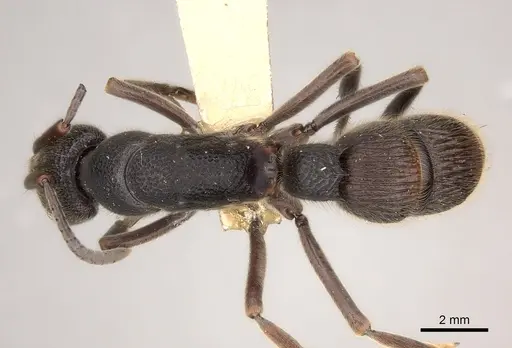
CASENT0270004
View on AntWeb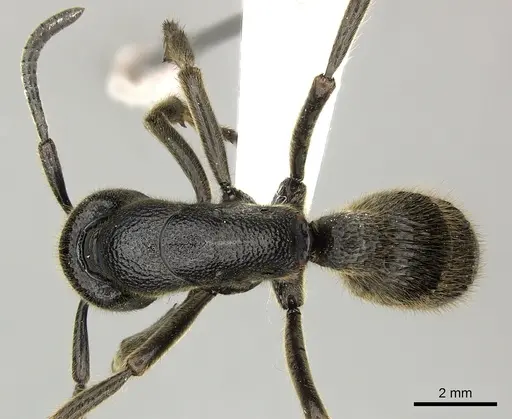
CASENT0634289
View on AntWeb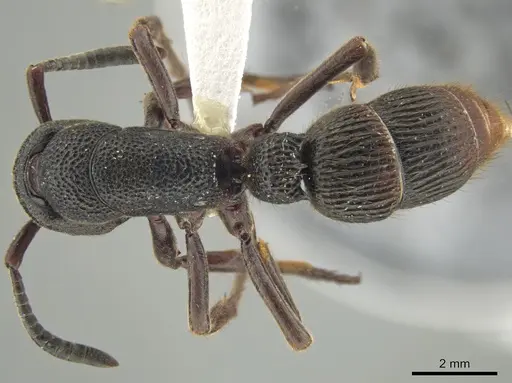
CASENT0901365
View on AntWeb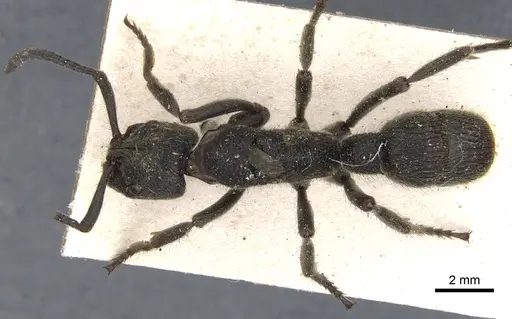
CASENT0902481
View on AntWeb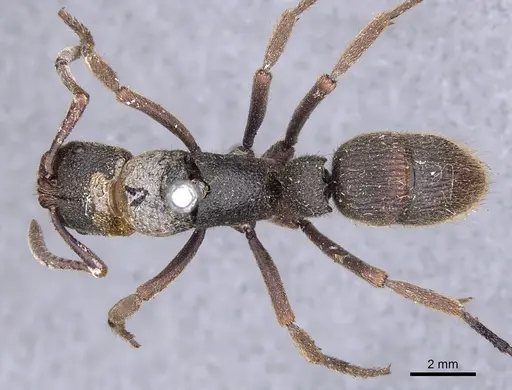
CASENT0907255
View on AntWeb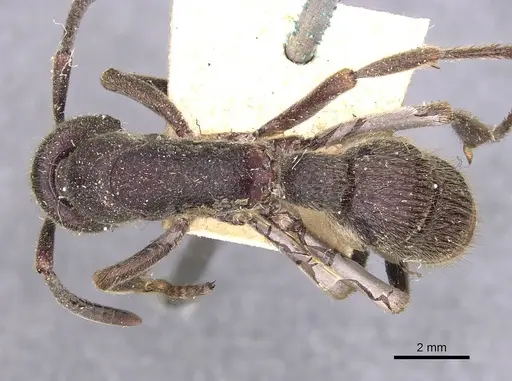
Literature
Loading...Loading products...