
Pseudoneoponera rufipes shows a January to October activity window. Peak activity occurs in August, with queen sightings distributed across 6 months. This extended season suggests multiple flight events or varying conditions across its range.
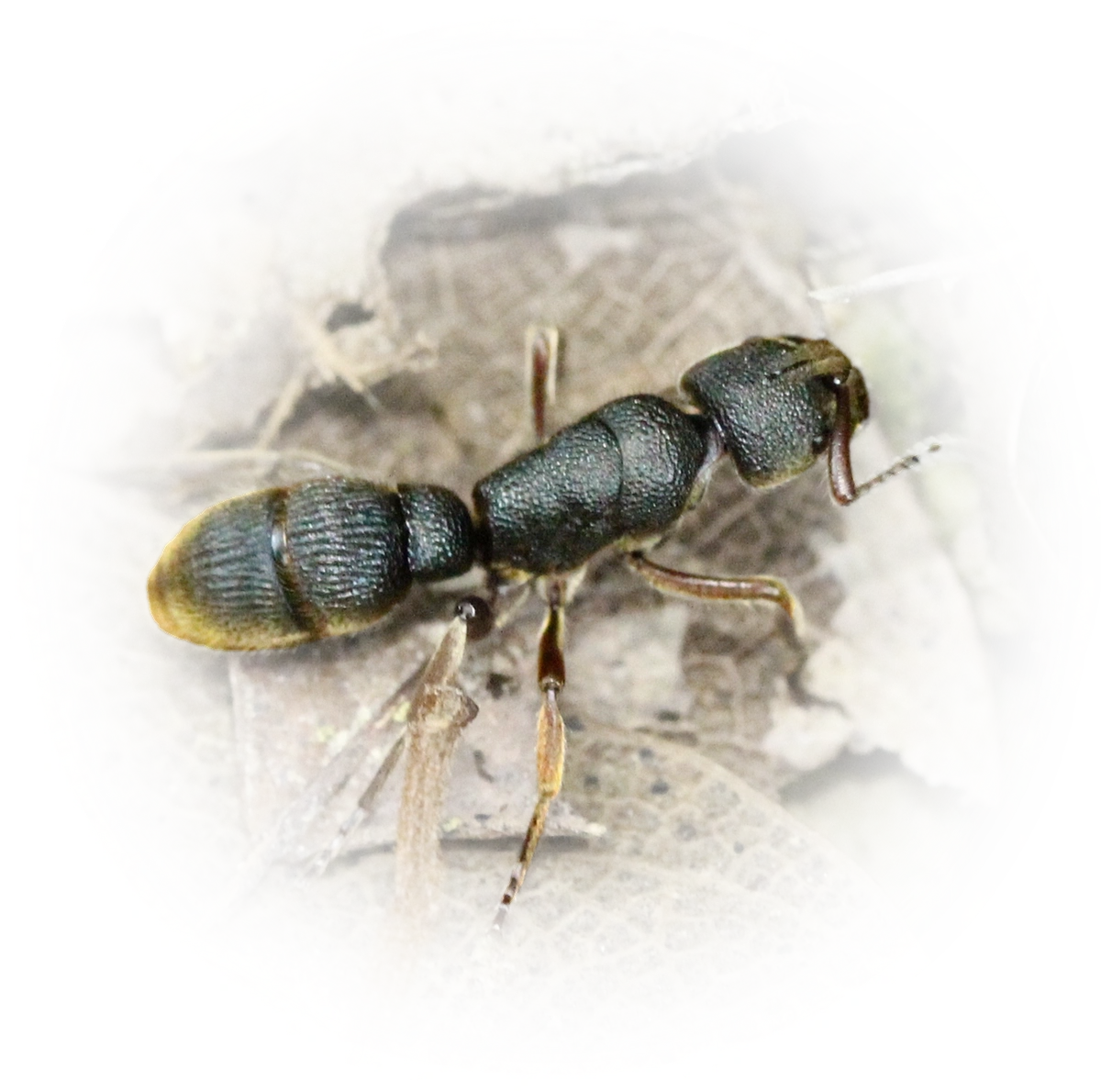
Pseudoneoponera rufipes
- Scientific Name
- Pseudoneoponera rufipes
- Tribe
- Ponerini
- Subfamily
- Ponerinae
- Author
- Jerdon, 1851
- Distribution
- Found in 8 countries
- Nuptial Flight
- from January to October, peaking in August
AI Identifiable
try →
Pseudoneoponera rufipes Overview
Pseudoneoponera rufipes is an ant species of the genus Pseudoneoponera. It is primarily documented in 8 countries , including China, Hong Kong, India. Detailed taxonomic data and occurrence records can be further explored via authoritative databases such as AntWeb or the Global Biodiversity Information Facility (GBIF).
The nuptial flight of Pseudoneoponera rufipes is a significant biological event, typically occurring from January to October, peaking in August. During this time, winged queens and males leave the nest to mate and establish new colonies.
Pseudoneoponera rufipes - "Red-footed Ponerine Ant"
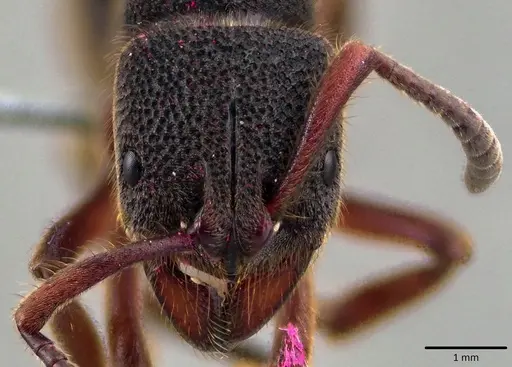
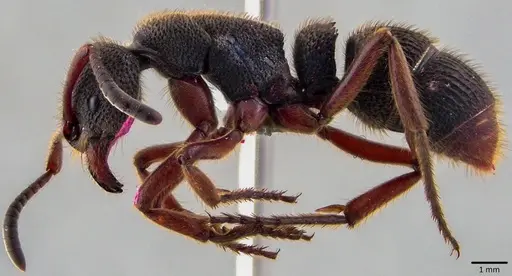
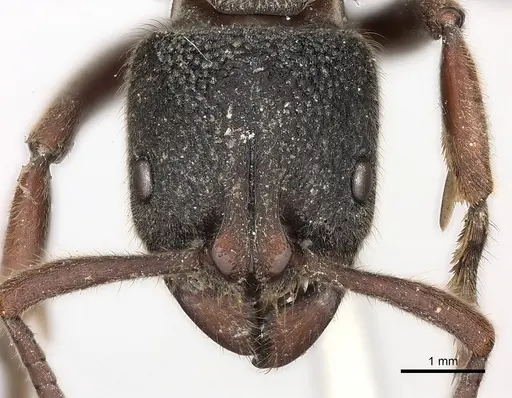
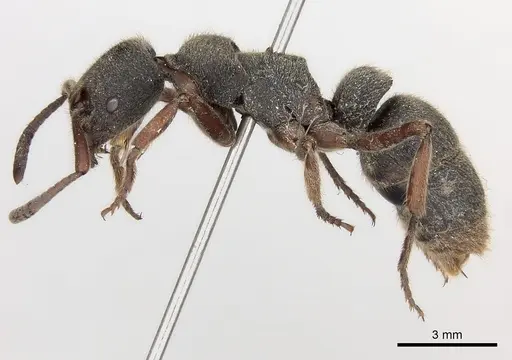
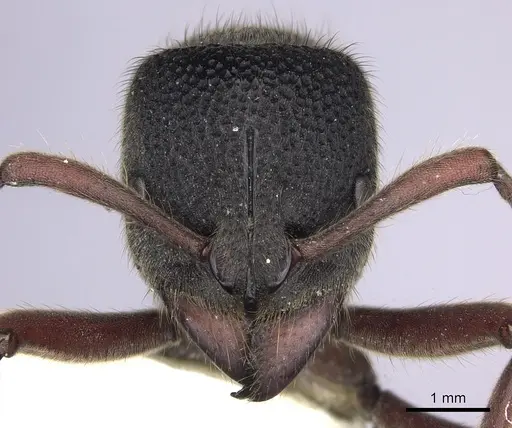
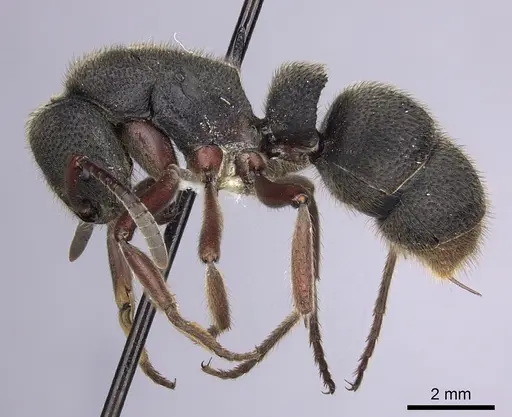
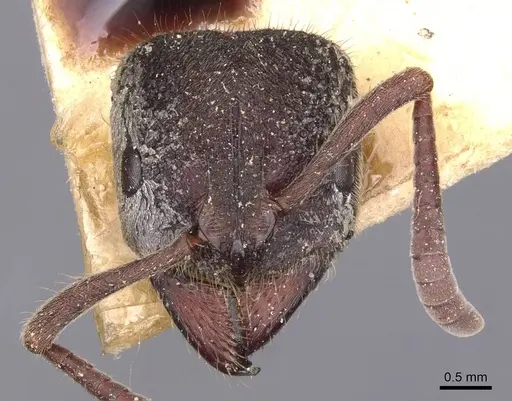
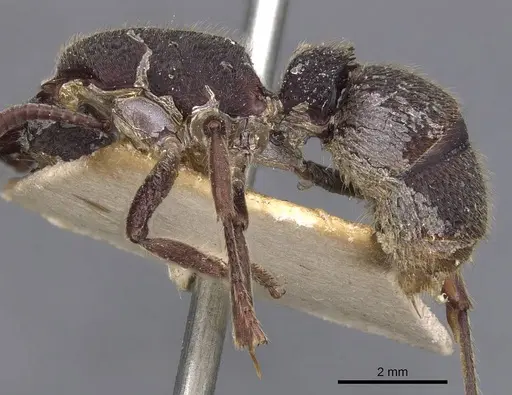
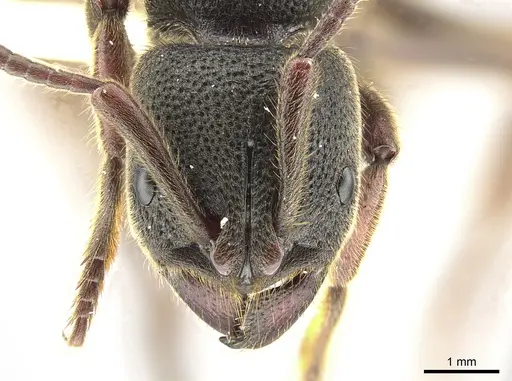
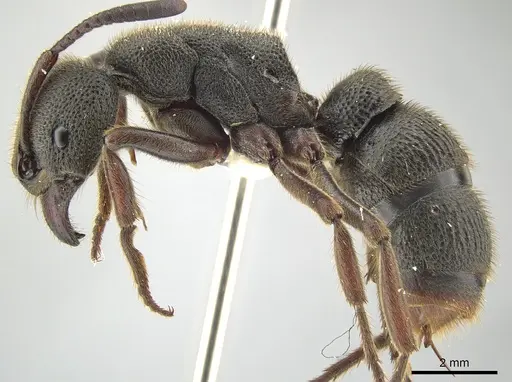
Pseudoneoponera rufipes, formerly known as Pachycondyla rufipes, is a striking large ant species from the Ponerinae subfamily. They are easily recognized by their dark, often black or dark brown bodies, contrasting with distinct reddish or reddish-brown legs, mandibles, and sometimes even the tip of their gaster, which gives them their 'rufipes' (red-footed) name. Workers typically measure between 8 to 16 mm, while the queens are a bit larger, ranging from 16 to 17 mm. These ants are primarily active during the night and twilight hours, though they can be observed during the day when they appear somewhat sluggish. A truly unique defense mechanism of this species is their ability to extrude a sticky, foam-like chemical secretion from their gaster when disturbed, which they use to entangle and neutralize threats.
- Difficulty: Hard
- Origin & Habitat: Southeast Asia (including India, China, Vietnam, Thailand, Sri Lanka, Pakistan, Nepal, Laos), and parts of Northern Australia. in Forests, tropical rainforests, and even urban areas, favoring humid environments. They typically nest hypogaeically (underground) in loamy soil, under rocks, or within decaying wood and leaf litter..
- Colony Type: Polygynous (with Gamergates possible), semi-claustral (the queen will often forage for food during the founding stage and may be responsible for many tasks until workers emerge). founding.
- Size & Growth:
- Queen: 16-17mm
- Worker: 8-16mm
- Colony: Small (tens to a few hundred workers, typically not exceeding 200).. Slow (workers develop quite slowly, with a full egg-to-worker cycle potentially taking up to 3 months). growth.
- Antkeeping:
- Temperature: For optimal development, maintain the nest area between 24-28°C. The outworld (arena) can have a slightly wider range of 21-30°C..
- Humidity: High humidity is crucial. The nest area should be kept at 60-80% humidity, while the outworld can be maintained at 60-70%..
- Diapause: Not required. Not specified at Not specified.
- Nesting: These ants prefer natural nesting setups that mimic their wild habitats. Formicaria made from soil, sand-loam, or even Ytong with an external outworld are ideal. They are known for building simple tunnels and chambers just below the surface. A critical consideration for keeping them is their inability to climb smooth surfaces like glass or plexiglass, so ensure adequate containment with appropriate materials or a textured climbing surface if using glass enclosures..
- Behavior: Medium (aggressive and territorial towards threats, but can be managed with careful handling). aggressiveness.
- Common Issues: Mold in nest (due to high humidity requirements), Mites (consider introducing springtails or woodlice to the substrate), Colony stalling (due to slow growth rate), Humidity fluctuations (critical for their well-being), Escape due to inability to climb smooth surfaces.
Queen Ant Activity Analysis 72 observations
Queen Activity by Hour 72 observations
Pseudoneoponera rufipes queen activity peaks around 07:00 during the morning. Activity is spread across a 16-hour window (06:00–21:00). Times may be influenced by human observation patterns.
One of the most captivating aspects of Pseudoneoponera rufipes is their remarkable defensive behavior. When threatened, these ants can eject a unique, sticky, foam-like substance from their gaster. This isn't just a simple spray; it's a potent chemical deterrent that can entangle and neutralize smaller threats, making them quite formidable despite their relatively calm daytime demeanor. Observing this fascinating defense mechanism in your formicarium is truly a highlight for any ant enthusiast.
Keeping Pseudoneoponera rufipes requires careful consideration of their specialized nesting habits. They are not adept at climbing smooth, slippery surfaces like glass or most acrylics. This means a standard glass test tube setup might not be ideal for founding colonies, and proper containment in your outworld is paramount. Opting for a formicarium with a substrate like sand-loam or coco fiber that allows them to dig their own tunnels, or using a nest made of Ytong, will cater best to their natural tendencies and prevent escapes. Always double-check your setup to ensure these clever ants can't find a way out!
The diet of Pseudoneoponera rufipes is quite varied, making them generalist predators and scavengers. In the wild, they hunt a wide range of arthropods and other invertebrates, but they will also readily accept various sweet foods. For captive colonies, a balanced diet including small live or blanched insects (like crickets, mealworms, or fruit flies) is essential for protein. Supplement this with honey water or sugary solutions to provide necessary carbohydrates. Offering a diverse food source will contribute significantly to the health and vitality of your colony.
Be prepared for a slower growth rate with these ponerine beauties. From egg to adult worker, the development can span up to three months, requiring a good deal of patience from the ant keeper. Unlike many temperate species, Pseudoneoponera rufipes is a tropical ant and does not require diapause (hibernation), meaning you can enjoy their activity year-round, provided stable warm and humid conditions are maintained.
Frequently Asked Questions
What kind of enclosure is best for a Pseudoneoponera rufipes colony?
These ants really thrive in a natural setup! Think soil or sand-loam formicariums, or even Ytong nests with an attached outworld. The key is providing a substrate they can dig into, as they can't climb smooth surfaces like glass or acrylic very well. A closed terrarium setup is often recommended to maintain the high humidity levels they require.
Do Pseudoneoponera rufipes sting or bite?
Yes, they do possess a functional sting. While they aren't overly aggressive, they will use it for defense. What's even more interesting is their unique ability to squirt a foamy, sticky substance from their gaster as a deterrent when they feel threatened. It's quite a sight to behold!
What should I feed my Red-footed Ponerine ants?
Pseudoneoponera rufipes are omnivorous predators. Their diet should consist mainly of protein, so offer small live or blanched insects like crickets, mealworms, or fruit flies. Don't forget their carbohydrates; honey water or a sugar solution will be gladly accepted. Providing a varied diet is key to a healthy colony!
Do these ants need to hibernate?
Good news for year-round ant activity! Pseudoneoponera rufipes are a tropical species, so they do not require diapause or hibernation. Just maintain their consistent warm temperatures and high humidity, and they'll keep going all year long.
How large do Pseudoneoponera rufipes colonies get?
Compared to some other popular species, P. rufipes colonies remain relatively small. They typically consist of tens to a couple of hundred workers, often topping out around 200. This smaller colony size can make them a great choice if you're looking for a less overwhelming setup.
Are they difficult to keep for a beginner ant keeper?
Pseudoneoponera rufipes are generally recommended for experienced ant keepers. Their specific requirements for high humidity, specialized nesting setups due to their inability to climb smooth surfaces, and slow colony development mean they present a bit more of a challenge than common beginner species. But for those ready for it, they are incredibly rewarding!
What's the 'gamergate' thing about with these ants?
Ah, gamergates! This is a fascinating aspect of their social structure. While they do have queens, Pseudoneoponera rufipes colonies can also feature 'gamergates' – workers that have mated and are capable of laying fertile eggs. This means that even if a queen isn't present or active, workers can take on a reproductive role, contributing to the colony's unique dynamics.
How fast do Pseudoneoponera rufipes colonies grow?
Patience is a virtue when it comes to P. rufipes growth. Their development from egg to a mature worker can take up to three months, making them a slow-growing species. Don't be discouraged if your colony's numbers don't explode overnight; slow and steady wins the race for these fascinating ants.

This caresheet is licensed under CC BY-SA 4.0 .
ANTWEB1041823
View on AntWeb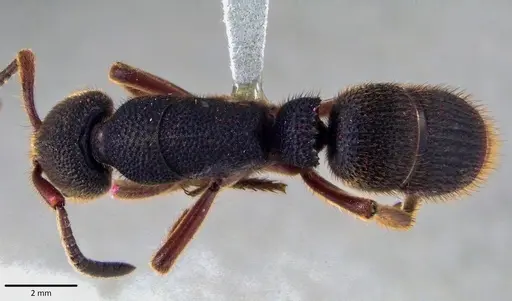
CASENT0217566
View on AntWeb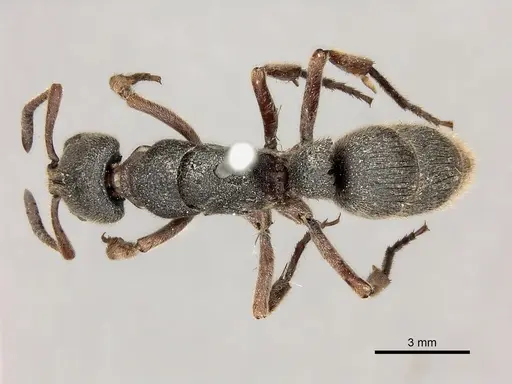
CASENT0249191
View on AntWeb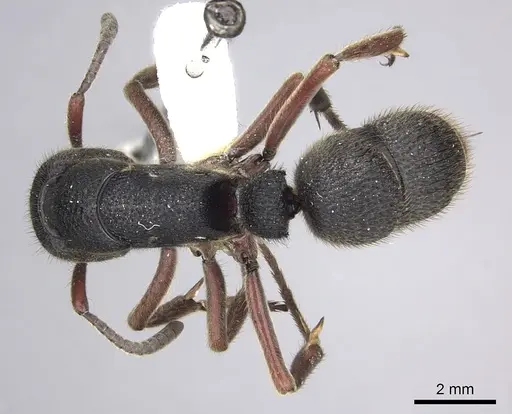
CASENT0907254
View on AntWeb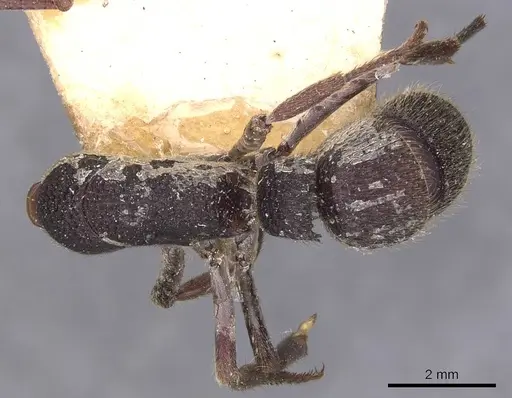
ZRC
View on AntWeb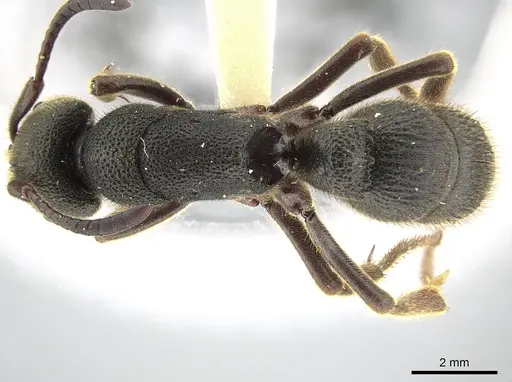
Literature
Loading...Loading products...