

Pseudoneoponera piliventris
- Scientific Name
- Pseudoneoponera piliventris
- Tribe
- Ponerini
- Subfamily
- Ponerinae
- Author
- Smith, 1858
- Distribution
- Found in 1 countries
Pseudoneoponera piliventris Overview
Pseudoneoponera piliventris is an ant species of the genus Pseudoneoponera. It is primarily documented in 1 countries , including Australia. Detailed taxonomic data and occurrence records can be further explored via authoritative databases such as AntWeb or the Global Biodiversity Information Facility (GBIF).
Pseudoneoponera piliventris
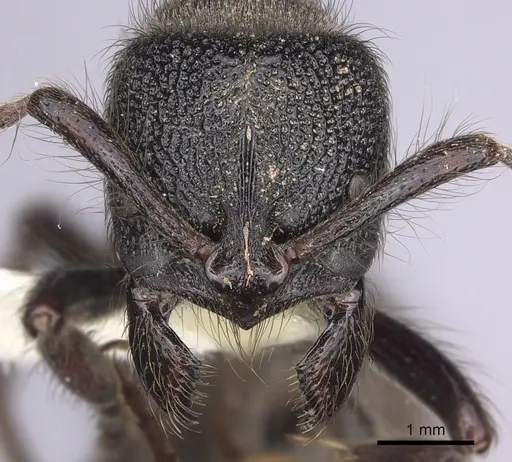
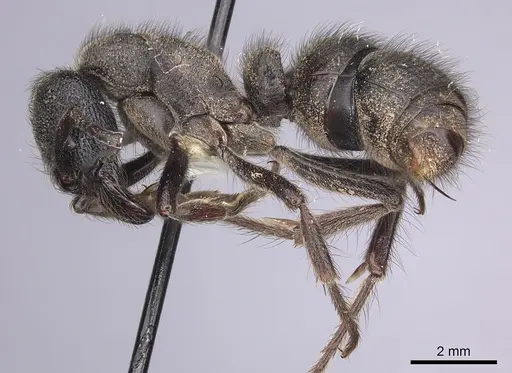
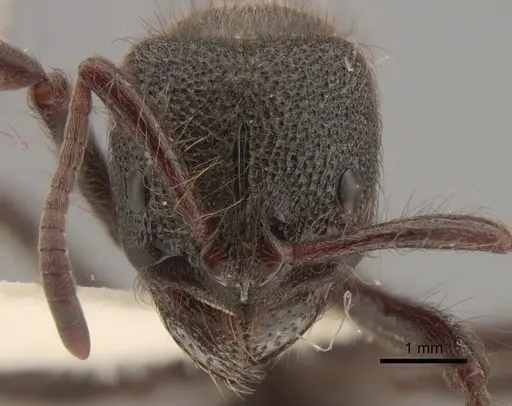
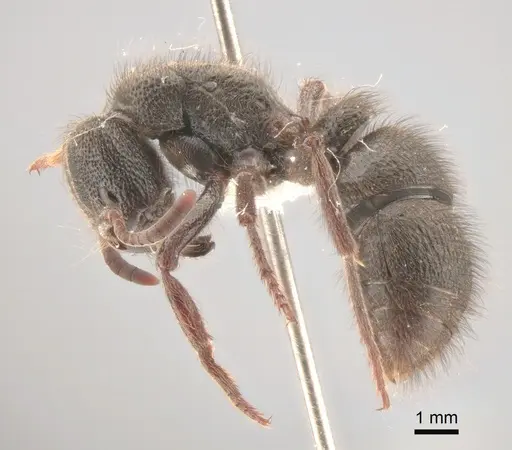
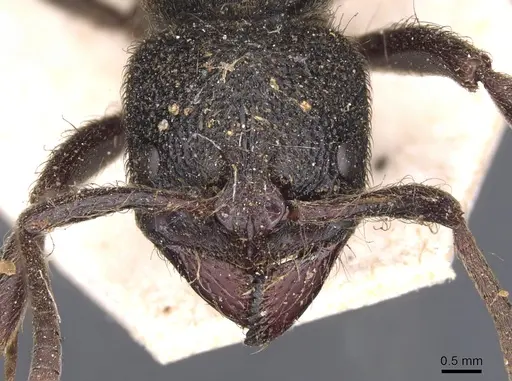
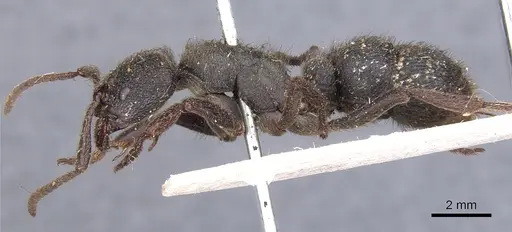
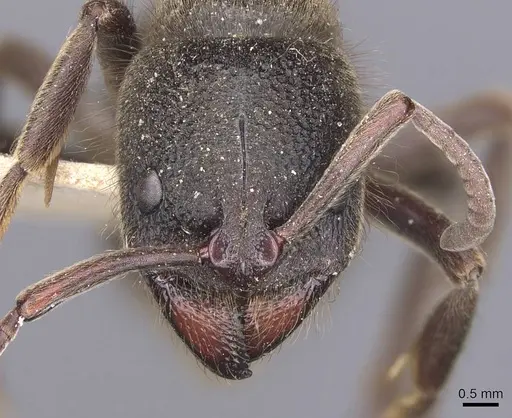
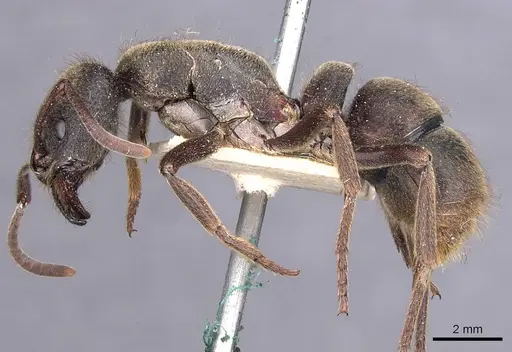
Pseudoneoponera piliventris is a large, impressive ant species native to Australia. Workers measure approximately 12-13mm in length, making them one of the larger Australian ant species [1]. They have a distinctive appearance with noticeable fine hairs (pubescence) covering their body, and their petiole (the narrow waist segment) has a ridge at the top that resembles a scale [2]. These ants are active ground-hunters, foraging on the soil surface for prey rather than climbing vegetation [3].
As a member of the Ponerinae subfamily, these ants possess a functional stinger and can deliver a painful sting if handled roughly. They are found across Australia's southern regions, particularly in the more inland parts of Western Australia and South Australia, including the Adelaide area where they were first described [1][3].
Quick Summary
- Difficulty: Medium
- Origin & Habitat: Endemic to Australia, particularly South Australia and Western Australia. Found in inland regions of the South Western Botanical Province. Nests in soil or under stones on the ground.
- Colony Type: Likely monogyne (single queen colonies) based on typical Ponerinae patterns, though colony structure is not well-documented for this species.
- Colony: Monogyne
- Size & Growth:
- Queen: Approximately 12-15mm (estimated, larger than workers)
- Worker: Approximately 12-13mm (6 lines) [1]
- Colony: Unknown for this species, likely several hundred workers based on typical Ponerinae colony sizes
- Growth: Moderate, Ponerinae typically grow more slowly than many common house ants
- Development: Estimated 8-12 weeks at optimal temperature based on typical Ponerinae development (Development time is estimated, actual timing may vary based on temperature and feeding. Ponerinae generally have longer development than Myrmicinae species.)
- Antkeeping:
- Temperature: Keep at 22-26°C. Australian species from temperate regions can tolerate slightly cooler temperatures, but warm conditions accelerate colony growth. Use a heating cable on one side of the nest to create a gradient if room temperature is below 22°C.
- Humidity: Moderate humidity around 50-70%. These ants come from inland Australian regions that are not extremely wet. Keep the nest substrate slightly moist but allow some drying between waterings. Avoid waterlogging.
- Diapause: Yes, Australian temperate species benefit from a cool period during winter. Reduce temperature to 15-18°C for 2-3 months during winter months (June-August in Northern Hemisphere).
- Nesting: Y-tong (AAC) nests work well for their size. They also do well in naturalistic setups with soil chambers or acrylic nests with appropriate chamber sizes. Provide a damp substrate they can burrow into.
- Behavior: These are defensive, ground-hunting ants with a powerful sting. Workers forage individually on the ground surface, hunting for prey rather than tending aphids or collecting honeydew. They are not aggressive toward humans unless their nest is disturbed, but they will defend vigorously if threatened. Their large size and potent sting make them a species best suited for intermediate to experienced antkeepers. Escape prevention is straightforward due to their size, standard barriers work well.
- Common Issues: colonies can stall if temperatures are too cool, keep warm to maintain growth, their potent sting makes them risky for households with curious children or pets, slow development compared to common ants can frustrate beginners, wild-caught colonies may have parasites that affect survival in captivity, overfeeding can lead to mold issues in the nest
Housing and Nest Setup
Pseudoneoponera piliventris is a large ant that needs appropriately sized housing. Y-tong (AAC) nests work excellently for this species, providing the narrow chambers and tight spaces these ants prefer. Acrylic nests with chambers sized for 12-13mm ants are also suitable. For a founding colony (queen alone), a test tube setup with a water reservoir works well for the first few months. Once the colony reaches 10-20 workers, you can move them to a proper formicarium. The outworld (foraging area) should be spacious enough for workers to hunt and dispose of prey remains. Use standard escape prevention, while their large size makes escapes less likely than tiny ants, they can still climb smooth surfaces. [1][3]
Feeding and Diet
As Ponerinae ants, these are primarily predatory hunters. In captivity, they readily accept live prey such as mealworms, crickets, and other appropriately sized insects. Prey should be no larger than about one-third of the worker size, for this species, that means prey items around 4-5mm are ideal. Some colonies may accept protein-based commercial ant foods, but live prey gives the best results. Feed them 2-3 times per week for established colonies, removing any uneaten prey after 24-48 hours to prevent mold. Sugar water or honey can be offered occasionally, but protein-rich prey should form the bulk of their diet. Unlike many ants, they do not tend aphids for honeydew as a primary food source. [3]
Temperature and Seasonal Care
Maintain temperatures between 22-26°C for optimal colony development. These ants come from temperate Australia and can tolerate a range of conditions, but warmer temperatures speed up brood development. During the winter months (or a simulated winter), reduce temperatures to 15-18°C for 2-3 months. This cool period mimics their natural seasonal cycle and helps maintain colony health long-term. Do not cool them below 10°C or expose them to freezing temperatures. If your room temperature is naturally in this range during winter, you may not need to artificially cool them. Monitor colony activity, if workers become sluggish and cluster together, the temperature is likely too cool. [3]
Handling and Safety
This species has a functional stinger and can deliver a painful sting if threatened. While they are not aggressive toward humans under normal circumstances, they will defend their nest vigorously if disturbed. When working with them, move slowly and avoid poking at the nest. If you need to relocate them, coax them into a container rather than grabbing them. The sting pain level is moderate to significant, comparable to a bee sting. Keep this in mind when choosing where to house your colony. They are not suitable for antkeepers who are allergic to insect stings or for households where curious children might try to handle the ants. [2]
Colony Development
Ponerinae colonies typically grow more slowly than many common ant species. Expect your queen to remain alone for 2-4 months before the first workers (nanitics) emerge. These first workers will be smaller than mature workers but will immediately begin helping with hunting and brood care. Colony growth accelerates once you have 10-20 workers, as more foragers means more successful hunts. A healthy colony may reach 100+ workers within 1-2 years under good conditions. Unlike some ants, Ponerinae colonies do not have supercolonial tendencies, each colony remains independent with one queen. Queens are long-lived, potentially living several years, so colonies can grow substantial over time.
Acquiring Your Colony
This species is not commonly available in the antkeeping hobby compared to species like Camponotus or Lasius. If you find a colony for sale, it will likely be from a specialized breeder or as a wild-caught queen. If collecting a queen from the wild in Australia, look for claustral or semi-claustral founding behavior, queens may be found under stones or in soil during the warmer months. Never release captive ant colonies into the wild in non-native areas, and even in Australia, it's best to not relocate ants from their native region to prevent spreading diseases or parasites to local populations. [1]
Frequently Asked Questions
Does Pseudoneoponera piliventris have a sting?
Yes. As a member of the Ponerinae subfamily, this species has a functional stinger and can deliver a painful sting. Handle them with care and avoid disturbing the nest.
How long does it take for Pseudoneoponera piliventris to produce first workers?
Expect 2-4 months from founding to first workers emerging. This is typical for Ponerinae species, which generally develop more slowly than common house ants. The exact timing depends on temperature and feeding.
What do Pseudoneoponera piliventris ants eat?
They are predatory ants that hunt live prey. Feed them appropriately sized insects like mealworms, small crickets, and fruit flies. Prey should be roughly one-third the worker size. Some colonies may accept sugar water or honey occasionally.
Can I keep Pseudoneoponera piliventris in a test tube?
Yes, a test tube setup works well for a founding colony. Use a test tube with a water reservoir and cotton plug, keeping it horizontal with the cotton end slightly elevated. Once the colony reaches 10-20 workers, transfer to a proper formicarium.
Do Pseudoneoponera piliventris need hibernation?
Yes, they benefit from a cool period. Reduce temperatures to 15-18°C for 2-3 months during winter. This mimics their natural Australian temperate climate and helps maintain long-term colony health.
How big do Pseudoneoponera piliventris colonies get?
Colony size is not well-documented for this species, but based on typical Ponerinae patterns, expect several hundred workers at maturity. Growth is moderate, a healthy colony may reach 100+ workers within 1-2 years.
Is Pseudoneoponera piliventris good for beginners?
This species is best suited for intermediate antkeepers. Their slow development, specific dietary needs, and potent sting make them more challenging than beginner species like Lasius or Camponotus. They are not recommended as a first ant species.
What temperature is best for Pseudoneoponera piliventris?
Keep them at 22-26°C. Warmer temperatures within this range speed up brood development. A heating cable on one side of the nest can create a temperature gradient if your room is cooler.
Where is Pseudoneoponera piliventris found in the wild?
This species is endemic to Australia, specifically South Australia and Western Australia. They were first described from Adelaide and are found in inland regions of the South Western Botanical Province.
Will Pseudoneoponera piliventris queens fight?
Ponerinae queens are typically territorial and will fight if two are placed together. Unless you have experience with pleometrosis (multiple queen founding), keep only one queen per colony. Combining unrelated queens is not recommended.
References

This caresheet is licensed under CC BY-SA 4.0 .
CASENT0249188
View on AntWeb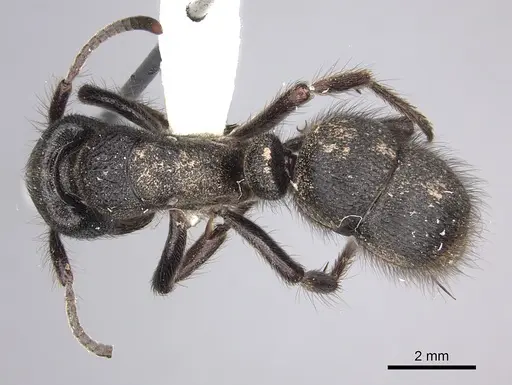
CASENT0886709
View on AntWeb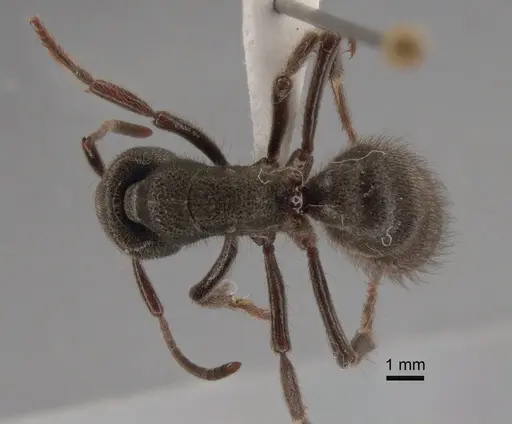
CASENT0902500
View on AntWeb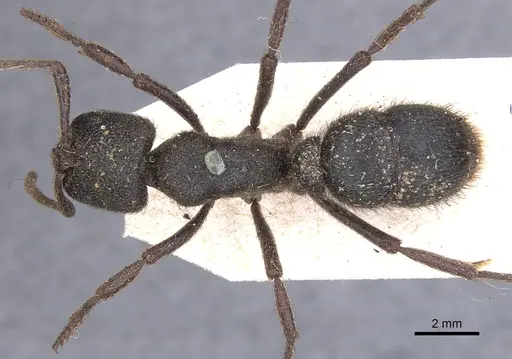
CASENT0907258
View on AntWeb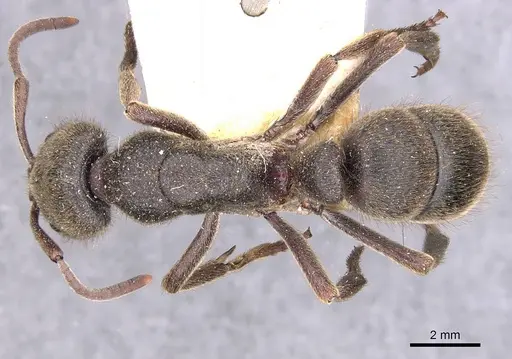
Literature
Loading...Loading products...