

Pseudoneoponera denticulata
- Scientific Name
- Pseudoneoponera denticulata
- Tribe
- Ponerini
- Subfamily
- Ponerinae
- Author
- Kirby, 1896
- Distribution
- Found in 1 countries
Pseudoneoponera denticulata Overview
Pseudoneoponera denticulata is an ant species of the genus Pseudoneoponera. It is primarily documented in 1 countries , including Australia. Detailed taxonomic data and occurrence records can be further explored via authoritative databases such as AntWeb or the Global Biodiversity Information Facility (GBIF).
Pseudoneoponera denticulata
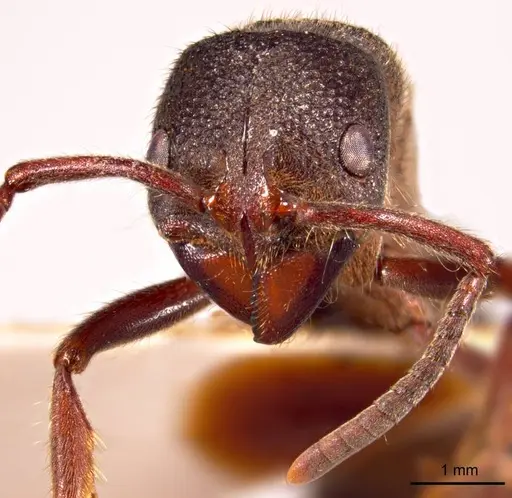
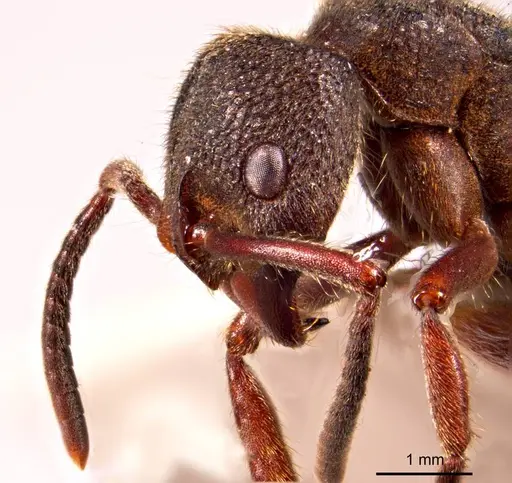
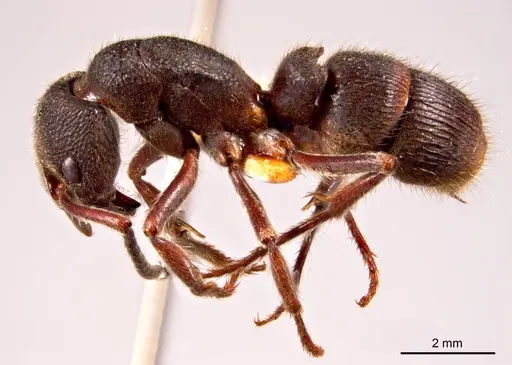
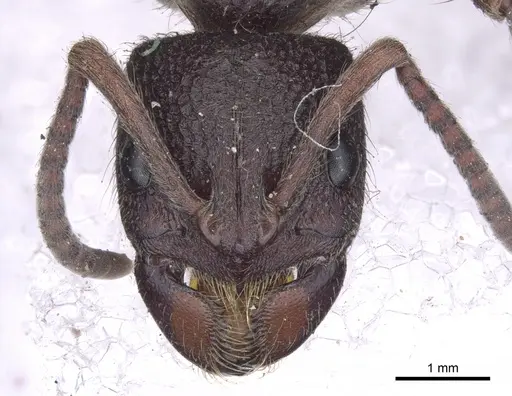
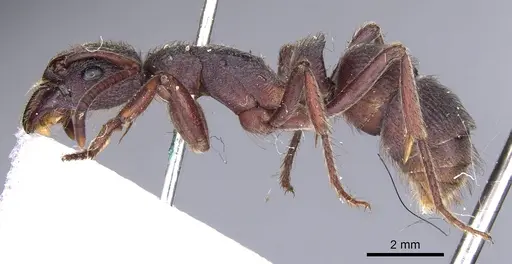
Pseudoneoponera denticulata is an Australian ponerine ant belonging to the subfamily Ponerinae, tribe Ponerini [1]. Workers are predatory and equipped with a functional stinger, typical of the Ponerinae subfamily. The species was originally described as Pseudoneoponera denticulata by Kirby in 1896 from South Australia, with the type locality at Blood Creek [1]. The species has undergone taxonomic revisions, moving through Pachycondyla before being placed in Pseudoneoponera in 2014. These ants are native to Australia, particularly found in South Australia and Western Australia regions [1].
This species represents the typical Australian ponerine ant morphology, robust workers with powerful mandibles adapted for capturing and subduing prey. As a Ponerinae species, they are active hunters rather than seed-collectors or honeydew-seekers. The genus Pseudoneoponera contains several Australian species, and while specific behavioral data for P. denticulata is limited, they can be inferred to follow typical Ponerine patterns of solitary foraging and ground-nesting behavior.
Quick Summary
- Difficulty: Medium
- Origin & Habitat: Native to Australia, specifically found in South Australia and Western Australia. The species was described from the Blood Creek area in South Australia [1]. As an Australian ant, they likely inhabit temperate to subtropical regions with seasonal temperature variations.
- Colony Type: Colony structure is unconfirmed. Ponerine ants typically establish single-queen colonies, but specific data on queen number for this species is not available.
- Size & Growth:
- Queen: Estimated 10-12mm based on genus-level patterns for Pseudoneoponera species
- Worker: Estimated 8-12mm based on genus-level patterns for Pseudoneoponera
- Colony: Unknown, no colony size data available for this species
- Growth: Moderate, Ponerine ants typically develop at moderate rates compared to faster-growing Formicinae
- Development: Estimated 8-12 weeks at optimal temperature based on typical Ponerinae development (Development time is inferred from related Ponerinae species. Actual timing may vary based on temperature and conditions.)
- Antkeeping:
- Temperature: Keep at 22-26°C. Australian species can tolerate room temperature in most climates but benefit from gentle warming. Avoid temperatures below 18°C or above 30°C
- Humidity: Moderate humidity around 50-70%. Provide a moist nesting area but ensure ventilation to prevent mold. Ponerinae prefer stable, moderately humid conditions
- Diapause: Likely requires a winter rest period of 8-12 weeks at 10-15°C, consistent with Australian temperate species
- Nesting: Natural nesting occurs in soil, often under stones or in decaying wood. In captivity, a naturalistic setup with soil substrate and flat stones for cover works well. Y-tong or plaster nests with moisture chambers are also suitable
- Behavior: Ponerine ants are typically solitary foragers, hunting small invertebrates rather than recruiting en masse to food sources. Workers are equipped with stingers and can deliver painful stings if threatened. They are not aggressive toward humans unless disturbed but will defend their nest. Escape risk is moderate, ensure enclosures have secure lids. Activity levels are typically diurnal, with workers foraging individually across the substrate
- Common Issues: slow colony growth can frustrate beginners, Ponerinae develop more slowly than many common ant species, stinging risk, workers have functional stingers and will use them if threatened or handled roughly, limited availability, this is not a common species in the antkeeping hobby, making colonies difficult to acquire, humidity management is critical, too wet causes mold, too dry causes desiccation and brood death, wild-caught colonies may carry parasites that can devastate captive colonies
Housing and Nest Setup
Pseudoneoponera denticulata can be housed in various setups, but naturalistic terrariums tend to work best for this species. A setup with a soil substrate layer of at least 5cm allows workers to dig and create chambers. Flat stones or pieces of bark placed on the surface provide cover and mimic their natural under-stone nesting sites. The outworld should have a water dish and space for foraging.
For those preferring formicaria, Y-tong (AAC) nests or plaster nests with moisture chambers work well. The key is providing a humid nesting area that stays consistently moist but never waterlogged. A hydration chamber connected to the nest area helps maintain appropriate humidity. Ensure any setup has excellent escape prevention, while not tiny, these ants will exploit any gaps in the enclosure. [1]
Feeding and Diet
As a Ponerine ant, P. denticulata is primarily predatory. In captivity, offer small live invertebrates such as fruit flies, small crickets, mealworms, and other appropriately-sized prey. Prey items should be no larger than the ant's head to prevent overwhelming workers.
Feed prey 2-3 times per week, adjusting based on colony size and consumption. Remove uneaten prey after 24-48 hours to prevent mold and pest issues. While not sugar-dependent like some Formicinae, occasional offering of a small amount of honey or sugar water may be accepted, but protein-rich prey should form the bulk of their diet. A varied diet helps ensure proper nutrition for brood development.
Temperature and Seasonal Care
Maintain temperatures between 22-26°C for optimal colony activity and brood development. Australian species can tolerate brief temperature fluctuations, but prolonged cold or excessive heat should be avoided. A heating cable on one side of the nest creates a temperature gradient, allowing ants to self-regulate.
During winter months (roughly June-August in the Southern Hemisphere), consider reducing temperatures to 10-15°C for 8-12 weeks to simulate their natural seasonal cycle. This winter rest period supports colony health and may trigger reproductive behavior in spring. Do not hibernate colonies below 5°C or above 15°C, as either extreme can be harmful.
Handling and Safety
Pseudoneoponera denticulata workers possess functional stingers, a characteristic of the Ponerinae subfamily. While not typically aggressive, they will sting if threatened, handled roughly, or if their nest is disturbed. The sting is reported to be painful and may cause localized swelling in sensitive individuals.
When working with this species, use gentle, slow movements and avoid handling workers directly. If colony transfers are necessary, use soft brushes or allow workers to walk into new setups rather than shaking or pouring them. Keep enclosures away from reach of children and pets. Wash hands after any contact, and seek medical attention if allergic reactions occur. [1]
Colony Acquisition and Legal Considerations
This species is not commonly available in the antkeeping hobby, making acquisition challenging. Wild collection in Australia requires appropriate permits, and many Australian regions have strict regulations regarding native insect collection. Check local wildlife regulations before attempting to collect or import this species.
If available from breeders, expect higher prices than common species due to limited availability. Always source from ethical breeders who maintain established colonies rather than wild-caught specimens when possible. Never release captive colonies into non-native environments, in Australia, this species should only be kept within its natural range or with proper authorization. [1]
Frequently Asked Questions
Does Pseudoneoponera denticulata have a sting?
Yes. As a member of the subfamily Ponerinae, this species has a functional stinger. Workers will use it defensively if threatened, and the sting can be painful and cause localized swelling. Handle with care and avoid direct contact [1].
How long does it take for Pseudoneoponera denticulata to develop from egg to worker?
Estimated 8-12 weeks at optimal temperature based on typical Ponerinae development patterns. Actual development time depends on temperature, humidity, and nutrition availability. Ponerine ants generally develop more slowly than many common ant species.
Is Pseudoneoponera denticulata good for beginners?
This species is rated as medium difficulty and may not be ideal for complete beginners. Ponerine ants have specific humidity requirements, slower growth rates than species like Lasius or Camponotus, and can deliver painful stings. However, experienced keepers looking for something different may find them rewarding.
What do Pseudoneoponera denticulata ants eat?
They are primarily predatory, feeding on small invertebrates like fruit flies, small crickets, and mealworms. Offer appropriately-sized live prey 2-3 times per week. Occasional sugar water or honey may be accepted but should not be the primary food source.
Do Pseudoneoponera denticulata ants need hibernation?
Likely yes. As an Australian species from temperate regions, they probably benefit from a winter rest period of 8-12 weeks at 10-15°C. This mimics their natural seasonal cycle and supports colony health.
How big do Pseudoneoponera denticulata colonies get?
Colony size data is not available for this specific species. Based on typical Ponerinae patterns, colonies likely reach several hundred workers over several years. They are not among the largest ant species.
Can I keep multiple queens together?
Colony structure is unconfirmed for this species. Ponerine ants typically have single-queen colonies, but multiple-queen arrangements have been observed in some Ponerinae. Without specific data, keeping multiple unrelated queens together is not recommended.
Is Pseudoneoponera denticulata aggressive?
They are not typically aggressive toward humans but will defend their nest if threatened. Workers are solitary foragers rather than aggressive defenders. However, they possess stingers and will use them if handled roughly or if the nest is disturbed.
Where is Pseudoneoponera denticulata found?
This species is native to Australia, specifically found in South Australia and Western Australia. The type locality is Blood Creek in South Australia [1].
References

This caresheet is licensed under CC BY-SA 4.0 .
ANTWEB1008687
View on AntWeb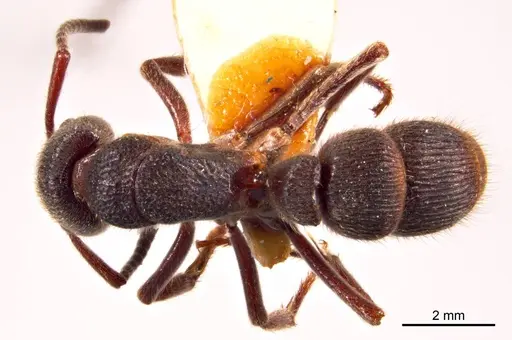
CASENT0902502
View on AntWeb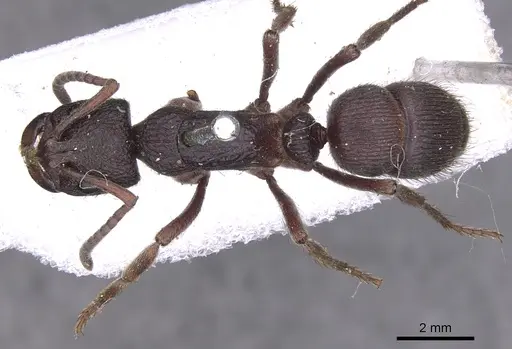
Literature
Loading...Loading products...