

Pseudoneoponera bispinosa
- Scientific Name
- Pseudoneoponera bispinosa
- Tribe
- Ponerini
- Subfamily
- Ponerinae
- Author
- Smith, 1858
- Distribution
- Found in 1 countries
Pseudoneoponera bispinosa Overview
Pseudoneoponera bispinosa is an ant species of the genus Pseudoneoponera. It is primarily documented in 1 countries , including India. Detailed taxonomic data and occurrence records can be further explored via authoritative databases such as AntWeb or the Global Biodiversity Information Facility (GBIF).
Pseudoneoponera bispinosa
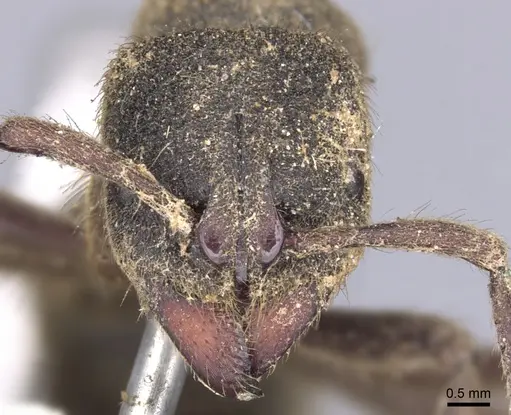
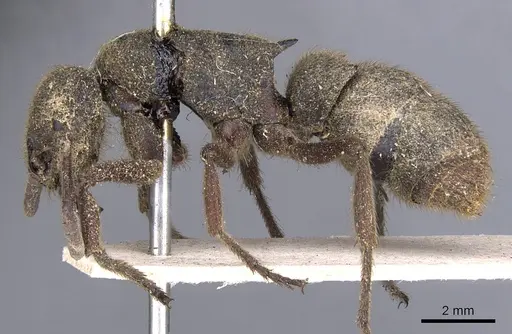
Pseudoneoponera bispinosa is a large predatory ant native to South and Southeast Asia. Workers measure 16-18mm, making them one of the larger ponerine ants you'll encounter. They are dark in color with distinctive blunt spines on the metanotum (the middle body section) pointing backwards and upwards, this is their key identifying feature. These ants are specialist predators, actively hunting small invertebrates rather than scavenging or farming honeydew. When threatened, they produce a foamy secretion from their abdomen (gaster) as a defense mechanism, similar to their close relative P. rufipes [1]. They inhabit the Himalayan region and surrounding areas at elevations between 500-1000m, appearing during warm months from spring through autumn but remaining inactive during winter [2][3].
Quick Summary
- Difficulty: Medium
- Origin & Habitat: Native to the Indomalaya region (India, Nepal) and southern China. Found across the Himalayan foothills including Punjab Shivalik, Uttarakhand, West Bengal, and Nepal's Tanahun district at around 530m elevation. They prefer forested areas and are active during warmer seasons [4][5][6].
- Colony Type: Likely monogyne (single queen colony) based on typical Ponerinae patterns, though colony structure has not been specifically documented for this species.
- Colony: Monogyne
- Founding: Semi-claustral
- Size & Growth:
- Queen: Unconfirmed, likely similar to workers at 16-18mm based on genus patterns
- Worker: 16-18mm [1]
- Colony: Unknown, likely moderate colonies typical of Ponerinae predators
- Growth: Moderate, estimated based on similar large ponerines
- Development: Estimated 8-12 weeks at optimal temperature based on related Ponerinae species (Development time is estimated as no specific data exists for this species)
- Antkeeping:
- Temperature: Keep at 22-26°C. They are adapted to temperate-to-warm Himalayan conditions and need moderate warmth. A heating cable on one side of the nest can create a gradient [2].
- Humidity: Moderate to high humidity, they naturally inhabit damp forest floor environments. Keep the nest substrate moist but not waterlogged, with some drier areas available.
- Diapause: Yes, they are not found during winter months (November-February) in their native range, indicating a winter rest period is needed [3].
- Nesting: In nature they likely nest in soil or under stones in forest floor habitats. In captivity, a naturalistic setup with soil substrate or a Y-tong (AAC) nest with moist chambers works well. They prefer tight, enclosed spaces.
- Behavior: These ants are active hunters with a potent sting. They are defensive and will attack if threatened, use caution when handling. Workers are large and relatively slow-moving compared to smaller ants. They produce a foamy defensive secretion when disturbed. Escape risk is moderate due to their size, standard barriers are usually sufficient, but ensure lids fit tightly [1].
- Common Issues: potent sting, handle with care, some keepers report painful stings from this species, specialized diet, they need live prey, not all-in-one commercial ant foods, winter dormancy failure, colonies that aren't allowed to cool down in winter often struggle, slow colony growth, beginners may lose patience and overfeed, leading to mold issues, escape prevention, while not tiny, their powerful sting means you don't want workers getting out
Housing and Nest Setup
Pseudoneoponera bispinosa needs a nest that maintains stable humidity. A Y-tong (acrylic) nest with moist chambers works well, or you can use a naturalistic setup with a soil-filled container. These ants prefer dark, enclosed spaces, avoid bright lighting near the nest. Since they are larger ants, ensure chambers are appropriately sized. Place the nest in an area where temperatures stay in the 22-26°C range. The outworld (foraging area) should have space for hunting and a water source. Use a test tube setup for founding colonies, transitioning to a larger nest once the colony reaches 20-30 workers. [2][1]
Feeding and Diet
As specialist predators, these ants need live prey. Offer small insects like fruit flies, small crickets, mealworms, and other small arthropods. Prey should be appropriately sized, no larger than the ant's head. They will likely accept protein-rich foods but typically ignore sugar sources. Feed every 2-3 days, removing uneaten prey to prevent mold. A constant water source is essential. Unlike many ants, they are not interested in honey or sugar water, their diet is primarily predatory. [2]
Temperature and Seasonal Care
Maintain temperatures between 22-26°C during the active season. They naturally experience seasonal temperature changes in their Himalayan habitat, so a winter cooling period is important. From roughly November to February (or when temperatures drop below 15°C), reduce heating and allow the colony to enter dormancy. During this period, they will be less active and need minimal feeding, perhaps once every 2-3 weeks. Do not feed heavily during dormancy. In summer, they are active hunters and will accept more food. Avoid temperature extremes, they are not adapted to very hot conditions. [3][2]
Defense and Handling
This species has a potent sting and produces a foamy defensive secretion when threatened. Workers are not aggressive toward prey but will defend the nest vigorously. When working with the colony, use red light or work quickly but carefully. If you need to move the colony, wait until most workers are in the nest chamber before closing the lid. Never handle these ants with bare hands, use soft tools like brushes or let them walk onto a piece of paper. The sting pain level is significant for larger species in this genus, comparable to a bee sting. [1]
Colony Development
Colony growth is moderate, expect 6-12 months from founding to reach 30-50 workers. The first workers (nanitics) will be smaller but grow quickly with regular feeding. Ponerinae colonies typically don't reach the massive sizes of some Formicinae or Myrmicinae species, a mature colony might reach a few hundred workers. Queens are likely semi-claustral, meaning they will need to leave the nest to hunt for food during the founding stage. This is different from claustral species that survive entirely on stored fat. Monitor the founding chamber closely and offer small prey items once the first eggs appear.
Common Problems
The biggest mistake keepers make with this species is offering inappropriate food. They are predators that need live prey, commercial ant foods designed for omnivorous species will be ignored. Another common issue is failing to provide winter cooling. Without a dormancy period, colonies often decline. Mold is also a risk if you overfeed or keep the nest too wet. Finally, while they are large ants, they can still squeeze through small gaps, check all barriers regularly. If workers appear sluggish and the colony stops growing, check temperature, humidity, and food quality. [3]
Frequently Asked Questions
Does Pseudoneoponera bispinosa have a sting?
Yes, this is a Ponerine ant with a functional stinger. Their sting is potent and can be painful, comparable to a bee sting. Handle with caution and avoid letting them walk on bare skin. They also produce a foamy defensive secretion when disturbed [1].
What do Pseudoneoponera bispinosa ants eat?
They are specialist predators that need live prey. Feed small insects like fruit flies, small crickets, mealworms, and other tiny arthropods. They typically ignore sugar sources like honey or sugar water. Prey should be appropriately sized, no larger than the ant's head [2].
How long does it take for Pseudoneoponera bispinosa to develop from egg to worker?
Exact development time is unconfirmed for this species. Based on related Ponerinae ants, expect 8-12 weeks at optimal temperature (around 24°C). The first workers (nanitics) will be smaller but grow quickly with regular feeding.
Do Pseudoneoponera bispinosa need hibernation?
Yes, they appear to require a winter rest period. In their native Himalayan habitat, they are not found during winter months (roughly November-February). Reduce temperatures to around 15°C and feed minimally during this period [3].
Are Pseudoneoponera bispinosa good for beginners?
This species is rated as Medium difficulty. While not the hardest ant to keep, they have specific needs: live prey diet, seasonal cooling, and a potent sting. They are better suited for keepers who already have some experience with predatory ants. Their specialized diet and sting make them a step up from easier species.
How big do Pseudoneoponera bispinosa colonies get?
Colony size is not well documented, but based on typical Ponerinae patterns, expect moderate colonies of perhaps 100-500 workers. They are not among the largest ant species, and their predatory lifestyle limits how large colonies can grow.
Can I keep multiple Pseudoneoponera bispinosa queens together?
This is not recommended. Like most Ponerinae, they are likely monogyne (single queen) species. Combining unrelated queens has not been documented and would likely result in fighting. Start with one founding queen.
What temperature is best for Pseudoneoponera bispinosa?
Keep them at 22-26°C during the active season. They are adapted to temperate Himalayan conditions and prefer moderate warmth. A heating cable on one side of the nest can create a temperature gradient, but avoid overheating. Room temperature in most homes is often suitable.
Where is Pseudoneoponera bispinosa found in the wild?
They are native to the Himalayan region including India, Nepal, and southern China. Recorded locations include Punjab Shivalik, Uttarakhand, West Bengal, Arunachal Pradesh, and Nepal's Tanahun district at elevations around 500-1000m [4][5].
Why is my Pseudoneoponera bispinosa colony declining?
Common causes include: wrong food (they need live prey, not commercial ant food), no winter cooling, too wet or too dry nest conditions, or temperatures outside their 22-26°C range. Check each of these factors. Also ensure you are not overfeeding, uneaten prey causes mold. If the colony is new, the queen may still be establishing and some founding failure is normal.
References

This caresheet is licensed under CC BY-SA 4.0 .
CASENT0902480
View on AntWeb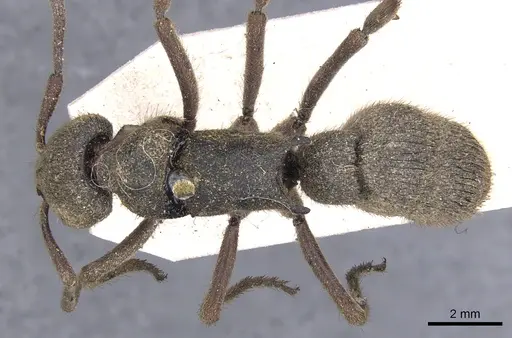
Literature
Loading...Loading products...