

Pseudomyrmex veracruzensis
- Scientific Name
- Pseudomyrmex veracruzensis
- Tribe
- Pseudomyrmecini
- Subfamily
- Pseudomyrmecinae
- Author
- Ward & Branstetter, 2022
- Distribution
- Found in 1 countries
Pseudomyrmex veracruzensis Overview
Pseudomyrmex veracruzensis is an ant species of the genus Pseudomyrmex. It is primarily documented in 1 countries , including Mexico. Detailed taxonomic data and occurrence records can be further explored via authoritative databases such as AntWeb or the Global Biodiversity Information Facility (GBIF).
Pseudomyrmex veracruzensis
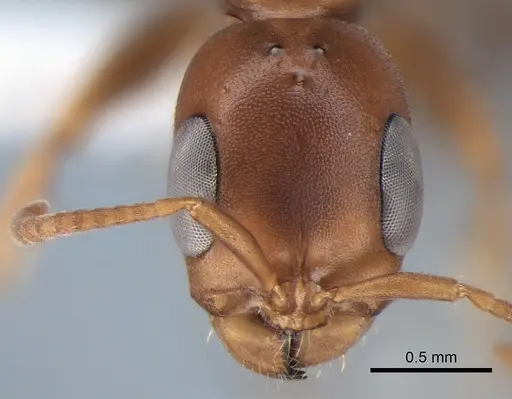
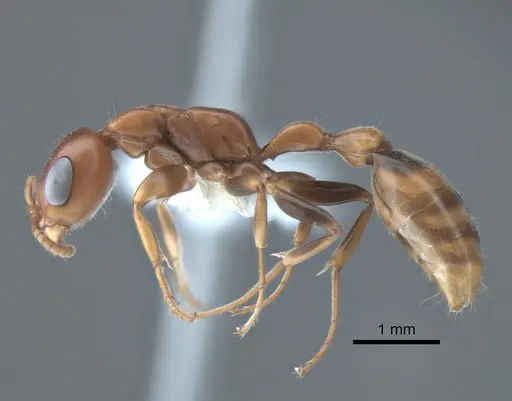
Pseudomyrmex veracruzensis is a medium-sized ant species measuring 0.97-1.07mm in head width. Workers have a distinctive ferrugineus-brown coloration with darker transverse bands across the front half of their abdominal segments. They feature a relatively elongate head, large eyes, and a notably slender, low petiole that distinguishes them from related species. This species is known only from two adjacent sites in the Sierra de los Tuxtlas in Veracruz, Mexico, where it inhabits the edge of montane rainforest at elevations around 1,010-1,055 meters [1].
This is a newly described species (2022) with very limited documented biology. What we know suggests it nests in dead twigs of the tree genus Heliocarpus and workers forage on low vegetation. As a member of the Pseudomyrmex genus (often called twig ants or elongate ants), they are likely fast-moving and alert predators. Their high-elevation montane rainforest habitat indicates they probably prefer cooler, more humid conditions than typical lowland tropical ants [1][2].
Quick Summary
- Difficulty: Expert
- Origin & Habitat: Sierra de los Tuxtlas, Veracruz, Mexico, montane rainforest edge at 1,010-1,055m elevation. Nests in dead twigs of Heliocarpus trees [1].
- Colony Type: Colony structure is unconfirmed. The genus Pseudomyrmex typically forms single-queen colonies, but this species has not been studied in detail.
- Size & Growth:
- Queen: Unknown, queen measurements not documented [1]
- Worker: Head width 0.97-1.07mm, head length 1.13-1.30mm, hind tibia length 0.84-0.94mm [1]
- Colony: Unknown, only two nest series have been collected [1]
- Growth: Unknown
- Development: Unknown, no development data exists for this species. Based on related Pseudomyrmex species, estimate 6-10 weeks at optimal temperature. (Development timeline is unconfirmed. Related species in the P. elongatulus group suggest moderate development speed.)
- Antkeeping:
- Temperature: Based on high-elevation montane habitat (1,010-1,055m), keep cooler than typical tropical ants. Aim for 20-24°C with a gentle gradient. Avoid overheating, they come from a relatively cool mountain environment.
- Humidity: Montane rainforest edge suggests high humidity needs. Keep nest substrate consistently moist but not waterlogged. Provide a water tube and mist occasionally. Avoid stagnant air while maintaining moisture.
- Diapause: Unknown, no documented hibernation or winter rest behavior. The high-elevation habitat may experience cooler seasonal temperatures. Monitor colony for natural slowdowns.
- Nesting: In nature they nest in dead twigs of Heliocarpus trees. In captivity, provide narrow test tubes, small acrylic nests, or Y-tong setups with passages sized to their medium body size. Small twigs or bamboo sections can also work.
- Behavior: Behavior is poorly documented for this species. Based on genus-level knowledge, Pseudomyrmex ants are typically fast-moving, alert foragers that hunt small prey. They are likely predatory or omnivorous, feeding on small insects and honeydew. Workers probably defend their nest actively. Escape prevention is important, use standard barriers but they are not particularly small or known escape artists.
- Common Issues: this is a newly described species with almost no captive care data, expect a learning curve, high-elevation habitat means they likely need cooler temperatures than typical tropical ants, overheating is a risk, colony size and growth rate are unknown, slow development is possible, wild-caught colonies may carry parasites from their limited native range, humidity needs are inferred from habitat, not confirmed, monitor for signs of stress
Housing and Nest Setup
Pseudomyrmex veracruzensis nests in dead twigs in nature, so replicate this with narrow, tube-like spaces. A standard test tube setup works well for founding colonies, use a small test tube with a water reservoir at one end, stoppered with cotton. For established colonies, a Y-tong (acrylic) nest with narrow chambers or a small naturalistic setup with actual twigs works nicely. The chambers should be sized appropriately for medium-sized ants, not too cramped, not overly spacious. Because they come from a montane environment with moderate temperatures, avoid placing their nest on heating mats unless room temperature falls below 18°C. They likely prefer dimmer conditions than many tropical ants, so keep their setup away from direct light [1].
Feeding and Diet
Feeding habits are not documented for this species, but Pseudomyrmex ants are typically predatory or omnivorous. Offer small live prey such as fruit flies, pinhead crickets, and small mealworms. They will likely accept sugar water or honey as an energy source. Feed protein-rich foods 2-3 times per week, and keep a sugar source available continuously. Remove uneaten prey after 24-48 hours to prevent mold. Since this species forages on low vegetation in the wild, they may be active hunters rather than scavengers, ensure prey is small enough to tackle [2].
Temperature and Seasonal Care
This is the most critical aspect for this species. Their native habitat at 1,010-1,055m elevation in the Sierra de los Tuxtlas is cooler than typical tropical lowlands. Keep the nest area at 20-24°C, this is cooler than most tropical ant species prefer. A heating cable on one side of the nest can create a temperature gradient, allowing the ants to choose their preferred zone. Avoid temperatures above 28°C. Room temperature in the low 20s°C is likely ideal. Monitor colony behavior: if workers cluster together and show reduced activity, the temperature may be too low, if they avoid the nest area and seem agitated, it may be too warm. No documented diapause exists, but their high-elevation habitat suggests they may experience seasonal temperature fluctuations [1].
Understanding This Species
Pseudomyrmex veracruzensis was only described in 2022,making it one of the most recently named ant species in captivity. It is known from an extremely limited range, just two sites in a small mountain range in Veracruz, Mexico. This means there is almost no captive care information available, and everything we suggest is based on inference from related species and its habitat. As a keeper, you are essentially pioneering the husbandry of this species. Document your observations carefully, what temperatures do they prefer? What foods do they accept? How fast does their colony grow? This information will be valuable for the antkeeping community. The species is morphologically similar to P. nimbus from Costa Rica but can be distinguished by its shorter legs and lighter coloration [1].
Frequently Asked Questions
How long does it take for Pseudomyrmex veracruzensis to produce first workers?
The egg-to-worker timeline is unconfirmed for this species. Based on related Pseudomyrmex species, expect approximately 6-10 weeks at optimal temperature (around 22°C). The first workers (nanitics) will likely be smaller than mature workers. Be patient, this is a newly cultured species with unknown development rates.
What temperature do Pseudomyrmex veracruzensis ants need?
Keep them cooler than typical tropical ants, aim for 20-24°C. Their high-elevation montane rainforest habitat (1,010-1,055m) indicates they prefer cooler conditions. Avoid overheating and never expose them to temperatures above 28°C. Room temperature in the low 20s is likely ideal.
Can I keep multiple queens together?
Not recommended. Combining unrelated queens of this species has not been documented. Pseudomyrmex species typically form single-queen colonies. If you obtain multiple foundress queens, house them separately to avoid conflict.
Do Pseudomyrmex veracruzensis ants sting?
Pseudomyrmex ants can defend themselves, but stinging behavior is not documented for this specific species. They are not considered dangerous to humans. Standard antkeeping precautions apply.
What do Pseudomyrmex veracruzensis eat?
Based on genus-level knowledge, they likely accept small live prey (fruit flies, small crickets) and sugar sources (honey water). They are probably predatory or omnivorous, similar to other Pseudomyrmex species. Offer protein 2-3 times weekly with constant sugar access.
Are Pseudomyrmex veracruzensis good for beginners?
No. This species is rated Expert difficulty because it is newly described with almost no captive care data. You will be pioneering its husbandry. Only experienced antkeepers should attempt this species, and only if you can provide the cool, humid montane conditions it requires.
How big do Pseudomyrmex veracruzensis colonies get?
Unknown. Only small nest series have been collected from the wild. Related species in the genus typically form moderate-sized colonies, but we have no specific data for this species. Expect slow growth and be patient.
Do Pseudomyrmex veracruzensis need hibernation?
Diapause requirements are unconfirmed. Their high-elevation habitat may experience seasonal temperature changes, but no documented winter behavior exists. Monitor your colony for natural slowdowns and adjust temperature accordingly. Do not force hibernation without evidence the species requires it.
Why are my Pseudomyrmex veracruzensis dying?
Without documented captive failures, we can only guess common issues. Overheating is the most likely culprit, they come from cool montane habitats. Also check humidity (they likely need it high), food acceptance, and stress from disturbance. Wild-caught colonies may carry parasites from their limited native range.
When should I move them to a formicarium?
Wait until the colony is well-established with at least 15-20 workers. Pseudomyrmex ants are twig-nesters, so a Y-tong nest or small naturalistic setup with narrow chambers works best. Moving too early can stress founding colonies.
Is Pseudomyrmex veracruzensis invasive?
No. This species has an extremely limited native range in the Sierra de los Tuxtlas, Veracruz, Mexico. It is not known to be established anywhere outside its native range. Never release ant colonies into non-native environments.
References

This caresheet is licensed under CC BY-SA 4.0 .
CASENT0863542
View on AntWeb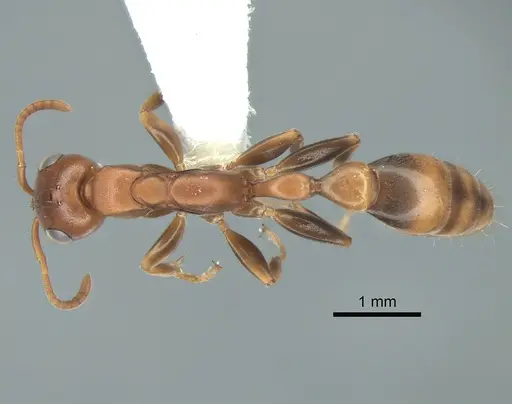
Literature
Loading...Loading products...