

Pseudomyrmex venustus
- Scientific Name
- Pseudomyrmex venustus
- Tribe
- Pseudomyrmecini
- Subfamily
- Pseudomyrmecinae
- Author
- Smith, 1858
- Distribution
- Found in 5 countries
Pseudomyrmex venustus Overview
Pseudomyrmex venustus is an ant species of the genus Pseudomyrmex. It is primarily documented in 5 countries , including Brazil, Colombia, French Guiana. Detailed taxonomic data and occurrence records can be further explored via authoritative databases such as AntWeb or the Global Biodiversity Information Facility (GBIF).
Pseudomyrmex venustus
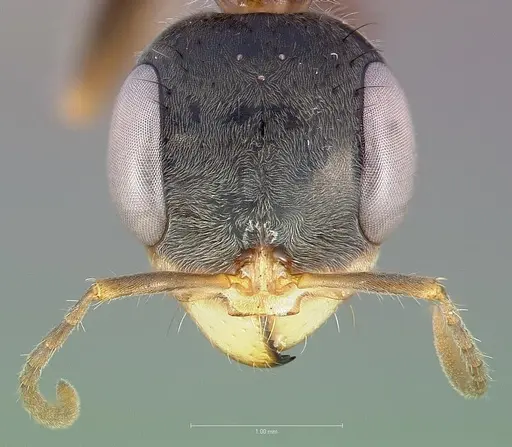
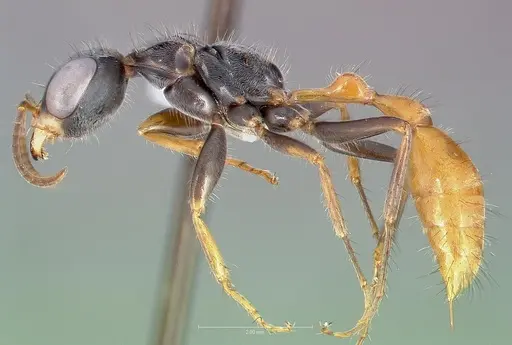
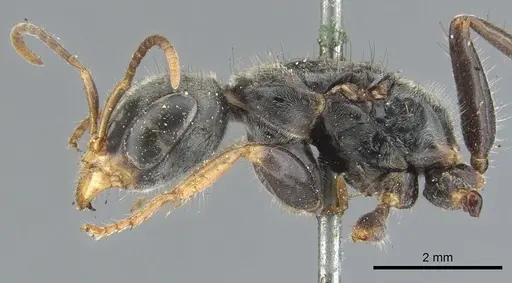
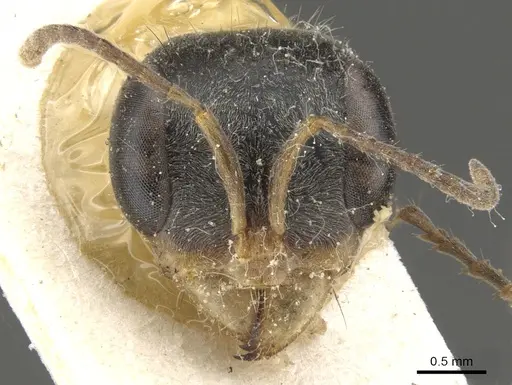
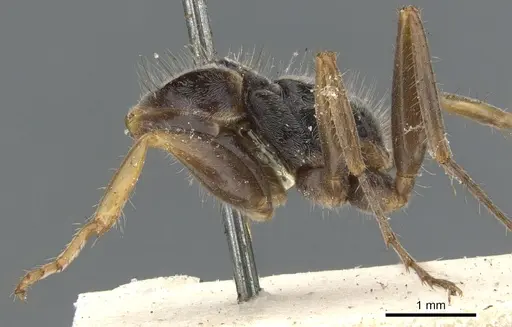
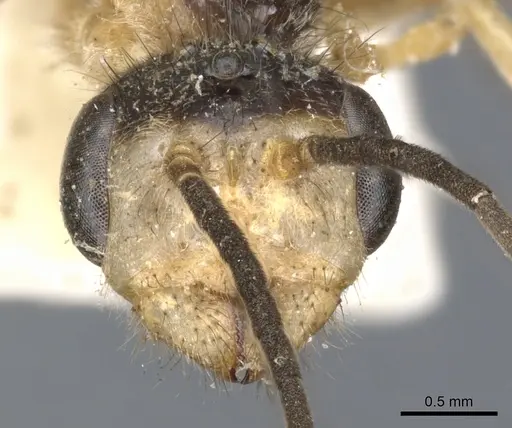
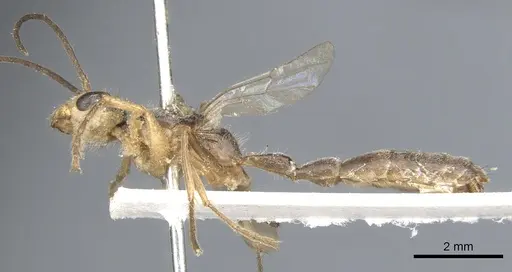
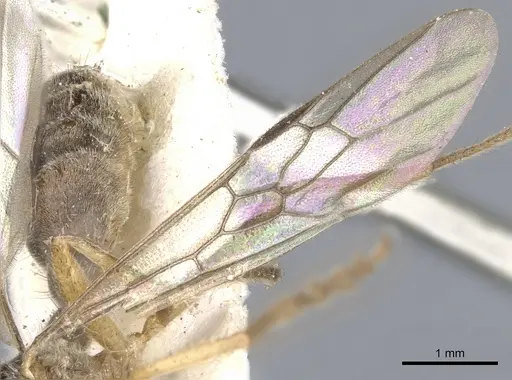
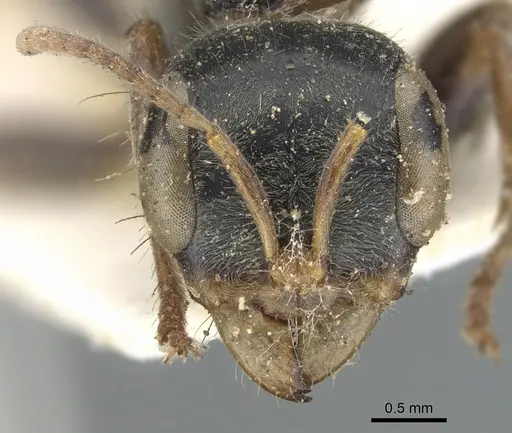
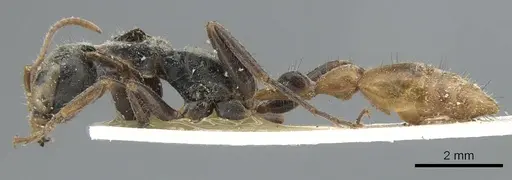
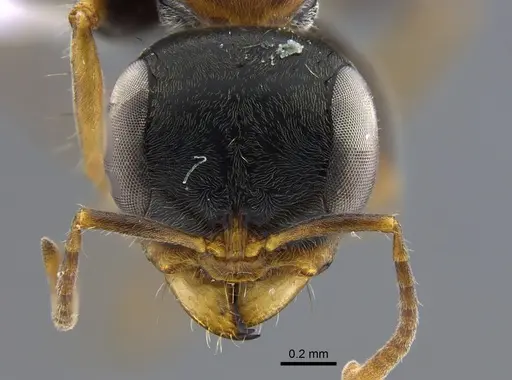
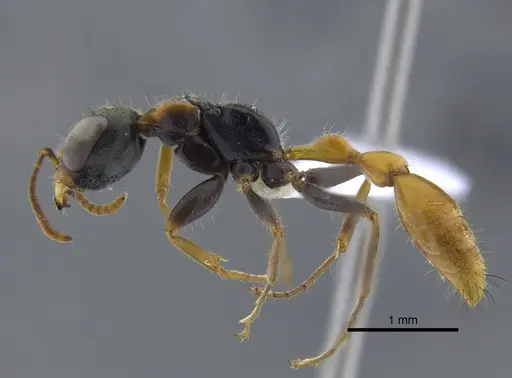
Pseudomyrmex venustus is a slender, elongate ant species belonging to the Pseudomyrmecinae subfamily. Workers are typically 5-7mm with a distinctive long, narrow body and relatively long legs. The species displays the classic Pseudomyrmex morphology: a very slender mesosoma (middle body section), long legs, and a petiole (waist) that is distinct and often raised. Coloration varies but typically includes reddish-brown to dark brown tones with lighter appendages. This species is found across the Neotropical region, from Panama through Colombia, Peru, Bolivia, and Brazil, particularly in the Amazon basin [1][2]. The species was originally described as Pseudomyrmex venustus by Fred Smith in 1858 from Amazonas, Brazil [3].
Like other Pseudomyrmex species, P. venustus is an arboreal or semi-arboreal ant that nests in hollow twigs, stems, and bamboo cavities. They are active, fast-moving ants that forage both in vegetation and on the ground. The genus is known for its predatory habits, with workers hunting small insects and arthropods. They are also known to tend aphids and scale insects for honeydew, making them both predators and farmers in their foraging behavior.
Quick Summary
- Difficulty: Medium
- Origin & Habitat: Neotropical region, found in Brazil (Amazonas, Rio de Janeiro), Colombia (Meta), Panama, Peru, and Bolivia [1][2][4]. Inhabits tropical forests and forest edges, typically nesting in hollow twigs, stems, and bamboo cavities in humid forest environments.
- Colony Type: Likely monogyne (single queen colonies) based on typical Pseudomyrmex genus patterns, though colony structure is not specifically documented for this species. Ergatoid (wingless) replacement reproductives may be present as documented in related Pseudomyrmex species.
- Colony: Monogyne
- Founding: Claustral
- Size & Growth:
- Queen: Estimated 8-10mm based on genus Pseudomyrmex queen size range, queens are larger than workers with more robust mesosoma for founding
- Worker: Estimated 5-7mm based on genus morphology, workers are slender with long legs [5]
- Colony: Estimated several hundred workers based on typical Pseudomyrmex colony sizes, colonies are moderate in size compared to other ant genera
- Growth: Moderate, based on typical Pseudomyrmecinae development patterns
- Development: Estimated 6-8 weeks at tropical temperatures (25-28°C) based on genus-level data for Pseudomyrmex species (Development time is temperature-dependent, warmer conditions within the tropical range accelerate development. First workers (nanitics) are typically smaller than mature workers.)
- Antkeeping:
- Temperature: Keep at 24-28°C (warm, tropical conditions). Use a heating mat or cable on one side of the nest to create a temperature gradient. Avoid temperatures below 22°C as this species is adapted to humid tropical environments [6].
- Humidity: High humidity (70-85%), these are forest ants that need moist conditions. Keep the nest substrate consistently damp but not waterlogged. Provide a water tube for drinking access. Mist the outworld occasionally but avoid standing water.
- Diapause: No true diapause, this is a tropical species that remains active year-round. However, reduce feeding and slightly lower temperatures (to around 22-24°C) during what would be the dry season in their natural range.
- Nesting: Prefers nests in hollow twigs, bamboo, or cork bark setups that mimic their natural arboreal nesting sites. Y-tong (AAC) nests or acrylic nests with narrow chambers work well. Provide multiple chambers connected by narrow tunnels. They do well in naturalistic setups with live plants.
- Behavior: Active and fast-moving workers that forage both in vegetation and on the ground. They are predatory and will hunt small insects. Workers are moderately aggressive when defending the nest and can deliver a mild sting (Pseudomyrmecinae has functional stingers). They are excellent climbers and have strong escape instincts, use fluon on nest edges and fine mesh on outworlds. They are diurnal, with peak activity during daylight hours.
- Common Issues: escape prevention is critical, they are excellent climbers and will find any gap in housing, tropical humidity requirements mean mold can be an issue in poorly ventilated setups, predatory nature means they need live prey, they may not accept dead food initially, wild-caught colonies may have parasites that can devastate the colony in captivity, stress from transport often causes founding colonies to abandon their nest site
Housing and Nest Setup
Pseudomyrmex venustus does well in setups that mimic their natural arboreal habitat. Y-tong (AAC) nests work particularly well because they provide the narrow, enclosed chambers these ants prefer. Acrylic nests with multiple connected chambers are also suitable. For a naturalistic approach, you can use cork bark or provide hollow twigs/bamboo pieces in a terrarium setup with live plants. The key is providing tight, enclosed spaces rather than open areas, these ants feel secure in snug chambers. A small outworld for foraging completes the setup. Ensure all connections between nest and outworld are secure, as these agile ants will exploit any loose connection. [5]
Feeding and Diet
As predatory ants, Pseudomyrmex venustus needs a protein-rich diet. Offer small live prey such as fruit flies, pinhead crickets, small mealworms, and other tiny arthropods. They will also accept dead prey if moved by workers, but live prey triggers their natural hunting instincts more reliably. In addition to protein, they can be offered sugar sources like honey water or sugar water, especially if the colony is growing and needs extra energy. Some keepers report they will accept fruit and nectar. Feed small amounts 2-3 times per week, removing uneaten prey after 24 hours to prevent mold. [5]
Temperature and Humidity
Maintain warm, humid conditions year-round. Temperature should be kept between 24-28°C with a slight gradient if possible. A heating cable or mat placed under one end of the nest can create this gradient. Humidity is critical, aim for 70-85% relative humidity. Use a water tube connected to the nest setup to provide both drinking water and humidity. The nest material should feel damp to the touch. Poor humidity leads to worker deaths and colony stagnation. However, balance humidity with adequate ventilation to prevent mold growth. [6]
Colony Development
A founding queen will seal herself into a chamber and lay eggs after 1-2 weeks. Eggs develop through larval stages and pupate before emerging as first workers (nanitics) approximately 6-8 weeks later at optimal temperatures. The first workers are smaller than mature workers but immediately begin foraging to feed the growing colony. Colony growth is moderate, expect several months to reach 50 workers, and over a year to reach several hundred. The queen stops foraging once workers take over and becomes entirely dependent on them for food. Regular feeding and stable conditions are essential during the founding stage. [5]
Behavior and Defense
Pseudomyrmex venustus workers are active foragers that move quickly and confidently. They are moderately aggressive and will defend the nest vigorously if threatened. Unlike some ants that rely on biting, Pseudomyrmecinae ants have functional stingers and can deliver a mild sting. This is not dangerous to healthy humans but can be startling. They are excellent climbers and will scale smooth surfaces with ease. Workers communicate using chemical signals and may use tandem running (leading each other to food sources) rather than mass recruitment. They are primarily diurnal, matching their tropical forest floor activity patterns. [5]
Frequently Asked Questions
How long does it take for Pseudomyrmex venustus to raise first workers?
From egg to first worker takes approximately 6-8 weeks at optimal temperatures (25-28°C). The queen seals herself in and raises the first brood alone, so patience is essential during the founding stage. Do not disturb the queen during this period.
What do Pseudomyrmex venustus ants eat?
They are predatory ants that need live protein. Feed small live prey like fruit flies, pinhead crickets, small mealworms, and other tiny arthropods. They also accept sugar sources like honey water or sugar water. Offer protein 2-3 times per week and keep sugar water available constantly.
Do Pseudomyrmex venustus ants sting?
Yes, they can sting. Unlike many ants that only bite, Pseudomyrmecinae has functional stingers. The sting is mild, similar to a mosquito bite for most people, but can cause localized irritation. They are not aggressive but will sting if threatened or handled roughly.
What temperature do Pseudomyrmex venustus ants need?
Keep them warm at 24-28°C. This is a tropical species that does not tolerate cool temperatures. Use a heating cable or mat to maintain warmth, especially if your room temperature is below 24°C. Avoid temperatures below 22°C.
Are Pseudomyrmex venustus good for beginners?
They are intermediate difficulty. While not the hardest species, they have specific humidity and temperature needs that require attention. Their escape ability and predatory diet also require more setup than some beginner species. They are rewarding to keep once you understand tropical ant care.
How big do Pseudomyrmex venustus colonies get?
Colonies typically reach several hundred workers over 1-2 years. They are not among the largest ant species but can form substantial colonies with good care. Colony growth is moderate, not as fast as some Myrmica or Camponotus species.
Do Pseudomyrmex venustus need hibernation?
No, they do not hibernate. This is a tropical species that remains active year-round at warm temperatures. You can slightly reduce temperatures (to around 22-24°C) during the winter months, but true diapause is not required or recommended.
What type of nest is best for Pseudomyrmex venustus?
Y-tong (AAC) nests or acrylic nests with narrow chambers work well. They prefer enclosed spaces that mimic their natural hollow twig nesting sites. Avoid large, open spaces. A naturalistic setup with cork bark or actual twigs/bamboo pieces is also suitable.
Why are my Pseudomyrmex venustus dying?
Common causes include: low humidity (below 70%), temperatures below 22°C, stress from disturbance during founding, mold from poor ventilation, or lack of live prey. Check your setup parameters first. Also ensure they are not being stressed by excessive handling or vibrations near the nest.
Can I keep multiple Pseudomyrmex venustus queens together?
Not recommended. Unlike some polygynous species, Pseudomyrmex typically forms single-queen colonies. Combining unrelated foundresses often results in fighting. If you catch multiple queens, house them separately until each establishes their own colony.
References

This caresheet is licensed under CC BY-SA 4.0 .
CASENT0005857
View on AntWeb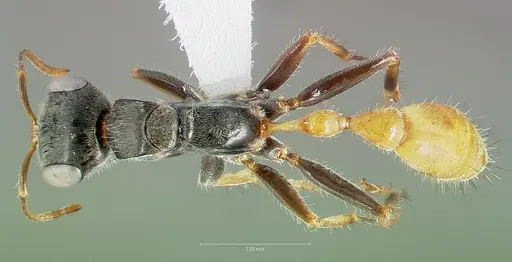
CASENT0005861
View on AntWeb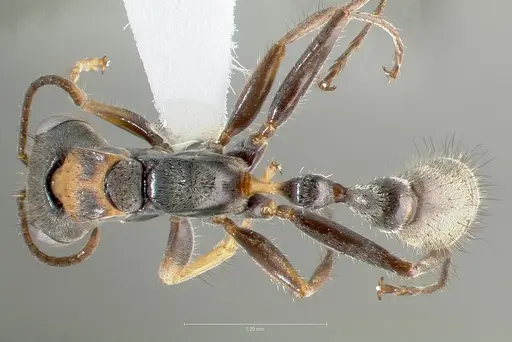
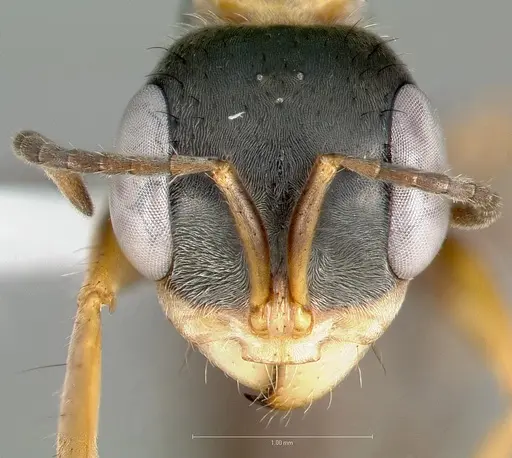
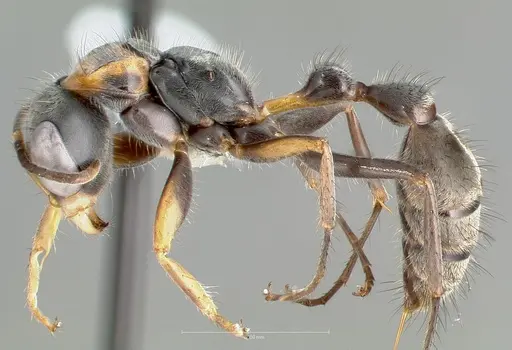
CASENT0902856
View on AntWeb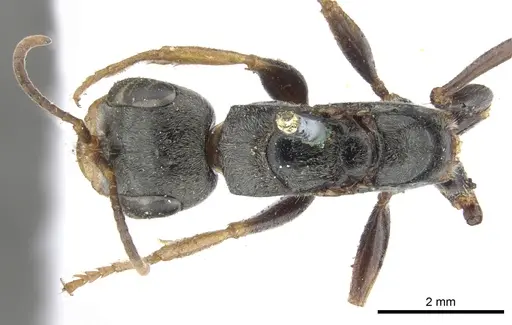
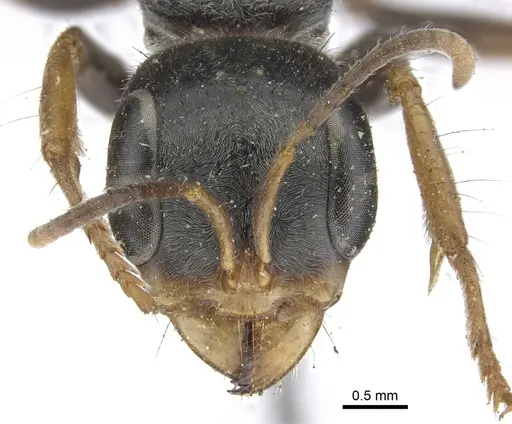
CASENT0902857
View on AntWeb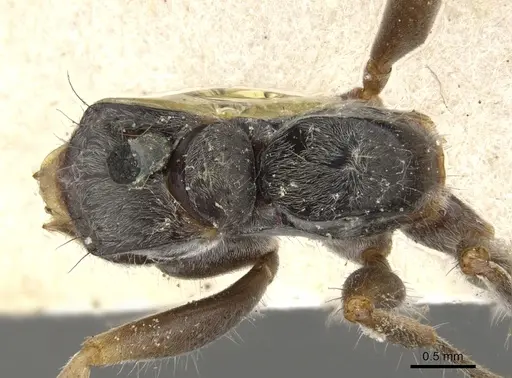
CASENT0902858
View on AntWeb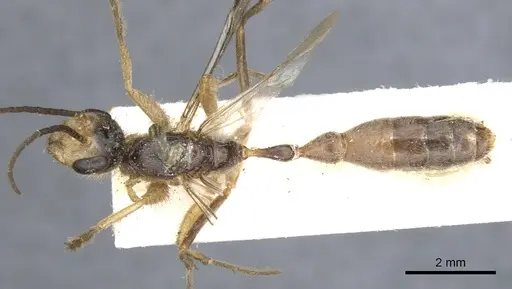
CASENT0902859
View on AntWeb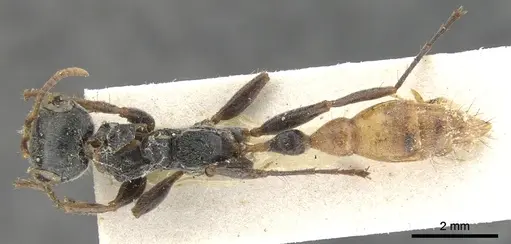
CBUMAGENT41733
View on AntWeb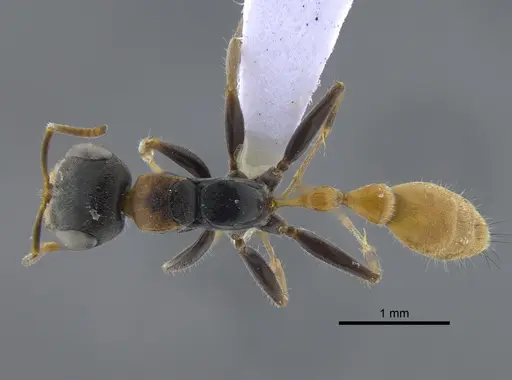
Literature
Loading...Loading products...