

Pseudomyrmex veneficus
- Scientific Name
- Pseudomyrmex veneficus
- Tribe
- Pseudomyrmecini
- Subfamily
- Pseudomyrmecinae
- Author
- Wheeler, 1942
- Distribution
- Found in 1 countries
Pseudomyrmex veneficus Overview
Pseudomyrmex veneficus is an ant species of the genus Pseudomyrmex. It is primarily documented in 1 countries , including Mexico. Detailed taxonomic data and occurrence records can be further explored via authoritative databases such as AntWeb or the Global Biodiversity Information Facility (GBIF).
Pseudomyrmex veneficus
Pseudomyrmex veneficus is a small, aggressive acacia ant native to western Mexico, ranging from Sinaloa to Michoacán [1]. Workers are dark greyish-brown to black, measuring around 0.85-0.95mm in head width, while queens are larger at 1.12-1.19mm [2]. This species belongs to the Pseudomyrmex ferrugineus group and is an obligate mutualist, living exclusively inside the hollow domatia (swollen thorns) of Vachellia trees, particularly Acacia hindsii and A. collinsii [3]. The most remarkable trait of this species is its supercolonial structure, colonies can contain hundreds of thousands of queens and millions of workers, making them among the largest colonies of all social insects [4]. Workers freely move between trees, suggesting unicolonial behavior where thousands of acacias function as a single massive colony [4].
Quick Summary
- Difficulty: Expert
- Origin & Habitat: Western Mexico (Sinaloa to Michoacán), specifically found in Colima, Jalisco, Nayarit, Guerrero, Oaxaca, Michoacán, and Sinaloa states [1]. Inhabits Vachellia (Acacia) domatia, the hollow swollen thorns that provide shelter [3].
- Colony Type: Extremely polygynous supercolonial, colonies contain hundreds of thousands of queens and millions of workers spread across hundreds of acacia trees [4]. Effectively unicolonial with workers freely moving between plants.
- Colony: Polygyne, Supercolonial
- Size & Growth:
- Queen: 1.12-1.19mm head width [2]
- Worker: 0.85-0.95mm head width [2]
- Colony: Millions of workers and hundreds of thousands of queens [4]
- Growth: Unknown, supercolonial species with continuous colony growth
- Development: Unknown, no direct development studies exist for this species (Related Pseudomyrmex species in the ferrugineus group typically develop in 4-8 weeks at tropical temperatures, but specific data for P. veneficus is unavailable)
- Antkeeping:
- Temperature: Keep at 24-28°C, they inhabit tropical/subtropical acacia in western Mexico and require warm conditions. A heating cable on one side creates a temperature gradient.
- Humidity: Moderate to high, domatia inside living acacia branches maintain stable humidity. Keep nest substrate slightly moist but allow drying between waterings. Provide a water tube.
- Diapause: No, being a tropical species from western Mexico, they do not require hibernation. Maintain warm temperatures year-round.
- Nesting: This species is an obligate acacia ant, in captivity they require either live Vachellia plants with domatia or elaborate artificial setups mimicking hollow plant stems. Standard formicaria are NOT suitable. This is NOT a beginner-friendly species.
- Behavior: Extremely aggressive defenders of their host plant. Workers are highly active and will readily attack any perceived threat. They have functional stingers and will use them, expect painful stings [2]. Workers freely move between trees in the wild, demonstrating polydomous (multiple nest sites) behavior. Their small size (under 1mm) means excellent escape prevention is essential, they can squeeze through tiny gaps.
- Common Issues: obligate mutualist, cannot survive without host plant structures, making captive husbandry extremely difficult, supercolonial species, keeping a proper colony would require hundreds of connected nest sites, no captive breeding data exists, this is a specialist species not kept in captivity, extreme polygyny means colony structure is completely different from typical ant species, escape prevention critical due to tiny worker size
Why This Species Is Not Kept by Hobbyists
Pseudomyrmex veneficus is one of the most specialized ants in the world, they are obligate mutualists that can ONLY survive inside the hollow domatia of Vachellia (acacia) trees [3]. This is not an exaggeration or preference, they cannot nest in soil, wood, or artificial formicaria. In the wild, colonies span hundreds of trees, with millions of workers and hundreds of thousands of queens all functioning as one supercolony [4]. There is no established protocol for keeping this species in captivity, and attempting to do so would require maintaining live acacia plants with domatia, a feat that even botanical gardens struggle with. This species is included for educational purposes but should NOT be sought after by antkeepers. Instead, consider other Pseudomyrmex species that are more adaptable or common acacia ants like Pseudomyrmex ferrugineus if you're interested in the genus.
The Acacia Ant Mutualism
P. veneficus represents one of the most famous examples of ant-plant mutualism. The relationship between Pseudomyrmex acacia ants and Vachellia trees is obligate for both partners, the trees provide hollow domatia (swollen thorns) for nesting, and the ants provide fierce defense against herbivores and competing plants [3]. The ants will attack anything that touches their host tree, including herbivores, other insects, and even vines trying to grow on the acacia. This mutualism evolved approximately 1.5 million years ago, with P. veneficus being a daughter species embedded within the P. mixtecus complex [3]. The ants also feed on extrafloral nectaries on the acacia and (in some species) consume Beltian bodies, specialized food bodies produced by the plant. The supercolonial structure of P. veneficus allows them to dominate entire groves of acacias, with workers freely moving between trees to defend the entire colony [4].
Colony Structure and Supercoloniality
P. veneficus has the most extreme colony structure of any ant species. Janzen (1973) documented colonies containing millions of workers and hundreds of thousands of queens spanning hundreds of acacia trees [4]. This is one of the earliest described cases of supercoloniality in the scientific literature [5]. Unlike typical ant colonies with one queen or even multiple queens in a single nest, supercolonial species like P. veneficus have queens distributed across many nest sites (trees) with workers freely moving between them. The entire grove functions as one colony with no aggression between individuals from different trees. This structure is maintained by the unique ecology of acacia domatia, each tree provides multiple hollow thorns that connect internally, allowing the colony to spread across the entire grove while remaining functionally unified [4].
Distribution and Habitat
This species is endemic to western Mexico, with confirmed records from Sinaloa, Michoacán, Colima, Jalisco, Nayarit, Guerrero, and Oaxaca [1]. The most northern records come from the Mazatlán area in Sinaloa, while the southern extent reaches Oaxaca [6]. They are associated specifically with Vachellia (formerly Acacia) species, particularly A. hindsii and A. collinsii [3]. The habitat is tropical dry forest and subtropical dry forest in western Mexico, where the acacia trees grow in seasonal environments. The domatia provide stable microclimates that protect the ants from the harsh dry season. This restricted distribution and specialized habitat requirements explain why P. veneficus has never been found outside its native range and cannot be established in captivity like more generalist ant species.
Identification and Distinction from Related Species
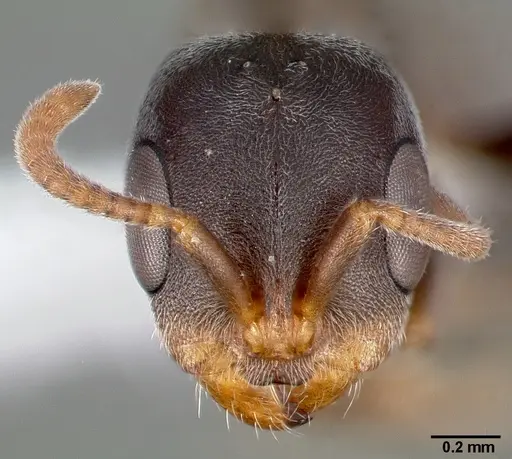
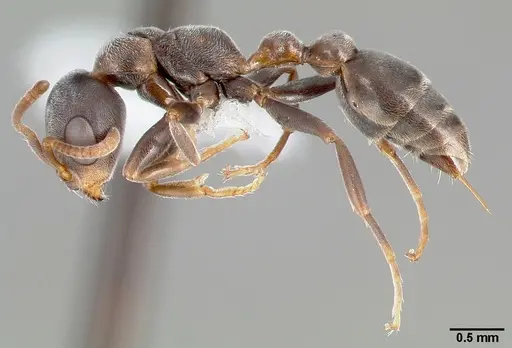
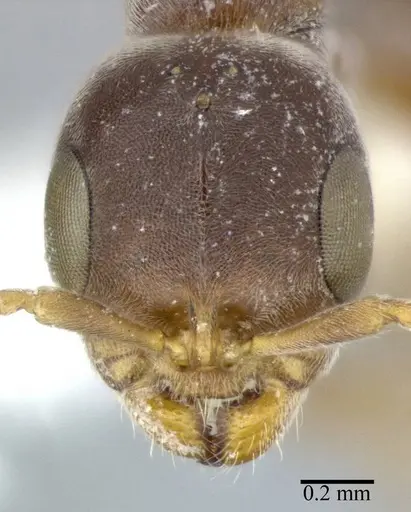
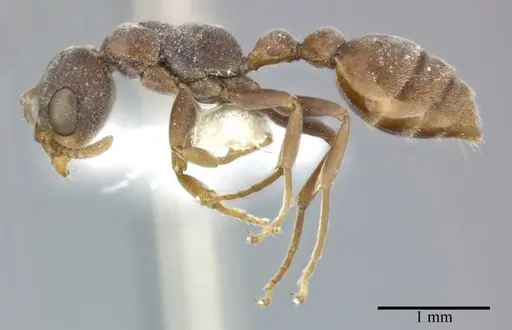
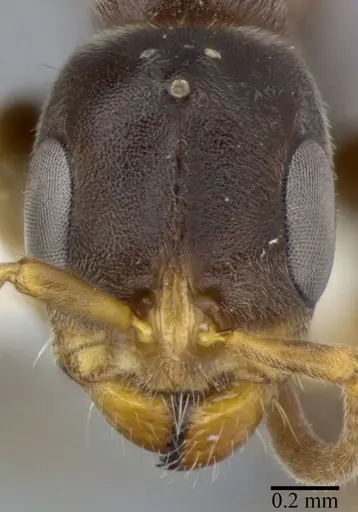
P. veneficus belongs to the Pseudomyrmex ferrugineus species group, which contains several similar acacia-ant species [2]. Workers can be distinguished by their small size (head width 0.98mm) combined with a broader, more robust petiole compared to related species. The head is densely punctulate with a subopaque to sublucent appearance and conspicuous suberect pubescence (standing hairs) [2]. P. flavicornis lacks the sublucent head and conspicuous pubescence. P. mixtecus is intermediate between P. veneficus and P. flavicornis. Queens are larger at 1.12-1.19mm head width. The coloration is very dark greyish-brown to black, with parts of the mesosoma and petiole sometimes showing lighter yellowish-brown, more consistently so in queens [2]. All workers are monomorphic, they are all the same size, which is unusual for such a large colony [7].
Frequently Asked Questions
Can I keep Pseudomyrmex veneficus in a formicarium?
No. This is an obligate acacia ant that can ONLY live inside Vachellia tree domatia. There is no established captive husbandry method for this species. Attempting to keep them in standard formicaria will result in colony death.
How big do Pseudomyrmex veneficus colonies get?
Extremely large, wild colonies contain millions of workers and hundreds of thousands of queens spread across hundreds of acacia trees. They are among the largest colonies of all social insects [4].
Do Pseudomyrmex veneficus ants sting?
Yes. They are aggressive defenders with functional stingers. Their stings are painful [2].
Are Pseudomyrmex veneficus good for beginners?
No. This species is not suitable for any antkeeper. They are obligate mutualists requiring live acacia plants with domatia, and no captive breeding protocol exists. This is an expert-level species in terms of difficulty, but even experts would struggle to maintain them.
What do Pseudomyrmex veneficus eat?
They are mutualists that feed on extrafloral nectaries produced by their host Vachellia trees and (like some related species) likely consume Beltian bodies, specialized food bodies the plant produces. They also hunt insects that threaten the host tree.
Where does Pseudomyrmex veneficus live?
Western Mexico, from Sinaloa to Michoacán. They are obligate inhabitants of Vachellia (acacia) tree domatia, the hollow swollen thorns that serve as both shelter and nest sites [1][3].
How many queens does Pseudomyrmex veneficus have?
Hundreds of thousands. This is one of the most extremely polygynous species known, with colonies containing hundreds of thousands of queens distributed across hundreds of trees [4].
Do Pseudomyrmex veneficus need hibernation?
No. As a tropical species from western Mexico, they do not require diapause. Keep them warm year-round at 24-28°C.
Is Pseudomyrmex veneficus invasive?
No. This species has a limited distribution in western Mexico and has never been documented outside its native range.
What's the difference between Pseudomyrmex veneficus and other acacia ants?
P. veneficus has one of the most extreme supercolonial structures known, with colonies spanning hundreds of trees. It belongs to the P. ferrugineus group but is specifically found in western Mexico, while other acacia ants like P. ferrugineus have different distributions. It can be identified by its small size (worker HW 0.98mm), sublucent head, and conspicuous suberect pubescence [2].
References

This caresheet is licensed under CC BY-SA 4.0 .
CASENT0005801
View on AntWeb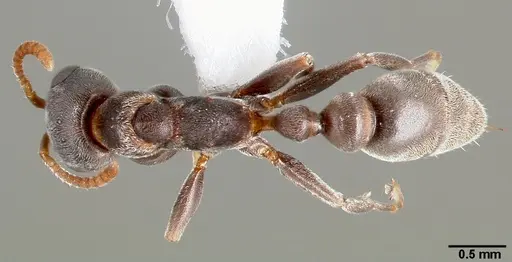
CASENT0246301
View on AntWeb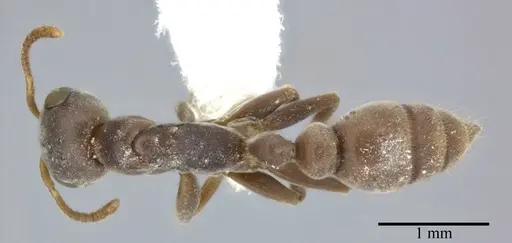
CASENT0246312
View on AntWeb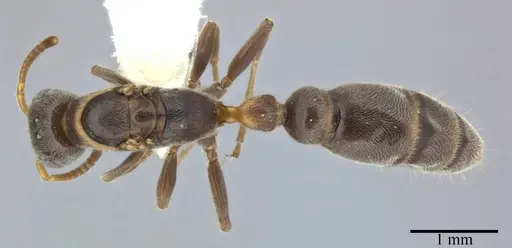
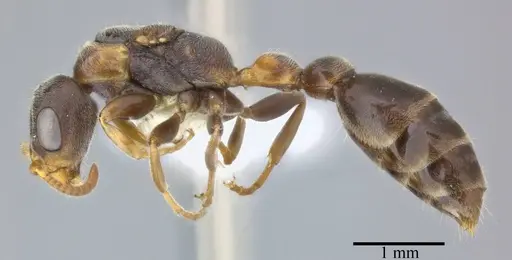
CASENT0246347
View on AntWeb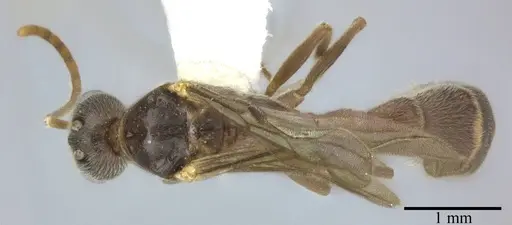
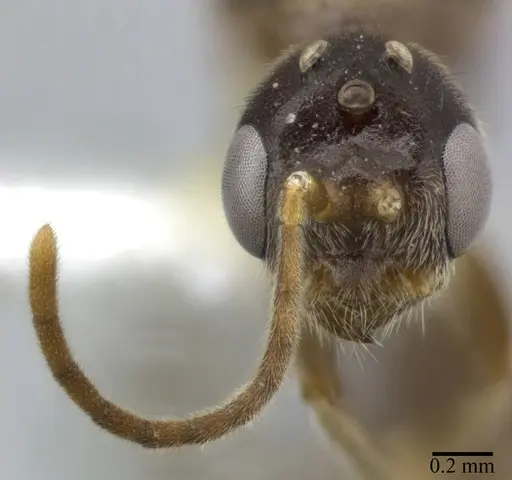
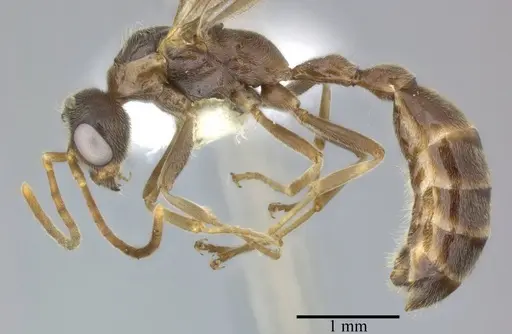
Literature
Loading...Loading products...