

Pseudomyrmex urbanus
- Scientific Name
- Pseudomyrmex urbanus
- Tribe
- Pseudomyrmecini
- Subfamily
- Pseudomyrmecinae
- Author
- Smith, 1877
- Distribution
- Found in 12 countries
Pseudomyrmex urbanus Overview
Pseudomyrmex urbanus is an ant species of the genus Pseudomyrmex. It is primarily documented in 12 countries , including Argentina, Bolivia, Plurinational State of. Detailed taxonomic data and occurrence records can be further explored via authoritative databases such as AntWeb or the Global Biodiversity Information Facility (GBIF).
Pseudomyrmex urbanus
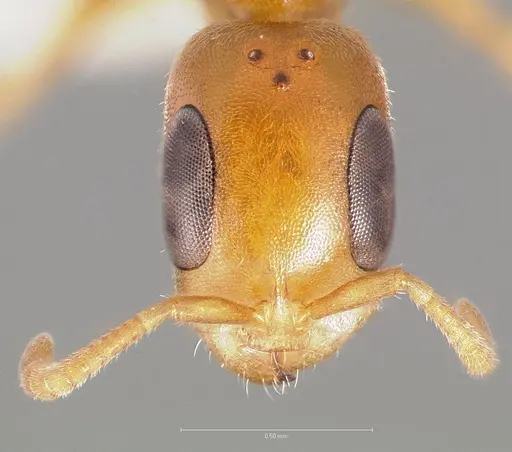
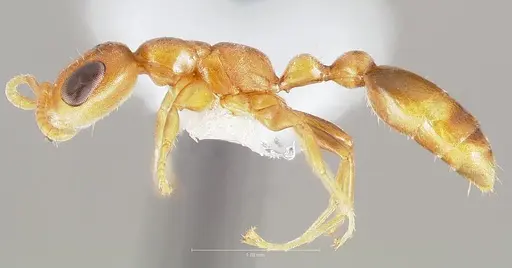
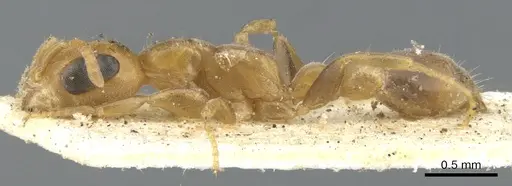
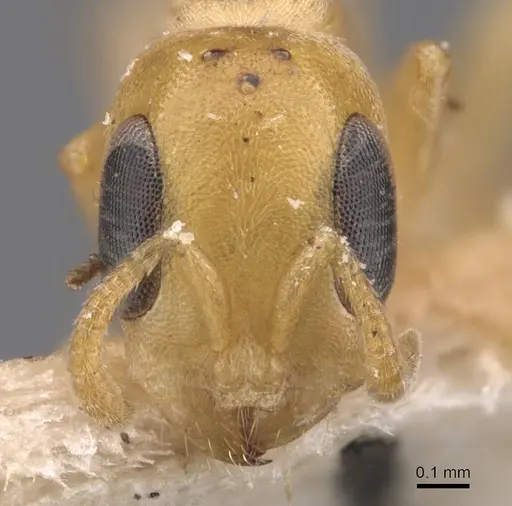
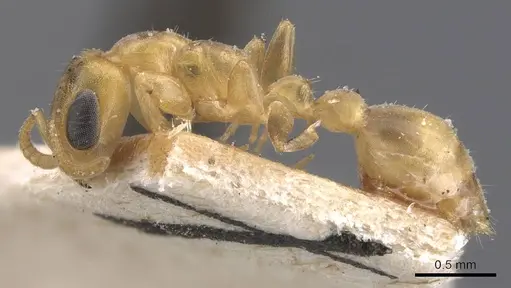
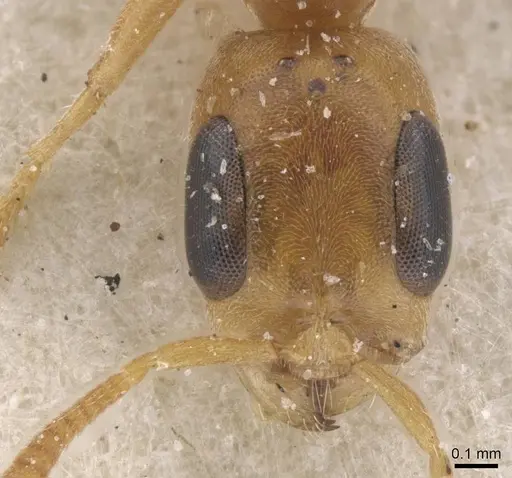
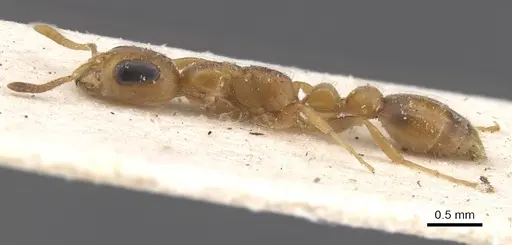
Pseudomyrmex urbanus is a tiny arboreal ant measuring just 0.58-0.66mm in head width, belonging to the Pseudomyrmecinae subfamily known as 'twig ants' [1]. Workers have an orange-brown body with relatively long eyes and a broad fore femur, giving them a distinctive slender appearance compared to other ant groups [2]. This species ranges across much of northern South America, from Argentina up through Panama, including Brazil, Colombia, Peru, and the islands of Trinidad and Fernando de Noronha [2].
These ants are arboreal nesters that make their homes inside plant cavities, specifically the hollow stems (domatia) of plants like Cordia and Tecoma trees [3]. This plant-ant relationship is facultative, meaning they don't require specific plants but will use available plant cavities when they find them [4]. Their small size and arboreal lifestyle make them quite different from typical ground-nesting ants.
Quick Summary
- Difficulty: Medium
- Origin & Habitat: Native to the Neotropical region, found across northern South America from Argentina to Panama, including Brazil, Colombia, Peru, Ecuador, Guyana, French Guiana, Suriname, Trinidad, Venezuela, and Bolivia [2]. Inhabits both rain forest and drier forest areas, typically nesting in plant cavities at various elevations up to 980m [5].
- Colony Type: Colony structure is not well documented in scientific literature. Based on related Pseudomyrmex species, likely forms small to moderate colonies in single-queen (monogyne) colonies. Queens likely claustral, they seal themselves in to raise first workers alone, as is typical for the genus.
- Colony: Monogyne
- Founding: Claustral
- Size & Growth:
- Queen: Estimated 5-7mm based on genus patterns for small Pseudomyrmex species
- Worker: 0.58-0.66mm head width (very small) [1]
- Colony: Likely small colonies of dozens to low hundreds based on related species and their arboreal nesting in plant cavities
- Growth: Moderate, estimated based on typical Pseudomyrmecinae development
- Development: Estimated 6-10 weeks at optimal tropical temperatures based on genus patterns (Development time inferred from related Pseudomyrmex species, direct observations not available for this specific species)
- Antkeeping:
- Temperature: Keep at 24-28°C, these are tropical ants that need warm, stable temperatures [6]. Room temperature within this range works well. Avoid temperatures below 20°C.
- Humidity: Moderate to high humidity (60-80%). As arboreal ants from tropical forests, they prefer humid conditions but not saturated. Provide moisture through a water reservoir connected to the nest area.
- Diapause: Likely no true diapause, as tropical ants from regions with minimal seasonal temperature variation, they probably remain active year-round with slight slowing in cooler months. Exact requirements unconfirmed.
- Nesting: Arboreal nesting specialists, they need enclosed spaces like plant cavities. In captivity, provide small acrylic nests or test tubes with tight chambers scaled to their tiny size. They prefer narrow passages and enclosed spaces that mimic their natural plant-stem homes.
- Behavior: These are active, agile ants with a characteristic slender profile. They are not aggressive by nature but will defend their nest if threatened. Like other Pseudomyrmecinae, they may have a functional stinger for defense, handle with care. Their small size means they can escape through very tiny gaps, so escape prevention must be excellent. They are arboreal foragers, actively searching for nectar and small prey in vegetation. They are often found foraging on trees and shrubs, including those with extrafloral nectaries [6].
- Common Issues: escape prevention is critical, their tiny size means they can squeeze through gaps too small for most ants, arboreal nature requires enclosed nest spaces, they won't do well in open foraging areas, tropical temperature requirements mean they cannot tolerate cool rooms, small colony size means slower population growth than larger ant species, limited research means care requirements are partly inferred from genus patterns
Housing and Nest Setup
Pseudomyrmex urbanus requires housing that mimics their natural arboreal lifestyle. These tiny ants nest in plant cavities, so they do best in enclosed nests with small chambers scaled to their minute size. Acrylic nests with narrow tunnels or small test tubes with tight-fitting cotton plugs work well. The key is providing enclosed spaces, they are not ground-nesting ants and won't thrive in open formicariums. Because they are so small (under 1mm), even standard ant keeping setups may feel oversized. Use nests with chambers roughly 2-3mm in height and narrow connecting tubes. Escape prevention is absolutely critical, these ants can squeeze through gaps that other species would never fit through. Apply Fluon or similar barriers to all edges and ensure all ventilation holes are covered with fine mesh. Provide a small outworld for foraging with easy access to the nest [4][3].
Temperature and Humidity
As tropical ants from northern South America, Pseudomyrmex urbanus needs warm conditions. Keep the nest area at 24-28°C, this matches their native range in Brazil, Colombia, and other tropical regions [2]. Room temperature within this range is ideal. If your room is cooler, use a heating cable on one side of the nest to create a gentle gradient, but never place heat directly on the nest as it can kill the colony. For humidity, aim for 60-80% relative humidity. These are forest ants that appreciate moisture but not standing water. A water tube connected to the nest provides humidity through evaporation. Monitor condensation, if you see heavy condensation pooling, reduce airflow slightly, if the nest appears dry with no condensation, add more moisture. Avoid both stagnant air and excessive drying from heaters or direct sunlight [6].
Feeding and Diet
In the wild, Pseudomyrmex urbanus forages for nectar from extrafloral nectaries and likely hunts small arthropods. In captivity, offer sugar water or honey water as a constant energy source, these ants will readily accept sweet liquids. For protein, provide tiny prey items appropriate to their size: fruit flies, pinhead crickets, small mealworms, or other micro-insects. Because they are so small, standard ant food items may be too large. Offer prey items that are roughly the same size as or smaller than the ants themselves. Feed small amounts of protein 2-3 times per week, removing any uneaten prey within 24 hours to prevent mold. Sugar water can be offered on a cotton ball or through a test tube feeder, replaced every 2-3 days. They are foragers on vegetation, so placing food on a small platform elevated in the outworld mimics their natural arboreal foraging [6][7].
Behavior and Colony Dynamics
Pseudomyrmex urbanus is an arboreal species that forages actively in vegetation. They are not particularly aggressive but will defend their nest if disturbed. Like other members of the Pseudomyrmecinae subfamily, they have a slender body build and are quick-moving for their size. Colonies are likely small to moderate in size, related species typically have colonies ranging from a few dozen to a few hundred workers. The queen is claustral, meaning she seals herself in a chamber and raises her first brood alone without foraging. Workers that emerge (nanitics) are smaller than mature workers but will immediately begin foraging to support colony growth. These ants communicate through chemical signals and may use tandem running to recruit nestmates to food sources, though this behavior varies by species. Their association with plants means they may show interest in climbing and exploring vertical spaces in their enclosure [4][2].
Seasonal Care and Overwintering
As tropical ants from regions with minimal temperature fluctuation, Pseudomyrmex urbanus does not require a true hibernation or diapause period. In the wild, they experience warm temperatures year-round across their range in northern South America. In captivity, maintain consistent tropical temperatures (24-28°C) throughout the year. You may notice slightly reduced activity in cooler months or if the room temperature drops, but this is not a true diapause. Do not attempt to cool them down or reduce feeding dramatically, this could harm the colony. Simply maintain normal care with perhaps slightly less food offered during periods of lower activity. If you live in a temperate climate, ensure your ant room stays warm enough year-round. These ants are not suited for unheated spaces in winter [2].
Frequently Asked Questions
How long does it take for Pseudomyrmex urbanus to raise their first workers?
Based on genus patterns for related Pseudomyrmex species, expect 6-10 weeks from egg to first worker (nanitic) at optimal tropical temperatures of 24-28°C. This is an estimate since direct development time has not been documented for this specific species. The queen will seal herself in a chamber and remain there until her first workers emerge.
Can I keep Pseudomyrmex urbanus in a test tube?
Yes, test tubes work well for this species. Use a small test tube with a tight-fitting cotton plug and water reservoir. The key is ensuring the chambers are appropriately sized for their tiny body, standard test tubes are acceptable, but ensure the cotton is packed firmly to prevent escapes. Cover any ventilation holes with fine mesh. They prefer enclosed spaces that mimic their natural plant-cavity nesting.
Do Pseudomyrmex urbanus ants sting?
Pseudomyrmecinae ants (twig ants) have a functional stinger and can deliver a sting if handled roughly or if their nest is threatened. While not aggressive, they will defend themselves if squeezed or threatened. For safe handling, use gentle techniques and avoid grabbing them. The sting is not considered dangerous to healthy humans but can be irritating.
What do Pseudomyrmex urbanus eat?
They accept sugar sources (honey water or sugar water) and small protein prey. In the wild, they forage for nectar from extrafloral nectaries and small insects. In captivity, offer a sugar source constantly and tiny prey items like fruit flies or small mealworms 2-3 times per week. Prey should be appropriately sized for their minute body size.
Are Pseudomyrmex urbanus good for beginners?
This species is rated as medium difficulty. While not the hardest ant to keep, their tiny size creates challenges with escape prevention that beginners may find frustrating. They also require tropical temperatures (24-28°C) which may require heating in cooler climates. If you're experienced with very small ants and can maintain warm, humid conditions with excellent escape prevention, they can be rewarding.
How big do Pseudomyrmex urbanus colonies get?
Based on related species and their arboreal nesting in plant cavities, colonies likely reach dozens to a few hundred workers at maturity. They are not among the largest ant species, and their small nest cavities in plants naturally limit colony size. Expect slow, steady growth over many months to reach mature colony size.
Do Pseudomyrmex urbanus need hibernation?
No, they do not require hibernation. As tropical ants from northern South America, they experience year-round warm temperatures in their native habitat. Maintain normal care (24-28°C) throughout the year. You may notice slight seasonal variations in activity, but no formal diapause is needed.
Why are my Pseudomyrmex urbanus escaping?
Their tiny size (under 1mm) means they can squeeze through gaps that seem impossible. Apply Fluon or similar barrier gel to all edges of the enclosure, ensure all ventilation is covered with fine mesh (0.5mm or smaller), and check that lid seams are tight. Even standard ant keeping setups may have gaps too large for these minute ants. Inspect under magnification if needed.
When should I move Pseudomyrmex urbanus to a formicarium?
You can keep them in a test tube setup long-term if the tube remains clean and the colony is growing. Move to a formicarium or larger setup when the colony reaches several dozen workers and the test tube shows signs of degradation (mold, debris buildup). Ensure any new setup maintains the small chamber sizes they prefer.
Can I keep multiple Pseudomyrmex urbanus queens together?
This has not been documented. Based on genus patterns, they likely form single-queen colonies. Do not attempt to house multiple unrelated queens together as they may fight. If you acquire a colony with multiple queens, provide separate nesting areas and monitor for aggression.
References

This caresheet is licensed under CC BY-SA 4.0 .
CASENT0005878
View on AntWeb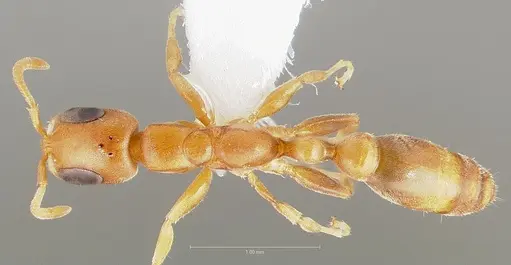
CASENT0173783
View on AntWeb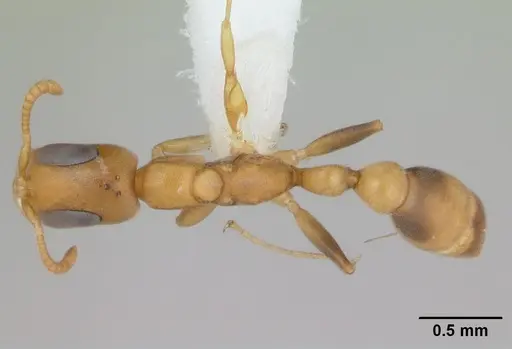
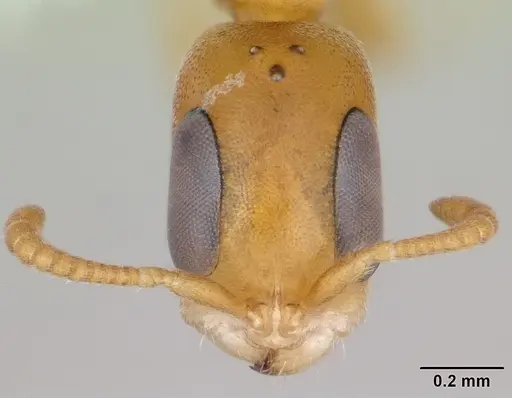
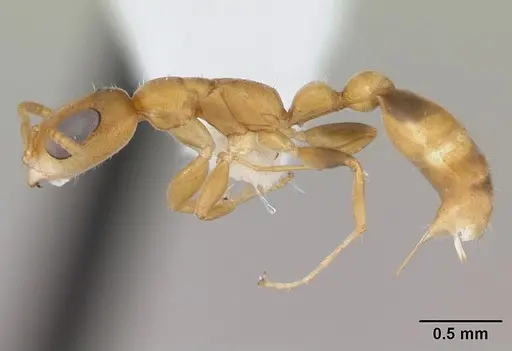
CASENT0902916
View on AntWeb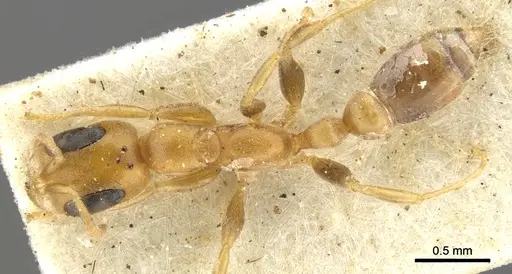
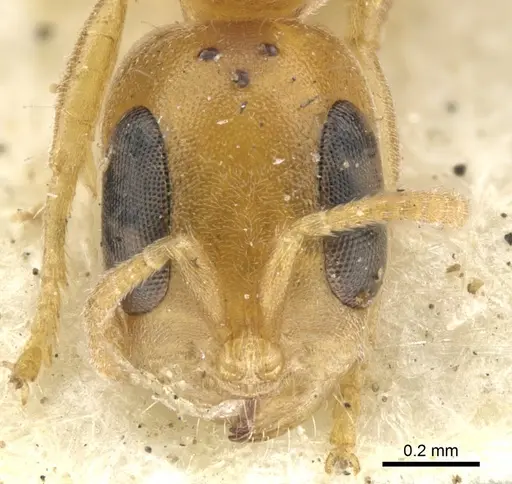
CASENT0907522
View on AntWeb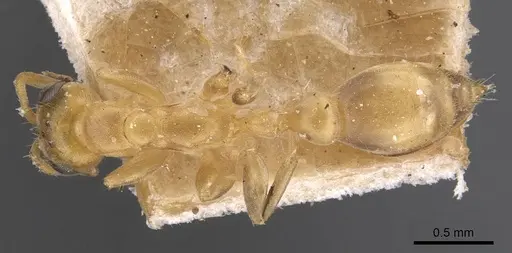
CASENT0915522
View on AntWeb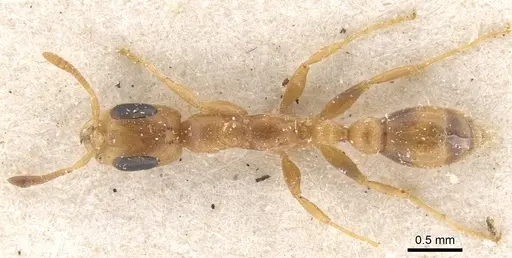
Literature
Loading...Loading products...