

Pseudomyrmex termitarius
- Scientific Name
- Pseudomyrmex termitarius
- Tribe
- Pseudomyrmecini
- Subfamily
- Pseudomyrmecinae
- Author
- Smith, 1855
- Distribution
- Found in 8 countries
Pseudomyrmex termitarius Overview
Pseudomyrmex termitarius is an ant species of the genus Pseudomyrmex. It is primarily documented in 8 countries , including Bolivia, Plurinational State of, Brazil. Detailed taxonomic data and occurrence records can be further explored via authoritative databases such as AntWeb or the Global Biodiversity Information Facility (GBIF).
Pseudomyrmex termitarius
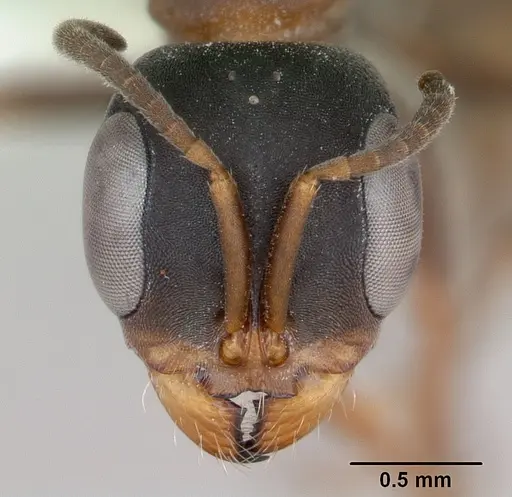
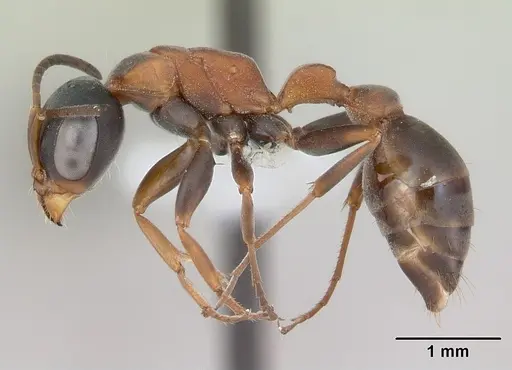
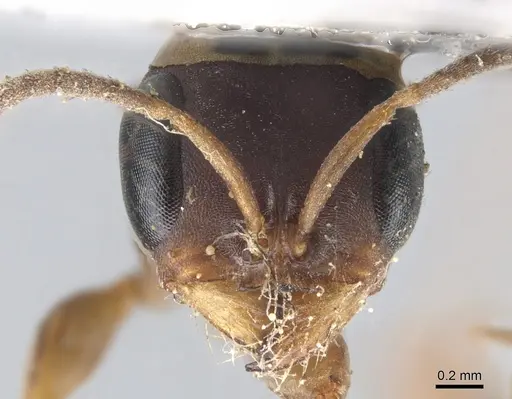
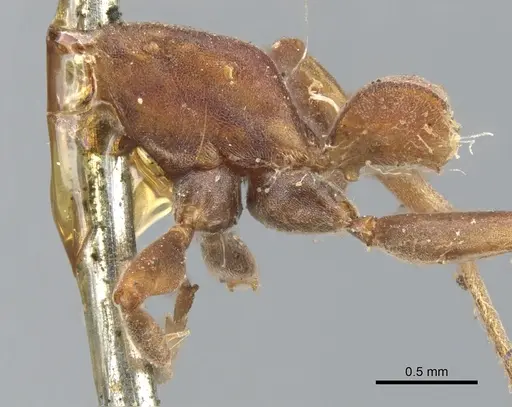
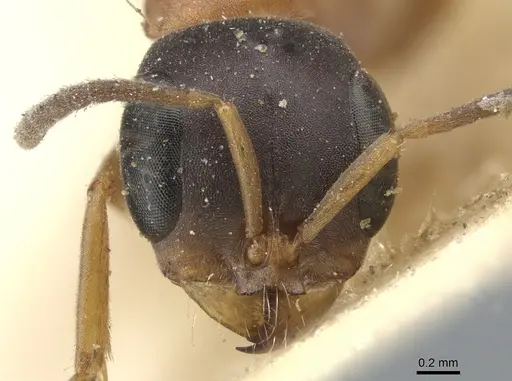
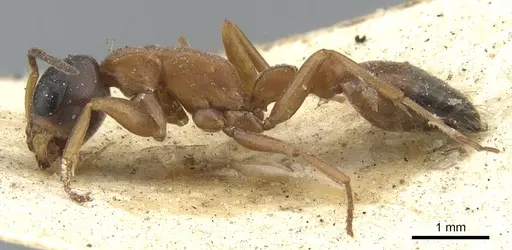
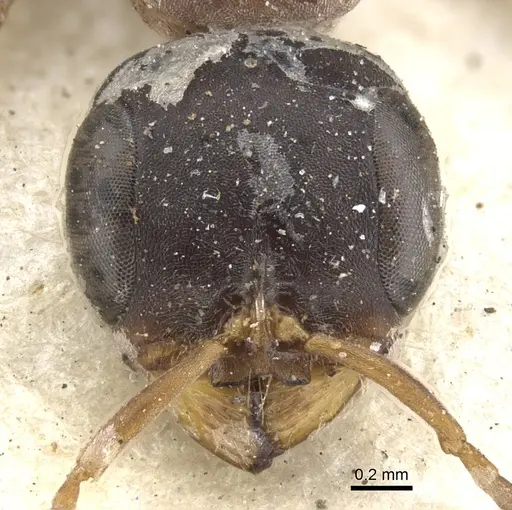
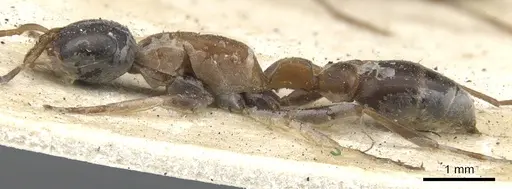
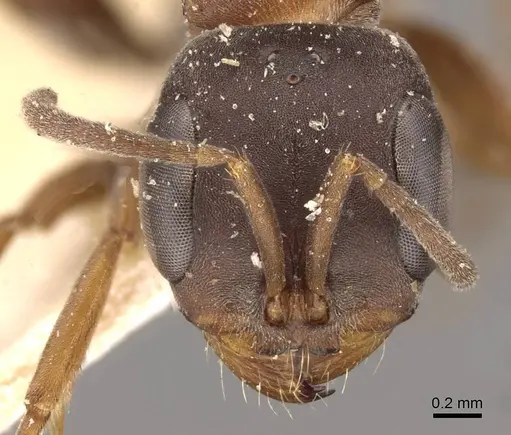
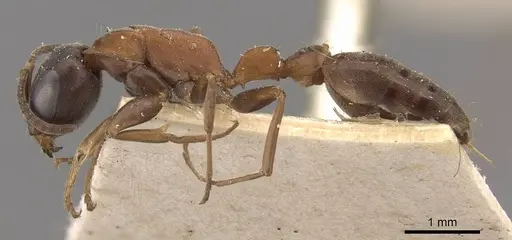
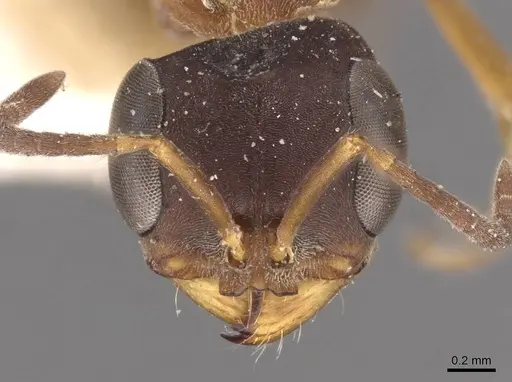
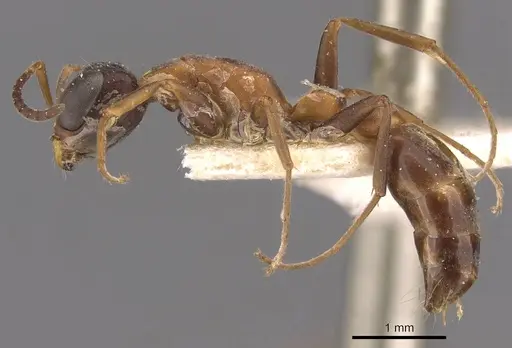
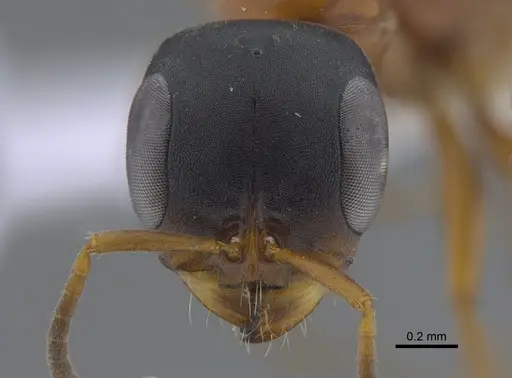
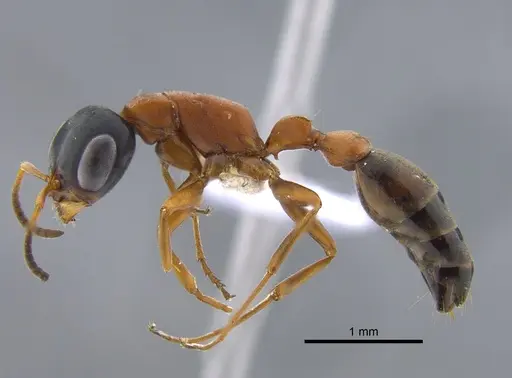
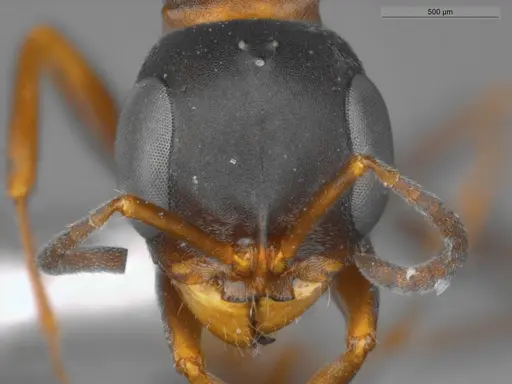
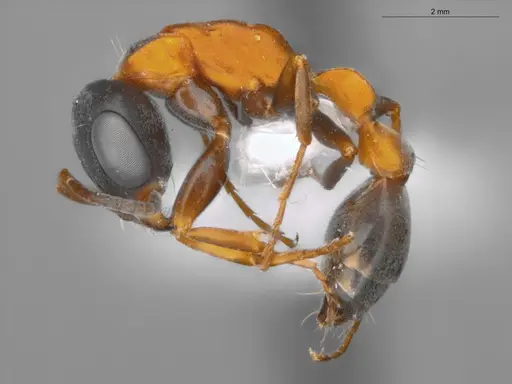
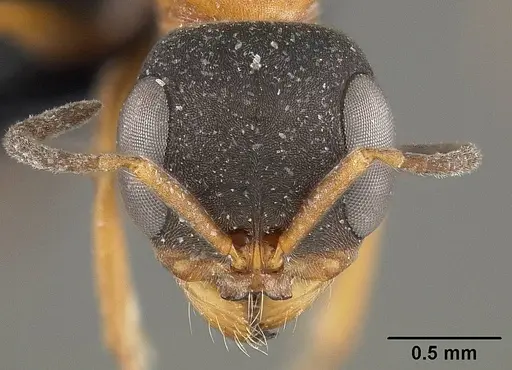
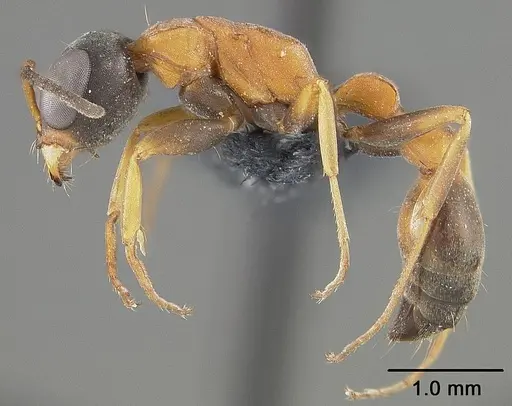
Pseudomyrmex termitarius is a small to medium-sized ant measuring approximately 7mm in total body length [1]. Workers have a distinctive bicolor appearance: dark brown head, gaster, and legs contrast with a lighter brown thorax and petiole [2][3]. This species belongs to the subfamily Pseudomyrmecinae, known for their large eyes and arboreal habits, but P. termitarius is unusual, it is one of only two Pseudomyrmex species that nest in soil rather than tree branches [4]. Found throughout Central and South America, from Panama south to Argentina, including Caribbean islands like Trinidad, St. Vincent, and Grenada [5]. It thrives in open habitats including Cerrado grasslands, pasture edges, and wetland areas, often nesting at the base of grass tufts or in association with termite mounds [4][1].
Quick Summary
- Difficulty: Medium
- Origin & Habitat: Neotropical region including Brazil, Colombia, Paraguay, Argentina, and Caribbean islands. Inhabits open grasslands (Cerrado), pasture edges, and wetland areas. Nests in soil, fallen logs, or termite mounds [4][1][5].
- Colony Type: Likely monogyne (single queen) based on comparison to related species. However, queens were found in only 2 of 15 excavated nests, suggesting possible polydomy (multiple connected nests) or gamergates (reproductive workers). Colonies are polydomous when nesting in termite mounds, occupying several chambers [4][1].
- Colony: Monogyne
- Special: Gamergates
- Size & Growth:
- Queen: Unconfirmed, queens described but measurements not available in research data
- Worker: Approximately 7mm total length [1]
- Colony: Up to 297 individuals per colony, with maximum 102 workers per nest [4]. Smaller colonies than most Pseudomyrmex species.
- Growth: Moderate, colonies reach maximum size of about 100 workers before producing alates
- Development: Unknown, no direct development data available. Estimates based on related Pseudomyrmex species suggest 6-10 weeks at tropical temperatures. (Alates (winged reproductives) appear in nests with 4+ workers, typically near maximum colony size [4].)
- Antkeeping:
- Temperature: Keep at 24-28°C. As a Neotropical species from warm climates, they prefer temperatures in the mid-to-high 20s. Avoid temperatures below 20°C.
- Humidity: Moderate to high. They nest in soil and termite mounds, so maintain some moisture in the substrate. Allow areas to dry between waterings but don't let it completely dry out.
- Diapause: No, as a tropical species, they do not require hibernation. Activity may slow slightly during cooler months but no true diapause.
- Nesting: Soil-nesting species. Provide a naturalistic setup with soil substrate or a plaster/acrylic nest with soil chamber. They will also nest in termite mound material if available. Nest chambers typically 3-8 per colony, at depths up to 22cm in the wild [4].
- Behavior: Diurnal foragers, active only during daylight hours [6]. Solitary foragers, they do not patrol in large groups [7]. Aggressive when threatened with a painful, venomous sting [1]. Workers forage individually for small prey and may tend honeydew-producing insects. Escape risk is moderate due to their medium size, standard barrier methods work well. They use idiothetic memory (remembering their own body movements) for navigation [8].
- Common Issues: queen absence in most nests makes colony founding difficult, wild colonies often lack visible queens, suggesting gamergate reproduction, small colony size limits growth potential, colonies max out around 100 workers, much smaller than typical ant colonies, soil-nesting requirements differ from most Pseudomyrmex, need appropriate substrate setup, not just twig nests, diurnal-only activity means they are inactive at night, don't mistake this for illness or death, aggressive sting makes them unsuitable for handling, use caution during nest maintenance
Housing and Nest Setup
Unlike most Pseudomyrmex species that nest in hollow twigs and branches, P. termitarius is one of only two soil-nesting species in this genus [4]. In the wild, they nest at the base of grass tufts or in bare soil with a slight slope, with a single entrance hole 2-3mm in diameter. The nest consists of a vertical tunnel about 3-4mm wide leading to 3-8 chambers at depths up to 22cm [4]. For captivity, provide a naturalistic setup with moist soil or a plaster nest with soil chambers. A test tube setup can work for founding colonies but they will need more space as the colony grows. They also readily nest in termite mound material, which mimics their natural association with termites in the Brazilian Cerrado [1]. The entrance should be small (2-3mm) to match their natural nest architecture.
Feeding and Diet
P. termitarius is an omnivorous-detritivorous species that feeds on small prey, honeydew, and plant secretions [9][10]. In captivity, they readily accept small insects like fruit flies (Drosophilidae) and termites (Cryptotermes brevis), along with sugar sources like honey water [4]. Workers are solitary foragers that hunt individually rather than in groups [7]. They are known to attend extrafloral nectaries and may exploit plant-derived sugars in captivity. Feed small live prey 2-3 times per week and provide constant access to sugar water or honey. Remove uneaten prey after 24 hours to prevent mold. They show interesting prey-handling behavior: workers remove wings from flies and winged termites, and discard heavily sclerotized parts from soldier termites [4].
Temperature and Seasonal Care
As a Neotropical species from warm regions, keep your colony at 24-28°C. They are diurnal and exclusively day-active, research in Brazil found zero activity at night [6]. This species does not require hibernation or diapause. However, activity may naturally decrease during cooler periods. Avoid temperatures below 20°C, as this is outside their tropical adaptation. A heating cable on one side of the nest can create a temperature gradient, allowing ants to self-regulate. They are found in diverse Brazilian ecosystems from Amazon to Cerrado to Atlantic Forest, indicating some flexibility, but consistently prefer warmer conditions.
Behavior and Defense
Workers are solitary foragers and do not patrol in large groups [7]. They are aggressive defenders with a painful, venomous sting, research describes them as having 'precise mandibles and painful, venomous sting serving as deterrent to predators' [1]. Handle with caution. They use idiothetic memory for navigation, meaning they remember their own body movements to find their way back to the nest [8]. This is different from many ants that use chemical trails. In the wild, they sometimes share nest chambers with Camponotus blandus in a form of parabiosis (close association without aggression), showing complete ecological overlap [1]. They are also known to pollinate flowers, with research showing they carry significant pollen loads on coconut inflorescences [11].
Colony Structure and Reproduction
Colony structure is unusual among Pseudomyrmex. A Colombian study found queens in only 2 of 15 excavated nests, leading researchers to hypothesize either polydomy (multiple satellite nests, some with queens) or gamergate reproduction (workers that can mate and lay eggs) [4]. Maximum colony size is about 297 individuals with up to 102 workers per nest, small compared to related species like P. ferruginea or P. belti [4]. Alates (winged reproductives) appear once colonies reach near-maximum size, typically 4+ workers. The average nest contains 1.1 male alates and 0.5 female alates. Colonies are hypothesized to be monogynous (single queen) like their close relatives, but the queenless nests suggest gamergates may supplement or replace queen reproduction in established colonies.
Unique Natural History
This species has several unusual traits for a Pseudomyrmex. Most Pseudomyrmex are arboreal twig-nesters, but P. termitarius is one of only two soil-nesting species in the genus [4]. They commonly associate with termite mounds, particularly Cornitermes cumulans in the Brazilian Cerrado, where they occupy chambers inside the termite nest structure [1]. This is an opportunistic association, they may prey on termite brood or other arthropods in the termite colony. They are classified as a subordinate species in ant communities and are infrequently observed compared to dominant species [5]. Research also found them attending extrafloral nectaries of Turnera subulata in Caatinga vegetation [5]. Their bicolor appearance (dark head/gaster, light thorax/petiole) serves as Batesian mimicry, resembling more aggressive ant species to deter predators [1].
Frequently Asked Questions
Can I keep Pseudomyrmex termitarius in a test tube setup?
Yes, test tubes work for founding colonies, but they will need more space as the colony grows. Unlike most Pseudomyrmex that live in twigs, this species nests in soil, so consider adding a soil chamber or naturalistic setup as the colony reaches 20+ workers. They will readily move brood into the chosen container within a day [4].
How long does it take for the first workers to appear?
The exact egg-to-worker timeline is unconfirmed for this species. Based on related Pseudomyrmex species, expect 6-10 weeks at optimal temperatures (24-28°C). Colony growth is slower than many ants, with maximum colony size around 100 workers [4].
Do Pseudomyrmex termitarius ants sting?
Yes, they have a painful, venomous sting. They are described as aggressive defenders with precise mandibles and venom that serves as a deterrent to predators [1]. Handle with caution and use caution during nest maintenance.
How big do colonies get?
Colonies are relatively small compared to other ants, maximum around 100 workers and 297 total individuals including brood and alates [4]. This is smaller than most Pseudomyrmex species.
Can I keep multiple queens together?
Not recommended. Research suggests colonies are likely monogynous (single queen), similar to related species P. ferruginea and P. belti [4]. The absence of queens in most wild nests is likely due to gamergate reproduction (reproductive workers), not multiple queens.
What do Pseudomyrmex termitarius eat?
They are omnivorous-detritivores. In captivity, they accept small insects (especially termites and fruit flies) and sugar sources like honey water [4]. Feed small live prey 2-3 times per week and provide constant sugar water. They are solitary foragers, so offer prey in small quantities.
Do they need hibernation?
No. As a tropical Neotropical species, they do not require hibernation. They remain active year-round at appropriate temperatures. Activity may slow during cooler periods but no special winter care is needed.
Why is my queen not laying eggs?
This species may use gamergate reproduction (workers that can lay eggs). Queens were found in only 2 of 15 wild nests [4]. Your colony may be reproducing through gamergates rather than a claustral queen. If you have a confirmed queen, give her time, she may need several weeks to begin laying after mating.
Are Pseudomyrmex termitarius good for beginners?
Medium difficulty. They are less commonly kept than other Pseudomyrmex due to their soil-nesting requirements and smaller colony sizes. Their aggressive sting and specific nesting needs make them better suited for keepers with some ant-keeping experience. However, their small colony size makes them manageable once established.
Why are my ants inactive at night?
This is normal, they are strictly diurnal. Research in Brazil found zero nighttime activity [6]. They forage exclusively during daylight hours and rest at night. Do not mistake this for illness.
What's the best nest type for this species?
A naturalistic setup with moist soil substrate works best, mimicking their natural soil-nesting behavior. They will also nest in plaster nests with soil chambers or in material from termite mounds. The nest should have small entrance (2-3mm) and multiple chambers at different depths, as they build chambers up to 22cm deep in the wild [4].
References

This caresheet is licensed under CC BY-SA 4.0 .
CASENT0173786
View on AntWeb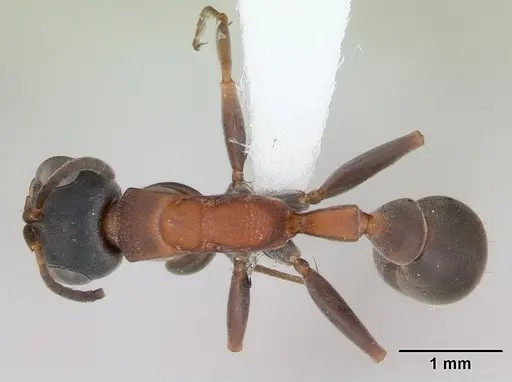
CASENT0902864
View on AntWeb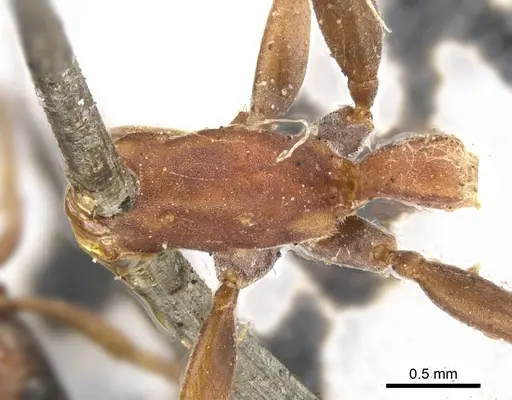
CASENT0902865
View on AntWeb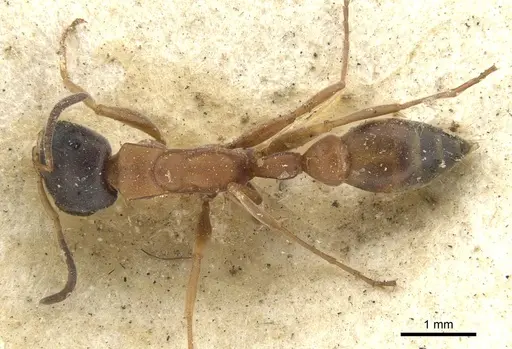
CASENT0902866
View on AntWeb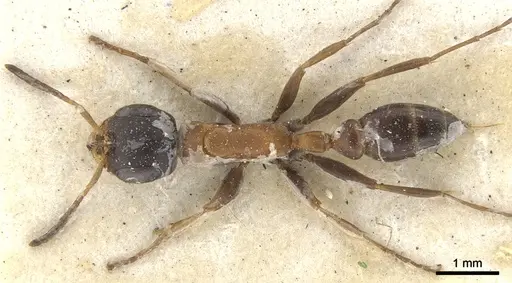
CASENT0907483
View on AntWeb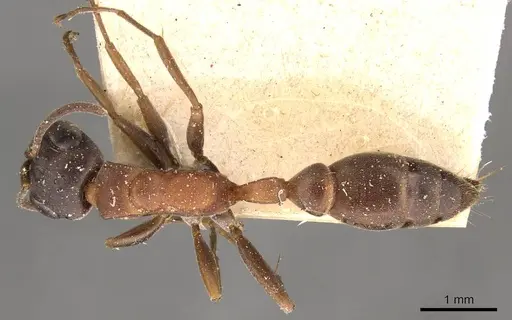
CASENT0907484
View on AntWeb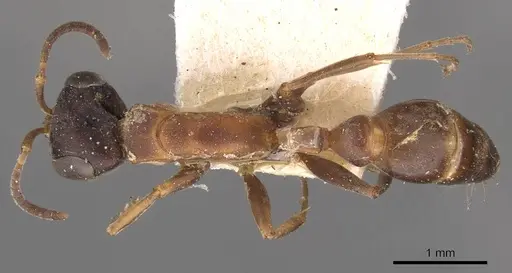
CBUMAGENT41734
View on AntWeb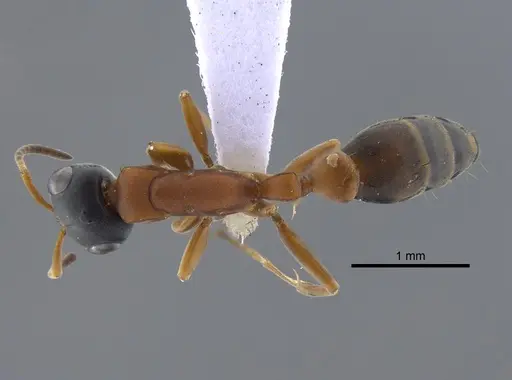
ECOFOG-SAV18-0009-06
View on AntWeb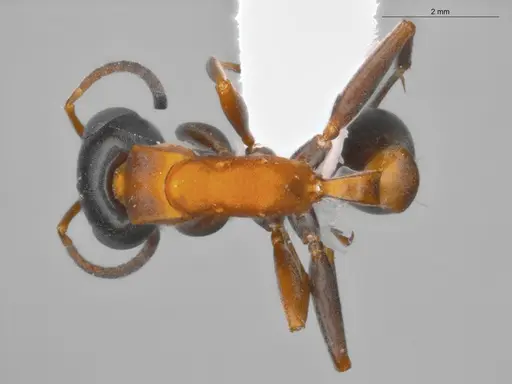
USNMENT01124302
View on AntWeb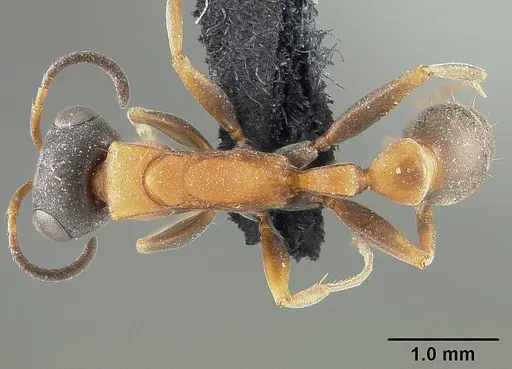
Literature
Loading...Loading products...