

Pseudomyrmex tenuissimus
- Scientific Name
- Pseudomyrmex tenuissimus
- Tribe
- Pseudomyrmecini
- Subfamily
- Pseudomyrmecinae
- Author
- Emery, 1906
- Distribution
- Found in 18 countries
Pseudomyrmex tenuissimus Overview
Pseudomyrmex tenuissimus is an ant species of the genus Pseudomyrmex. It is primarily documented in 18 countries , including Aruba, Bolivia, Plurinational State of. Detailed taxonomic data and occurrence records can be further explored via authoritative databases such as AntWeb or the Global Biodiversity Information Facility (GBIF).
Pseudomyrmex tenuissimus
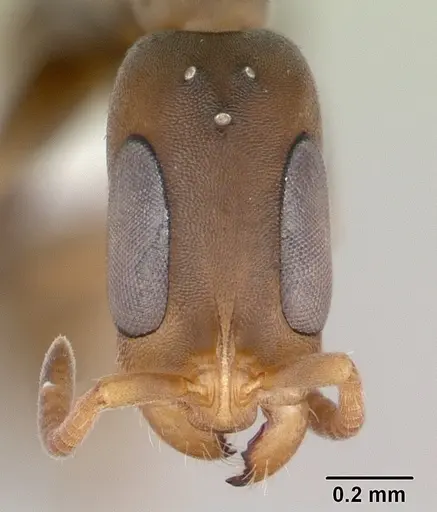
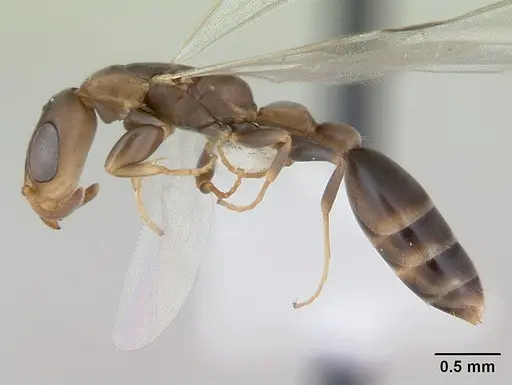
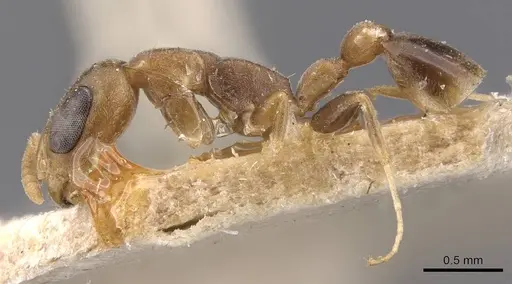
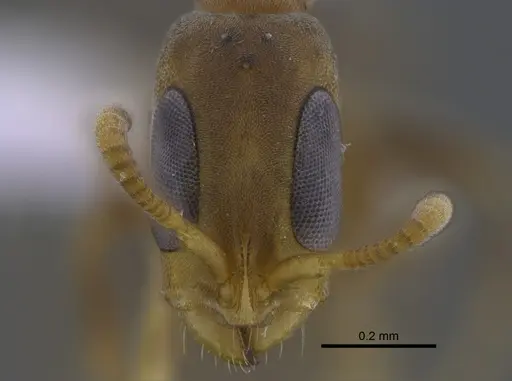
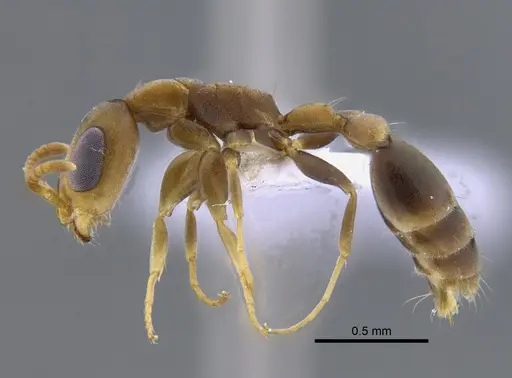
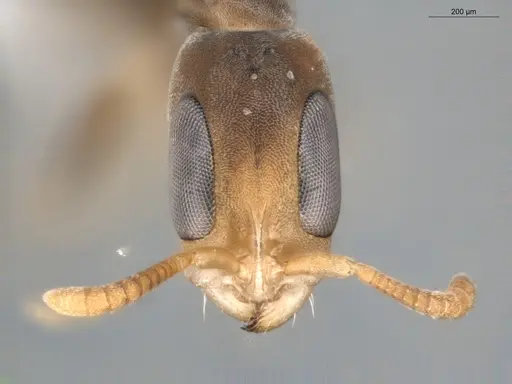
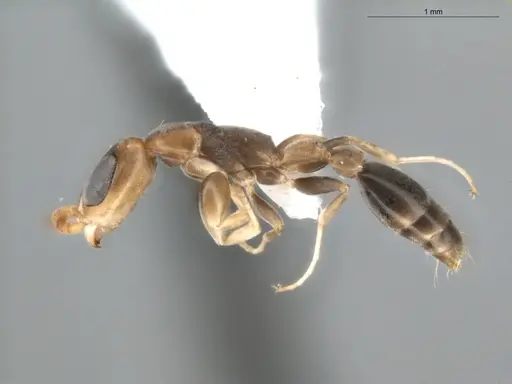
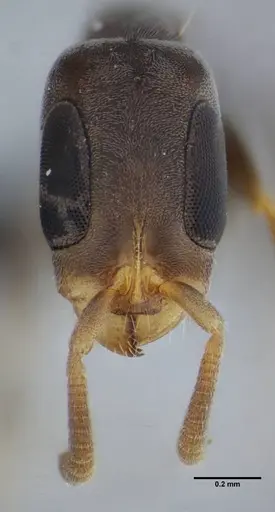
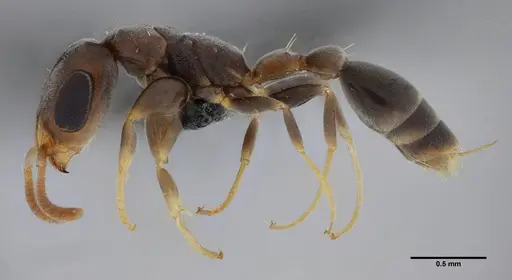
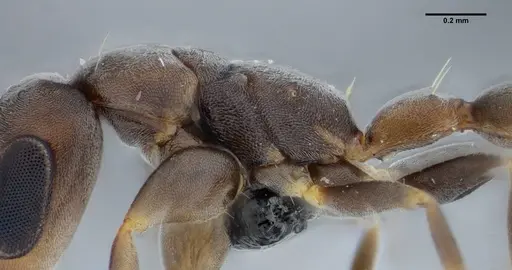
Pseudomyrmex tenuissimus is a very small arboreal ant measuring just 0.48-0.53mm in head width, making it one of the smaller Pseudomyrmex species [1]. Workers have an elongated head and a darker, more uniform brown to grey-brown coloration compared to related species [2]. This species belongs to the P. subtilissimus group and ranges throughout the Neotropical region from Mexico down to Argentina, including the Caribbean islands [2]. Unlike some relatives that specialize in acacia plants, P. tenuissimus is a generalist twig-nesting ant that colonizes dead twigs and vines in various habitats including rainforests, forest edges, old fields, and dry tropical forests [2]. Colonies are small, typically containing fewer than 20 workers, and they nest in hollow plant stems rather than forming large colonies like some other Pseudomyrmex species.
Quick Summary
- Difficulty: Medium
- Origin & Habitat: Neotropical region, found from Mexico to Argentina, including Caribbean islands. Inhabits dead twigs and vines in rainforests, forest edges, old fields/pasture, and tropical dry forests [2].
- Colony Type: Single-queen colonies (monogyne). Observed colonies contain 7-13 workers with a single dealate queen [2]. Small colony size with up to perhaps 20-50 workers in mature colonies.
- Colony: Monogyne
- Founding: Claustral
- Size & Growth:
- Queen: Approximately 5-6mm (estimated from worker proportions, no direct measurement available)
- Worker: 0.48-0.53mm head width, total length approximately 4-5mm [1][2]
- Colony: Small, observed colonies have 7-13 workers, likely up to 20-50 workers in mature colonies [2]
- Growth: Moderate, small colony size suggests moderate growth rate
- Development: Estimated 6-8 weeks at tropical temperatures (25-28°C) (Development time inferred from related Pseudomyrmex species. Warm tropical conditions accelerate development.)
- Antkeeping:
- Temperature: Tropical species, keep at 24-28°C. Room temperature (22-25°C) is acceptable. Avoid temperatures below 20°C as this is a strictly tropical ant [3].
- Humidity: Moderate to high humidity (60-80%). These ants naturally inhabit forest environments with some moisture. Keep nest substrate slightly moist but allow drying between waterings.
- Diapause: No, as a strictly tropical species, P. tenuissimus does not require hibernation or winter dormancy. Maintain year-round tropical conditions.
- Nesting: Twig-nesting species, provide narrow test tubes, Y-tong nests, or acrylic nests with small chambers. They naturally nest in dead twigs and vines, so narrow passages mimic their natural hollow stem habitat. Avoid large, open spaces.
- Behavior: Generally calm and non-aggressive. Workers forage individually on vegetation and are active hunters of small arthropods. They have good vision (large eyes characteristic of Pseudomyrmecinae) and will explore their outworld actively. Escape risk is moderate due to small size, use standard barriers but no special fine mesh needed like with minute ants. They are generalist foragers and will accept various protein sources.
- Common Issues: small colony size means slow population growth, don't expect rapid expansion, tropical temperature requirements mean they cannot tolerate cool rooms, twig-nesting habit requires appropriately sized nests with narrow chambers, wild-caught colonies may be difficult to establish due to small colony size, foraging workers may wander widely, ensure outworld has good boundaries
Housing and Nest Setup
Pseudomyrmex tenuissimus is a twig-nesting ant, which means they naturally live inside hollow plant stems. In captivity, you can house them in test tubes, Y-tong (AAC) nests, or acrylic formicariums with appropriately sized chambers. The key is providing narrow passages that mimic their natural twig environment, chambers should be tight enough that workers can touch opposite walls. A test tube setup works well for founding colonies: use a small test tube with a cotton plug creating a water reservoir, and place it in a dark container (outworld) for the ants to forage. For established colonies, a small acrylic nest with chambers roughly 5-10mm wide works well. These ants do not need large spaces, they prefer cozy, enclosed areas that resemble their natural twig homes. Because they are arboreal, they tend to stay higher in the nest, so ensure the nest chamber is positioned away from substrate level. [3][2]
Feeding and Diet
In the wild, P. tenuissimus forages on vegetation and preys on small arthropods. They are generalist predators and will accept various protein sources including small insects (fruit flies, small crickets, mealworms), and they also consume carbohydrate sources like honey water or sugar water. Feed them small prey items 2-3 times per week, pieces should be appropriately sized for their tiny workers. A drop of sugar water or honey diluted with water can be offered weekly as a carbohydrate source. Remove any uneaten prey after 24-48 hours to prevent mold. Because they are small, prey items should be tiny, pinhead crickets, fruit flies, or small mealworm pieces work well. Observe your colony's preferences, some colonies accept a wider variety than others. [2]
Temperature and Humidity
As a strictly tropical species, P. tenuissimus requires warm temperatures between 24-28°C. Room temperature in most homes (22-25°C) is acceptable, but they may struggle below 22°C. If your room is cooler, use a heating cable or heat mat on one side of the nest to create a warm zone around 26°C. Place the heating element on top of the nest, not underneath, to prevent excessive drying. For humidity, aim for 60-80% relative humidity. These forest-dwelling ants prefer moderate moisture, keep the nest substrate slightly damp but not waterlogged. A small water tube connected to the nest provides drinking water and helps maintain humidity. Mist the outworld occasionally but avoid saturating the nest area. Good ventilation is important to prevent mold while maintaining humidity. [3][2]
Colony Establishment
Starting a colony of P. tenuissimus can be challenging because wild colonies are small (typically under 20 workers) and queens are not commonly found. If you acquire a founding queen, she will likely be claustral, sealing herself in a small chamber and raising the first brood on her stored fat reserves. Provide her with a small, dark test tube with a water reservoir. Place this in a quiet, dark location and do not disturb her for 6-8 weeks. Once the first workers (nanitics) emerge, they will be smaller than normal workers but will begin foraging. At this point, you can connect the test tube to an outworld and begin offering food. Growth will be slow, expect several months to reach a dozen workers. Patience is key with this species. If acquiring an established colony, transfer it carefully to an appropriately sized nest and maintain stable conditions. [2]
Behavior and Temperament
Pseudomyrmex tenuissimus workers are calm and not particularly aggressive. They are active foragers with good vision, patrolling vegetation in search of prey. Unlike some Pseudomyrmex species that form mutualisms with plants, this is a generalist that will nest in various twig types. Workers have the large eyes characteristic of the subfamily, which they use to navigate their arboreal environment. They are not defensive and rarely sting, Pseudomyrmex ants can sting but typically only when directly threatened. The escape risk is moderate, while small, they are not as tiny as some minute ants, so standard barrier methods work well. They do not form supercolonies and each colony remains small and contained. Observing their foraging behavior can be enjoyable as they actively explore and hunt small prey. [3][2]
Frequently Asked Questions
How long does it take for Pseudomyrmex tenuissimus to raise first workers?
Expect 6-8 weeks from founding to first workers emerging at warm tropical temperatures (26-28°C). The queen will seal herself in and raise the brood alone during this time. Development may take longer at cooler temperatures.
Can I keep Pseudomyrmex tenuissimus in a test tube?
Yes, test tubes work well for this species, especially for founding colonies. Use a small test tube with a water reservoir. The narrow chamber mimics their natural twig-nesting habitat. For established colonies, you can connect the test tube to an outworld for foraging.
What do Pseudomyrmex tenuissimus ants eat?
They are generalist predators that accept small insects like fruit flies, tiny crickets, and mealworm pieces. They also consume carbohydrates from honey water or sugar water. Feed small prey items 2-3 times per week and remove uneaten food promptly.
Do Pseudomyrmex tenuissimus ants need hibernation?
No, they do not require hibernation. This is a strictly tropical species native to the Neotropics. Keep them at warm temperatures (24-28°C) year-round without any winter cooling period.
How big do Pseudomyrmex tenuissimus colonies get?
Colonies remain relatively small. Observed wild colonies contain 7-13 workers, and mature colonies likely reach 20-50 workers at most. This is not a large colony species, expect modest population growth over time.
Are Pseudomyrmex tenuissimus good for beginners?
This species is rated as medium difficulty. While not aggressive, their small size, tropical temperature requirements, and slow colony growth make them better suited for keepers with some experience. The main challenges are maintaining warm temperatures and being patient with slow growth.
Do Pseudomyrmex tenuissimus ants sting?
Pseudomyrmex ants have the ability to sting but are not aggressive or defensive. Workers typically flee rather than attack when threatened. Stinging would only occur if directly handled or provoked.
What is the best nest type for Pseudomyrmex tenuissimus?
Y-tong (AAC) nests or small acrylic formicariums with narrow chambers work best. The key is providing tight, enclosed spaces that mimic their natural twig-nesting habitat. Avoid large, open nests, they prefer cozy chambers where workers can touch both walls.
Why is my Pseudomyrmex tenuissimus colony not growing?
Growth is naturally slow with this species, expect months to add each worker. Ensure temperatures are warm (24-28°C), humidity is adequate (60-80%), and the queen is healthy. Small colonies are vulnerable to stress, so minimize disturbances. Also verify the colony has enough protein food.
References

This caresheet is licensed under CC BY-SA 4.0 .
CASENT0173781
View on AntWeb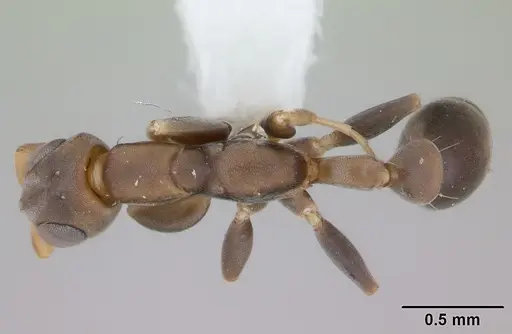
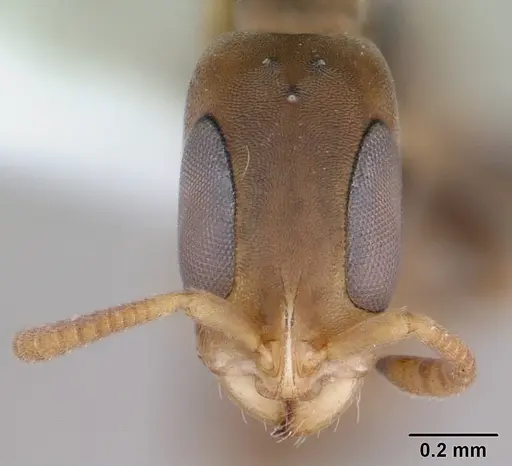
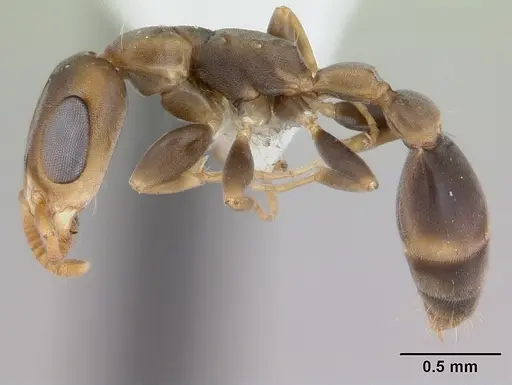
CASENT0173782
View on AntWeb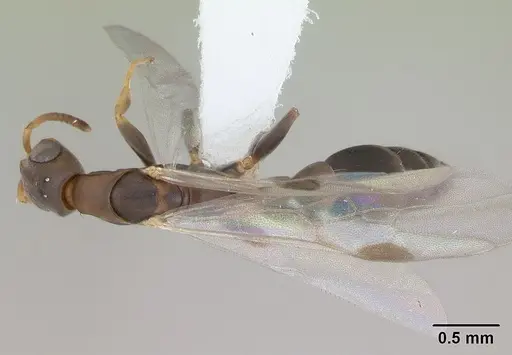
CASENT0904058
View on AntWeb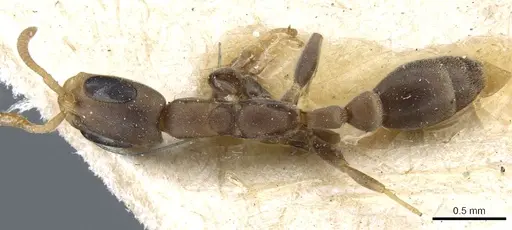
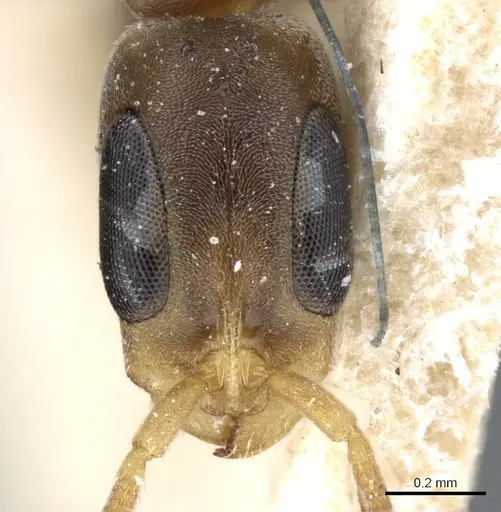
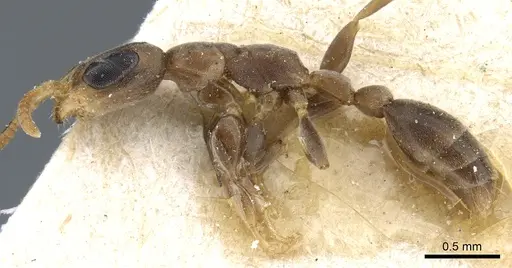
CASENT0907523
View on AntWeb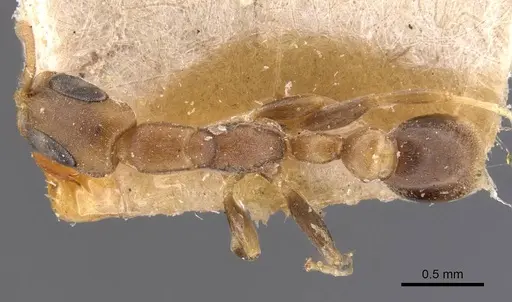
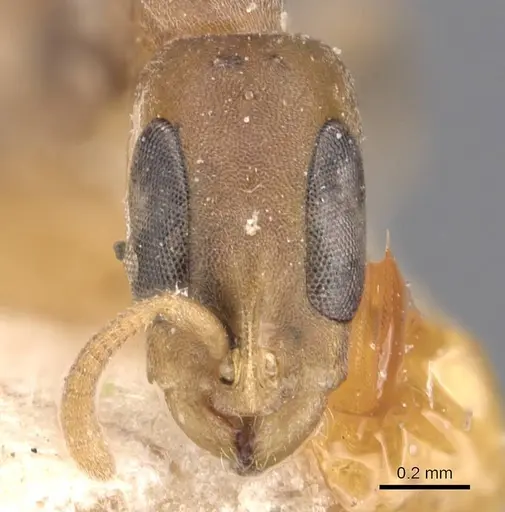
CBUMAGENT41808
View on AntWeb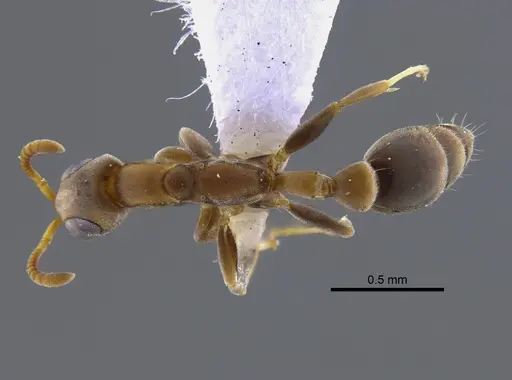
ECOFOG-KR20-0005-19
View on AntWeb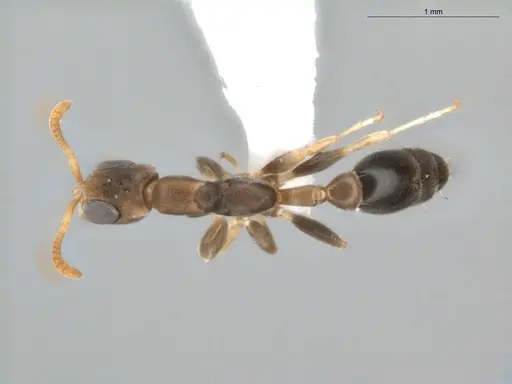
UFV-LABECOL-006536
View on AntWeb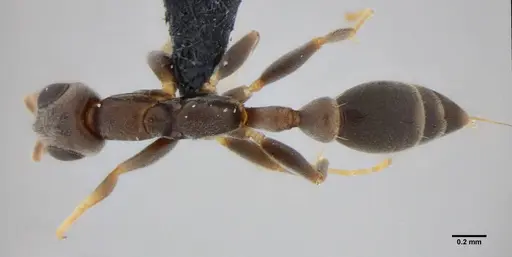
Literature
Loading...Loading products...