

Pseudomyrmex subtilissimus
- Scientific Name
- Pseudomyrmex subtilissimus
- Tribe
- Pseudomyrmecini
- Subfamily
- Pseudomyrmecinae
- Author
- Emery, 1890
- Distribution
- Found in 1 countries
Pseudomyrmex subtilissimus Overview
Pseudomyrmex subtilissimus is an ant species of the genus Pseudomyrmex. It is primarily documented in 1 countries , including Costa Rica. Detailed taxonomic data and occurrence records can be further explored via authoritative databases such as AntWeb or the Global Biodiversity Information Facility (GBIF).
Pseudomyrmex subtilissimus
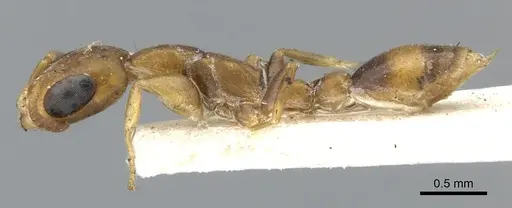
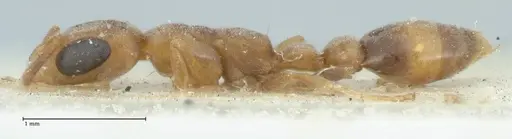
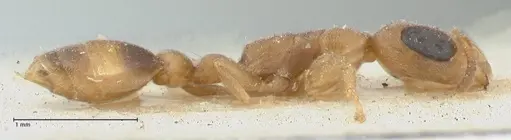
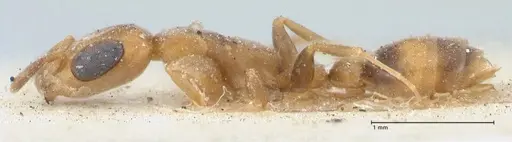
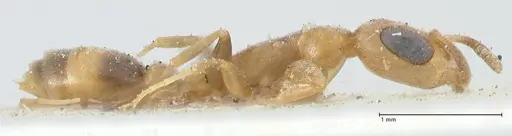
Pseudomyrmex subtilissimus is a tiny, slender ant measuring just 0.55-0.59mm in head width, making it the smallest of all acacia-associated Pseudomyrmex species [1]. Workers have a moderately elongate head, short petiole, and light brown coloration with a distinctive banded appearance on the gaster, a dark brown abdomen with a contrasting light brown band across the front of abdominal segment IV [1]. This species is found across the Neotropical region, including Colombia, Costa Rica, Mexico, and Nicaragua, where it inhabits the swollen thorn cavities of acacia trees [1][2].
This ant is remarkable for being an obligate acacia symbiont, it lives exclusively within the hollow thorns of swollen-thorn acacias and is completely dependent on this specific plant host for nesting [3]. Unlike most acacia ants, P. subtilissimus is notably timid and non-aggressive, and uniquely manages to coexist alongside the aggressive acacia-ants (Pseudomyrmex flavicornis) within the same host plant [3][1].
Quick Summary
- Difficulty: Expert
- Origin & Habitat: Neotropical region, found in Colombia, Costa Rica, Mexico (Nayarit, Oaxaca, Veracruz), and Nicaragua. This species is an obligate symbiont of swollen-thorn acacias, living exclusively within the hollow thorns of these trees [3][2][1].
- Colony Type: Colony structure is not well documented. As an obligate acacia ant, colonies likely consist of relatively small groups living within individual acacia thorns. The species has been observed coexisting with Pseudomyrmex flavicornis in the same host plants [3].
- Size & Growth:
- Queen: Unconfirmed, queens have been described but specific measurements not readily available in the provided data
- Worker: 0.55-0.59mm head width (HL 0.86-0.95mm) [1]
- Colony: Likely small, as an obligate acacia ant living in individual thorn cavities, colonies are probably limited to dozens to low hundreds of workers [3]
- Growth: Unknown, no development data available
- Development: Unknown, no direct development studies exist for this species (Development timeline has not been studied. Related Pseudomyrmex species typically develop from egg to worker in 4-8 weeks under warm tropical conditions, but this is an estimate for P. subtilissimus.)
- Antkeeping:
- Temperature: As a Neotropical species associated with acacias in tropical regions, these ants likely require warm conditions in the low-to-mid 20s°C (around 24-28°C). No specific thermal studies exist for this species [3].
- Humidity: High humidity is essential, these ants live inside acacia thorns which maintain humid internal conditions. Keep nest substrate consistently moist but not waterlogged.
- Diapause: Unlikely, as a tropical species from regions with minimal seasonal temperature variation, diapause is probably not required. However, this has not been specifically studied.
- Nesting: This is the critical challenge, P. subtilissimus is an obligate acacia ant that only nests in swollen thorn cavities. In captivity, providing suitable nesting that mimics acacia domatia would be essential. This might include carefully prepared setups with small hollow structures or custom nests that replicate the tight, humid conditions of acacia thorns.
- Behavior: This species is described as timid and non-aggressive, unlike most acacia ants which aggressively defend their host plants [3]. Workers are small and likely quick-moving. They coexist peacefully with other ant species within the same acacia host. Escape prevention is critical given their tiny size, they can easily escape through standard barrier systems. Their relationship with acacias involves typical domatia symbiosis, shelter for the ants, and likely some benefit to the acacia though this species is not the primary aggressive defender [3].
- Common Issues: obligate symbiont requirements make captive husbandry extremely difficult, they require acacia-like nesting structures, tiny size means escape prevention must be excellent, standard barriers may not contain them, non-aggressive temperament may make them vulnerable to bullying if housed with other ant species, no established husbandry protocols exist, this is not a species for beginners, coexistence with aggressive acacia ants suggests they may be outcompeted in captive settings if housed with more aggressive species
Obligate Acacia Symbiosis
Pseudomyrmex subtilissimus represents one of the most specialized ant-plant relationships in the Americas. This species is an obligate symbiont of swollen-thorn acacias, meaning it cannot survive without its host plant [3]. The ants live exclusively within the hollow chambers (domatia) formed by the swollen thorns of acacia trees, particularly in Central American species like Acacia cornigera. This is fundamentally different from facultative acacia ants that may nest elsewhere. The relationship is mutualistic in nature, the acacia provides protected housing, and in return, the ants presumably provide some defense against herbivores, though P. subtilissimus is notably less aggressive than other acacia ants [3]. The most remarkable aspect of this species is its ability to coexist with the aggressive Pseudomyrmex flavicornis within the same acacia plant, a situation that would be impossible for most ant species given the fierce territoriality of typical acacia-ants [3].
Housing and Nesting Challenges
Keeping Pseudomyrmex subtilissimus in captivity presents extraordinary challenges that make it unsuitable for most antkeepers. This is not a species that can be housed in standard formicariums or test tube setups. As an obligate acacia ant, they require nesting conditions that mimic the humid, enclosed environment of acacia thorn domatia. Creating such a setup would require access to suitable acacia plants or carefully constructed artificial domatia that maintain high humidity while allowing the colony to move between chambers. Most antkeepers should not attempt to keep this species, it represents a specialized research-level project rather than a hobby species. If attempted, the keeper would need to provide a living or constructed acacia thorn system, maintain consistently high humidity (approaching 80%+), and ensure the nest structure has the small, tight chambers these tiny ants prefer [3].
Distribution and Range
Pseudomyrmex subtilissimus is found throughout the Neotropical region, with documented records in Mexico (particularly Nayarit, Oaxaca, and Veracruz states), Costa Rica, Nicaragua, and Colombia [2][1]. In Colombia, the species has been recorded at elevations around 980 meters above sea level in the Amalfi region [4]. The distribution follows the range of its acacia host plants, which are primarily Central American species. The species appears to be relatively rare in collections, known only from a few collections all associated with acacia plants [3]. This limited distribution and specialized habitat requirements explain why the species is not commonly kept, suitable host plants are not readily available outside its native range, and the ants themselves are rarely encountered even in their natural habitat.
Behavior and Temperament
Unlike most acacia ants which are famously aggressive defenders of their host plants, P. subtilissimus is described as a small, timid species [3]. This docile temperament is unusual among acacia symbionts and raises interesting questions about how this species survives in an environment shared with aggressive competitors. The ability to coexist with Pseudomyrmex flavicornis (a member of the aggressive P. ferrugineus group) within the same acacia plant is particularly puzzling [3]. Rather than competing directly, P. subtilissimus likely occupies different thorn cavities or utilizes the spaces less vigorously defended by the aggressive species. In captivity, this non-aggressive nature would likely make them vulnerable if housed with any other ant species. They are fast-moving and small, which helps them avoid confrontation rather than engage in the aggressive territorial behavior typical of their relatives.
Identification and Morphology
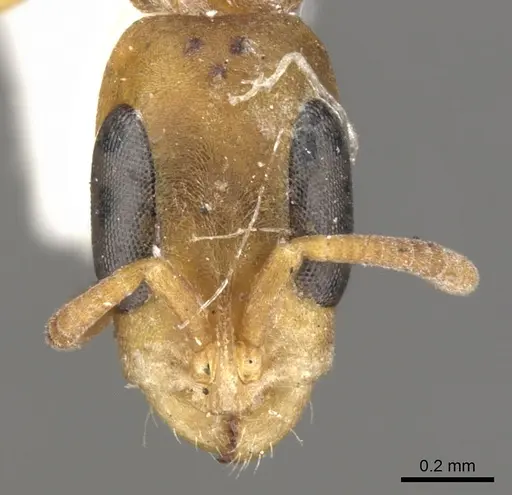
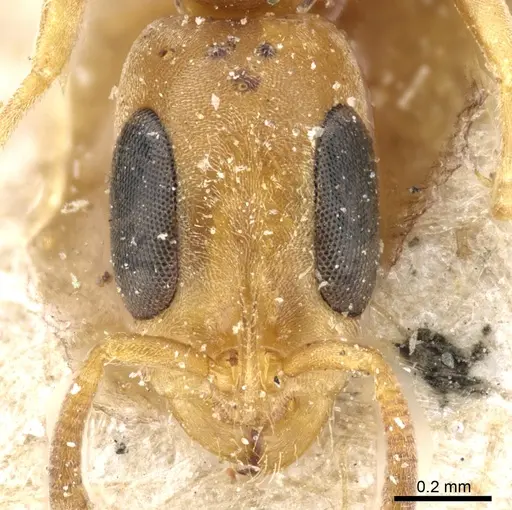
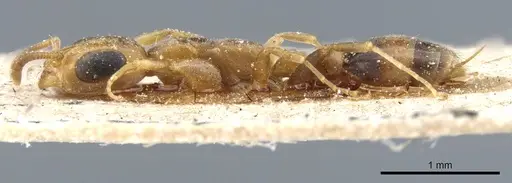
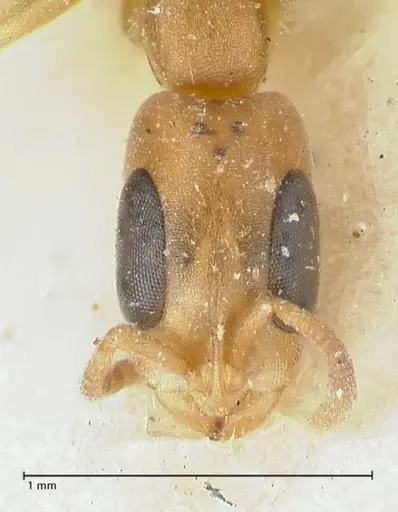
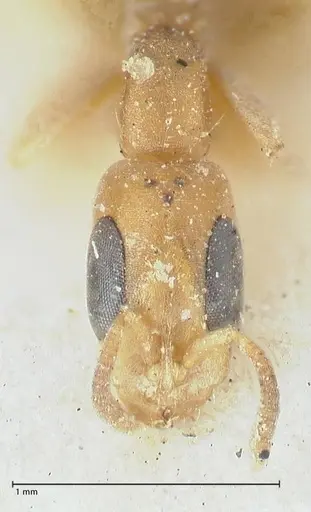
Workers of Pseudomyrmex subtilissimus are among the smallest of all acacia-associated Pseudomyrmex, with a head width of only 0.55-0.59mm and head length of 0.86-0.95mm [1]. The species is characterized by a moderately elongate head (broader than P. tenuissimus but more elongate than P. spiculus and P. villosus), a short petiole, and distinctive coloration. The body is uniformly light brown, while the gaster (abdomen) is dark brown with a contrasting light brown band across the anterior half of abdominal tergite IV, this banded appearance is a key identifying feature [1]. The eyes are relatively short and do not reach the level of the median ocellus. The basal face of the propodeum is flatter, meeting the declivitous face at a more distinct angle compared to similar species.
Frequently Asked Questions
Can I keep Pseudomyrmex subtilissimus in a test tube?
No, this species is not suitable for standard test tube or formicarium setups. As an obligate acacia ant, they require nesting conditions that mimic the humid, enclosed environment of acacia thorn domatia. Creating such a setup would require access to living acacia plants or carefully constructed artificial domatia. This is an advanced research-level species, not a hobby species.
What do Pseudomyrmex subtilissimus ants eat?
Like other Pseudomyrmex species, they likely feed on honeydew from sap-sucking insects and extrafloral nectar from the acacia, plus small insects they can capture. However, their specific dietary requirements in captivity have not been studied. The more important question is whether they can be housed at all, they require their acacia host.
Are Pseudomyrmex subtilissimus good for beginners?
Absolutely not. This is one of the most difficult ant species to keep in captivity due to its obligate relationship with acacia plants. There are no established husbandry protocols, and providing suitable housing requires either living acacia plants or custom-built artificial domatia. This species is suitable only for advanced researchers with specific expertise in ant-plant symbiosis.
How big do Pseudomyrmex subtilissimus colonies get?
Colony size is not well documented but is likely small, probably dozens to a few hundred workers at most. This is because they live within individual acacia thorn cavities, which provide limited space. The species has been collected only rarely, suggesting colonies are always small [3].
Do Pseudomyrmex subtilissimus ants sting?
Pseudomyrmex belongs to the subfamily Pseudomyrmecinae, which does have functional stingers. However, this species is described as timid and non-aggressive, and is unlikely to sting even when handled. Their small size also means any sting would be negligible to humans.
Can I keep multiple queens together?
This has not been studied. The colony structure of P. subtilissimus is not well documented, though related species may have single-queen colonies. Given the specialized nature of this species and the challenges of housing them at all, combining queens is not recommended.
Do Pseudomyrmex subtilissimus need hibernation?
No, as a tropical species from the Neotropical region, they do not require hibernation or diapause. They likely remain active year-round in warm, humid conditions matching their native acacia habitat.
Why are my Pseudomyrmex subtilissimus dying?
This species has likely died because standard captive setups cannot provide the specialized conditions they require. They need to live within acacia thorn structures with high humidity. Without their obligate host plant relationship, colonies cannot survive. This is not a species that can be successfully kept in conventional ant husbandry.
What temperature do Pseudomyrmex subtilissimus need?
As a Neotropical species, they likely require warm conditions in the range of 24-28°C (low-to-mid 80s°F). However, temperature is secondary to the primary requirement of suitable acacia-based nesting. No specific thermal studies exist for this species.
References

This caresheet is licensed under CC BY-SA 4.0 .
CASENT0902919
View on AntWeb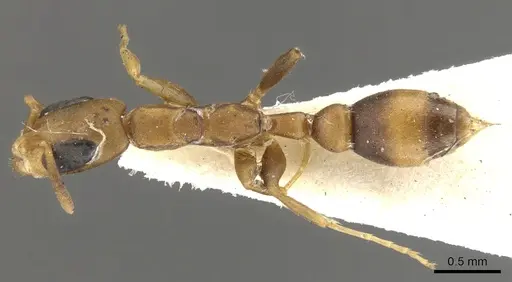
CASENT0904057
View on AntWeb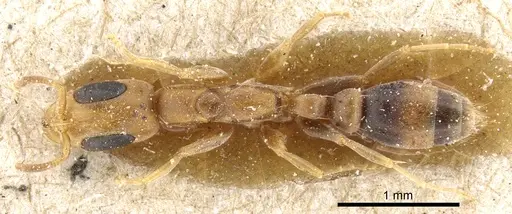
FOCOL1201
View on AntWeb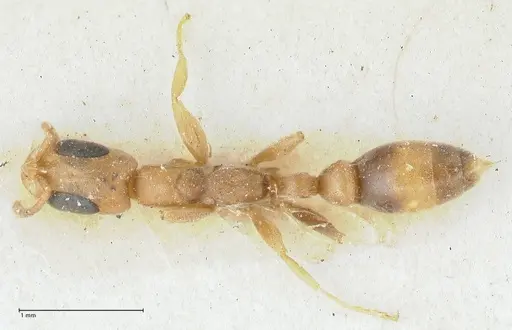
FOCOL1202
View on AntWeb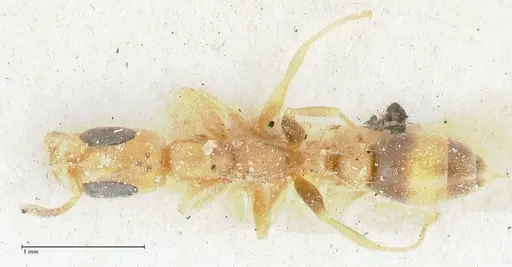
Literature
Loading...Loading products...