

Pseudomyrmex solisi
- Scientific Name
- Pseudomyrmex solisi
- Tribe
- Pseudomyrmecini
- Subfamily
- Pseudomyrmecinae
- Author
- Santschi, 1916
- Distribution
- Found in 1 countries
Pseudomyrmex solisi Overview
Pseudomyrmex solisi is an ant species of the genus Pseudomyrmex. It is primarily documented in 1 countries , including Argentina. Detailed taxonomic data and occurrence records can be further explored via authoritative databases such as AntWeb or the Global Biodiversity Information Facility (GBIF).
Pseudomyrmex solisi
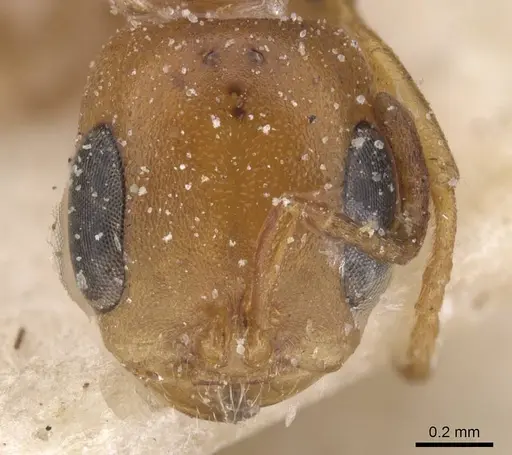
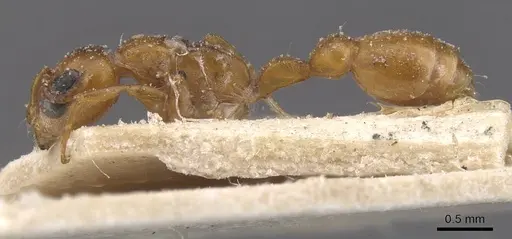
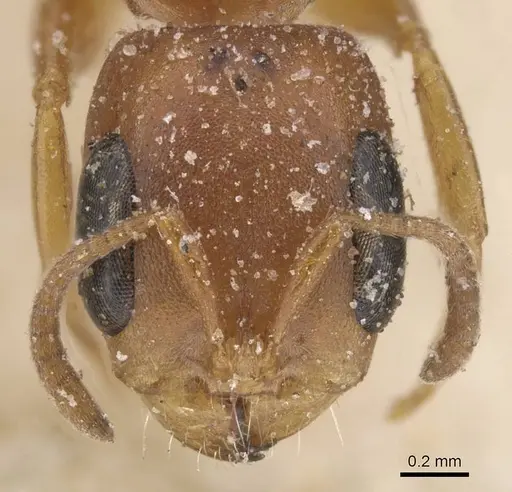
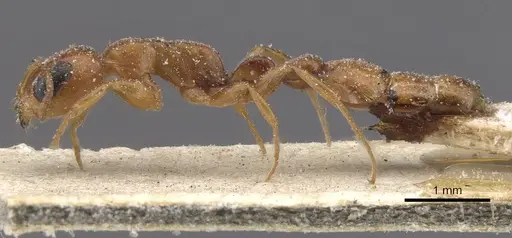
Pseudomyrmex solisi is a slender, elongated ant species native to central Argentina, particularly the Santa Fe province and surrounding Chaco region [1]. Workers are typically small and graceful with the characteristic long legs and narrow body that defines the Pseudomyrmex genus. This species has been recorded in the Mesopotamian region of Argentina and is assigned to the Tropical Climate Specialists functional group, indicating preference for warm conditions [2]. The species was originally described by Santschi in 1916,with a subspecies belgranoi also recognized [3].
The Pseudomyrmex genus contains ants that are often predatory and known for their slender build, long legs, and active foraging behavior. While specific behaviors for P. solisi are not documented, the genus is generally characterized by active, fast-moving workers that hunt small prey. This species has been found in eucalyptus plantations within the Pampean grasslands, suggesting some tolerance for modified habitats [4].
Quick Summary
- Difficulty: Medium
- Origin & Habitat: Central Argentina, specifically Santa Fe province, Chaco region, and Mesopotamian Argentina [1][2]. Found in eucalyptus plantations in Pampean grasslands [4]. This is a tropical climate specialist species adapted to warm conditions [2].
- Colony Type: Colony structure is unconfirmed. Based on typical Pseudomyrmex patterns, likely single-queen colonies, though this has not been directly documented.
- Size & Growth:
- Queen: Estimated 6-8mm based on genus Pseudomyrmex patterns [3].
- Worker: Estimated 3-5mm based on genus descriptions [3].
- Colony: Unknown for this specific species. Related Pseudomyrmex species typically form colonies of several hundred workers.
- Growth: Moderate, inferred from genus patterns.
- Development: Estimated 6-8 weeks at optimal tropical temperatures, based on typical Pseudomyrmecinae development [3]. (Development timeline is estimated from genus-level data, not directly studied for this species.)
- Antkeeping:
- Temperature: As a Tropical Climate Specialist, keep them warm at 24-28°C. A heating cable on one side of the nest creates a suitable gradient [2]. Avoid temperatures below 20°C for extended periods.
- Humidity: Moderate humidity around 50-70%. Provide a water source and keep the nest substrate slightly moist but not waterlogged. These ants are adapted to the humid subtropical climate of central Argentina.
- Diapause: Unconfirmed. Argentina has mild winters in the species' range, so a true diapause may not be required. Consider a slight temperature reduction (18-20°C) during winter months rather than a full hibernation.
- Nesting: In nature, Pseudomyrmex species typically nest in twigs, stems, or rotting wood. For captivity, a Y-tong (AAC) nest or plaster nest with narrow chambers works well. Provide twigs or small wood pieces as enrichment if using a naturalistic setup.
- Behavior: Workers are active foragers with typical Pseudomyrmex predatory behavior. They are likely alert and fast-moving, quick to investigate disturbances. Escape prevention should be good, while not among the smallest ants, they are slender and can squeeze through small gaps. Monitor for escape, especially when the colony is small.
- Common Issues: limited biological data makes specific care requirements uncertain, wild-caught colonies may carry parasites that can cause colony failure, temperature management is critical, they need warm conditions year-round, predatory feeding requirements mean live prey is essential for colony health
Temperature and Care
Pseudomyrmex solisi is classified as a Tropical Climate Specialist, which means they require warm conditions to thrive [2]. Maintain nest temperatures between 24-28°C year-round. A heating cable placed on one side of the nest creates a temperature gradient that allows ants to regulate their own exposure to warmth. This is particularly important for brood development, as warmer temperatures accelerate development times.
Avoid keeping this species in cool rooms or locations with temperature fluctuations. Temperatures below 20°C for extended periods can stress colonies and slow or stop brood development. If your room temperature is below 24°C, use a small heating mat or cable specifically designed for ant keeping. Always monitor temperatures with a reliable thermometer placed near the nest.
During winter months, you may reduce temperatures slightly to 20-22°C, but a full hibernation is not recommended given the mild climate of their native Argentina range. A slight seasonal reduction in activity is more appropriate than a true diapause.
Feeding and Diet
Pseudomyrmex ants are typically predatory, actively hunting small arthropods. Feed your colony small live prey such as fruit flies, small crickets, mealworms, and other appropriately-sized insects. Offer prey items that are roughly the size of the workers or smaller.
In addition to protein from prey, Pseudomyrmex species generally accept sugar sources. Offer sugar water, honey, or diluted honey water in a small test tube or cotton wick. Replace sugar sources every few days to prevent mold. A constant sugar source helps sustain worker energy for foraging and brood care.
Feed protein prey 2-3 times per week, adjusting based on colony size. Remove any uneaten prey after 24-48 hours to prevent mold and bacterial issues. As the colony grows, you can increase feeding frequency and prey size.
Nest Preferences
In the wild, Pseudomyrmex species typically nest in twigs, hollow stems, or rotting wood. For captive care, a Y-tong (AAC) nest with appropriately scaled chambers works well. The narrow passages and chambers of a Y-tong nest mimic their natural twig-nesting behavior.
Alternatively, a plaster or acrylic nest with small chambers can work, provided humidity is maintained. If using a naturalistic setup, include small twigs, pieces of rotting wood, or cork bark as nesting material. The nest should have a humid chamber and a drier foraging area.
Because these ants are active foragers, provide a spacious outworld connected to the nest. The outworld should allow for hunting and exploration. Use escape prevention such as fluon on the rim of the outworld, as these active ants are skilled climbers.
Colony Establishment
If you obtain a founding queen (claustral founding is likely based on genus patterns, though unconfirmed for this species), she should be placed in a test tube setup with a water reservoir. The queen will seal herself in a chamber and lay eggs without foraging, surviving on her stored fat reserves until the first workers emerge.
After the first workers (nanitics) emerge, you can begin offering small prey items. The colony should remain in the test tube or founding setup until it reaches 20-30 workers, then can be moved to a larger nest if needed.
For established colonies, monitor for signs of stress including workers dying, lack of brood development, or workers avoiding the nest area. These can indicate temperature, humidity, or feeding issues that need adjustment.
Behavior and Temperament
Pseudomyrmex workers are characterized by their alertness and quick movement. They are not typically aggressive toward humans but will vigorously defend their nest if threatened. Workers are active foragers, constantly patrolling and searching for prey.
These ants are not considered dangerous to humans, they do not have a potent sting like some related species. However, they may bite if handled roughly or if the nest is threatened. The main concern for keepers is their escape ability due to their active nature and small size.
A colony will establish distinct foraging patterns and may become more active during feeding times. Observing their hunting behavior can be quite engaging, as workers quickly subdue and transport prey items back to the nest.
Frequently Asked Questions
How long does it take for Pseudomyrmex solisi to develop from egg to worker?
The exact development timeline has not been studied for this species. Based on typical Pseudomyrmecinae development patterns, expect approximately 6-8 weeks from egg to first worker at optimal temperatures (around 26°C). Warmer temperatures within the safe range can slightly accelerate development, while cooler temperatures will slow it down.
What do Pseudomyrmex solisi ants eat?
Pseudomyrmex species are predatory and need live small insects as their primary food. Offer fruit flies, small crickets, mealworms, and similar appropriately-sized prey. They also accept sugar sources like sugar water or honey for energy. Feed protein prey 2-3 times per week and provide constant access to sugar water.
Can I keep Pseudomyrmex solisi in a test tube setup?
Yes, test tubes work well for founding colonies. Use a standard test tube with a water reservoir sealed with cotton. The queen will typically seal herself in a chamber. Once the colony reaches 20-30 workers, consider moving to a larger nest like a Y-tong or plaster formicarium to allow for colony growth.
Do Pseudomyrmex solisi ants need hibernation?
Hibernation is not required for this species. As a Tropical Climate Specialist from central Argentina, they prefer warm conditions year-round. You can provide a slight temperature reduction during winter months (around 20-22°C), but avoid temperatures below 18°C. A true diapause is not recommended.
Are Pseudomyrmex solisi ants dangerous or do they sting?
Pseudomyrmex ants are not considered dangerous to humans. While they may bite if threatened, they lack the potent stingers found in some other ant genera. The main concern for keepers is their active, fast-moving nature which requires good escape prevention.
How big do Pseudomyrmex solisi colonies get?
The maximum colony size for this specific species has not been documented. Based on related Pseudomyrmex species, colonies likely reach several hundred workers. Growth rate is moderate, expect several months to a year to reach 50+ workers from a founding queen.
What temperature do Pseudomyrmex solisi ants need?
Keep nest temperatures between 24-28°C. Use a heating cable or small heating mat on one side of the nest to create a gradient. This species is classified as a Tropical Climate Specialist and requires warm conditions to thrive. Avoid temperatures below 20°C for extended periods.
Why are my Pseudomyrmex solisi dying?
Common causes include: temperatures too cool (below 20°C), insufficient humidity, lack of live prey, or stress from excessive disturbance. Also check for escape issues and ensure the nest setup allows for proper humidity control. Wild-caught colonies may carry parasites that can cause gradual colony decline.
When should I move my Pseudomyrmex solisi to a formicarium?
Move the colony when it reaches 20-30 workers and the test tube setup is becoming crowded. Signs that a move is needed include workers clustering near the cotton, condensation issues, or the queen spending time in the foraging area. Use a Y-tong or plaster nest with chambers appropriately sized for their slender bodies.
Is Pseudomyrmex solisi a good species for beginners?
This species is not ideal for complete beginners due to limited species-specific information available. However, if you have experience with other Pseudomyrmex or active predatory ants, it can be a rewarding species to keep. The main challenges are maintaining warm temperatures and providing regular live prey.
References

This caresheet is licensed under CC BY-SA 4.0 .
CASENT0915518
View on AntWeb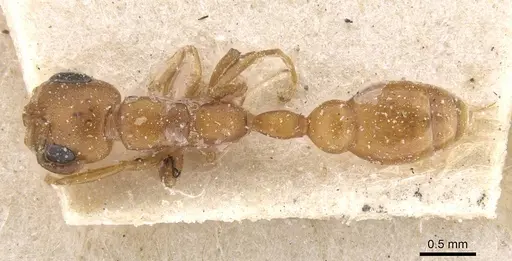
CASENT0915519
View on AntWeb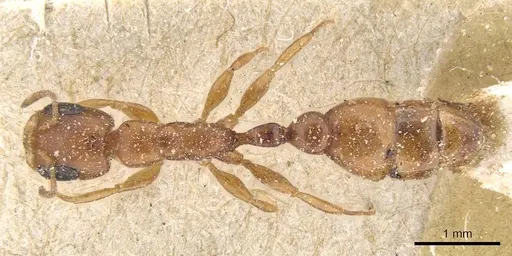
Literature
Loading...Loading products...