

Pseudomyrmex simulans
- Scientific Name
- Pseudomyrmex simulans
- Tribe
- Pseudomyrmecini
- Subfamily
- Pseudomyrmecinae
- Author
- Kempf, 1958
- Distribution
- Found in 1 countries
Pseudomyrmex simulans Overview
Pseudomyrmex simulans is an ant species of the genus Pseudomyrmex. It is primarily documented in 1 countries , including Panama. Detailed taxonomic data and occurrence records can be further explored via authoritative databases such as AntWeb or the Global Biodiversity Information Facility (GBIF).
Pseudomyrmex simulans
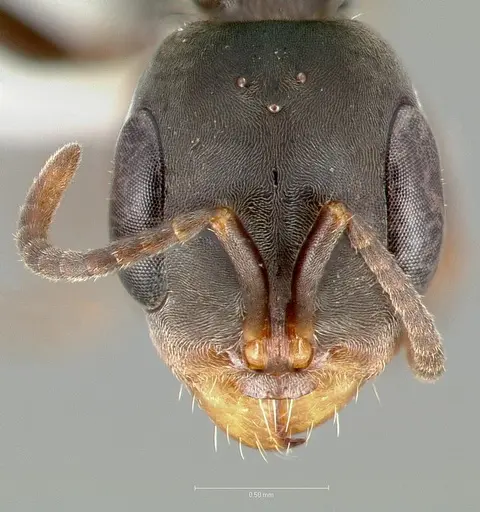
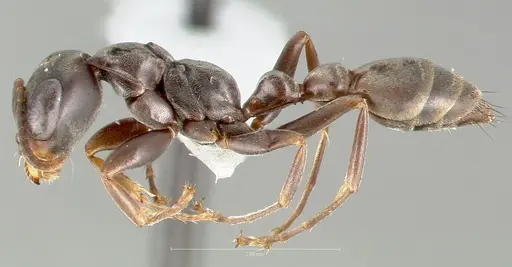
Pseudomyrmex simulans is a small, slender ant species native to Panama, where it lives exclusively in swollen-thorn acacias (Vachellia collinsii). Workers are dark brownish-black with lighter appendages, measuring around 4-5mm. They have distinctive elongated eyes and a relatively short, high petiole. Unlike their aggressive relatives in the P. ferrugineus group, these ants are notably timid in temperament [1]. This species is one of only two obligate plant-ants in the P. gracilis group, having evolved to specialize on acacia domatia (the hollow swollen thorns) as nesting sites [2]. They feed on nectar and harvest Beltian bodies (specialized nutrient-rich structures produced by the acacia) [3].
Quick Summary
- Difficulty: Medium
- Origin & Habitat: Panama (Canal Zone, Veraguas, Los Santos, and Panama provinces) in Neotropical forests. This species is an obligate acacia-ant that nests exclusively inside the hollow swollen thorns of Vachellia collinsii [1][2].
- Colony Type: Colony structure is not well documented. As an obligate acacia-ant, colonies likely live within the acacia's domatia. Based on related Pseudomyrmex species, they are likely monogyne (single queen) colonies, though this requires confirmation.
- Colony: Monogyne
- Founding: Claustral
- Size & Growth:
- Queen: Approximately 6-7mm based on genus patterns, not directly measured for this species
- Worker: Approximately 4-5mm [1]
- Colony: Unknown, likely smaller colonies than the aggressive P. ferrugineus group due to limited domatia space
- Growth: Moderate, based on typical Pseudomyrmex development patterns
- Development: Estimated 6-8 weeks at optimal tropical temperatures based on genus-level data (Direct development data unavailable for this species, estimates based on related Pseudomyrmex species)
- Antkeeping:
- Temperature: Keep at 24-28°C, these are tropical ants from Panama that need warm conditions [3]. A gentle gradient is beneficial.
- Humidity: High humidity (70-80%), replicate the humid interior of acacia thorns. Keep substrate moderately moist but not waterlogged.
- Diapause: No, as tropical Panamanian ants, they do not require hibernation. Maintain warm temperatures year-round.
- Nesting: Provide a nesting setup that mimics their natural acacia domatia. Y-tong (AAC) nests or test tube setups work well. They prefer tight, enclosed chambers similar to acacia thorns.
- Behavior: Workers are diurnal and orient by vision, patrolling large areas around the nest solitarily [4]. They are notably more timid than other acacia-ants like P. spinicola, they avoid aggressive interactions with other species [1]. They consume nectar and harvest Beltian bodies from their host plant [3]. Escape prevention is important as they are agile foragers, though not as aggressive defenders as other Pseudomyrmex species.
- Common Issues: timid temperament may make them stress-prone in captivity, provide quiet surroundings, specialized diet as obligate acacia-ant means they may be difficult to establish on standard ant foods, tropical species requires consistent warmth year-round, cold temperatures can be fatal, limited natural history data means care is based on genus-level inference rather than species-specific research, colonies may be small due to limited nesting space in captivity
Natural History and Host Association
Pseudomyrmex simulans is an obligate acacia-ant, meaning it lives exclusively in association with swollen-thorn acacias, specifically Vachellia collinsii. This specialization represents an independent evolution of plant-ant symbiosis, separate from the more well-known P. ferrugineus group [2]. The ants occupy the hollow thorns (domatia) as their nest sites, while the acacia benefits from their defense services. However, research shows P. simulans provides weaker defense compared to other acacia-ant species like P. spinicola [3]. Workers are more timid and avoid confrontations with other species [1]. They feed on extrafloral nectar produced by the acacia and harvest Beltian bodies, the small nutrient-rich structures found on leaf tips that the plant produces specifically to reward its ant inhabitants [3].
Housing and Nest Setup
These ants require a setup that mimics their natural acacia thorn domatia. Y-tong (AAC) nests with narrow chambers work well, as do test tube arrangements kept in a humid environment. The key is providing enclosed, tight-fitting chambers rather than open spaces. Because they are tropical ants from Panama, they need consistently warm temperatures around 24-28°C. Humidity should be kept high (70-80%) to replicate the interior conditions of acacia thorns. Use a water reservoir to maintain humidity without over-wetting the nest. Adequate ventilation is important to prevent mold while maintaining humidity.
Feeding and Diet
As obligate acacia-ant specialists, these ants have a unique diet. In nature they consume nectar from extrafloral nectaries and harvest Beltian bodies (specialized nutrient structures on acacia leaves) [3]. In captivity, you should offer sugar water or honey as a constant energy source. For protein, offer small live prey like fruit flies or small crickets, Pseudomyrmex are agile predators that hunt solitarily [4]. The key challenge is that they may be picky eaters compared to generalist ant species. Start with sugar water and small live prey, and observe what they accept. Do not rely on seeds or processed foods, these are not part of their natural diet.
Temperature and Seasonal Care
Keep these ants warm year-round, they are true tropical ants from Panama and do not tolerate cool temperatures. Maintain the nest at 24-28°C consistently. Unlike temperate species, they do not require diapause (winter rest). A heating cable or mat on one side of the nest can help maintain temperatures, but avoid direct heat that could dry out the nest. Monitor temperature with a thermometer placed near the nest. Cold stress is one of the most common causes of failure with tropical species like this one.
Behavior and Temperament
Pseudomyrmex simulans workers are notably more timid than other acacia-ant species. They are diurnal (active during the day) and orient visually as they patrol the vegetation around their nest [4]. Unlike the aggressive P. ferrugineus group, they avoid conflict with other ant species rather than defending their territory vigorously [1]. This calmer temperament means they may be more prone to stress in captivity, sudden vibrations, bright lights, or frequent disturbances can cause them to abandon brood or become inactive. They are agile foragers but not strong defenders, so escape prevention is still important but you won't face the aggressive biting response that some Pseudomyrmex species exhibit.
Frequently Asked Questions
How long does it take for Pseudomyrmex simulans to develop from egg to worker?
Exact development time is unconfirmed for this species. Based on typical Pseudomyrmex development patterns, expect approximately 6-8 weeks from egg to first worker at optimal tropical temperatures (around 26°C).
What do Pseudomyrmex simulans ants eat?
They are obligate acacia-ants that feed on nectar and Beltian bodies in the wild. In captivity, offer sugar water or honey as a constant energy source, plus small live prey like fruit flies or tiny crickets for protein. They may be picky eaters compared to generalist species.
Can I keep Pseudomyrmex simulans in a test tube setup?
Yes, test tubes work well for this species. They naturally nest in enclosed acacia thorns, so a test tube with a water reservoir provides appropriate nesting conditions. Keep humidity high and temperatures warm (24-28°C).
Do Pseudomyrmex simulans ants sting?
Pseudomyrmex belongs to the subfamily Pseudomyrmecinae, which includes ants capable of stinging. However, P. simulans is known to be timid and less aggressive than related species. While they can sting, they are not considered dangerous to humans.
Are Pseudomyrmex simulans good for beginners?
This species is rated as medium difficulty. While not the most challenging ant, their specialized diet as obligate acacia-ant specialists and need for consistent tropical conditions make them better suited for keepers with some experience. Their timid nature also means they can be stress-prone.
Do Pseudomyrmex simulans need hibernation?
No, they do not require hibernation. As tropical ants from Panama, they need warm temperatures year-round. Maintaining 24-28°C consistently is essential for their health.
How big do Pseudomyrmex simulans colonies get?
Colony size is not well documented for this species. Based on related acacia-ants that live in limited domatia space, colonies likely remain relatively small, probably under a few hundred workers.
Why are my Pseudomyrmex simulans dying?
Common causes include: cold temperatures (they need 24-28°C), low humidity (they prefer 70-80%), stress from disturbance, or refusal to eat captive food. Ensure warm, humid conditions and offer appropriate sugar and live prey foods.
Can I keep multiple Pseudomyrmex simulans queens together?
Colony structure is not well documented for this species. Based on related Pseudomyrmex patterns, they likely form single-queen colonies. Combining unrelated queens is not recommended without documented evidence of success.
What makes Pseudomyrmex simulans different from other acacia-ants?
Unlike the aggressive P. ferrugineus group, P. simulans is notably timid, workers avoid conflicts with other species. They are one of only two obligate plant-ants in the P. gracilis group and provide weaker defense to their host acacia than other acacia-ant species [3][1].
References

This caresheet is licensed under CC BY-SA 4.0 .
CASENT0005852
View on AntWeb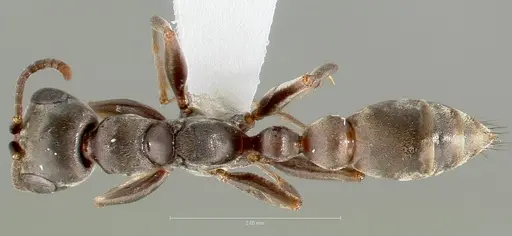
Literature
Loading...Loading products...