
Pseudomyrmex simplex shows a January to June flight window. Peak activity occurs in April and June, with nuptial flights distributed across 3 months.
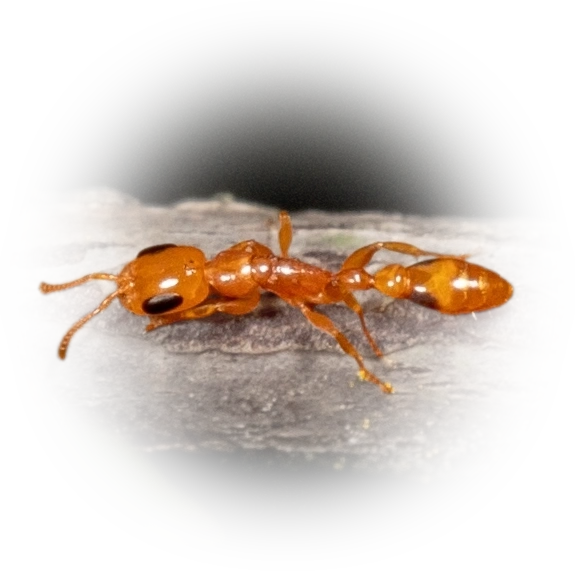
Pseudomyrmex simplex
- Scientific Name
- Pseudomyrmex simplex
- Tribe
- Pseudomyrmecini
- Subfamily
- Pseudomyrmecinae
- Author
- Smith, 1877
- Common Name
- Simple Twig Ant
- Distribution
- Found in 19 countries
- Nuptial Flight
- from January to June, peaking in April
AI Identifiable
try →
Pseudomyrmex simplex Overview
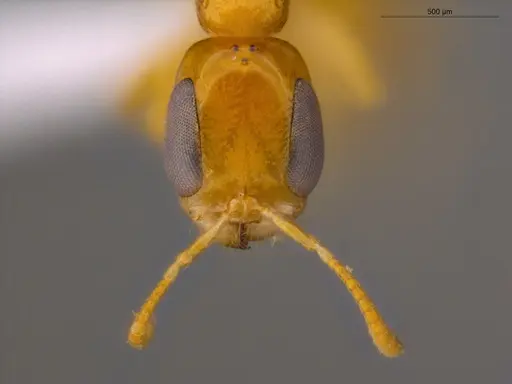
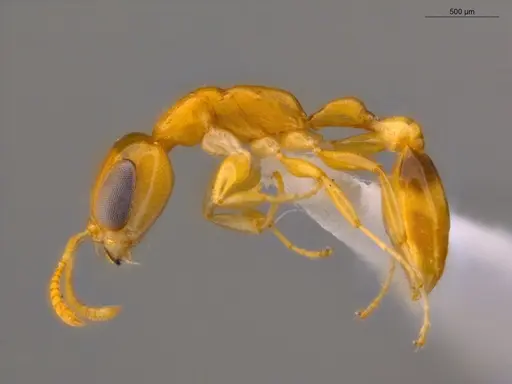
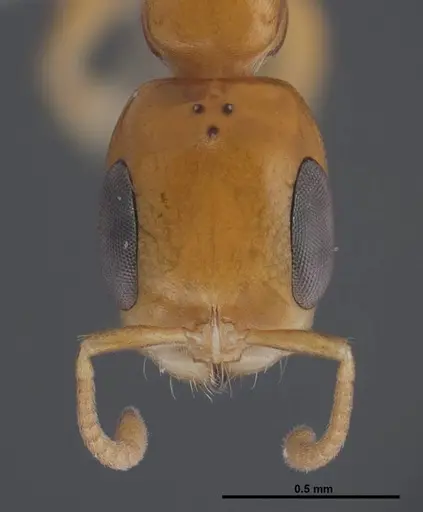
Pseudomyrmex simplex (commonly known as the Simple Twig Ant) is an ant species of the genus Pseudomyrmex. It is primarily documented in 19 countries , including Aruba, Brazil, Bahamas. Detailed taxonomic data and occurrence records can be further explored via authoritative databases such as AntWeb or the Global Biodiversity Information Facility (GBIF).
The nuptial flight of Pseudomyrmex simplex is a significant biological event, typically occurring from January to June, peaking in April. During this time, winged queens and males leave the nest to mate and establish new colonies.
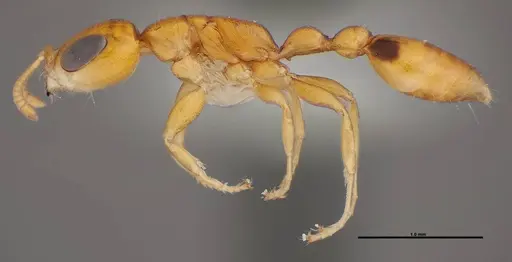
Pseudomyrmex simplex - "Shining Orange Slender Twig Ant"
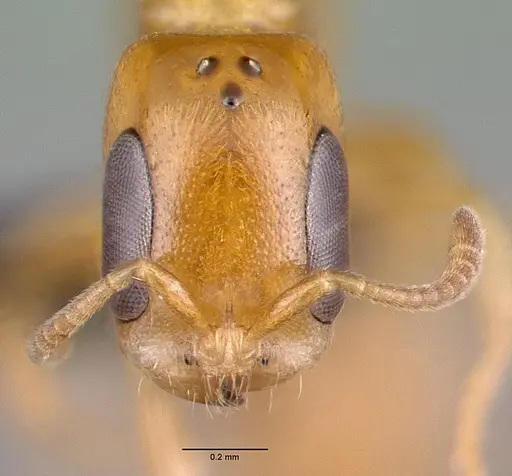
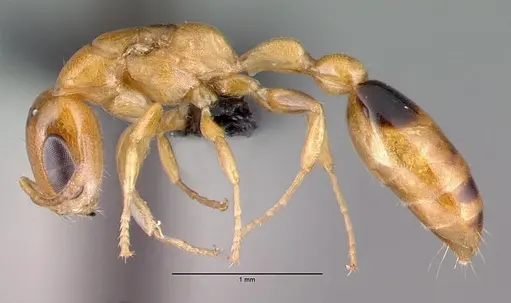
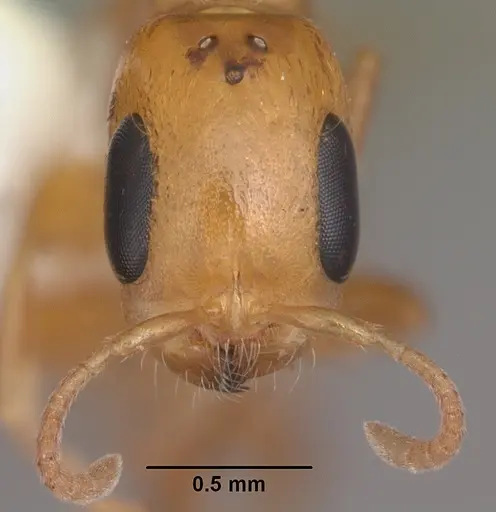
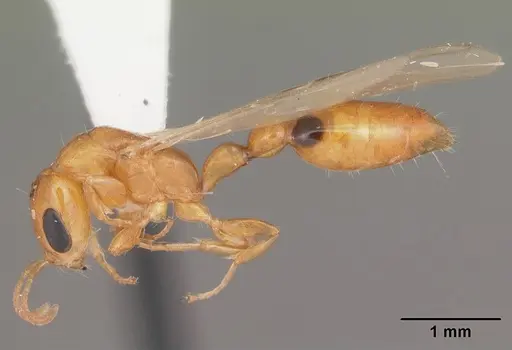
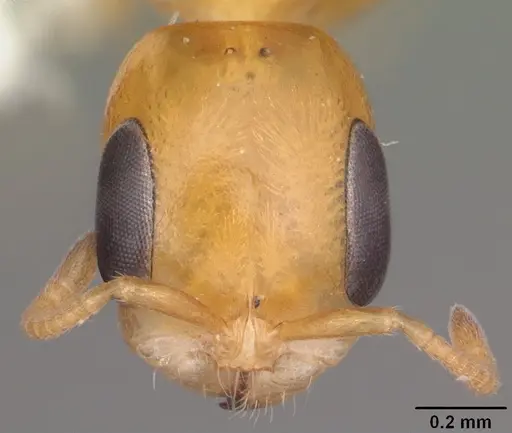
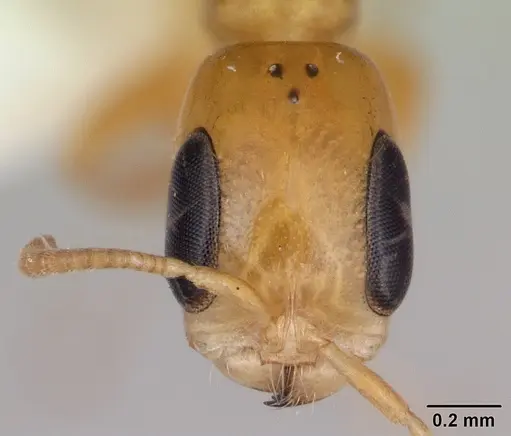
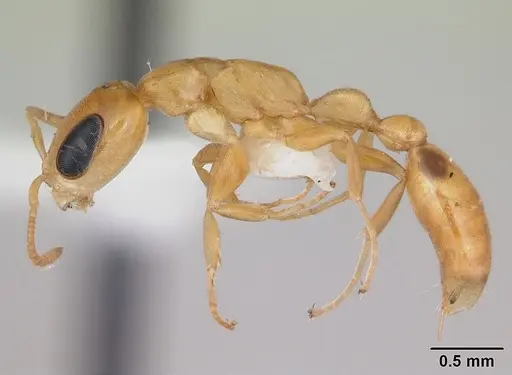
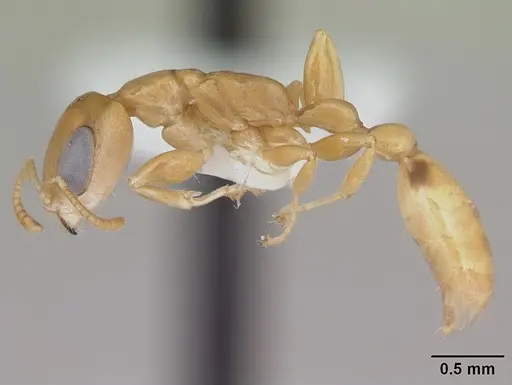
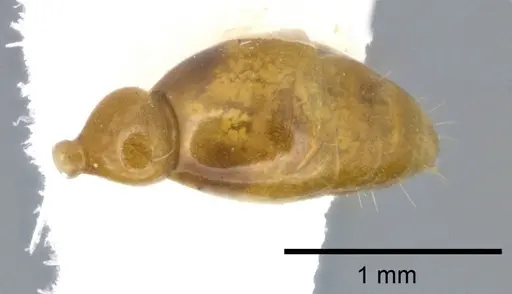
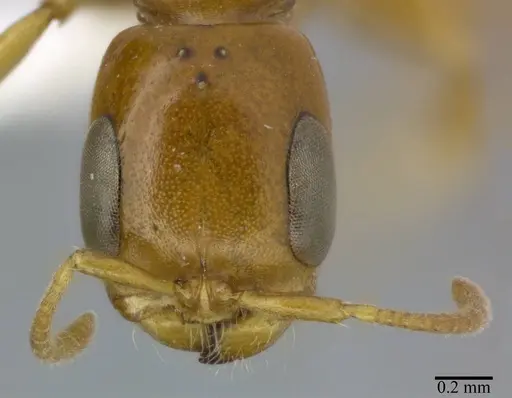
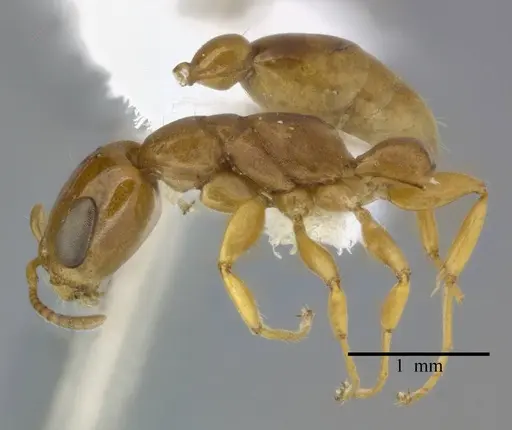
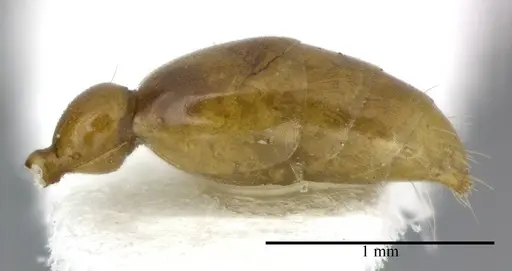
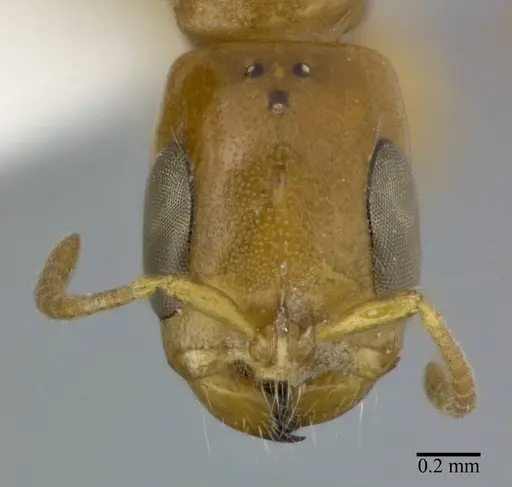
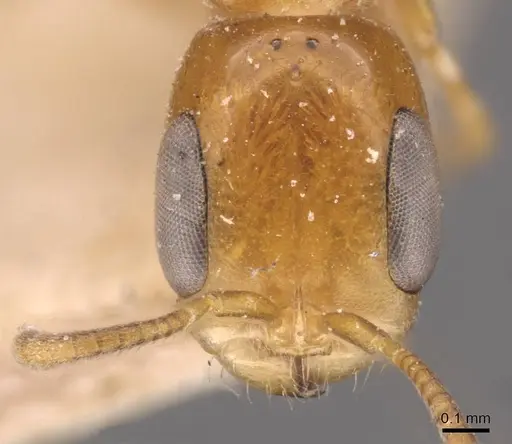
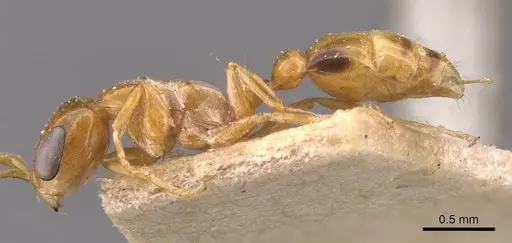
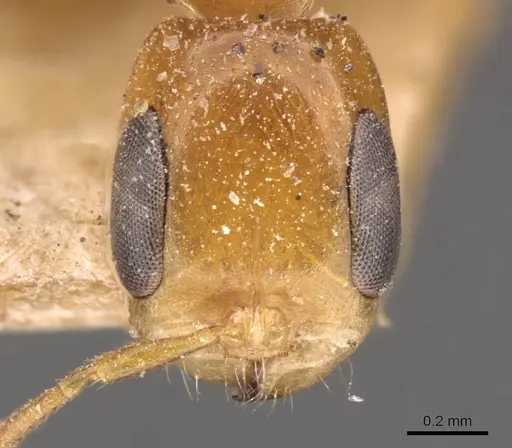
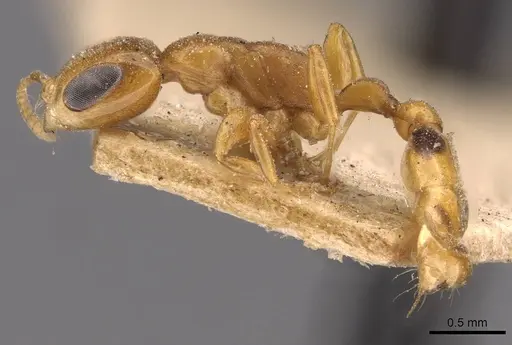
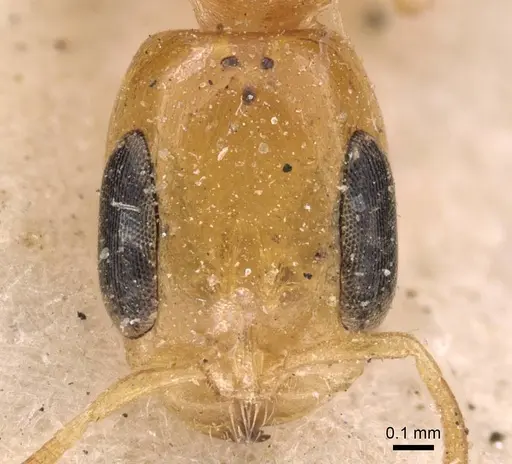
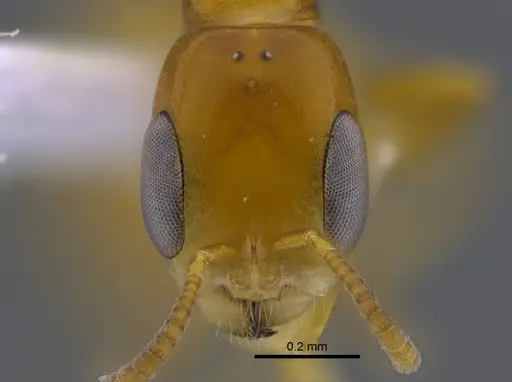
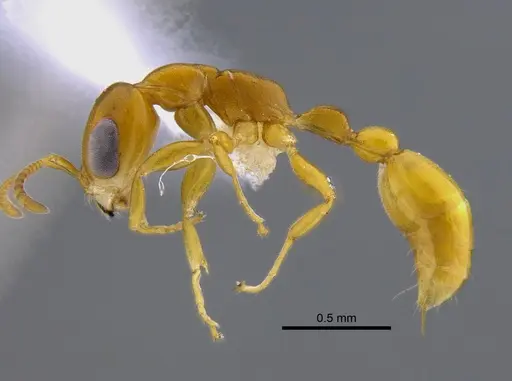
Pseudomyrmex simplex, often called the Shining Orange Slender Twig Ant, is a fascinating arboreal ant species known for its slender, wasp-like appearance and a distinctive orange body, often with brownish-black spots on the gaster in Florida populations. They are relatively small compared to other Pseudomyrmex species, typically measuring around 5-6 millimeters. These ants are skilled at navigating tight spaces and are commonly found nesting in hollow twigs and vines. While they share similarities with other yellow-orange Pseudomyrmex species, P. simplex can be distinguished by specific physical characteristics, though these may be hard to spot with the naked eye.
- Difficulty: Medium
- Origin & Habitat: Greater Antilles (potentially Florida), Central and South America in Hollow twigs of woody shrubs or trees, vines, tropical forests, dry scrublands..
- Colony Type: Polygyne (most nests queenless, suggesting polydomous colonies), semi-claustral (queens may spread from main colony with workers and brood). founding.
- Size & Growth:
- Queen: Not specified
- Worker: 5-6mm
- Colony: Small to Medium (most nests are queenless, indicating polydomy where a single colony occupies multiple nests).. Slow growth.
- Antkeeping:
- Temperature: Aim for around 23°C in warmer periods and can drop to 20°C in cooler periods. Consistent warmth helps with faster development..
- Humidity: These ants appreciate a water source, but the nest itself should be kept relatively dry to prevent issues..
- Diapause: Not required. Not specified at Not specified.
- Nesting: Prefer hollow twigs or small diameter tubes (around 2.2 mm ± 0.7 mm). They generally avoid rotting or easily soaked wood..
- Behavior: Low (towards handler, but will defend nest) aggressiveness.
- Common Issues: Difficulty in providing appropriate nesting structures, Humidity fluctuations in twig nests, Stressing queens if not provided with suitable founding conditions, Escape due to their slender bodies.
Nuptial Flight Activity Analysis 56 observations
Flight Activity by Hour 56 observations
Pseudomyrmex simplex nuptial flight activity peaks around 16:00 during the afternoon. Activity is spread across a 20-hour window (01:00–20:00). A secondary activity peak occurs around 14:00. Times may be influenced by human observation patterns.
Pseudomyrmex simplex ants are renowned for their arboreal lifestyle, making them quite unique in the antkeeping world. They naturally nest within the hollows of dead twigs and vines, showing a clear preference for woody stems over herbaceous plants. This strong nesting preference means that providing appropriate hollow structures, like small-diameter twigs, is absolutely crucial for their well-being and successful colony establishment in a formicarium. Without these specific nesting sites, you'll likely run into problems keeping them happy and thriving.
A fascinating aspect of Pseudomyrmex simplex is their potential polydomous colony structure. Research suggests that many natural nests are queenless, implying that a single colony can be spread across multiple separate nests, each potentially housing brood and workers. This behavior could present interesting challenges and opportunities for antkeepers aiming to replicate their natural living conditions, possibly by offering a multi-nest setup within a larger outworld.
When it comes to feeding these slender ants, they are omnivores, with a diet that naturally includes both insects and sweet liquids like honeydew and nectar. In captivity, it's essential to replicate this diverse diet to ensure they receive all necessary nutrients for healthy growth and reproduction. Offering a variety of feeder insects and a consistent supply of sugar sources will be key to their long-term success.
Despite their delicate appearance, Pseudomyrmex ants, including P. simplex, are known for their well-developed stings. While they are generally not overly aggressive towards handlers and stings are rare, it's wise to exercise caution when interacting with their setup to avoid accidental stings, which can be quite painful. Always use appropriate tools and ensure your containment methods are secure.
Distinguishing Pseudomyrmex simplex from closely related species like Pseudomyrmex pallidus, Pseudomyrmex leptosus, and Pseudomyrmex seminole can be a real challenge, even for experienced entomologists. These species share very similar appearances, and the subtle differences often require close inspection. If you're looking to acquire this specific species, ensure you source from a reputable vendor who can guarantee accurate identification.
Frequently Asked Questions
What kind of formicarium is best for Pseudomyrmex simplex?
For Pseudomyrmex simplex, the ideal formicarium will mimic their natural twig nests. Consider setups that incorporate hollow tubes, small bamboo sticks, or specialized acrylic nests designed for arboreal species, with very narrow inner diameters (around 2.2mm). Some keepers have even found success with them in small test tubes with appropriate twig inserts.
What do Pseudomyrmex simplex ants eat?
These ants are omnivores, meaning they enjoy both protein and sugars. In the wild, their diet consists of insects, honeydew, and nectar. For your colony, offer a varied diet of small feeder insects like fruit flies or small roaches, along with sugar water or diluted honey.
Do Pseudomyrmex simplex sting?
Yes, Pseudomyrmex simplex workers do possess a sting, and it can be quite painful. While they are not typically aggressive towards antkeepers, always exercise caution when handling their setup to avoid accidental stings.
How large do Pseudomyrmex simplex colonies get?
Information suggests that Pseudomyrmex simplex colonies are often polydomous, meaning a single colony might occupy multiple nests, with many individual nests being queenless. This implies that a complete colony can spread, but individual nest sections might not appear very large in terms of ant numbers. Exact maximum colony size isn't widely documented, but they are generally not considered supercolony-forming species.
Do Pseudomyrmex simplex need hibernation?
No, Pseudomyrmex simplex generally does not require a hibernation period. They originate from tropical and subtropical regions, and queens continue laying eggs throughout the year if conditions are suitable.
How fast do Pseudomyrmex simplex colonies grow?
Pseudomyrmex simplex colonies tend to have a slow growth rate, particularly during their initial stages. It can take some time for them to establish and grow significantly.
Are Pseudomyrmex simplex queens semi-claustral or fully claustral?
Pseudomyrmex simplex queens are considered semi-claustral. This means they will often forage for food during the founding stage of their colony, rather than sealing themselves off completely. They may also start new nests by spreading from an existing colony with a group of workers and even some brood.
What are common issues when keeping Pseudomyrmex simplex?
Keeping Pseudomyrmex simplex can present a few challenges. Finding suitable small-diameter twig or tube nests is crucial, as they are particular about their nesting sites. Ensuring proper humidity within these twig nests without causing mold can be tricky, and their slender bodies make them escape artists, so secure barriers are a must.
Can Pseudomyrmex simplex cohabitate with other ant species?
No, it is highly unadvised to attempt to cohabitate Pseudomyrmex simplex with other ant species. Ants are highly territorial, and introducing different species can lead to brutal fights and the demise of one or both colonies. Always keep ant species in separate setups.
How can I tell a Pseudomyrmex simplex queen from a worker?
Pseudomyrmex simplex queens, even though they can be hard to distinguish from workers in some semi-claustral species, will generally have a slightly larger thorax (the middle body segment) where their wing muscles were attached, even if their wings have been shed. You might also notice wing scars. Their gaster (abdomen) may also appear slightly larger if they are physogastric (egg-laying).
What temperature is best for Pseudomyrmex simplex?
Maintaining a temperature around 23°C is ideal for Pseudomyrmex simplex, especially during their active periods, as it promotes faster development. In cooler seasons, a slight drop to about 20°C is acceptable.
What kind of escape barrier should I use for Pseudomyrmex simplex?
Given their slender bodies and arboreal nature, effective escape barriers are essential. Talcum powder, baby powder mixed with alcohol, or Fluon/PTFE are commonly recommended barriers to prevent these agile ants from escaping their enclosure.

This caresheet is licensed under CC BY-SA 4.0 .
CASENT0040139
View on AntWeb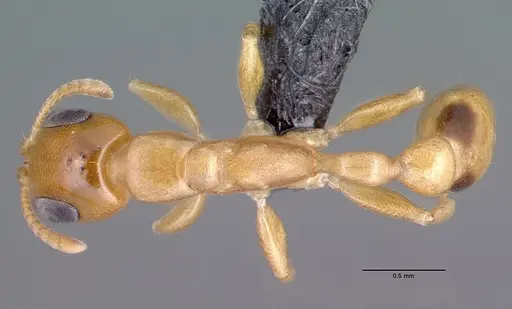
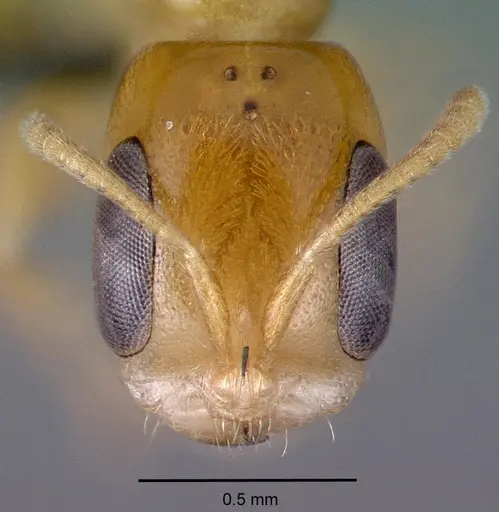
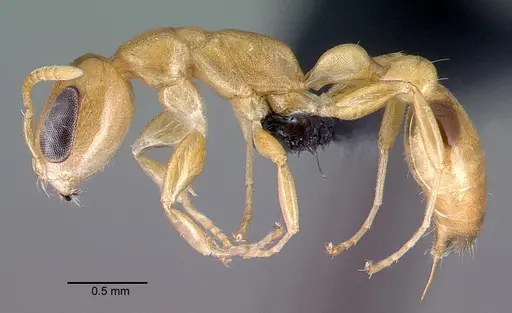
CASENT0040141
View on AntWeb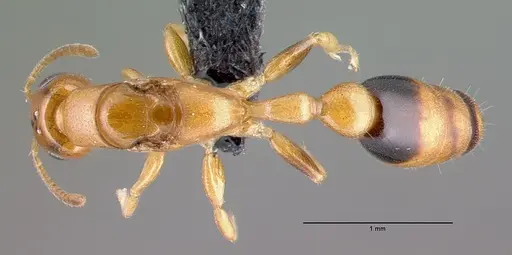
CASENT0104248
View on AntWeb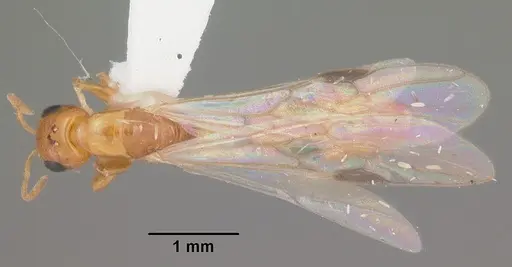
CASENT0104281
View on AntWeb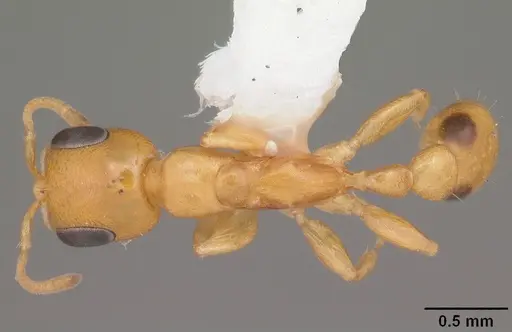
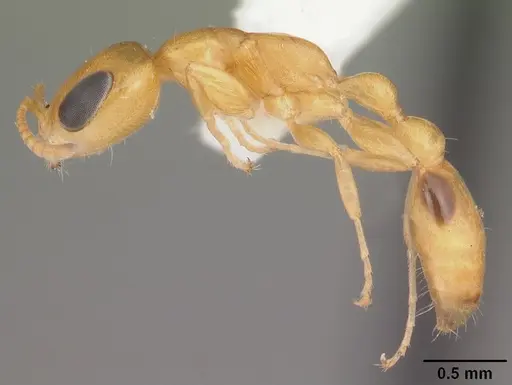
CASENT0173027
View on AntWeb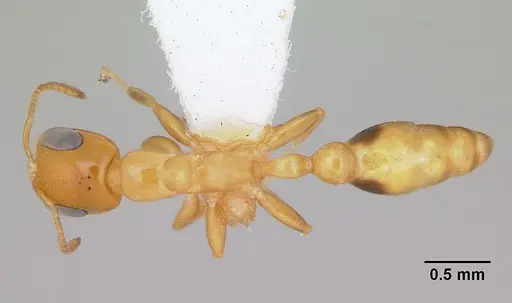
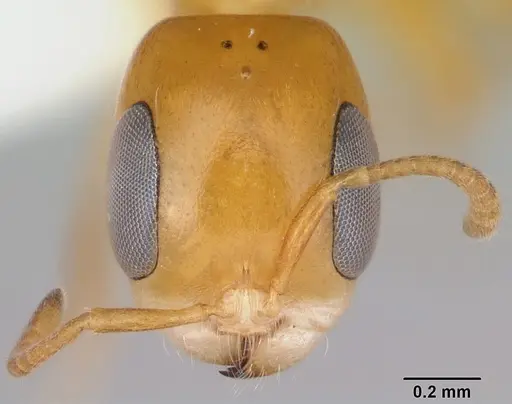
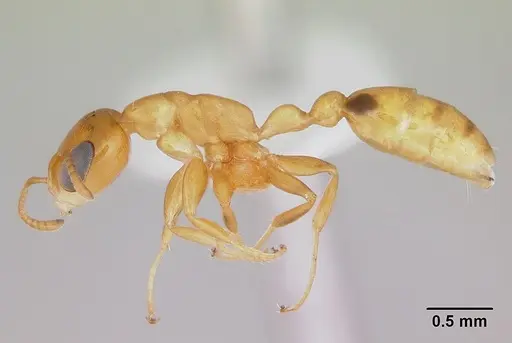
CASENT0173774
View on AntWeb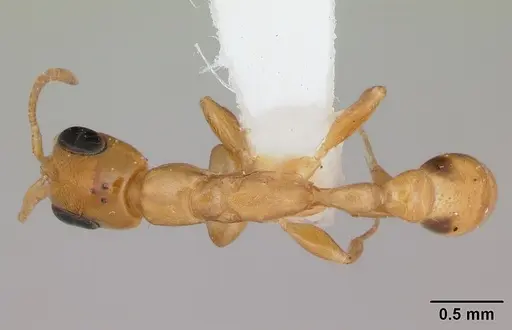
CASENT0173775
View on AntWeb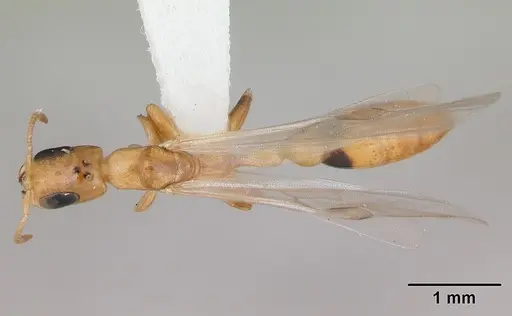
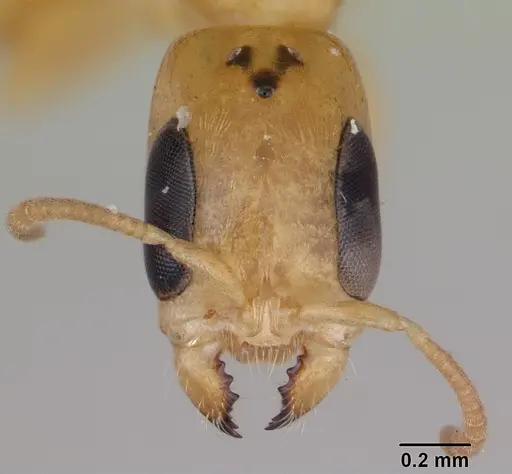
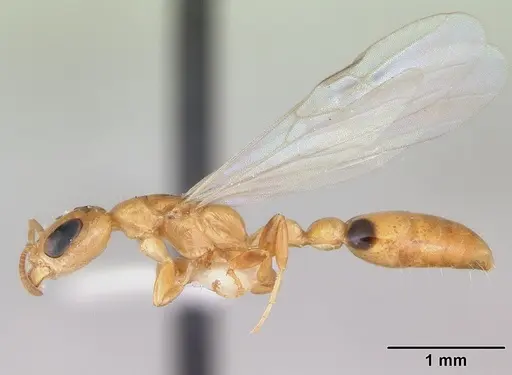
CASENT0173776
View on AntWeb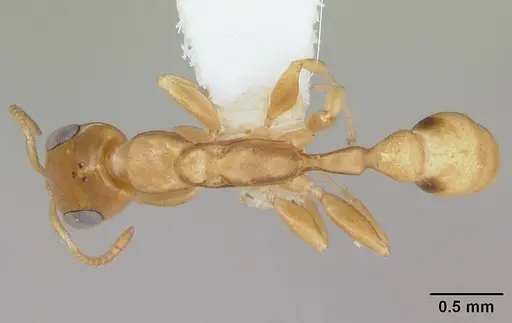
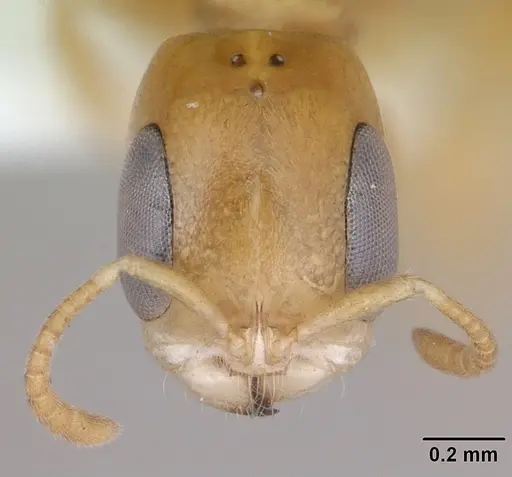
CASENT0246303
View on AntWeb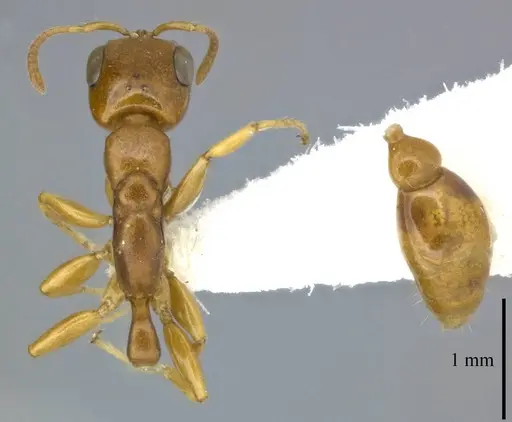
CASENT0246346
View on AntWeb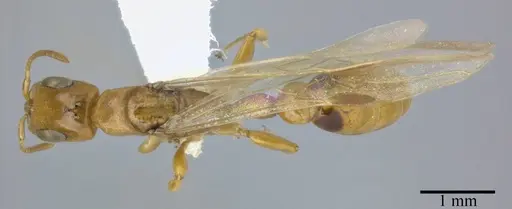
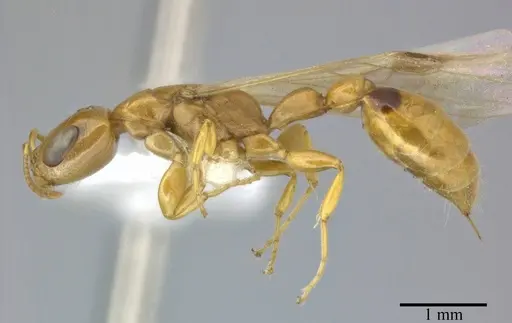
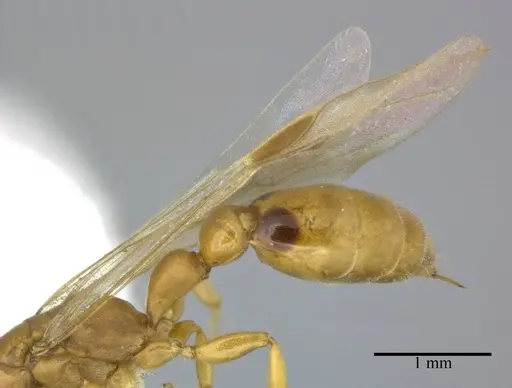
CASENT0902901
View on AntWeb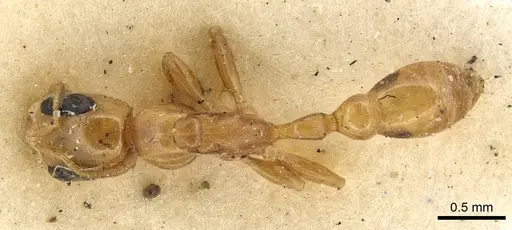
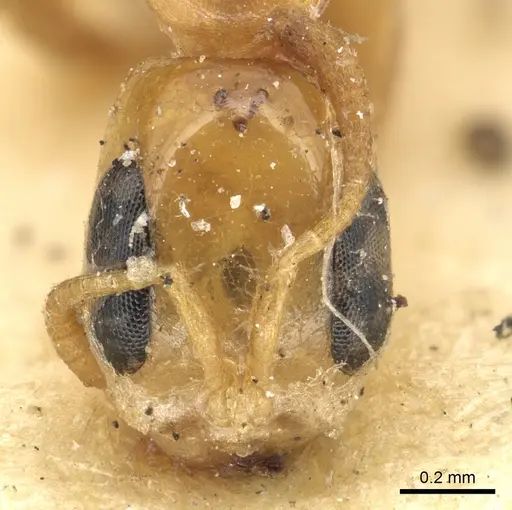
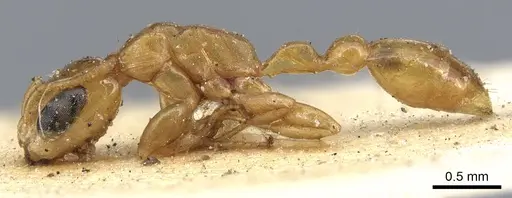
CASENT0902902
View on AntWeb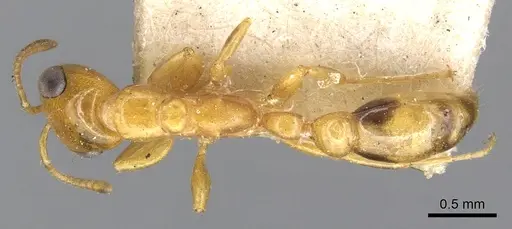
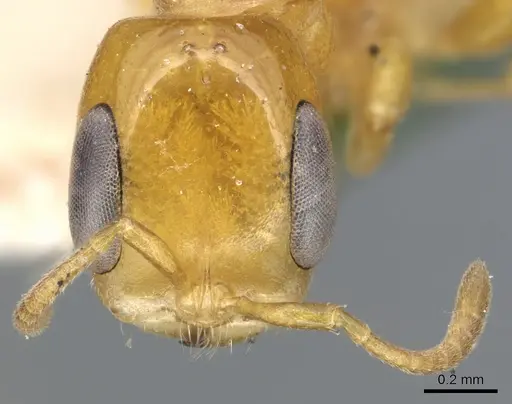
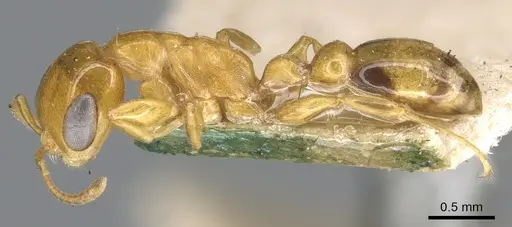
CASENT0907489
View on AntWeb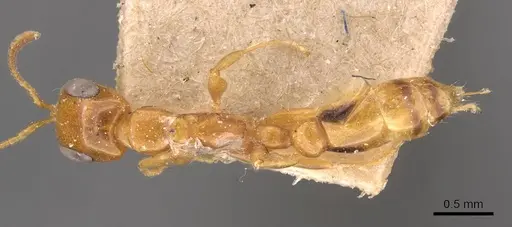
CASENT0907490
View on AntWeb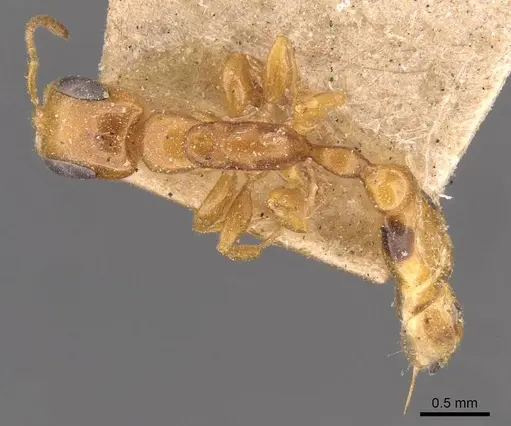
CASENT0907491
View on AntWeb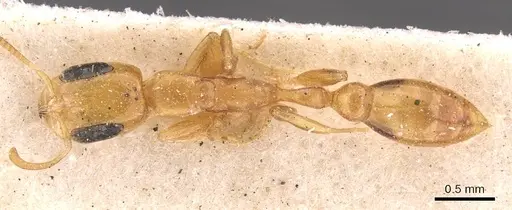
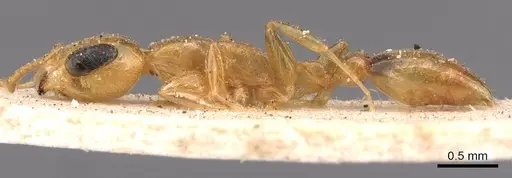
CASENT0907492
View on AntWeb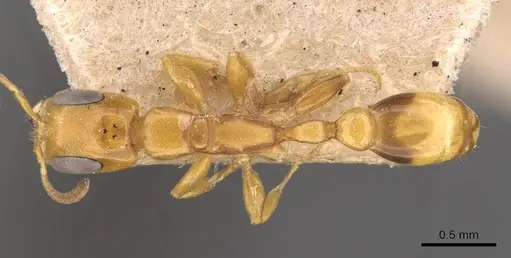
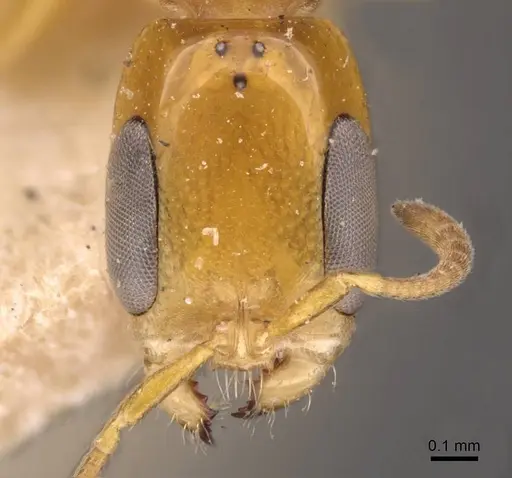
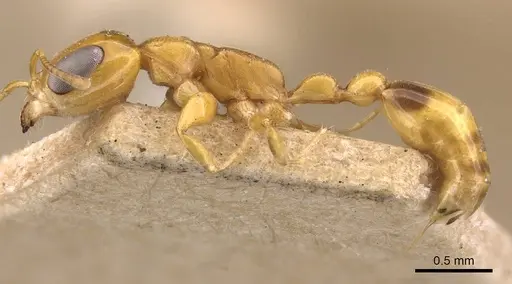
CBUMAGENT41807
View on AntWeb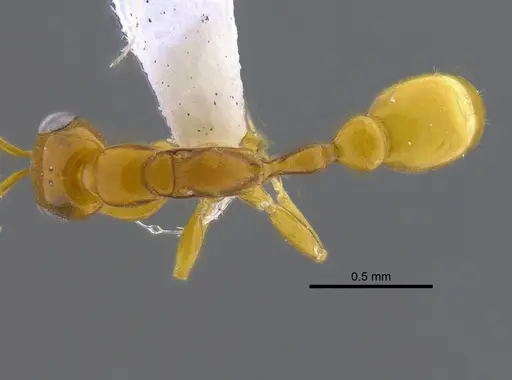
ECOFOG-TR17-0249-01
View on AntWeb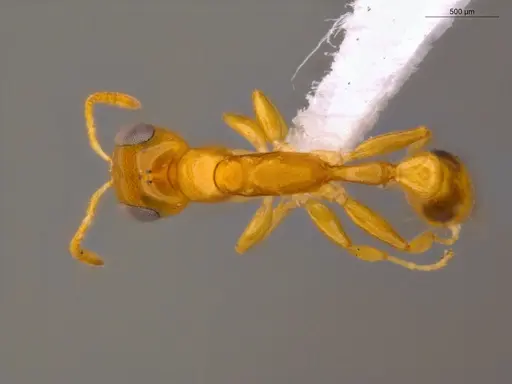
FMNHINS0000078520
View on AntWeb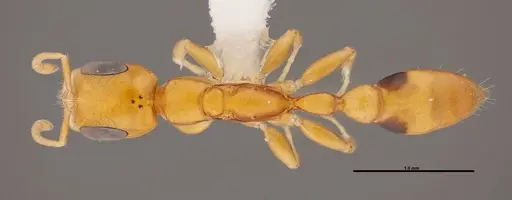
Literature
Loading...Loading products...