

Pseudomyrmex rufiventris
- Scientific Name
- Pseudomyrmex rufiventris
- Tribe
- Pseudomyrmecini
- Subfamily
- Pseudomyrmecinae
- Author
- Forel, 1911
- Distribution
- Found in 3 countries
Pseudomyrmex rufiventris Overview
Pseudomyrmex rufiventris is an ant species of the genus Pseudomyrmex. It is primarily documented in 3 countries , including Argentina, Brazil, Paraguay. Detailed taxonomic data and occurrence records can be further explored via authoritative databases such as AntWeb or the Global Biodiversity Information Facility (GBIF).
Pseudomyrmex rufiventris
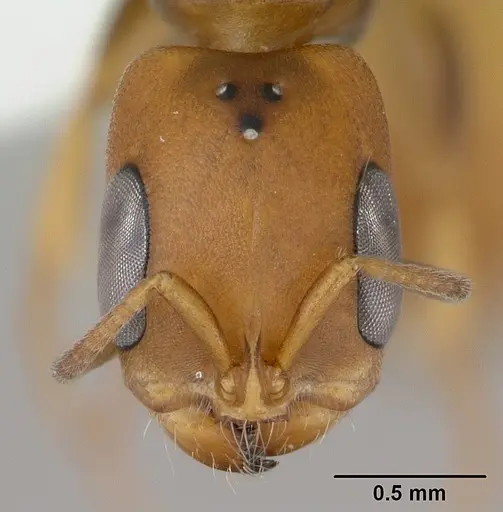
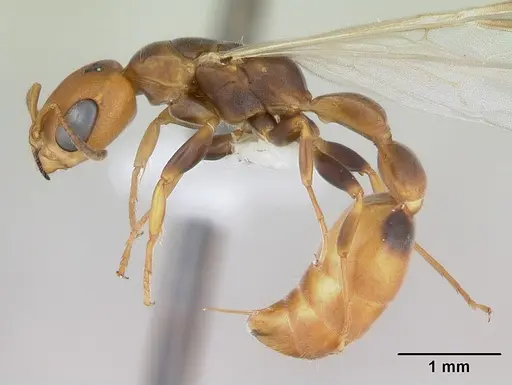
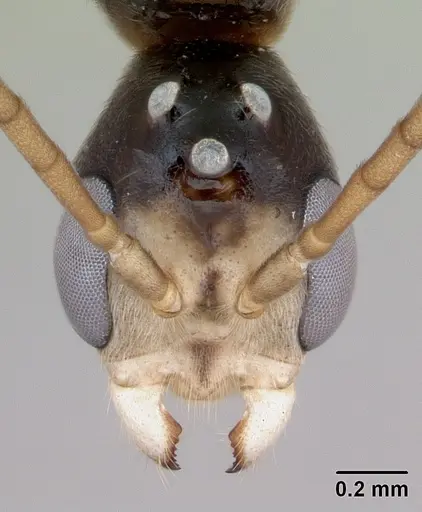
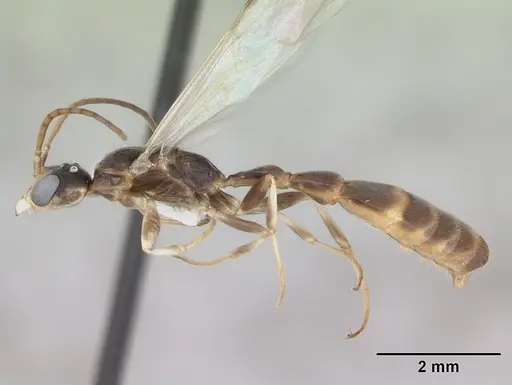
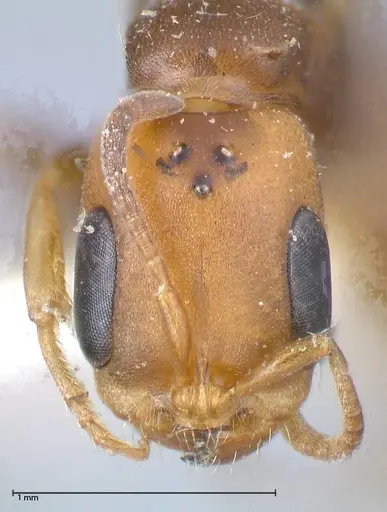
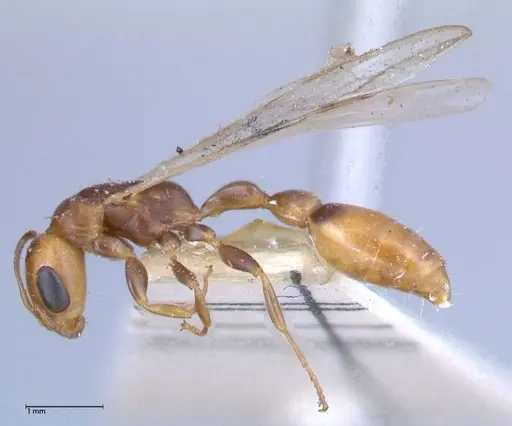
Pseudomyrmex rufiventris is a slender, wasp-like ant belonging to the Pseudomyrmecinae subfamily. Workers and queens have a distinctive appearance with dense, punctulate-coriarious sculpture on the head that gives it an opaque quality, distinguishing them from related species like P. euryblemma which have a more glossy appearance. This species is native to the Neotropical region, specifically found in Argentina and Paraguay [1].
These ants are assigned to the functional group Tropical Climate Specialists (TCS), indicating they prefer warm, humid conditions typical of their native habitat in northern Argentina and Paraguay [2]. As with other Pseudomyrmex species, they likely nest in hollow twigs or stems, reflecting their arboreal or semi-arboreal nature.
Quick Summary
- Difficulty: Medium
- Origin & Habitat: Native to the Neotropical region, specifically Argentina and Paraguay. Found in provinces including Entre Ríos in Argentina and recorded in Iguazú National Park [3][2]. As Tropical Climate Specialists, they inhabit warm, humid forest environments.
- Colony Type: Single-queen (monogyne) colonies appear typical for this species based on general Pseudomyrmex patterns. Colonies sampled in Argentina show small colony sizes with 3 colonies documented in the native range [4].
- Colony: Monogyne
- Founding: Claustral
- Size & Growth:
- Queen: Approximately 8-10mm estimated based on genus patterns, specific measurements not documented in available literature
- Worker: Approximately 5-7mm estimated based on genus patterns
- Colony: Small to moderate colonies, likely under 500 workers based on sampling data [4]
- Growth: Moderate, estimated based on tropical climate specialist classification
- Development: 6-8 weeks estimated at optimal tropical temperatures (24-28°C) (Development timeline inferred from related Pseudomyrmex species and tropical ant patterns. Warmer temperatures within range accelerate development.)
- Antkeeping:
- Temperature: Warm conditions required, aim for 24-28°C as these are Tropical Climate Specialists. A slight gradient allowing warmer and cooler areas is recommended. Heating may be necessary in cooler climates.
- Humidity: High humidity preferred (60-80%), their native range in Argentina and Paraguay is humid. Keep substrate moderately moist but not waterlogged. Provide a water source.
- Diapause: No true diapause, being tropical, they do not require hibernation. However, they may show reduced activity during cooler periods.
- Nesting: Arboreal nesting preference, in captivity, they do well in Y-tong (AAC) nests or test tube setups with access to dry areas. Provide narrow chambers that mimic their natural twig-nesting habitat. They prefer nests with some vertical orientation.
- Behavior: These ants are active foragers with good vision. They are likely defensive of their nest and may bite if threatened. Workers are slender and fast-moving. Escape prevention is important due to their small size, use fine mesh barriers. They likely tend aphids or scale insects for honeydew and hunt small insects.
- Common Issues: tropical species requires warm temperatures, cool rooms can slow or stop activity, small colony size means slower population growth than faster species, escape prevention important, use fine mesh as workers are slender and can squeeze through small gaps, humidity must be maintained, dry conditions can cause colony decline, limited availability in the antkeeping hobby due to restricted native range
Temperature and Care
Pseudomyrmex rufiventris requires warm conditions to thrive. As a Tropical Climate Specialist (TCS), these ants do best at temperatures between 24-28°C [2]. In cooler climates, you will need to provide heating through a heating cable or mat placed on one side of the nest to create a temperature gradient. Avoid temperatures below 20°C for extended periods as this can stress the colony and slow brood development. Room temperature in most homes (20-24°C) may be acceptable but suboptimal. Watch for worker activity levels, active foragers indicate good conditions, while lethargic ants suggest the temperature may be too low.
Humidity and Water
Being from the humid Neotropical region, P. rufiventris needs higher humidity than typical temperate ants. Aim for 60-80% relative humidity in the nest area. The substrate or water reservoir should be kept consistently moist but never waterlogged. In test tube setups, ensure the water chamber is adequate but not so large that flooding becomes a risk. You can mist the outworld occasionally but avoid direct misting on the nest. Provide a constant water source, a small dish with fresh water or a cotton ball soaked in water works well. The key is consistency: sudden swings between dry and wet conditions can stress the colony.
Nest Preferences
In the wild, Pseudomyrmex species typically nest in hollow twigs, stems, or small cavities in wood, this arboreal nesting habit influences their captive care. For captivity, Y-tong (AAC) nests work well because they provide narrow chambers that mimic natural twig cavities. Test tube setups are also suitable, especially for founding colonies. These ants do not require a large nest space even at maturity due to their relatively small colony sizes. Provide some dry area within the setup as they prefer to keep part of their nest slightly drier. Avoid overly large, open spaces which can make them feel insecure.
Feeding and Diet
Like other Pseudomyrmex species, P. rufiventris is likely omnivorous with a preference for sweet liquids and protein. Feed them sugar water, honey, or diluted maple syrup as a constant carbohydrate source. For protein, offer small insects such as fruit flies, small crickets, mealworms, or other appropriately sized prey. They are active hunters and will readily take small live prey. You can also occasionally offer honeydew substitutes. Feed small amounts initially and remove uneaten food after 24-48 hours to prevent mold. A consistent sugar source should always be available. [4]
Behavior and Temperament
Pseudomyrmex ants are known for being alert and quick-moving with good vision. Workers are slender and can move rapidly when disturbed. They are likely to be defensive of their nest and may bite if threatened, though their small size limits the actual danger. These ants are active foragers and will readily explore their outworld in search of food. They do not have a functional stinger but may use their bite as a defense. Escape prevention is important, their slender bodies can squeeze through small gaps, so ensure your setup has fine mesh barriers and secure lids. They are not aggressive toward humans in any meaningful way but will defend their colony vigorously.
Colony Development
Colony growth is moderate rather than rapid. A newly mated queen will seal herself in a claustral chamber and raise her first brood using stored fat reserves. The first workers (nanitics) will be smaller than mature workers. After the first workers emerge, the colony will begin growing more steadily. Based on related species and their tropical classification, expect 6-8 weeks from egg to first worker at optimal temperatures. Colonies in the wild have been documented at small sizes, only 3 colonies were sampled in one study [4], suggesting they maintain relatively modest populations compared to some other ant genera. Patience is key with this species as they will not produce massive colonies quickly.
Frequently Asked Questions
How long does it take for Pseudomyrmex rufiventris to produce first workers?
At optimal temperatures (24-28°C), expect approximately 6-8 weeks from egg to first worker. This is based on typical Pseudomyrmex development patterns and tropical ant timelines. Cooler temperatures will significantly slow development.
What temperature do Pseudomyrmex rufiventris ants need?
These tropical ants require warm conditions, aim for 24-28°C. They are classified as Tropical Climate Specialists and do poorly in cool conditions. A heating cable on one side of the nest can help maintain appropriate temperatures.
Can I keep Pseudomyrmex rufiventris in a test tube?
Yes, test tubes work well for founding colonies and smaller colonies. Provide a water reservoir with a cotton barrier. As the colony grows, you can connect additional test tubes or transition to a small Y-tong nest.
Do Pseudomyrmex rufiventris ants sting?
Pseudomyrmex ants do not have a functional stinger. They may bite if threatened, but their small size and lack of venom means they pose no danger to humans.
What do Pseudomyrmex rufiventris eat?
They are omnivorous. Feed a constant sugar source (sugar water, honey, or maple syrup) and protein sources like small insects (fruit flies, small crickets, mealworms). They are active hunters that will readily take live prey.
How big do Pseudomyrmex rufiventris colonies get?
Based on available data, colonies remain relatively small, likely under 500 workers. Only small numbers were documented in field studies [4]. They are not among the large colony-forming ant species.
Do Pseudomyrmex rufiventris need hibernation?
No, they do not require hibernation. Being a tropical species from Argentina and Paraguay, they do not enter diapause. However, they may show reduced activity during cooler periods.
Are Pseudomyrmex rufiventris good for beginners?
This species is rated as Medium difficulty. While not the most challenging, they do require warm temperatures and higher humidity than temperate species. Beginners should be prepared to provide heating and maintain consistent humidity levels.
Why are my Pseudomyrmex rufiventris dying?
The most common causes are: temperatures below 20°C (critical for tropical species), low humidity causing desiccation, escape due to inadequate barriers, or mold from overfeeding. Check that your setup maintains proper warmth and humidity before anything else.
When should I move Pseudomyrmex rufiventris to a formicarium?
Wait until the colony has at least 20-30 workers and the test tube is becoming crowded. Pseudomyrmex species prefer smaller, more enclosed nest spaces, so a Y-tong or small acrylic nest works well. Do not move too early as they may reject unfamiliar setups.
Can I keep multiple Pseudomyrmex rufiventris queens together?
This species is typically monogyne (single queen). Combining unrelated queens is not recommended as they are likely to fight. Only keep one queen per colony setup.
Where is Pseudomyrmex rufiventris found?
This species is native to the Neotropical region, specifically Argentina and Paraguay. It has been recorded in Entre Ríos province (Argentina) and the Iguazú National Park region [3][2].
References

This caresheet is licensed under CC BY-SA 4.0 .
CASENT0173769
View on AntWeb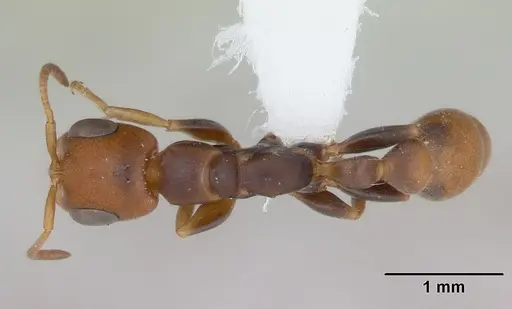
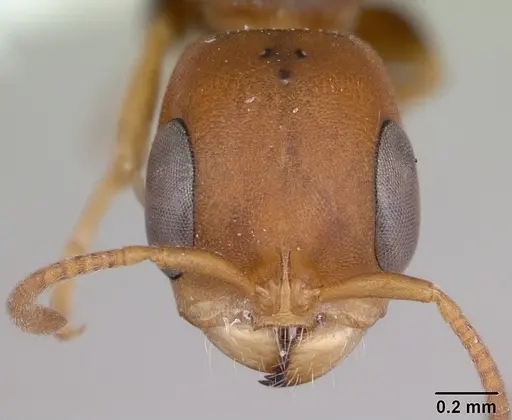
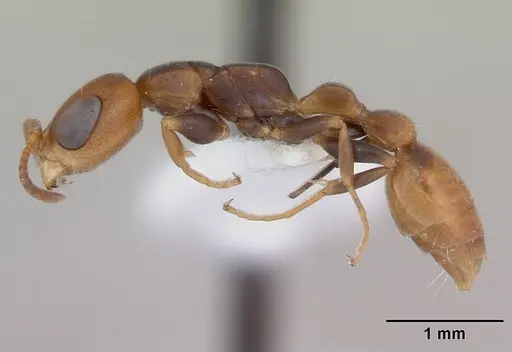
CASENT0173770
View on AntWeb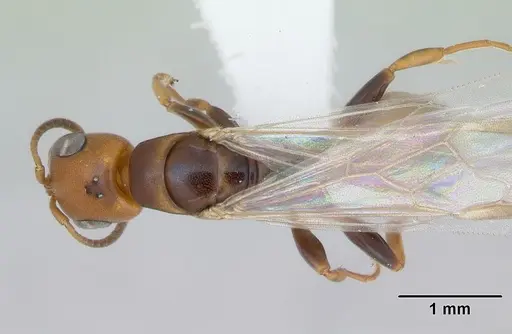
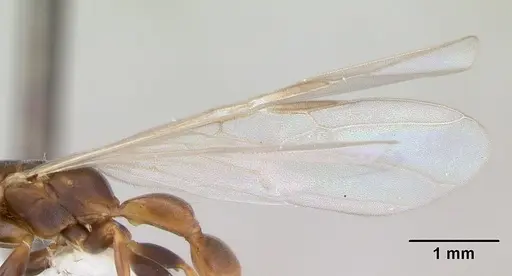
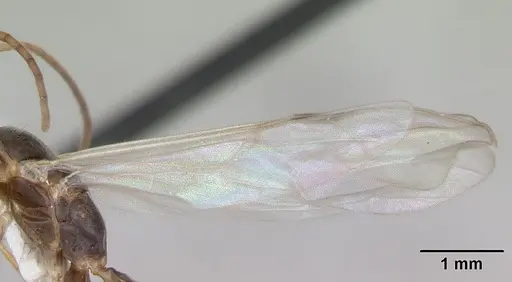
CASENT0173771
View on AntWeb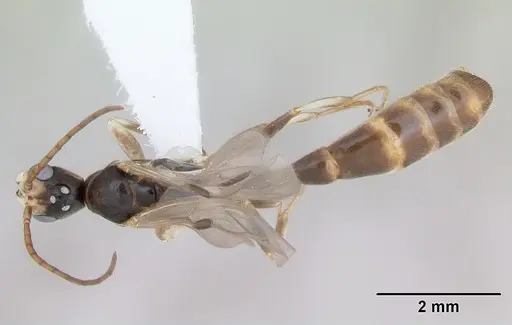
FOCOL0525
View on AntWeb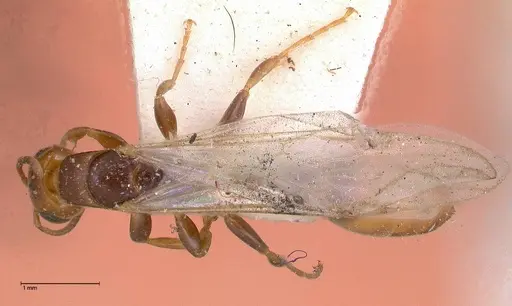
Literature
Loading...Loading products...