

Pseudomyrmex rochai
- Scientific Name
- Pseudomyrmex rochai
- Tribe
- Pseudomyrmecini
- Subfamily
- Pseudomyrmecinae
- Author
- Forel, 1912
- Distribution
- Found in 9 countries
Pseudomyrmex rochai Overview
Pseudomyrmex rochai is an ant species of the genus Pseudomyrmex. It is primarily documented in 9 countries , including Brazil, Colombia, Costa Rica. Detailed taxonomic data and occurrence records can be further explored via authoritative databases such as AntWeb or the Global Biodiversity Information Facility (GBIF).
Pseudomyrmex rochai
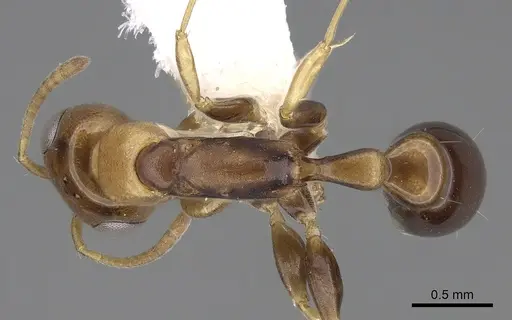
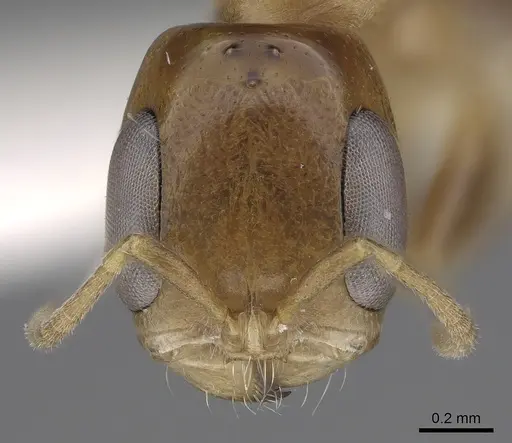
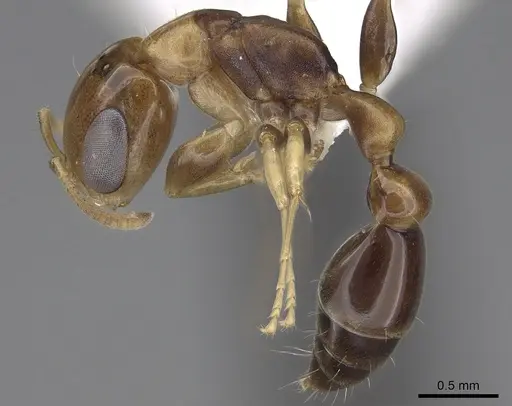
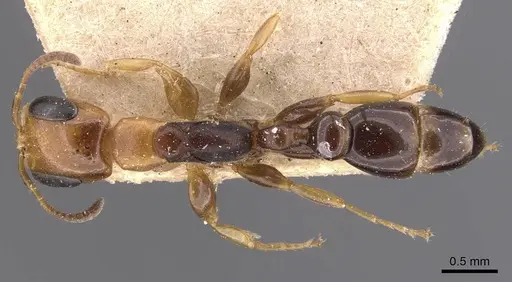
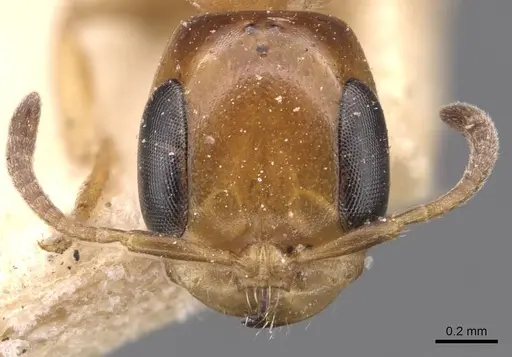
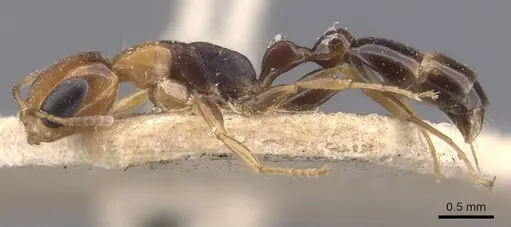
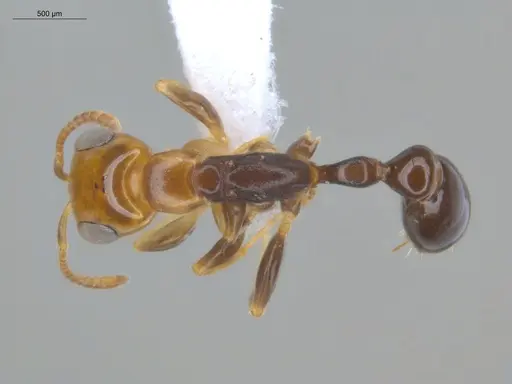
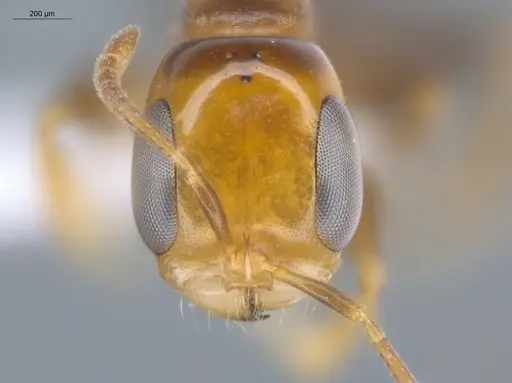
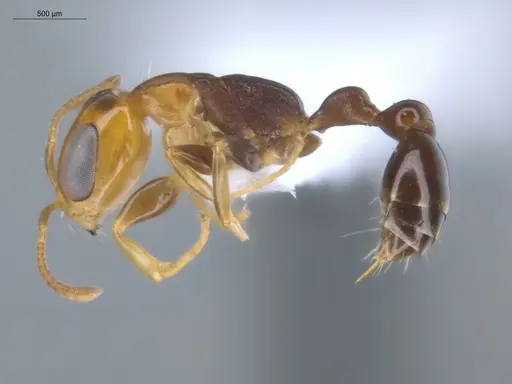
Pseudomyrmex rochai is a slender, long-legged arboreal ant belonging to the Pseudomyrmecinae subfamily. Workers are typically 4-6mm with the characteristic Pseudomyrmex body shape: elongated, with large eyes and a distinct petiole (the narrow waist segment). Their coloration varies from reddish-brown to dark brown, often with a lighter gaster. These ants are native to the Neotropical region, found across Brazil, Colombia, Ecuador, French Guiana, Panama, and Peru [1]. They are arboreal nesters, meaning they live in trees rather than underground, in the wild, they nest in tree cavities and hollow twigs [2]. This arboreal lifestyle is their most distinctive trait compared to many common ant species kept in captivity.
Quick Summary
- Difficulty: Medium
- Origin & Habitat: Native to the Neotropical region including Brazil, Colombia, Ecuador, French Guiana, Panama, and Peru. Found in diverse habitats from Amazon rainforest to Brazilian Caatinga (dry forest), at elevations ranging from near sea level to around 980m [3][1]. They inhabit primary forests, secondary growth forests, and reforested areas, typically nesting in tree cavities and hollow twigs [2][4].
- Colony Type: Likely monogyne (single-queen colonies), though colony structure is not extensively documented for this specific species. Pseudomyrmex species typically form single-queen colonies in tree cavities.
- Colony: Monogyne
- Size & Growth:
- Queen: Approximately 7-9mm (estimated based on genus patterns)
- Worker: 4-6mm [1]
- Colony: Colony size estimates are unclear, but Pseudomyrmex colonies typically reach several hundred workers. Related species suggest moderate-sized colonies.
- Growth: Moderate, tropical species develop relatively quickly
- Development: Estimated 6-8 weeks at tropical temperatures (25-28°C) based on genus patterns for Pseudomyrmex species (Development is likely faster than temperate species due to their tropical origin)
- Antkeeping:
- Temperature: Keep at 24-28°C (tropical conditions). They are adapted to warm, humid forest environments so maintain temperatures in the mid-to-high 20s Celsius [5].
- Humidity: High humidity (70-80%), these are forest ants that need moisture. Provide a water source and keep the nest area damp but not waterlogged.
- Diapause: No true diapause required. As a tropical species, they do not need hibernation. However, a slight reduction in temperature during cooler months may slow activity.
- Nesting: Arboreal setup is essential. These ants naturally nest in tree cavities and hollow twigs. In captivity, they do well in vertical or arboreal-style formicariums, or in test tubes with access to vertical space. They prefer nests with multiple chambers and need climbing surfaces.
- Behavior: Pseudomyrmex ants are known for being aggressive and have a painful sting, they are defenders of their tree nests. They are active foragers and will hunt small insects. Workers are slender and fast-moving, with excellent vision thanks to their large eyes. They are arboreal, so they spend most of their time climbing rather than walking on flat surfaces. Escape prevention is important, they are agile climbers and can escape through small gaps. Their sting is potent for their size, so handle with care.
- Common Issues: escape prevention is critical, they are excellent climbers and will find any gap, tropical humidity requirements can lead to mold if ventilation is poor, aggressive behavior and painful sting makes them harder to handle than docile species, arboreal setup requirements differ from typical ground-nesting ant setups, wild-caught colonies may be stressed from their arboreal habitat and difficult to establish
Housing and Nest Setup
Pseudomyrmex rochai requires an arboreal-style setup rather than a typical ground-nesting formicarium. These ants naturally live in tree cavities and hollow twigs, so they need vertical space and climbing surfaces. A vertical acrylic nest or a naturalistic setup with branches works well. You can use a Y-tong (AAC) nest, but ensure there are climbing surfaces and chambers sized appropriately for their 4-6mm workers. Test tubes can work for founding colonies, but add sticks or mesh for climbing access. The key is providing vertical space, they are arboreal ants that prefer to travel upward rather than across flat surfaces. Include a water source and ensure humidity can be maintained in the nest area. [2][4]
Feeding and Diet
Like other Pseudomyrmex species, P. rochai is likely omnivorous with a preference for protein. In the wild, they are active predators of small insects and also consume honeydew from aphids and scale insects. For captive care, offer a varied diet: small live insects (fruit flies, pinhead crickets, small mealworms) as primary protein sources, and sugar water or honey as an energy source. They have been collected with carbohydrate baits in studies, confirming they accept sugary substances [6]. Feed protein 2-3 times per week and keep sugar water available at all times. Remove uneaten prey after 24 hours to prevent mold.
Temperature and Humidity
As a tropical species from the Neotropical region, Pseudomyrmex rochai requires warm, humid conditions. Keep temperatures between 24-28°C, this mimics their natural habitat in Brazilian and Colombian forests. A heating cable on one side of the nest can help maintain these temperatures, but avoid direct heat that could dry out the colony. Humidity should be high, around 70-80%. Use a water reservoir in your setup and mist occasionally to maintain moisture. These ants are adapted to humid forest environments, so dry conditions will stress them. A small water tube or cotton wick provides drinking water. [5][1]
Behavior and Temperament
Pseudomyrmex ants are known for their aggressive defense and painful sting. Workers are active, fast-moving, and have excellent vision due to their large eyes, they will readily defend their nest against threats. When keeping this species, expect more defensive behavior than docile ants like Lasius. They are skilled climbers and will explore vertical surfaces constantly. Their sting is notable for their size, causing localized pain, handle the colony with care and avoid disturbing them unnecessarily. They are diurnal and most active during daylight hours, reflecting their arboreal, forest-dwelling lifestyle. [1]
Colony Establishment
Establishing a Pseudomyrmex rochai colony can be challenging, especially with wild-caught specimens. They are arboreal ants adapted to specific tree-cavity microhabitats, so they may be more sensitive to captive conditions than ground-nesting species. When acquiring a colony, try to provide a setup that mimics their natural arboreal environment as closely as possible. Start with a small test tube setup for the founding queen, then transition to a more elaborate arboreal formicarium as the colony grows. Be patient during the establishment phase, these ants may take longer to adapt to captivity than more common species. [2][4]
Frequently Asked Questions
Can I keep Pseudomyrmex rochai in a test tube?
Yes, test tubes work for founding colonies, but add climbing surfaces like sticks or mesh since they are arboreal ants. Eventually, they will need an arboreal-style setup with vertical space.
How long until Pseudomyrmex rochai has first workers?
Based on genus patterns, expect first workers (nanitics) in about 6-8 weeks at tropical temperatures (25-28°C). Development is faster than temperate species due to their tropical origin.
Do Pseudomyrmex rochai ants sting?
Yes, they can sting and it is painful for their size. They are aggressive defenders of their nest, so handle with care and minimize disturbances.
Are Pseudomyrmex rochai good for beginners?
No, they are considered medium difficulty. Their arboreal setup requirements, high humidity needs, aggressive temperament, and escape-prone behavior make them better suited for antkeepers with some experience.
What do Pseudomyrmex rochai eat?
They are omnivorous. Offer small live insects (fruit flies, pinhead crickets) as protein and sugar water or honey as an energy source. They accept carbohydrate baits.
Do Pseudomyrmex rochai need hibernation?
No, they are tropical ants and do not require diapause. However, a slight temperature reduction in cooler months may slow their activity naturally.
How big do Pseudomyrmex rochai colonies get?
Based on genus patterns, colonies likely reach several hundred workers. They are not among the largest ant species but maintain moderate-sized colonies.
References

This caresheet is licensed under CC BY-SA 4.0 .
Literature
Loading...Loading products...