

Pseudomyrmex pupa
- Scientific Name
- Pseudomyrmex pupa
- Tribe
- Pseudomyrmecini
- Subfamily
- Pseudomyrmecinae
- Author
- Forel, 1911
- Distribution
- Found in 7 countries
Pseudomyrmex pupa Overview
Pseudomyrmex pupa is an ant species of the genus Pseudomyrmex. It is primarily documented in 7 countries , including Bolivia, Plurinational State of, Brazil. Detailed taxonomic data and occurrence records can be further explored via authoritative databases such as AntWeb or the Global Biodiversity Information Facility (GBIF).
Pseudomyrmex pupa
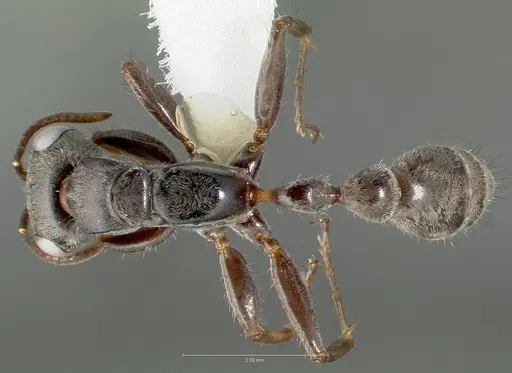
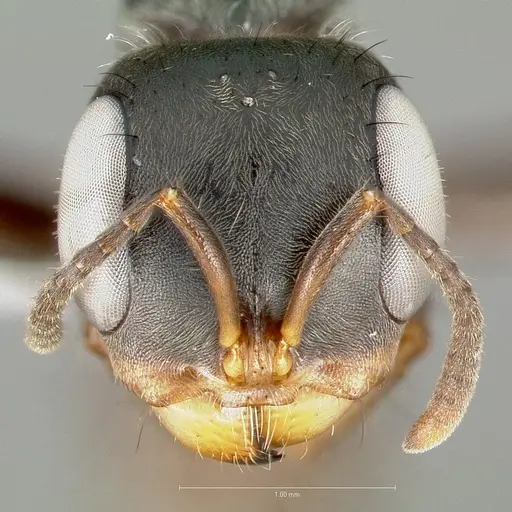
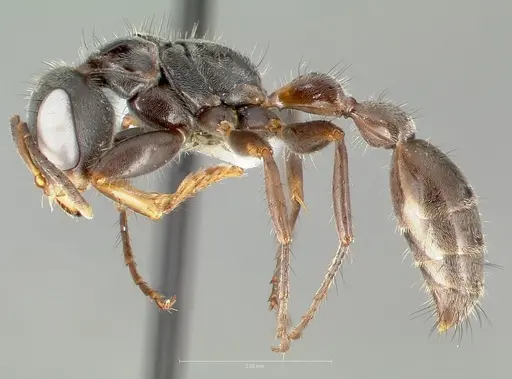
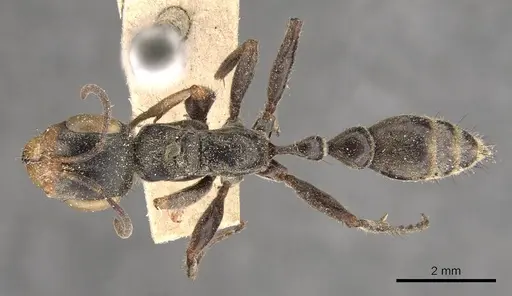
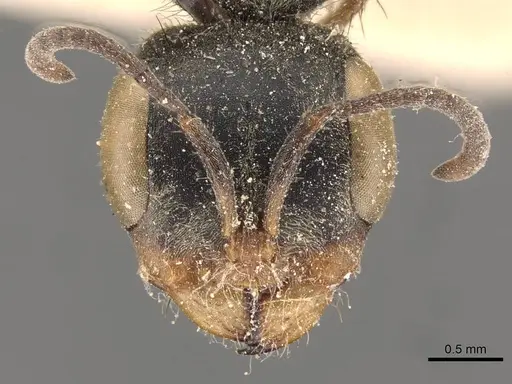
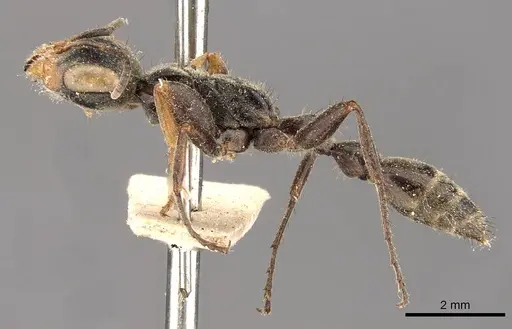
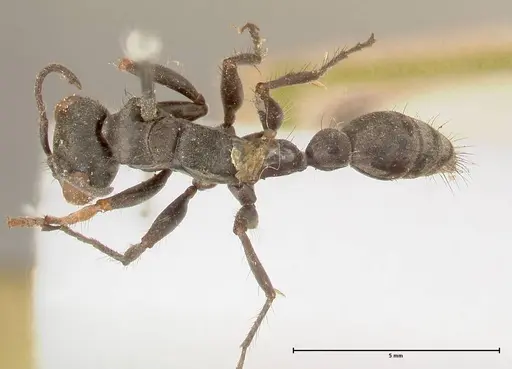
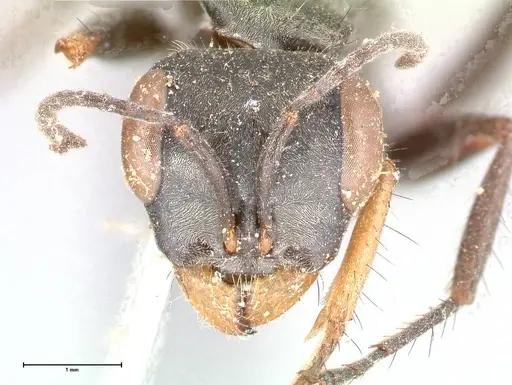
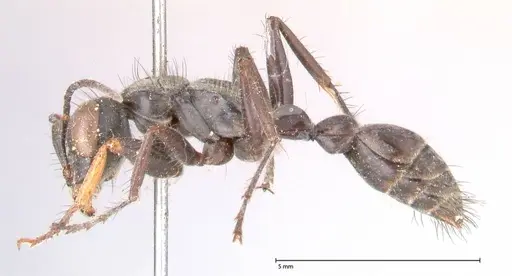
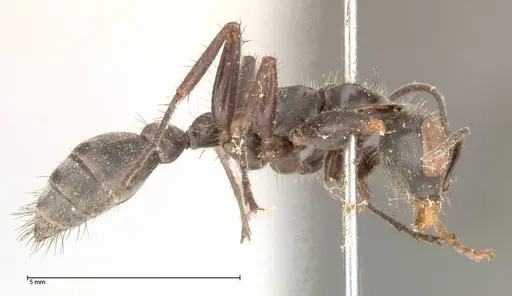
Pseudomyrmex pupa is a Neotropical ant species found across Central and South America, from Mexico through Brazil. Workers are slender and elongated, typical of the Pseudomyrmex genus, with a reddish-brown to dark brown coloration. This species is arboreal, meaning it nests in above-ground locations like hollow twigs, bamboo stems, and plant cavities rather than underground nests. They are part of the Pseudomyrmecinae subfamily, which includes the well-known 'twig ants' that often inhabit plant structures. In the wild, they have been documented visiting extrafloral nectaries in the cerrado savanna of Brazil, suggesting they forage on vegetation and may have associations with plants [1]. The species was originally described as a subspecies of Pseudomyrmex mutilloides in 1911 and raised to full species status in 1958.
Quick Summary
- Difficulty: Medium
- Origin & Habitat: Neotropical region, found in Bolivia, Brazil, Ecuador, French Guiana, and Mexico. In Brazil, they occur in both Amazon and Cerrado biomes [2][1]. Also recorded in Colombia (Amazonas and Meta departments) [3] and Peru [4]. They are arboreal ants that nest in plant cavities like hollow twigs and bamboo.
- Colony Type: Unconfirmed, colony structure (single queen vs multiple queens) has not been documented in scientific literature.
- Size & Growth:
- Queen: Unknown, no specific measurements found in available literature
- Worker: Unknown, worker measurements not documented in available sources
- Colony: Unknown, colony size has not been studied
- Growth: Unknown, development timeline not documented
- Development: Unknown, no direct measurements available. Based on typical Pseudomyrmex patterns, expect 6-10 weeks at warm tropical temperatures, but this is an estimate. (Development timeline is unconfirmed for this species. Related Pseudomyrmex species typically develop in the 6-10 week range at temperatures around 24-28°C.)
- Antkeeping:
- Temperature: Aim for warm conditions around 24-28°C. This species is tropical/subtropical and likely prefers temperatures in the mid-to-high 20s. A gentle heat gradient allows ants to regulate their own temperature.
- Humidity: Moderate to high humidity, think tropical forest conditions. Keep nest substrate slightly moist but not waterlogged. Arboreal ants often prefer conditions that prevent desiccation.
- Diapause: Unknown, tropical species may not require true hibernation, but some form of seasonal slowdown may occur. Monitor colony behavior and reduce temperatures slightly during winter months if activity decreases.
- Nesting: Arboreal nesters, they naturally inhabit hollow twigs, bamboo, and plant stems. In captivity, they do well in Y-tong (AAC) nests, test tubes with cotton, or plaster nests that provide narrow, enclosed chambers. Avoid large open spaces, they prefer tight-fitting cavities.
- Behavior: Arboreal and active foragers. They are likely defensive of their nest sites and may show aggression when disturbed. Their slender body shape allows them to navigate narrow plant cavities easily. Escape prevention is important, use appropriate barriers. As arboreal ants, they are comfortable climbing and may explore vertical spaces.
- Common Issues: tropical species may struggle in cool or dry conditions, maintain warmth and humidity, arboreal nesting means they need enclosed nest spaces rather than open setups, escape prevention is important despite their moderate size, lack of documented care information means some trial and error may be needed, wild-caught colonies may carry parasites or face adaptation challenges to captive conditions
Natural History and Distribution
Pseudomyrmex pupa is a Neotropical ant species with a broad distribution across Central and South America. Records show populations in Mexico (including Morelos state) [5], Colombia (Amazonas and Meta departments) [3], Peru [4], and throughout Brazil including the Amazon and Cerrado biomes [2][1]. This wide distribution across different ecosystems suggests some adaptability to varying conditions, though they are consistently found in forested or savanna habitats where suitable nesting sites in plants are available. The species was originally described from Brazil in 1911 and has been recorded in multiple countries spanning the Neotropical region.
Nesting Preferences
As an arboreal species, Pseudomyrmex pupa naturally nests in plant cavities rather than in soil. In the wild, they have been documented in association with bamboo and other plant structures. They are part of the arboreal ant community that visits extrafloral nectaries, meaning they forage on vegetation above ground level [1]. In captivity, provide nest options that mimic their natural hollow twig habitat. Y-tong (AAC) nests work well because they provide enclosed, dark chambers similar to plant cavities. Test tubes with cotton can also work, especially for founding colonies. Avoid naturalistic setups with large open spaces, these ants prefer tight, enclosed areas where they can control humidity and feel secure.
Feeding and Diet
While specific dietary studies for Pseudomyrmex pupa are lacking, Pseudomyrmex genus members are typically omnivorous with a preference for sugar sources and protein. Their documented visits to extrafloral nectaries in the cerrado savanna indicate they consume nectar [1]. In captivity, offer sugar water or honey as a constant energy source. For protein, provide small insects like fruit flies, small crickets, or mealworms. Being arboreal foragers, they will likely accept most standard ant foods. Feed protein sources 2-3 times per week and keep sugar water available at all times. Remove uneaten prey after 24-48 hours to prevent mold issues.
Temperature and Humidity Requirements
As a tropical species from the Neotropical region, Pseudomyrmex pupa requires warm conditions to thrive. Aim for temperatures in the 24-28°C range, which mimics their natural environment in Central and South American forests and savannas. A slight temperature gradient allows the colony to self-regulate. For humidity, maintain moderate to high levels, think damp tropical forest rather than dry conditions. If using a test tube setup, ensure the water reservoir is adequate but not excessive. For Y-tong or plaster nests, check that the substrate stays slightly moist. Avoid placing the nest near air conditioning or in drafty areas. Since they are arboreal, good ventilation is important to prevent mold while maintaining humidity.
Colony Establishment and Growth
The colony founding behavior of Pseudomyrmex pupa has not been directly documented in scientific literature. Most Pseudomyrmex species are claustral, meaning the queen seals herself in a chamber and raises the first generation alone on stored fat reserves. However, this specific behavior is unconfirmed for P. pupa. If you acquire a founding queen, provide her with a small, dark, enclosed space (test tube or small Y-tong section) and maintain warm, humid conditions. Do not disturb her during the founding phase. Once workers emerge, they will typically expand into additional chambers or tubes. Growth rate is unknown but is likely moderate for the genus. Be patient, tropical arboreal ants sometimes develop more slowly than common temperate species.
Frequently Asked Questions
How long does it take for Pseudomyrmex pupa to produce first workers?
The exact egg-to-worker timeline is unconfirmed for this species. Based on typical Pseudomyrmex genus patterns, expect approximately 6-10 weeks at optimal warm temperatures (24-28°C). However, this is an estimate since specific development data for P. pupa has not been documented.
What is the best nest type for Pseudomyrmex pupa?
Y-tong (AAC) nests or test tubes work best. These ants are arboreal and naturally nest in hollow twigs and plant cavities, so they prefer enclosed, dark chambers rather than open naturalistic setups. Provide tight-fitting chambers that mimic their natural nesting sites.
Do Pseudomyrmex pupa ants sting?
Pseudomyrmex species can defend themselves, though specific sting potency for P. pupa is not documented. They are slender ants that may bite or sting if threatened. Handle with care and use proper escape prevention.
Can I keep multiple Pseudomyrmex pupa queens together?
Colony structure (monogyne vs polygyne) is unconfirmed for this species. Combining unrelated queens is not recommended since this has not been documented and could result in aggression. Start with a single queen for best results.
What do Pseudomyrmex pupa ants eat?
They likely accept sugar sources (honey, sugar water) and protein (small insects like fruit flies, pinhead crickets, mealworms). Their documented visits to extrafloral nectaries in the wild indicate they consume plant nectar. Offer sugar water constantly and protein 2-3 times per week.
Are Pseudomyrmex pupa ants good for beginners?
This species is rated as Medium difficulty. While not the most challenging ant to keep, there is limited documented care information, so some trial and error may be needed. They require warm, humid conditions typical of tropical species. If you have experience with arboreal ants or other Pseudomyrmex species, this is a reasonable choice.
Do Pseudomyrmex pupa ants need hibernation?
Diapause requirements are unknown. As a tropical species from the Neotropical region, they likely do not require true hibernation. However, you may observe reduced activity during winter months. If activity decreases, slightly lowering temperature (but not below 20°C) may be appropriate. Monitor your colony's behavior.
How big do Pseudomyrmex pupa colonies get?
Maximum colony size is unconfirmed. Based on the genus, colonies likely reach several hundred workers over time. Related Pseudomyrmex species typically form moderate-sized colonies in plant cavities.
Where is Pseudomyrmex pupa found in the wild?
They are found across the Neotropical region including Mexico, Colombia, Peru, Bolivia, Ecuador, French Guiana, and Brazil. They inhabit both Amazon and Cerrado biomes and are part of arboreal ant communities that visit extrafloral nectaries.
Why are my Pseudomyrmex pupa ants dying?
Common issues include: temperatures that are too cool (keep above 24°C), low humidity (they need moderate to high humidity), excessive disturbance during founding, or poor escape prevention. Ensure warm, stable conditions and minimal disturbance, especially for founding colonies.
References

This caresheet is licensed under CC BY-SA 4.0 .
Literature
Loading...Loading products...