

Pseudomyrmex phyllophilus
- Scientific Name
- Pseudomyrmex phyllophilus
- Tribe
- Pseudomyrmecini
- Subfamily
- Pseudomyrmecinae
- Author
- Smith, 1858
- Distribution
- Found in 4 countries
Pseudomyrmex phyllophilus Overview
Pseudomyrmex phyllophilus is an ant species of the genus Pseudomyrmex. It is primarily documented in 4 countries , including Argentina, Brazil, Paraguay. Detailed taxonomic data and occurrence records can be further explored via authoritative databases such as AntWeb or the Global Biodiversity Information Facility (GBIF).
Pseudomyrmex phyllophilus
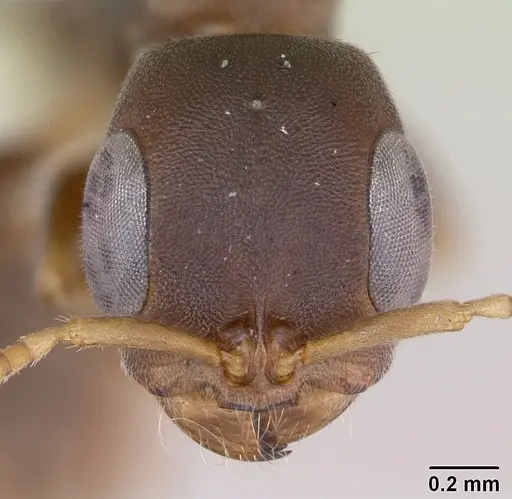
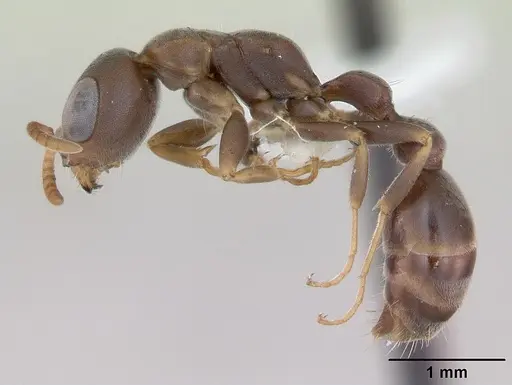
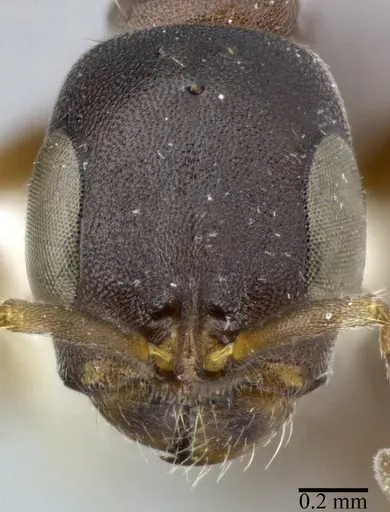
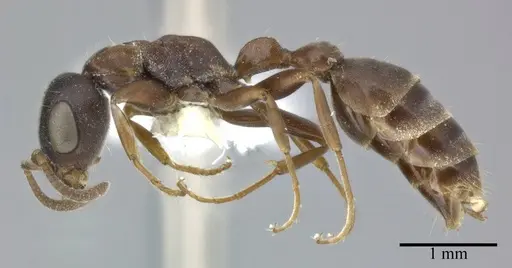
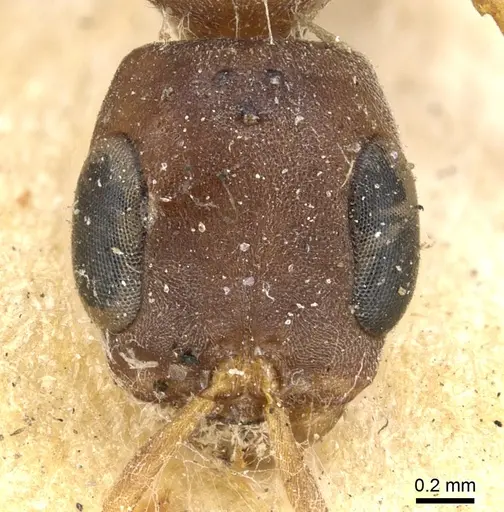
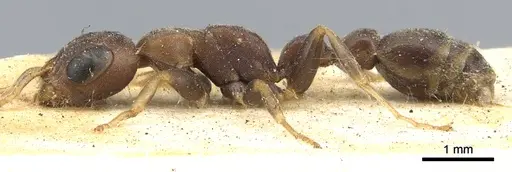
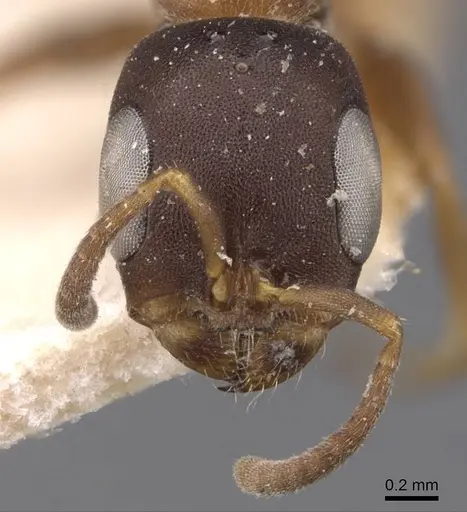
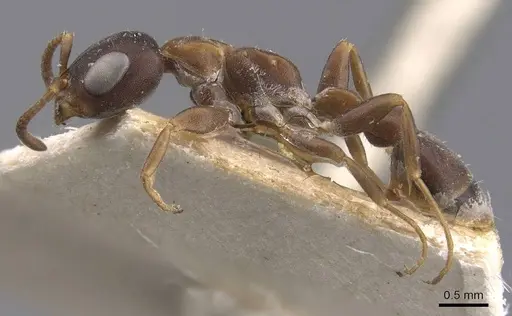
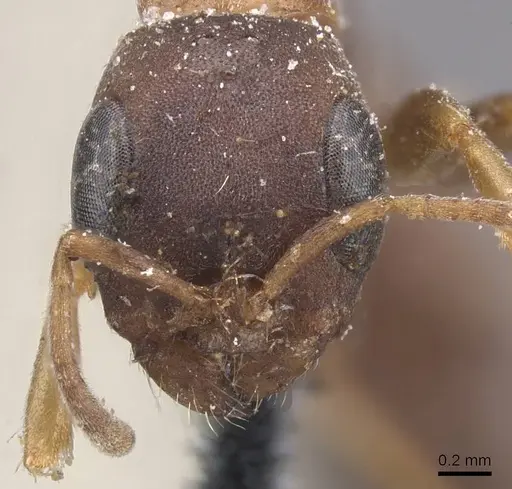
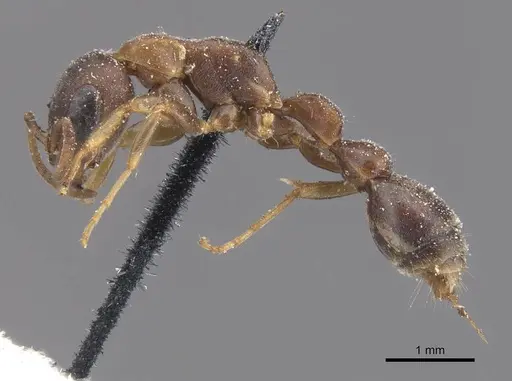
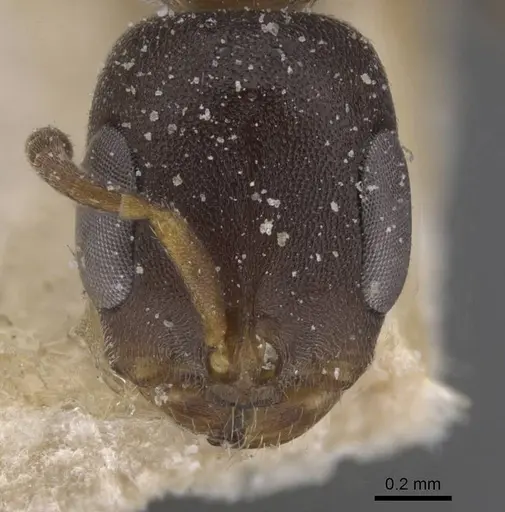
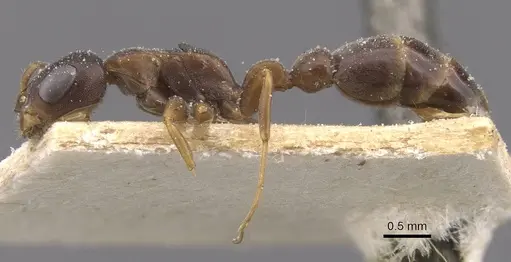
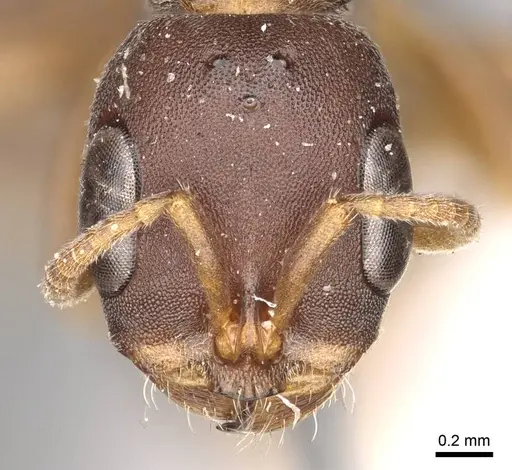
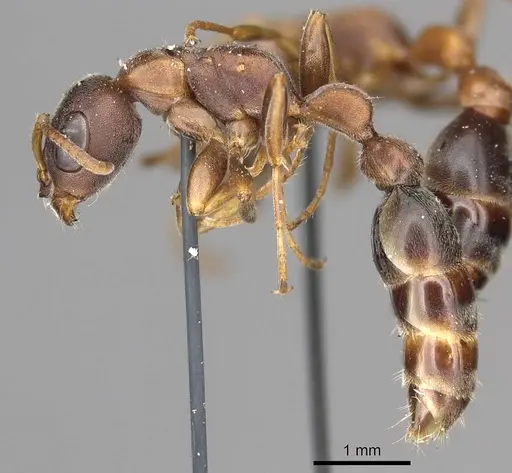
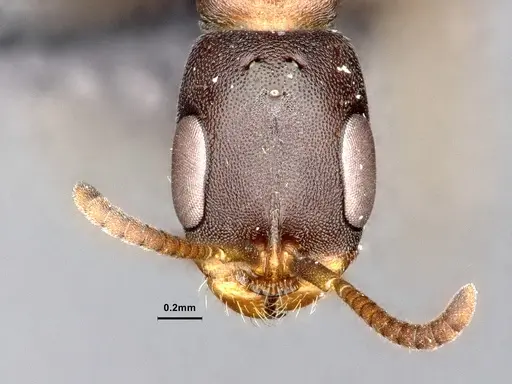
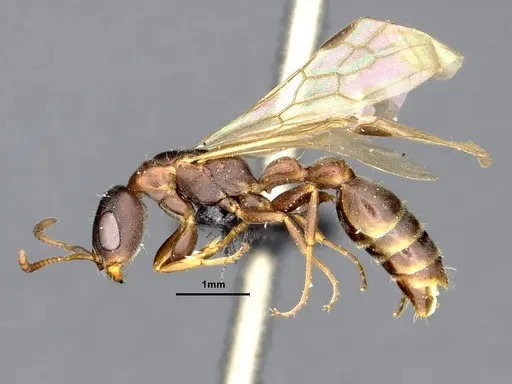
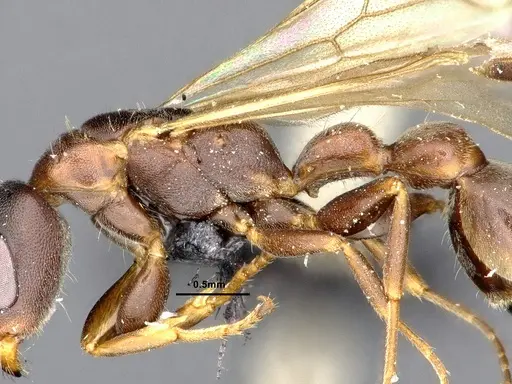
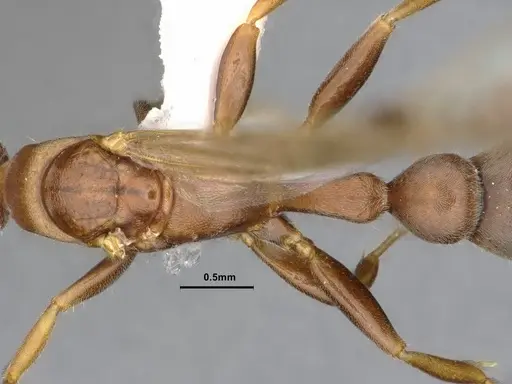
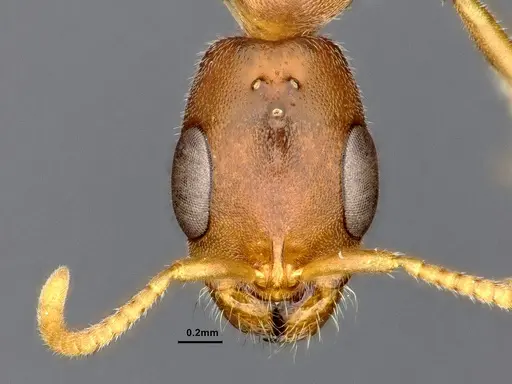
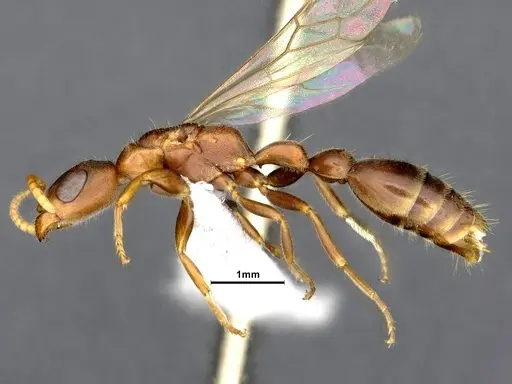
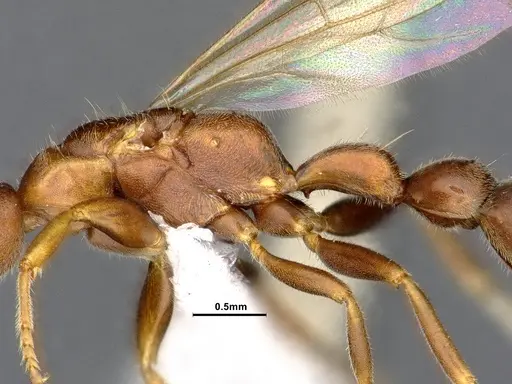
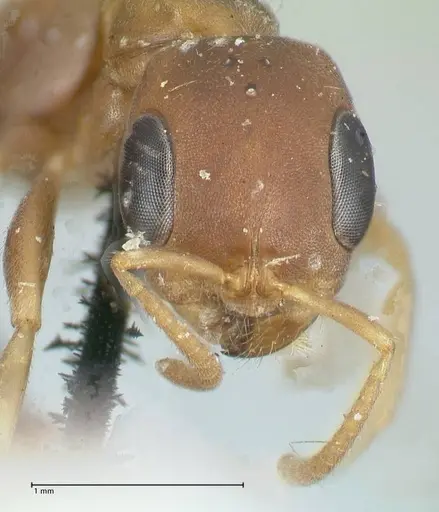
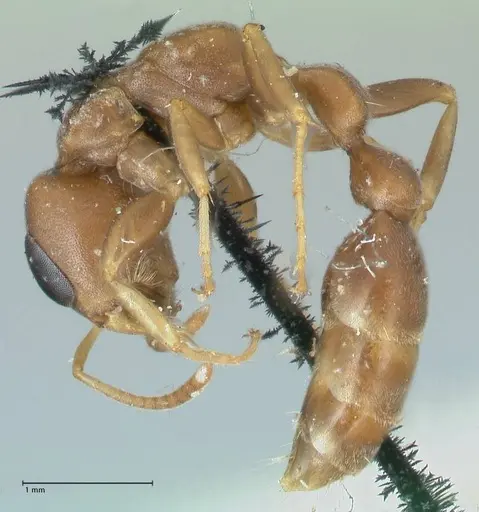
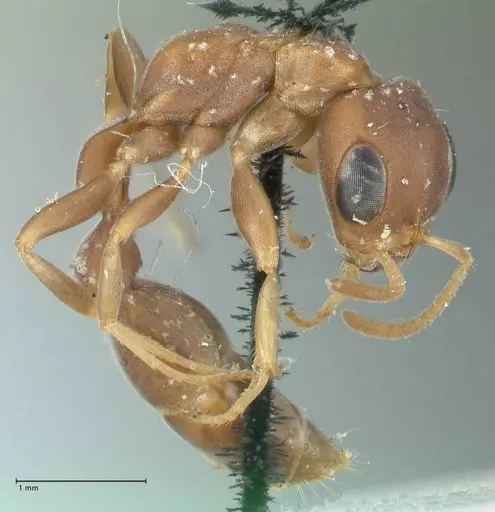
Pseudomyrmex phyllophilus is a small to medium-sized ant native to the Neotropical region, found across Argentina, Brazil, Paraguay, Trinidad and Tobago, and Uruguay [1]. Workers are fast-moving and have the characteristic large eyes typical of the Pseudomyrmecinae subfamily, a trait that helps these arboreal ants navigate in dim light [2]. This species belongs to the P. pallens group and is a generalist twig-nesting ant, meaning it will colonize various small cavities in plants [3].
What makes P. phyllophilus interesting is its flexible nesting habits. Researchers have found colonies nesting in the unusual location of bromeliad flower stalks (infructescences) on Santa Catarina Island, Brazil, while other studies show it commonly nests in twigs within leaf litter across multiple habitat types [4]. This species can form polydomous nests, meaning colonies spread across multiple twigs rather than living in a single cavity [4]. It's considered a common inhabitant in twig surveys, recorded in 10 or more twigs in studies of leaf litter ant communities [4].
Quick Summary
- Difficulty: Medium
- Origin & Habitat: Neotropical region, Argentina, Brazil, Paraguay, Trinidad and Tobago, and Uruguay. Found in Atlantic Forest fragments, eucalyptus plantations, urban parks, and associated with green areas. Nests in twigs (both arboreal and leaf litter) and occasionally in bromeliad flower stalks [1][4].
- Colony Type: Likely monogyne (single queen) based on typical genus patterns. Forms polydomous nests with colonies potentially spreading across multiple twigs [4]. Colony structure is not directly studied.
- Colony: Monogyne
- Founding: Claustral
- Size & Growth:
- Queen: Estimated 7-9mm based on genus Pseudomyrmex patterns
- Worker: Estimated 4-6mm based on genus patterns
- Colony: Likely several hundred workers based on related twig-nesting species
- Growth: Moderate, estimated based on tropical ant development patterns
- Development: Estimated 5-8 weeks at optimal tropical temperatures (25-28°C) based on typical Pseudomyrmex development (Development time is estimated, not directly studied for this species. Tropical species typically develop faster than temperate ones.)
- Antkeeping:
- Temperature: Keep at 22-28°C. As a neotropical species from Brazil and Argentina, they prefer warm conditions. A heating cable on one side of the nest creates a temperature gradient they can choose from [2].
- Humidity: Moderate to high. These ants naturally encounter humid conditions in bromeliads and leaf litter. Keep nest substrate slightly moist but not waterlogged, with some drier areas available.
- Diapause: Likely minimal or no true diapause. As a neotropical species from subtropical regions (Argentina, Uruguay), they may slow down slightly in cooler months but full hibernation is probably not required. More research is needed on their exact seasonal requirements.
- Nesting: Provide small-diameter twigs or test tube setups that mimic their natural twig-nesting preferences. Studies show they prefer twigs around 10-16mm in diameter [4]. A Y-tong (AAC) nest or acrylic formicarium with narrow chambers works well. They are arboreal and may benefit from vertical space.
- Behavior: Fast-moving and active ants, they have excellent vision adapted for navigating in dim light within their twig nests [2]. They are arboreal and associated with green areas [5]. Workers are likely defensive if provoked, as many Pseudomyrmex species have a potent sting, though this specific species' sting potency is not documented. Escape prevention is important, they are small and quick, so ensure enclosures have tight-fitting lids and consider barrier methods like fluon on edges.
- Common Issues: fast movement makes them prone to escaping, use excellent escape prevention, polydomous nesting habits mean they may spread between connected enclosures if given the chance, humidity control is important, too dry can stress colonies, too wet can cause mold, as a neotropical species, they may not tolerate cool temperatures, keep warm, colonies may be slow to establish compared to faster-growing tropical ants
Natural History and Nesting
Pseudomyrmex phyllophilus is a generalist twig-nesting ant native to the Neotropical region. In the wild, these ants show remarkable flexibility in where they nest. Researchers have found colonies living inside the flower stalks (infructescences) of bromeliad plants Vriesea friburgensis on Santa Catarina Island, Brazil. They also commonly nest in twigs within leaf litter across various habitats including native Atlantic Forest, eucalyptus plantations, and urban parks [4].
Studies of twig colonization show this species is a 'common inhabitant', recorded in 10 or more twigs during surveys [4]. The twigs they occupy vary in diameter: in urban parks they prefer larger twigs (median 15.83mm), while in eucalyptus plantations and native forest they use smaller twigs (median around 11mm) [4]. This flexibility suggests they can adapt to various cavity sizes.
An interesting behavior is their potential to form polydomous nests, colonies that spread across multiple twigs rather than being confined to one [4]. This is unusual among ants and may help the colony expand and access more resources.
Housing and Nest Setup
For captive care, provide a nest setup that mimics their natural twig-nesting preferences. A Y-tong (AAC) nest or acrylic formicarium with narrow chambers works well, aim for chambers roughly matching their natural twig preferences of 10-16mm diameter [4].
These are arboreal ants, so they may benefit from some vertical space in their outworld. However, they also nest in leaf litter, suggesting they can adapt to ground-level setups. Use a test tube water reservoir setup for humidity, but avoid overfilling that could flood the nest.
Escape prevention is critical, these are fast-moving, small ants with excellent vision [2]. Use tight-fitting lids, fine mesh on any ventilation, and consider applying fluon or similar barriers to container edges. They can squeeze through surprisingly small gaps.
Temperature and Humidity
As a neotropical species from Brazil, Paraguay, Argentina, and surrounding regions, Pseudomyrmex phyllophilus needs warm conditions. Keep the nest area at 22-28°C, with a slight gradient if possible so workers can choose their preferred temperature. A heating cable placed on one side of the nest can create this gradient, place it on top of the nest material to avoid evaporating moisture too quickly.
For humidity, aim for moderate to high levels. These ants naturally occur in humid environments like bromeliad flower stalks and leaf litter[4]. Keep the nest substrate slightly moist but not waterlogged, and allow some drier areas for workers to self-regulate. Good ventilation helps prevent mold while maintaining humidity.
Feeding and Diet
While specific dietary studies for P. phyllophilus are lacking, Pseudomyrmex ants are typically generalist feeders. In the wild, they likely forage for honeydew from aphids and scale insects, and hunt small invertebrates. Provide a varied diet including sugar water or honey as an energy source, and protein sources like small insects (fruit flies, small crickets, mealworms).
Feed protein 2-3 times per week, and keep sugar water available constantly. Remove uneaten prey after 24-48 hours to prevent mold. As fast-moving ants with good vision [2], they may be active foragers, ensure food is accessible in the outworld and check regularly.
Behavior and Temperament
Pseudomyrmex phyllophilus is described as a fast-moving ant with excellent visual capabilities [2]. This makes sense for an arboreal species that navigates through twig cavities and likely has to spot predators and resources in their forest habitat.
While specific aggression levels aren't documented, many Pseudomyrmex species are known to be defensive and can deliver a painful sting. Treat this species as potentially defensive, avoid disturbing the nest excessively and use caution when handling.
Their large eyes are a notable feature and set them apart from many other ant genera. This visual adaptation allows them to function in dimmer light conditions within their enclosed twig nests [2].
Frequently Asked Questions
How long does it take for Pseudomyrmex phyllophilus to produce first workers?
Exact development time is not documented for this species. Based on typical Pseudomyrmex development patterns and their tropical distribution, expect approximately 5-8 weeks from egg to first worker at optimal temperatures (25-28°C). Be patient, this species may establish more slowly than some common tropical ants.
Can I keep Pseudomyrmex phyllophilus in a test tube setup?
Yes, a test tube setup can work well for founding colonies. Use a small-diameter test tube with a water reservoir, and ensure the cotton is packed snugly to prevent flooding. As the colony grows, you may need to connect multiple test tubes or move to a small formicarium to accommodate their preference for twig-like cavities.
Do Pseudomyrmex phyllophilus ants sting?
While not specifically documented for this species, Pseudomyrmex ants are known for their potent stings. Treat this species as potentially capable of stinging if provoked. The sting may be painful but is not considered dangerous to healthy humans.
What temperature do Pseudomyrmex phyllophilus need?
Keep them warm at 22-28°C. As a neotropical species from Brazil and Argentina, they prefer tropical to subtropical temperatures. A heating cable on one side of the nest can help maintain warmth, especially in cooler climates.
Are Pseudomyrmex phyllophilus good for beginners?
This species is rated as Medium difficulty. They require warm temperatures and proper humidity, and their fast movement and small size make escape prevention important. They may be slower to establish than some common ant species. If you're experienced with tropical ants and can maintain warm, humid conditions, they can be a rewarding species to keep.
How big do Pseudomyrmex phyllophilus colonies get?
Colony size is not directly documented, but based on related twig-nesting Pseudomyrmex species, colonies likely reach several hundred workers. They may form polydomous nests (spread across multiple cavities), which can make tracking colony size more complex.
Do Pseudomyrmex phyllophilus need hibernation?
Full hibernation is likely not required. As a neotropical species from subtropical regions, they may experience cooler periods in winter but probably not prolonged cold. You may notice reduced activity in cooler months, but a full diapause period is probably unnecessary.
What do Pseudomyrmex phyllophilus eat?
They are generalist feeders. Provide sugar water or honey constantly for energy, and offer protein sources like small insects (fruit flies, pinhead crickets, mealworms) 2-3 times per week. They are active foragers, so place food in an accessible outworld area.
Why are my Pseudomyrmex phyllophilus dying?
Common causes include: temperature too cool (below 22°C), humidity issues (too dry or too wet causing mold), escape due to inadequate barriers, or stress from disturbance. These ants are fast-moving, check that enclosure barriers are secure. Also ensure they're not being overfed, as uneaten food mold can be harmful.
References

This caresheet is licensed under CC BY-SA 4.0 .
CASENT0173768
View on AntWeb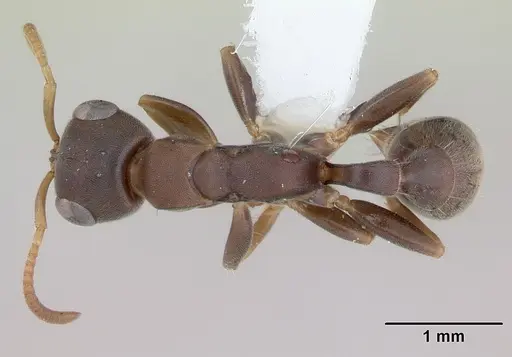
CASENT0246311
View on AntWeb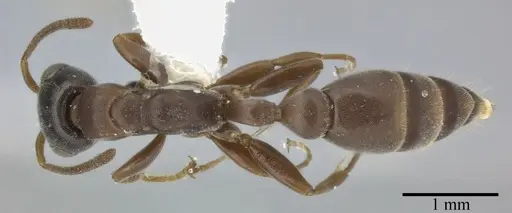
CASENT0902878
View on AntWeb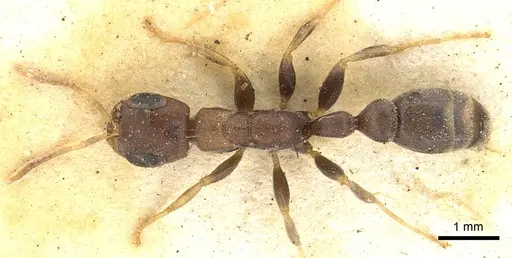
CASENT0907521
View on AntWeb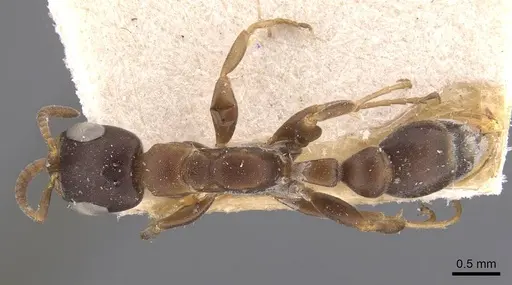
CASENT0915515
View on AntWeb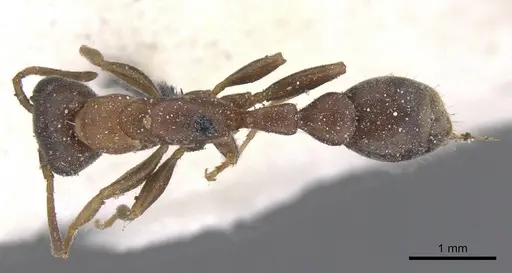
CASENT0915516
View on AntWeb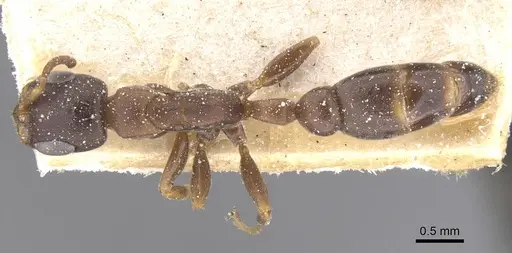
CASENT0915843
View on AntWeb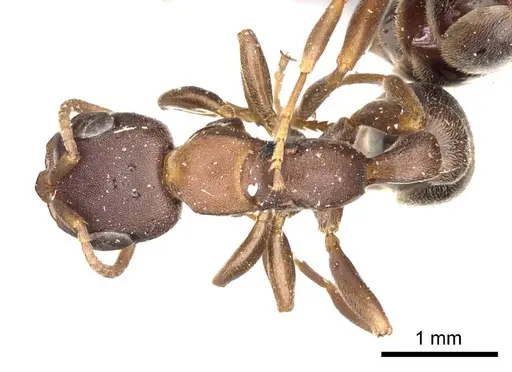
CASENT4032306
View on AntWeb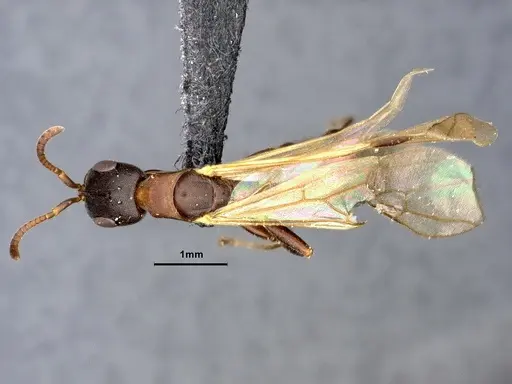
CASENT4032307
View on AntWeb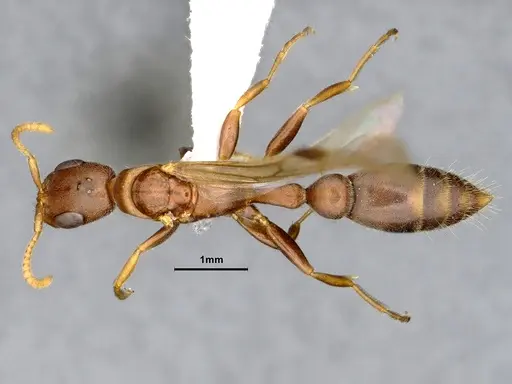
FOCOL1200
View on AntWeb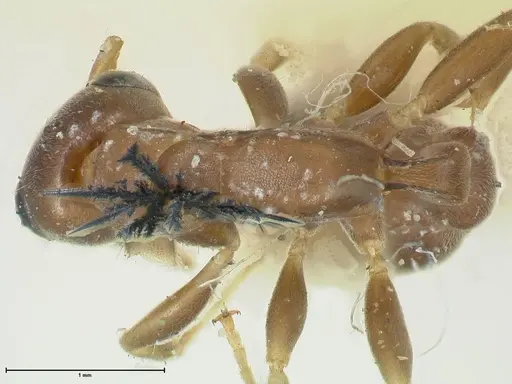
Literature
Loading...Loading products...