

Pseudomyrmex penetrator
- Scientific Name
- Pseudomyrmex penetrator
- Tribe
- Pseudomyrmecini
- Subfamily
- Pseudomyrmecinae
- Author
- Smith, 1877
- Distribution
- Found in 5 countries
Pseudomyrmex penetrator Overview
Pseudomyrmex penetrator is an ant species of the genus Pseudomyrmex. It is primarily documented in 5 countries , including Brazil, French Guiana, Guyana. Detailed taxonomic data and occurrence records can be further explored via authoritative databases such as AntWeb or the Global Biodiversity Information Facility (GBIF).
Pseudomyrmex penetrator
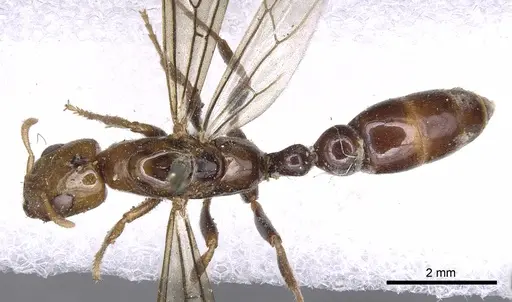
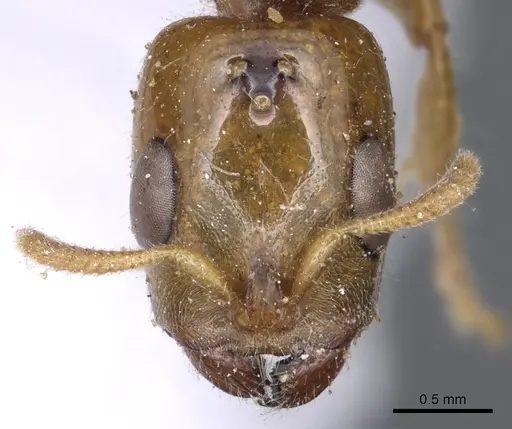
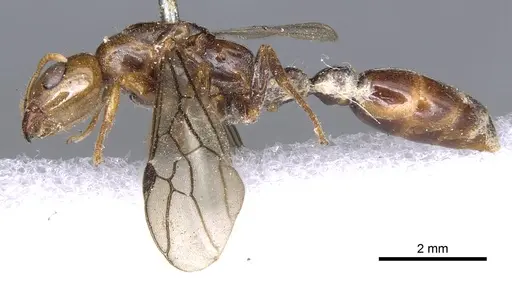
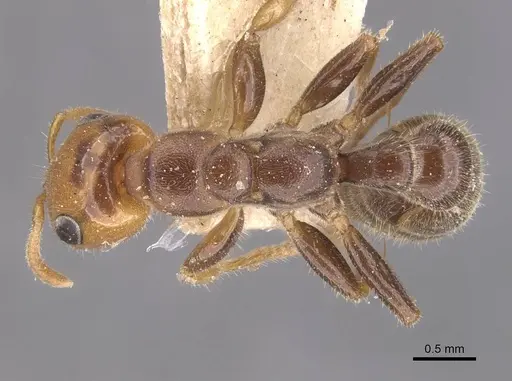
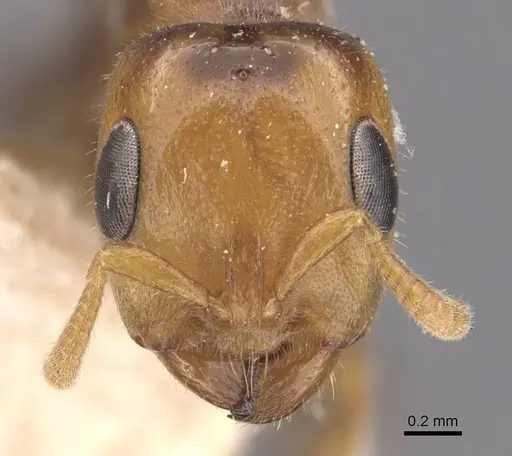
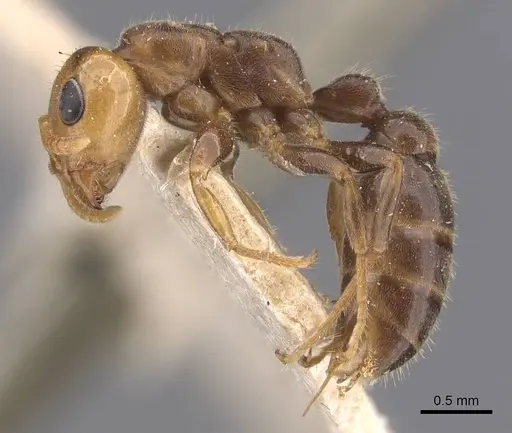
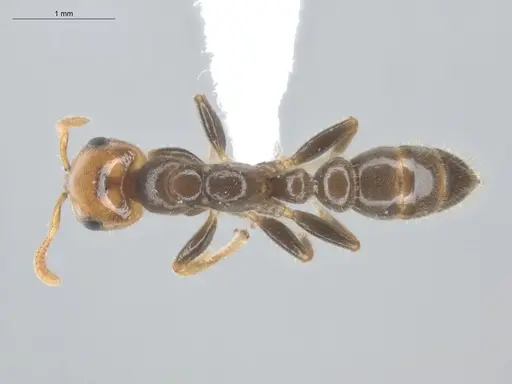
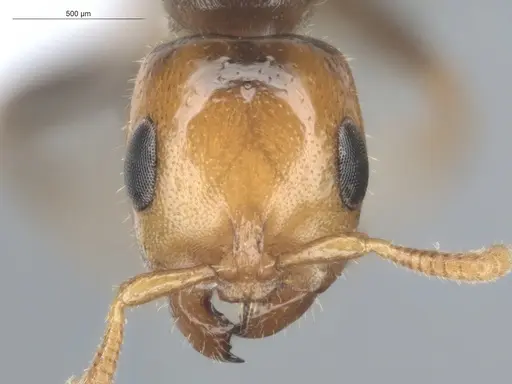
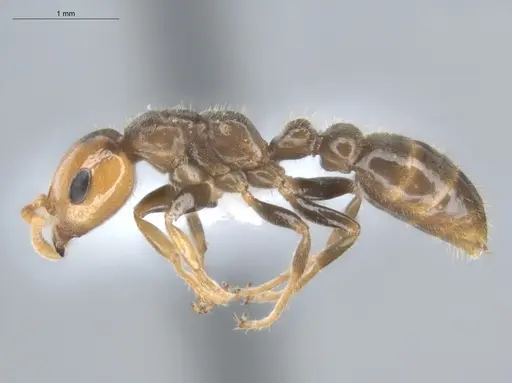
Pseudomyrmex penetrator is a medium-sized ant (workers around 6mm) native to the east and central Amazon basin and adjacent Guianas [1][2]. They are a specialized myrmecophyte ant that obligatorily inhabits Tachigali trees (Fabaceae), entering the plant's hollow structures called domatia through chewed entrance holes [3][1]. Workers are dark brown with the gaster, mesosoma, petiole, and postpetiole typically dark, while the head can be concolorous brown or contrasting orange-brown [2]. Antennae, tarsi, and sometimes tibiae are lighter yellow-brown. This species is very closely related to Pseudomyrmex concolor and they sometimes occur in the same areas, though P. penetrator tends to occupy older Tachigali plants and achieves larger colony sizes [2]. These ants are known for their extreme aggressive behavior and painful sting [4][5].
Quick Summary
- Difficulty: Expert
- Origin & Habitat: East/central Amazon basin and adjacent Guianas (Brazil, Ecuador, French Guiana, Guyana, Suriname, Venezuela). Obligately inhabits myrmecophytic Tachigali trees, nesting within the plant's domatia (hollow structures) and foraging on the plant [1][2][6].
- Colony Type: Monogyne (single queen) colonies. Specialized myrmecophyte ant living in association with Tachigali plants. Queens are large and colonies can reach substantial sizes, larger than the related P. concolor in the same regions [2][4].
- Colony: Monogyne
- Founding: Claustral
- Size & Growth:
- Queen: Large (HW ~1.39mm mentioned for eastern Amazonian populations) [7]
- Worker: HL 0.97-1.23mm, HW 0.89-1.13mm (approximately 6mm body length) [2][1]
- Colony: Larger colony sizes than P. concolor in the Manaus region [2]
- Growth: Moderate, inferred from typical Pseudomyrmex patterns
- Development: Estimated 6-8 weeks based on genus patterns (Development timeline not specifically documented, estimate based on typical Pseudomyrmecinae development at tropical temperatures)
- Antkeeping:
- Temperature: Keep warm, around 24-28°C. Being an Amazonian species, they require stable tropical temperatures [1].
- Humidity: High humidity (70-85%). These ants live in plant domatia in the humid Amazon forest understory [1][8].
- Diapause: No, being a tropical species, they do not require hibernation. Maintain consistent warm conditions year-round [1].
- Nesting: This is the critical challenge, P. penetrator is an obligate myrmecophyte that requires living plant structures. In captivity, this is extremely difficult to replicate. They need domatia-like structures with fungal growth. This species is NOT suitable for standard formicarium setups. Only for experienced keepers who can provide specialized plant-based housing with appropriate fungi.
- Behavior: Extremely aggressive with a painful sting. They are plant specialists that exclusively depend on Tachigali host plants for nesting and food [6]. Workers actively patrol the host plant and will defend it vigorously. Their venom contains potent peptides [5][9]. Escape prevention is important as they are active foragers. They are diurnal and very active on their host plants.
- Common Issues: Specialized plant-fungus mutualism makes captive care extremely difficult, larvae require domatia fungi to survive, Not a beginner species, requires expert-level knowledge of ant-plant symbioses, Finding appropriate host plant (Tachigali) or domatia-like setup is nearly impossible for hobbyists, Aggressive behavior and potent sting make handling risky, Tropical temperature and humidity requirements must be precisely maintained year-round
The Ant-Plant Relationship
Pseudomyrmex penetrator is an obligate myrmecophyte, it cannot survive without its host Tachigali plants. These ants live inside specialized hollow structures called domatia that form in the leaf petioles and rachis of Tachigali trees [8][3]. The ants chew entrance holes to access these hollow chambers. This is not optional housing, the entire biology of the species depends on this relationship. The ants receive shelter and a unique food source, while the plant receives aggressive defenders against herbivores. In the Manaus region, P. penetrator specifically occupies older Tachigali plants compared to the related P. concolor, and achieves larger colony sizes as a result [2]. This specialization makes captive care extraordinarily challenging.
Fungal Nutrition and Diet
This species has a truly unique diet that sets it apart from most other ants. The larvae do not eat typical ant protein sources, instead, they feed almost exclusively on fungi growing inside the host plant's domatia [1][10]. Research shows that workers and larvae consume domatia fungi, with 15N enrichment confirming fungal feeding [1]. Workers gather fungal spores and hyphae from the mycelium lining the domatia, form them into pellets in their infrabuccal pocket (a special mouth structure), and feed these to the larvae [10]. Different fungal strains are associated with this species compared to African ant-plant species [1]. This means you cannot feed these ants standard ant foods like sugar water, insects, or honey, they require fungal cultures from Tachigali domatia to survive.
Aggressive Behavior and Defense
Pseudomyrmex penetrator is known for extreme aggressive behavior [4]. These ants will vigorously defend their host plant against any threat. Their venom contains potent peptide toxins, the Ppla peptide has been identified with significant insecticidal activity (PD50 of 2.4 ± 0.6 nmol/g against Lucilia cuprina) [5]. The venom also contains homo and heterodimeric peptides, though their specific effects are not fully characterized [9]. When working with this species, expect defensive behavior, workers will readily sting and the sting is painful. Use appropriate protective equipment and avoid handling without proper precautions.
Distribution and Habitat
This species is widely distributed across the east/central Amazon basin and adjacent Guianas, including Brazil, Ecuador, French Guiana, Guyana, Suriname, and Venezuela [7][2][6]. In Ecuador, they have been found in Orellana province at Parque Nacional Yasuní at 216m elevation [6]. They are exclusively associated with Tachigali myrmecophyte species and cannot be found nesting in other locations. The ant-plant network studies show P. penetrator (under the old name P. nigrescens) interacts with multiple plant species in continuous forest, including Tachigali myrmecophila and Tachigali venusta, though they are specialized on Tachigali [11]. They are part of resilient mutualistic networks even in forest fragments [12].
Why This Species Is Not Recommended for Most Antkeepers
Pseudomyrmex penetrator is one of the most difficult ant species to keep in captivity, possibly the most difficult non-parasitic species. The fundamental issue is that they are obligate myrmecophytes with a tripartite mutualism involving the ant, the host plant (Tachigali), and specific fungi. You cannot replicate this in a standard formicarium. The larvae require domatia fungi as their primary food source [1][10]. Without the host plant structure and its fungal symbionts, the colony will not survive. Even finding Tachigali plants or appropriate domatia-like setups is nearly impossible for hobbyists. This species should only be kept by expert-level researchers or antkeepers with the specific ability to provide specialized plant-based housing with the correct fungal cultures. For almost everyone interested in this species, observing them in the wild or studying published research is the appropriate approach.
Frequently Asked Questions
Can I keep Pseudomyrmex penetrator in a test tube or formicarium?
No. This species is an obligate myrmecophyte that requires living Tachigali plant domatia with fungal growth. Standard formicarium setups will not work. The larvae feed exclusively on domatia fungi, not standard ant foods. This species is not suitable for captive keeping except in highly specialized research conditions.
What do Pseudomyrmex penetrator ants eat?
Their diet is unique, larvae feed on fungi growing inside the host plant's domatia, not insects or sugar. Workers gather fungal spores and hyphae and feed them to larvae as pellets [10]. Adults likely also consume some fungal materials and plant nectar. You cannot feed them standard ant foods.
How difficult is Pseudomyrmex penetrator to keep?
Expert/Research level only. This is possibly the most difficult non-parasitic ant species to keep because they require a tripartite mutualism (ant-plant-fungi) that cannot be replicated in captivity. Only suitable for researchers with access to host plants and fungal cultures.
Do Pseudomyrmex penetrator ants sting?
Yes, and the sting is potent. This species is extremely aggressive with defensive behavior [4]. Their venom contains powerful peptide toxins [5]. Treat them as dangerous and avoid handling without proper protection.
Where does Pseudomyrmex penetrator live?
They are found in the east/central Amazon basin and adjacent Guianas (Brazil, Ecuador, French Guiana, Guyana, Suriname, Venezuela). They exclusively inhabit Tachigali myrmecophyte plants, nesting within the plant's hollow domatia structures [2][1].
Do Pseudomyrmex penetrator colonies need hibernation?
No. Being a tropical Amazonian species, they do not require hibernation or winter rest. Maintain consistent warm, humid conditions year-round [1].
How big do Pseudomyrmex penetrator colonies get?
They can achieve larger colony sizes than the related P. concolor in the same regions [2]. While exact numbers are not documented, they form substantial colonies in mature Tachigali plants, likely reaching several hundred workers.
Can I catch a queen and start a colony?
Even if you could find a queen (they nest in Tachigali plants), you cannot provide the required domatia-fungi system needed for the colony to survive. The founding queen would need access to host plant structures and appropriate fungi. This is not feasible for hobbyists. Additionally, removing queens from these specialized plants would be ecologically harmful.
Are Pseudomyrmex penetrator good for beginners?
Absolutely not. This species is for expert researchers only. The specialized plant-fungus mutualism required for their survival cannot be replicated in captivity. There are no suitable captive setups for this species.
References

This caresheet is licensed under CC BY-SA 4.0 .
Literature
Loading...Loading products...