

Pseudomyrmex pallens
- Scientific Name
- Pseudomyrmex pallens
- Tribe
- Pseudomyrmecini
- Subfamily
- Pseudomyrmecinae
- Author
- Mayr, 1870
- Distribution
- Found in 8 countries
Pseudomyrmex pallens Overview
Pseudomyrmex pallens is an ant species of the genus Pseudomyrmex. It is primarily documented in 8 countries , including Bolivia, Plurinational State of, Brazil. Detailed taxonomic data and occurrence records can be further explored via authoritative databases such as AntWeb or the Global Biodiversity Information Facility (GBIF).
Pseudomyrmex pallens
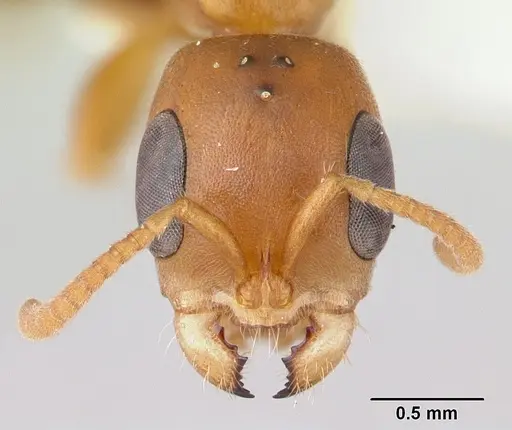
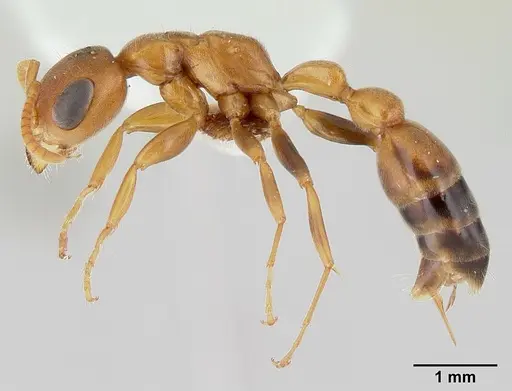
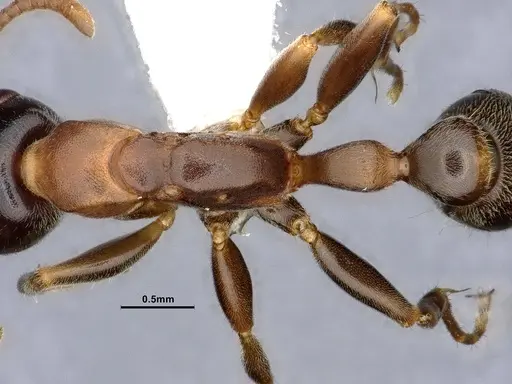
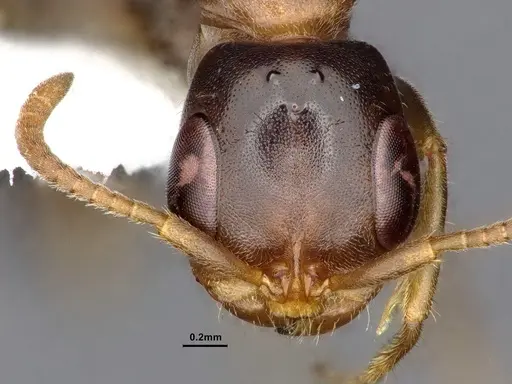
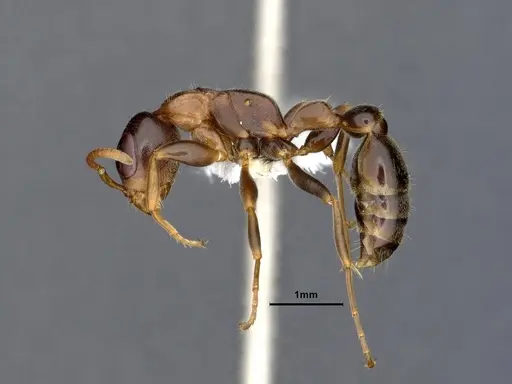
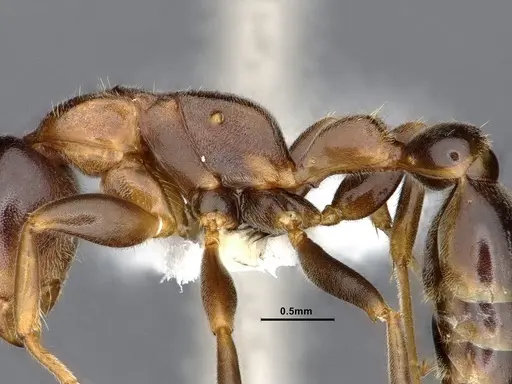
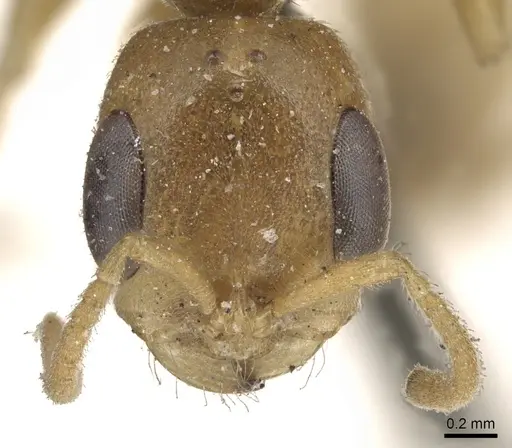
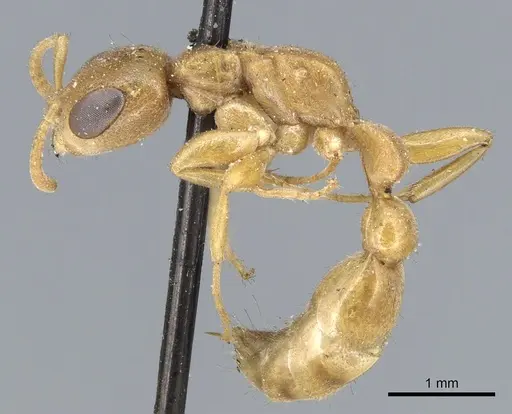
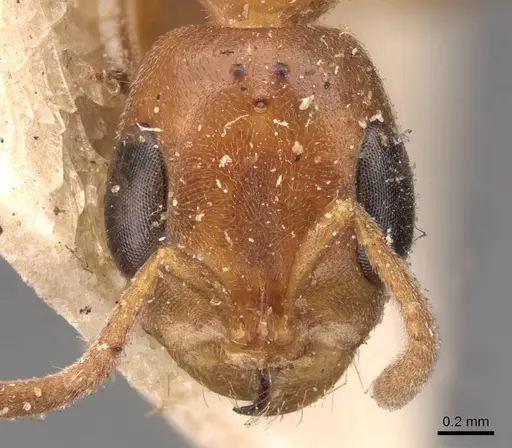
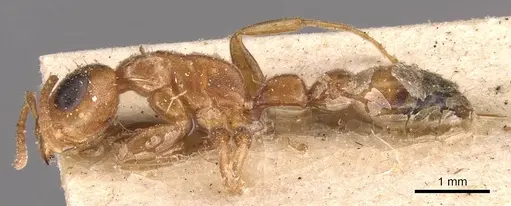
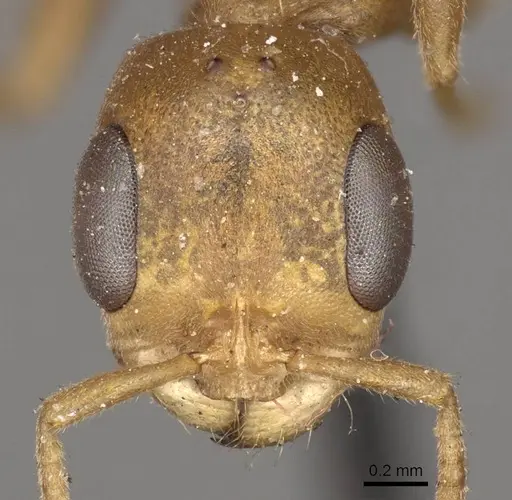
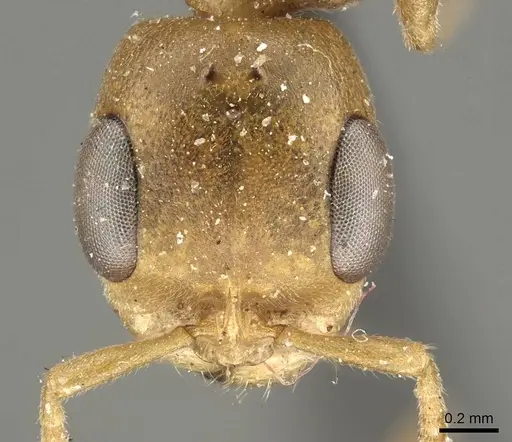
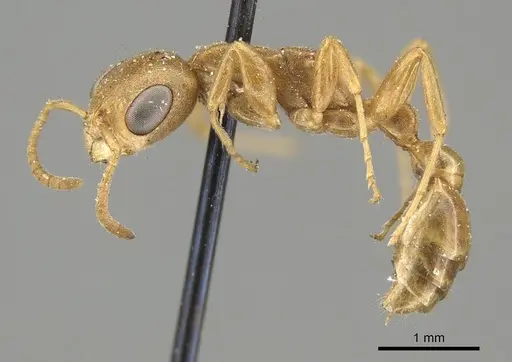
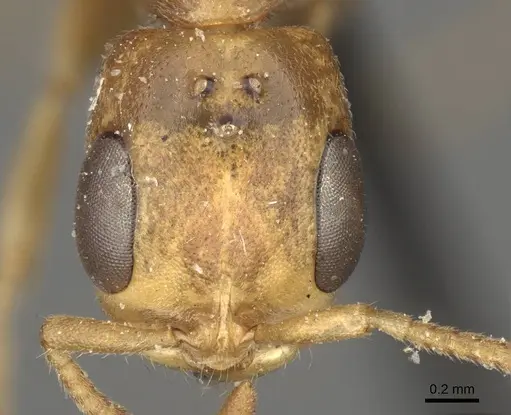
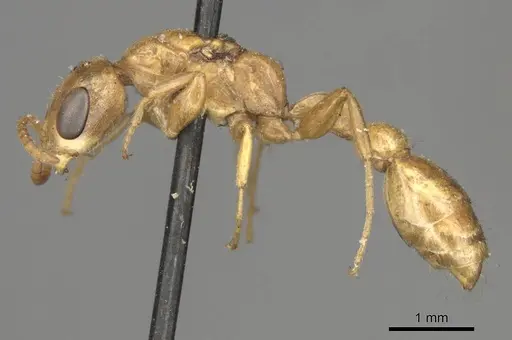
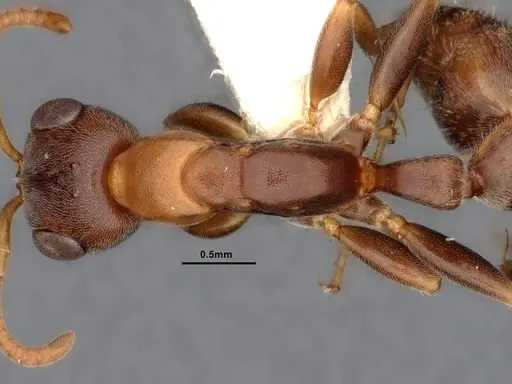
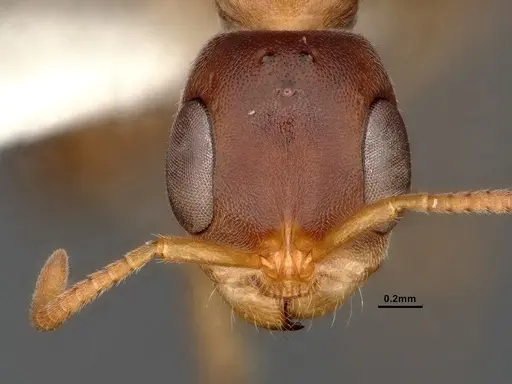
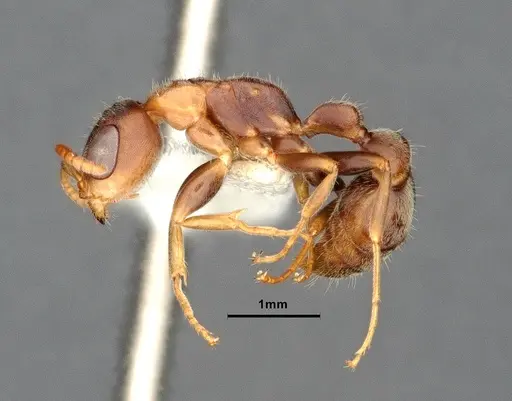
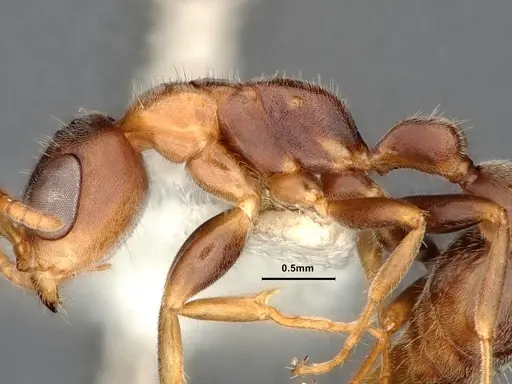
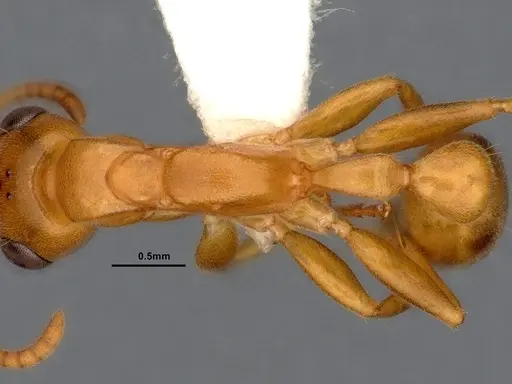
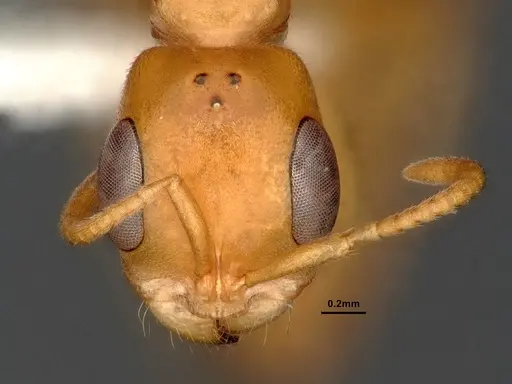
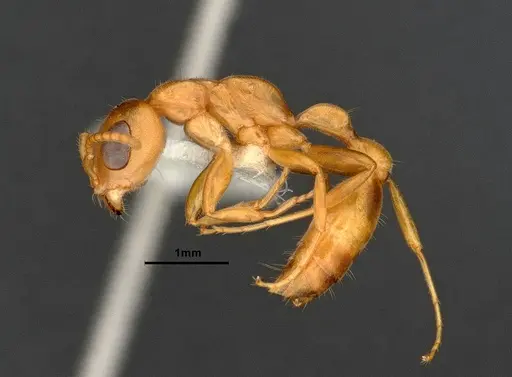
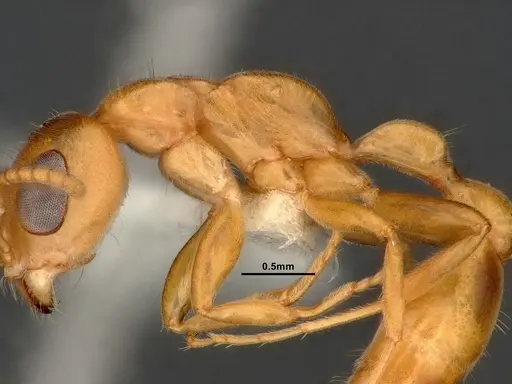
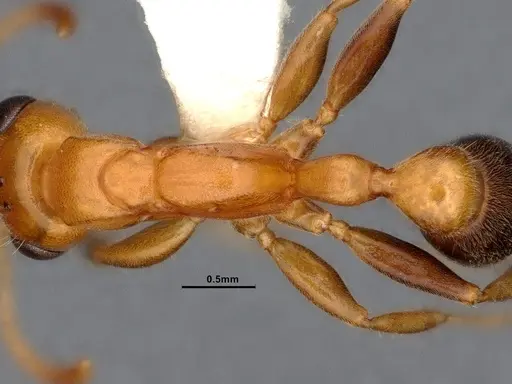
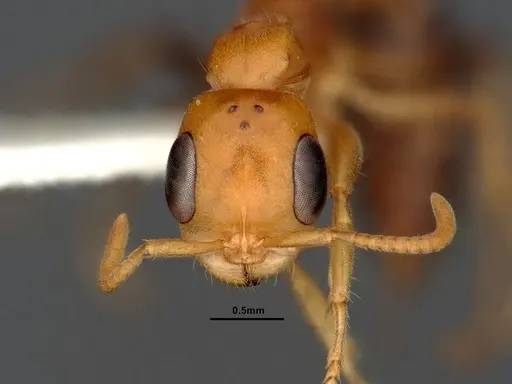
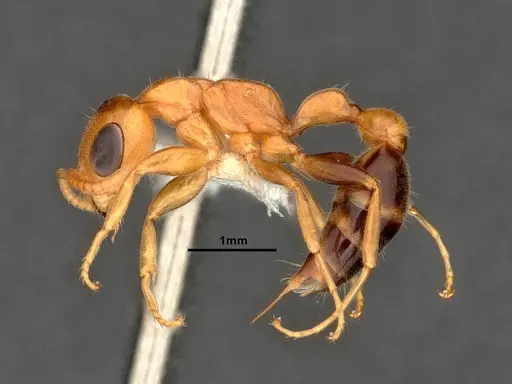
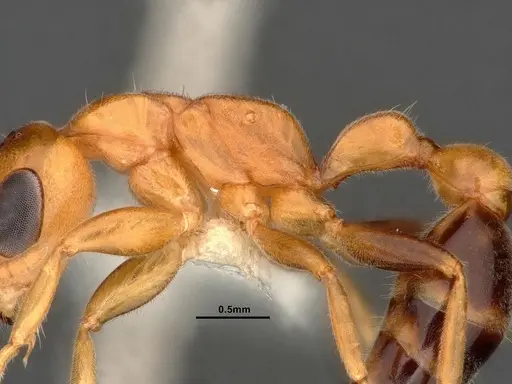
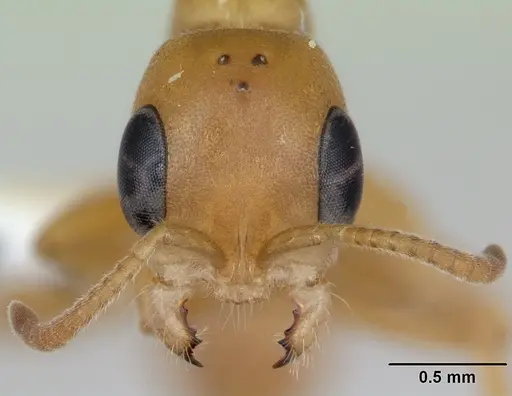
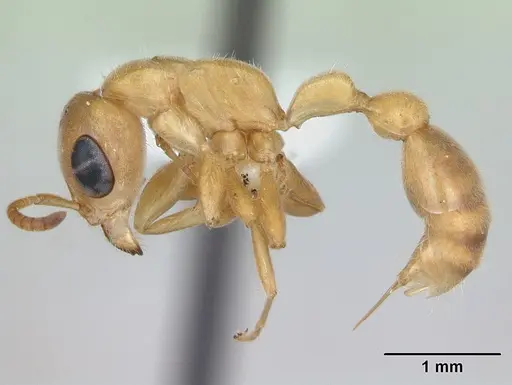
Pseudomyrmex pallens is a slender, arboreal ant native to the Neotropical region, found across Colombia, Costa Rica, Mexico, Peru, and Venezuela. Workers measure 5-6mm with a distinctive light orange-brown body and dark transverse markings on the abdomen [1]. As a member of the Pseudomyrmecinae subfamily, these ants are characterized by their large eyes and elongated body shape, adapted for their tree-dwelling lifestyle. They are generalist twig-nesters, colonizing dead twigs and branches in forest canopies rather than ground nests [2][3]. This species is part of the P. pallens group and functions as a solitary hunter, actively foraging for prey in arboreal vegetation rather than using cooperative colony foraging [4].
Quick Summary
- Difficulty: Medium
- Origin & Habitat: Neotropical region, found in Colombia, Costa Rica, Mexico, Peru, and Venezuela. Inhabits arboreal vegetation in tropical dry forests and cloud forests at elevations up to 1,496m [5][6]. Nests in tree cavities and dead twigs in forest canopies [7][2].
- Colony Type: Colony structure is unconfirmed. As a Pseudomyrmecinae species, they likely establish single-queen colonies in twig cavities, though this requires confirmation.
- Size & Growth:
- Queen: 6.2mm [1], estimated from female measurement
- Worker: 5-6mm [1]
- Colony: Unknown, likely moderate-sized colonies based on typical twig-nesting Pseudomyrmex patterns
- Growth: Moderate, estimated based on genus patterns
- Development: 6-10 weeks, estimated based on related Pseudomyrmex species development (Development time is inferred from genus-level data, as species-specific measurements are unavailable)
- Antkeeping:
- Temperature: Keep at 24-28°C. These are tropical ants requiring warm, stable temperatures. A heating cable on one side of the nest creates a suitable gradient
- Humidity: Moderate to high humidity (60-80%). They prefer damp conditions but require good ventilation to prevent mold. Mist occasionally and provide a water source.
- Diapause: No, as a tropical species, they do not require hibernation. Maintain consistent temperatures year-round
- Nesting: Arboreal specialists, they need vertical space and twig-like nesting chambers. Y-tong nests with narrow passages or acrylic nests with small chambers work well. Provide branches or fake plants for climbing enrichment.
- Behavior: Active and alert foragers with good vision. Workers are solitary hunters, patrolling vegetation for small prey rather than cooperating in large raiding parties. They are not aggressive toward keepers but may deliver a mild sting if handled roughly. Their large eyes indicate strong visual orientation, they may respond to movement. Escape prevention is important given their small size, use fine mesh barriers and tight-fitting lids.
- Common Issues: tropical humidity needs can lead to mold problems if ventilation is poor, arboreal nature means they need vertical space, horizontal-only setups cause stress, solitary foraging means colonies may appear less active than cooperative species, wild-caught colonies may arrive with parasites or in poor condition, small size requires escape prevention, they can slip through standard gaps
Housing and Nest Setup
Pseudomyrmex pallens requires arboreal-style housing that mimics their natural twig-nesting habitat. Unlike ground-nesting ants, they need vertical space and climbing structures. Y-tong (AAC) nests with narrow chambers or small acrylic nests work well, the chambers should be sized appropriately for their 5-6mm workers. Add fake plants, branches, or cork bark for climbing enrichment. These ants are excellent climbers and will explore vertical space actively. Use a test tube setup for the founding queen, then transition to a small formicarium once the colony reaches 15-20 workers. Escape prevention is critical, their small size means they can squeeze through tiny gaps. Apply Fluon or use fine mesh on all openings. [7][2]
Feeding and Diet
As solitary hunters, Pseudomyrmex pallens workers actively forage for protein rather than relying on honeydew. Feed small live prey such as fruit flies, pinhead crickets, mealworms, and other tiny arthropods. They are predatory and will hunt actively rather than scavenge. Sugar sources are accepted, offer honey water or sugar water occasionally, though protein should form the primary diet. Feed every 2-3 days, adjusting based on colony size and consumption. Remove uneaten prey after 24 hours to prevent mold. A constant water source should be available. [4]
Temperature and Humidity
These tropical ants require warm conditions, maintain temperatures between 24-28°C. A heating cable placed on one side of the nest creates a temperature gradient allowing the colony to self-regulate. Avoid temperatures below 22°C for extended periods. Humidity should be moderate to high (60-80%). The nest substrate should remain slightly damp but never waterlogged. Good ventilation is essential to prevent mold growth while maintaining humidity. Mist the outworld occasionally and provide a water tube for drinking. Monitor condensation levels in the nest as an indicator of humidity.
Colony Development
Colony growth is moderate. The queen seals herself in a twig cavity to found the colony claustrally, living off stored fat reserves until the first workers emerge. First workers (nanitics) are typically smaller than mature workers. Based on genus patterns, expect 6-10 weeks from egg to first worker at optimal temperatures. Growth rate depends on feeding consistency and temperature stability. Colonies likely remain moderate in size (under 500 workers) as they are twig-nesters with limited colony expansion compared to ground-nesting species. Patience is key, these ants are not fast growers. [1]
Behavior and Temperament
Pseudomyrmex pallens workers are active, alert foragers with excellent vision. Unlike many ant species that use chemical trails, they appear to navigate visually and hunt individually. Workers patrol arboreal vegetation searching for small prey. They are not particularly aggressive but may sting defensively if threatened. The sting is mild and not dangerous to humans. These ants are more active during daylight hours, reflecting their arboreal, visually-oriented lifestyle. They are not colony-intensive like some Myrmicinae, expect lower overall activity levels but more purposeful individual foraging. [4][3]
Seasonal Care
As a tropical species, Pseudomyrmex pallens does not require hibernation or diapause. Maintain consistent temperatures year-round. Avoid exposing the colony to temperatures below 20°C. In temperate climates, ensure heating is consistent during winter months when room temperatures drop. There is no seasonal slowdown, colonies will continue developing and foraging as long as temperatures remain warm. Monitor humidity more carefully in winter when heating can dry out the nest faster.
Frequently Asked Questions
How long does it take for Pseudomyrmex pallens to produce first workers?
Expect 6-10 weeks from egg to first worker at optimal temperatures (24-28°C). This is an estimate based on related Pseudomyrmex species, as species-specific development data is not available.
Can I keep Pseudomyrmex pallens in a test tube setup?
Yes, test tubes work well for founding colonies. Use a small test tube with a water reservoir and cotton plug. Once the colony reaches 15-20 workers, transition to a small formicarium with appropriate-sized chambers.
What do Pseudomyrmex pallens ants eat?
They are predatory ants that hunt small live prey. Feed fruit flies, pinhead crickets, mealworms, and other tiny arthropods. They will also accept sugar water or honey occasionally. Protein should be the primary food source.
Do Pseudomyrmex pallens ants sting?
Yes, they can sting, but the sting is mild. These ants are not aggressive and typically only sting when directly threatened or handled roughly. The sting is not dangerous to healthy humans.
Are Pseudomyrmex pallens good for beginners?
They are rated as medium difficulty. While not the easiest species, they are manageable for keepers with some experience. The main challenges are providing proper arboreal-style housing and maintaining consistent tropical conditions.
What temperature do Pseudomyrmex pallens need?
Keep them warm at 24-28°C. Use a heating cable on one side of the nest to create a gradient. Avoid temperatures below 22°C for extended periods.
How big do Pseudomyrmex pallens colonies get?
Colony size is not well documented, but based on their twig-nesting lifestyle, colonies likely remain moderate, probably under 500 workers. They are not large colony species.
Do Pseudomyrmex pallens need hibernation?
No, they are tropical ants and do not require hibernation. Maintain consistent warm temperatures year-round. They are active throughout the year in their natural range.
Why is my Pseudomyrmex pallens colony not growing?
Check temperature (should be 24-28°C), humidity (60-80% with good ventilation), and food quality. Ensure they are getting enough protein prey. Slow growth can also be natural for this species, they are not fast growers.
References

This caresheet is licensed under CC BY-SA 4.0 .
CASENT0178624
View on AntWeb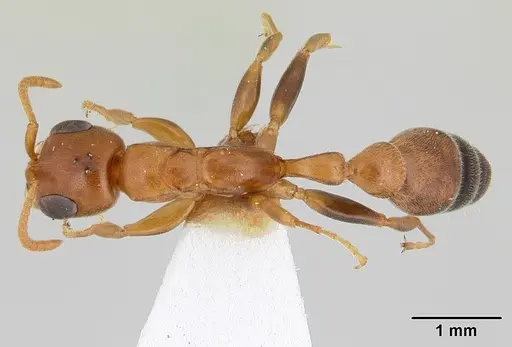
CASENT0865539
View on AntWeb
CASENT0902877
View on AntWeb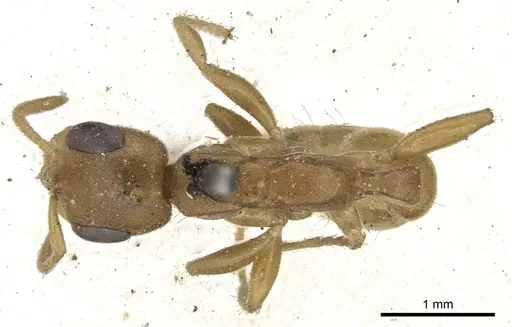
CASENT0907486
View on AntWeb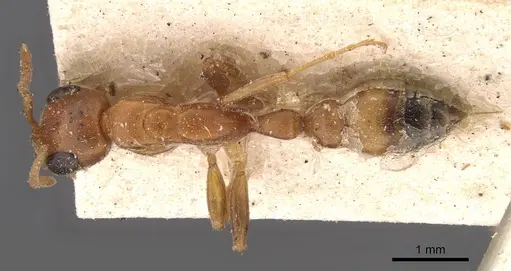
CASENT0915844
View on AntWeb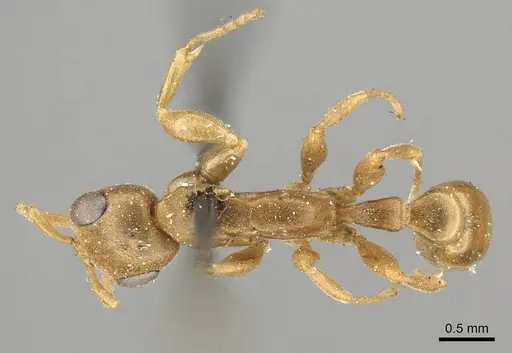
CASENT0915845
View on AntWeb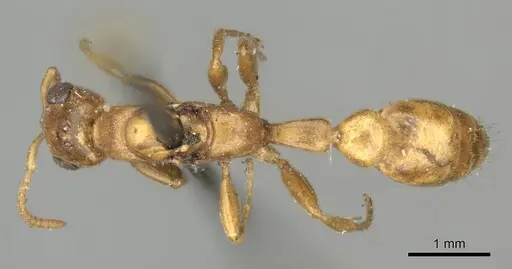
CASENT4032418
View on AntWeb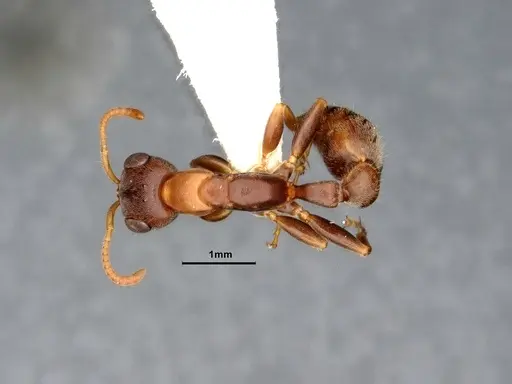
CASENT4032419
View on AntWeb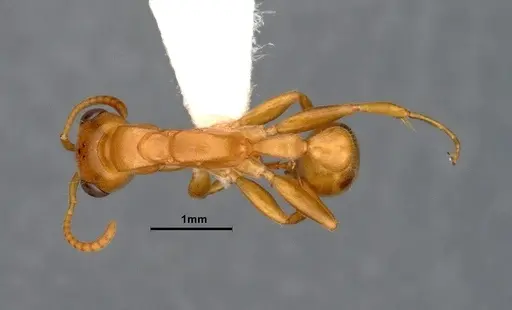
CASENT4032420
View on AntWeb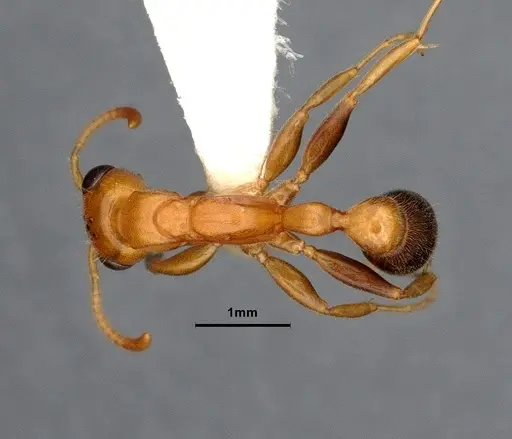
LACMENT142469
View on AntWeb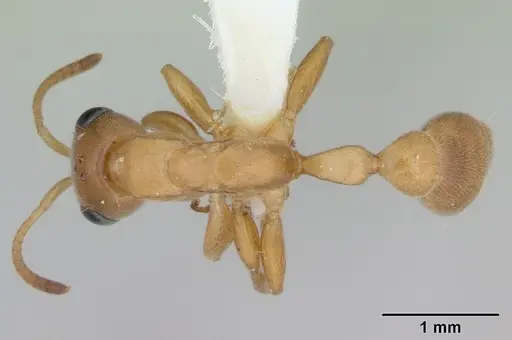
Literature
Loading...Loading products...