

Pseudomyrmex nigropilosus
- Scientific Name
- Pseudomyrmex nigropilosus
- Tribe
- Pseudomyrmecini
- Subfamily
- Pseudomyrmecinae
- Author
- Emery, 1890
- Distribution
- Found in 4 countries
Pseudomyrmex nigropilosus Overview
Pseudomyrmex nigropilosus is an ant species of the genus Pseudomyrmex. It is primarily documented in 4 countries , including Costa Rica, Guatemala, Mexico. Detailed taxonomic data and occurrence records can be further explored via authoritative databases such as AntWeb or the Global Biodiversity Information Facility (GBIF).
Pseudomyrmex nigropilosus
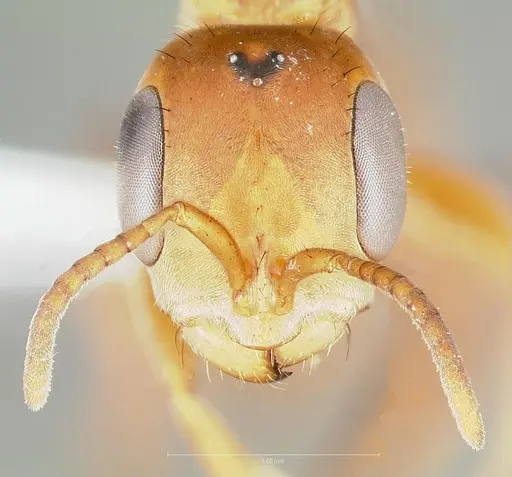
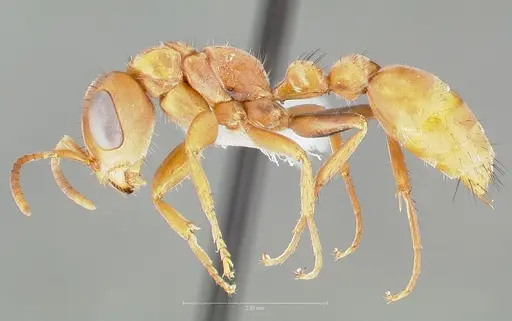
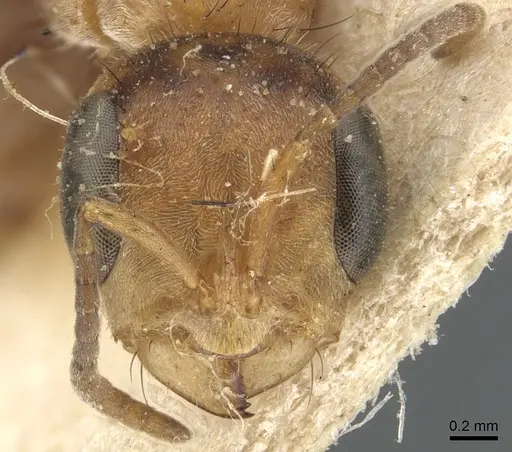
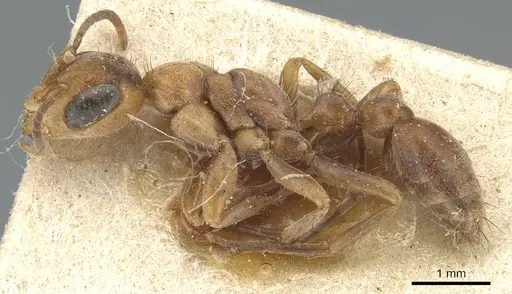
Pseudomyrmex nigropilosus is a small, slender ant species native to Central America, ranging from western Mexico to Costa Rica. Workers measure around 4-6mm with distinctive long black hairs (pilosity) covering much of their body, and they have unusually elongate eyes and a relatively short, high petiole. Their coloration varies from uniform orange-brown to bicolored orange and black [1].
This species is one of the most fascinating examples of a 'cheater' in nature. While most acacia-ants form mutualistic relationships with swollen-thorn acacias, protecting the plant in exchange for housing and food, P. nigropilosus takes without giving. It occupies the hollow thorns and consumes the plant's beltian bodies and nectar, but provides no defense against herbivores or competing vegetation. Workers even travel to neighboring defended acacia trees to steal food, then carry it back to their own nest [2][3]. This parasitic lifestyle makes them a truly unique ant to keep.
Quick Summary
- Difficulty: Expert
- Origin & Habitat: Neotropical region, western Mexico to Costa Rica. Strictly associated with swollen-thorn acacias (Vachellia/Acacia species including A. collinsii, A. cornigera, and A. hindsii) [4][5].
- Colony Type: Single-queen (monogyne) colonies. This is an obligate acacia parasite, colonies must nest in hollow acacia thorns. They do not form multi-queen colonies like some related species [4][3].
- Colony: Monogyne
- Queen: Parasitic
- Size & Growth:
- Queen: Approximately 6-7mm (estimated based on genus Pseudomyrmex patterns)
- Worker: 4-6mm [1]
- Colony: Likely several hundred workers at most, smaller colonies typical for parasitic species that don't defend territories
- Growth: Moderate, development timeline unconfirmed but expected 6-10 weeks based on genus patterns
- Development: 6-10 weeks (estimated based on related Pseudomyrmex species) (No direct development data available for this species. Estimates based on typical Pseudomyrmex development at tropical temperatures (24-28°C))
- Antkeeping:
- Temperature: Keep at 24-28°C, these are tropical ants from Central America. A slight temperature gradient allows workers to regulate their conditions [1].
- Humidity: Moderate to high humidity (60-80%). These ants live in tropical forests and occupy plant domatia, so they expect consistent moisture. Mist the outworld occasionally but ensure good ventilation to prevent mold.
- Diapause: No, these are tropical ants that do not undergo hibernation. Maintain warm temperatures year-round [1].
- Nesting: This is the critical challenge. In the wild, they exclusively nest in hollow thorns of acacia trees. Captive housing requires creative solutions, you may need to provide artificial domatia or very small acrylic nests with narrow chambers. Standard test tubes may be rejected. The nest must simulate the plant cavity environment.
- Behavior: Workers are active foragers that travel significant distances from their host tree to steal food from neighboring acacias [2]. They are not aggressive defenders like mutualistic acacia-ants, but they are energetic and persistent. They have excellent vision due to their large eyes and navigate using visual cues. Workers will readily explore the outworld in search of sugar sources and small prey. Escape prevention is important, they are small and agile.
- Common Issues: acacia dependency, they may refuse to nest in standard formicaria, requiring custom housing that mimics plant thorns, difficulty establishing colonies, wild-caught colonies may already be stressed or from dying acacias, no defense behavior means colonies are vulnerable to disturbance, tropical temperature requirements mean any cooling can stress or kill the colony, specialized diet may make them difficult to feed, they expect plant-derived sugars from beltian bodies and nectar
The Parasitic Lifestyle
Pseudomyrmex nigropilosus represents one of the clearest examples of parasitism in ant-plant symbioses. While most acacia-ants (like those in the P. ferrugineus group) form mutualistic partnerships, protecting their host acacia from herbivores and competing plants in exchange for shelter and food, P. nigropilosus exploits this system without contributing anything [4][5].
The species occupies abandoned or otherwise uninhabited acacia thorns and consumes the food bodies (beltian bodies) and extrafloral nectar produced by the plant. However, it shows no defending behavior when herbivores approach or when competing plants try to grow near the acacia [5]. This makes it essentially a 'freeloader' in the mutualism.
What makes this even more interesting is that workers don't just feed on their own host tree. Research shows they forage off the host plant to extract food from neighboring ant-defended acacia trees, then travel back to their nesting tree to store the stolen food [2]. This 'kleptoparasitic' behavior is unique among acacia-ants and demonstrates their opportunistic nature.
For antkeepers, this parasitic lifestyle means you cannot expect defensive behavior from these ants. They won't guard territory or attack intruders, instead, they'll focus on gathering resources.
Housing and Nesting Challenges
This is the most difficult aspect of keeping Pseudomyrmex nigropilosus. In the wild, they are obligate acacia specialists, they only nest inside the hollow thorns of swollen-thorn acacias (Vachellia/Acacia species) [4][3]. This means they have very specific expectations for their nest environment that are difficult to replicate in captivity.
Standard test tubes and typical formicaria may be rejected entirely. These ants are adapted to living inside plant cavities with specific humidity gradients and airflow patterns. You may need to create custom housing that mimics a hollow plant stem or thorn, small acrylic nests with very narrow chambers, or naturalistic setups with appropriate plant material.
The key is providing a dark, enclosed space that feels like a plant domatium. The chambers should be relatively small and tight-fitting. Some keepers have had success with small acrylic nests designed for tiny ants, but expect experimentation to be necessary.
Because they are arboreal ants (tree-dwelling), they prefer vertical or angled nest orientations. They also need regular access to the outworld for foraging, so ensure the connection between nest and foraging area is secure.
Feeding and Nutrition
In the wild, P. nigropilosus feeds on beltian bodies (specialized food bodies produced by acacia leaves) and extrafloral nectar. They also capture small insects that land on the host plant [5]. Their digestive system shows interesting adaptations, workers have high invertase activity (107 ± 20 ng glucose released per μg per minute), which helps them process sucrose-rich nectar. This activity increases about 3-fold when they feed on sucrose [6].
For captive feeding, you should offer:
- Sugar water or honey water (they have the enzymes to process sucrose)
- Small live prey like fruit flies, pinhead crickets, or other tiny insects
- Possibly beltian body substitutes or fresh plant material that produces nectar
Their larvae have extremely high invertase activity (407 ± 74 ng glucose per μg per minute), indicating they need substantial sugar in their diet [6]. Unlike predatory ants that focus mainly on protein, these ants are more nectar-focused.
Feed sugar sources constantly (via soaked cotton or small dishes) and offer protein prey 2-3 times per week. Remove uneaten prey after 24 hours to prevent mold.
Temperature and Climate
As tropical ants from Central America, Pseudomyrmex nigropilosus requires warm, stable temperatures. Keep the nest area at 24-28°C (75-82°F) with minimal fluctuation [1]. A heating cable on one side of the nest can create a gentle gradient, but ensure the temperature never exceeds about 30°C.
These ants do not undergo diapause or hibernation. Maintaining room temperature in the low-to-mid 20s Celsius is ideal. If your room is cooler, use a small heating mat or heating cable. Place it on the side or top of the nest, not underneath, to avoid drying out the nest too quickly.
Humidity should be moderate to high (60-80%), reflecting their tropical forest habitat. The nest substrate should remain slightly moist but never waterlogged. Mist the outworld occasionally and provide a water tube for drinking.
Behavior and Foraging
Workers of P. nigropilosus are active foragers with a unique strategy. Unlike typical ants that forage in random patterns, these ants are central-place foragers, they leave the nest, search for food, and return to a fixed location [2].
Their most fascinating behavior is food theft from neighboring acacia trees. Workers will travel to other acacias that are defended by mutualistic ant species, collect nectar and food bodies, and carry them back to their own colony [2]. This requires good navigation abilities, which they achieve using their large eyes and visual cues.
In the terrarium, workers will be active and exploratory. They have good vision and may be more aware of movement than some blind cave-dwelling ants. They are not particularly aggressive and will flee rather than fight when threatened.
Because they are small (4-6mm), escape prevention is important. Use fine mesh on any ventilation holes and ensure all connections between nest and outworld are secure. They can squeeze through surprisingly small gaps.
Frequently Asked Questions
Is Pseudomyrmex nigropilosus good for beginners?
No. This is an expert-level species due to its specialized housing requirements. They are obligate acacia nesters and may refuse to live in standard formicaria. Only experienced antkeepers should attempt this species.
What do Pseudomyrmex nigropilosus ants eat?
They feed on sugar sources (nectar, honey water, sugar water) and small insects. Their digestive system is adapted to process sucrose, and larvae have very high invertase activity. Offer constant sugar water and protein prey 2-3 times weekly.
How do I house Pseudomyrmex nigropilosus?
This is challenging. They are obligate acacia-nesting ants and require housing that mimics hollow plant thorns. Standard test tubes may be rejected. Try small acrylic nests with narrow chambers, or naturalistic setups with appropriate plant material. The nest should be dark, enclosed, and relatively tight-fitting.
Do Pseudomyrmex nigropilosus ants need hibernation?
No. These are tropical ants from Central America and do not undergo diapause. Keep them warm year-round at 24-28°C.
How long does it take for first workers to appear?
Development time is unconfirmed for this specific species. Based on related Pseudomyrmex species, expect 6-10 weeks from egg to worker at tropical temperatures (24-28°C).
Do Pseudomyrmex nigropilosus ants sting?
They have a stinger but are not aggressive and rarely sting. As parasitic non-defenders, they prefer to flee rather than fight. The sting is not medically significant to humans.
Can I keep multiple queens together?
No. This is a monogyne (single-queen) species. Multiple unrelated queens will fight. Only keep one queen per colony.
Why is this species called a parasite?
They live in acacia thorns and eat the plant's food bodies and nectar, but provide no protection in return. Unlike mutualistic acacia-ants, they don't defend against herbivores or remove competing plants. They essentially steal housing and food without giving anything back.
How big do colonies get?
Colony size is relatively modest, likely several hundred workers at most. They don't need large worker armies since they don't defend territories like mutualistic acacia-ants.
Where is Pseudomyrmex nigropilosus found?
Western Mexico to Costa Rica, specifically in the Neotropical region. They are associated with swollen-thorn acacias throughout this range.
References

This caresheet is licensed under CC BY-SA 4.0 .
CASENT0005846
View on AntWeb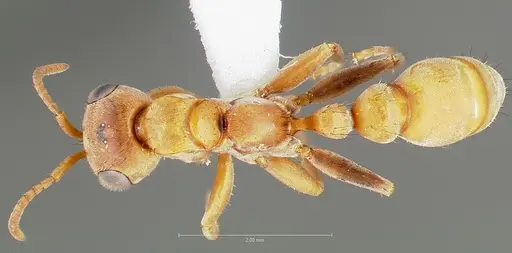
CASENT0904046
View on AntWeb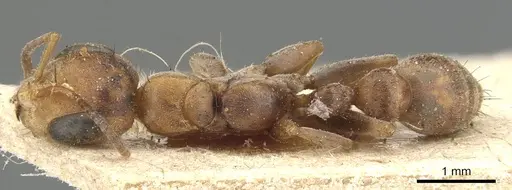
Literature
Loading...Loading products...