

Pseudomyrmex niger
- Scientific Name
- Pseudomyrmex niger
- Tribe
- Pseudomyrmecini
- Subfamily
- Pseudomyrmecinae
- Author
- Donisthorpe, 1940
- Distribution
- Found in 2 countries
Pseudomyrmex niger Overview
Pseudomyrmex niger is an ant species of the genus Pseudomyrmex. It is primarily documented in 2 countries , including Brazil, Peru. Detailed taxonomic data and occurrence records can be further explored via authoritative databases such as AntWeb or the Global Biodiversity Information Facility (GBIF).
Pseudomyrmex niger
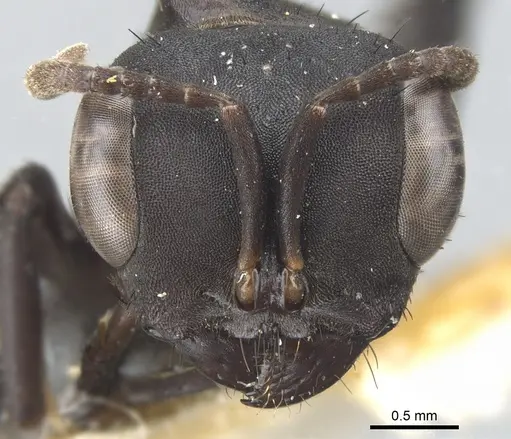
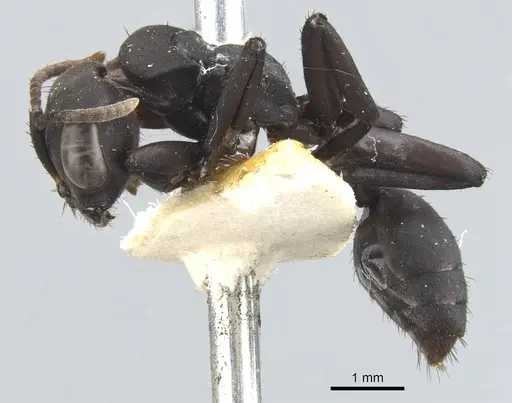
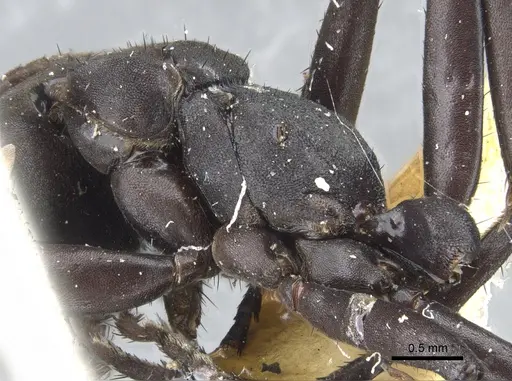
Pseudomyrmex niger is a small to medium-sized ant species belonging to the Pseudomyrmecinae subfamily. Workers are slender and elongated, typical of the Pseudomyrmex genus, with a dark brown to black coloration. The species measures approximately 6-8mm in total length, with a head width of 2.22-2.30mm [1]. This ant is native to the Neotropical region, with documented distribution in Guyana, Bolivia, and the Amazonas region of Colombia [2][1]. In the wild, these ants inhabit humid tropical forest environments where they typically nest in hollow twigs, dead stems, or rotting wood in forest canopies or edges.
Quick Summary
- Difficulty: Medium
- Origin & Habitat: Neotropical region, Guyana, Bolivia, and Amazonas (Colombia). Found in humid tropical forest habitats, typically nesting in hollow twigs and dead wood [2][1].
- Colony Type: Colony structure is unconfirmed for this specific species. Based on typical Pseudomyrmex patterns, colonies likely contain a single queen (monogyne) with workers numbering in the hundreds.
- Size & Growth:
- Queen: Estimated 8-10mm based on genus patterns
- Worker: 6-8mm total length, head width 2.22-2.30mm [1]
- Colony: Estimated several hundred workers based on related Pseudomyrmex species
- Growth: Moderate, based on typical Pseudomyrmex development
- Development: Estimated 6-8 weeks at tropical temperatures (25-28°C) based on genus patterns (Development time is inferred from related Pseudomyrmex species, direct measurements for P. niger are unavailable)
- Antkeeping:
- Temperature: Keep at 24-28°C. This is a tropical species from the Amazonas region, so warmth is essential for colony health and brood development. A heating cable on one side of the nest can create a gentle gradient.
- Humidity: High humidity is essential, aim for 70-80% relative humidity. These ants come from humid tropical forests, so keep the nest substrate consistently moist but not waterlogged. Provide a water source.
- Diapause: No, this is a tropical species that does not require hibernation. Maintain warm temperatures year-round.
- Nesting: Use a naturalistic setup with twigs or dead stems, or a Y-tong/plaster nest with narrow chambers. Pseudomyrmex ants naturally nest in hollow twigs in the wild, so providing similar conditions helps them feel secure. Avoid overly large spaces, they prefer snug chambers.
- Behavior: Pseudomyrmex niger is an active and alert species with fast movement. Workers are aggressive foragers and will defend their nest vigorously. They have a potent sting, Pseudomyrmex species are known for their painful stings, so handle with caution. Escape prevention is important as they are quick and can squeeze through small gaps. They are primarily predatory and will hunt small insects and arthropods.
- Common Issues: tropical species requires consistent warmth, cold temperatures can kill colonies, high humidity needs can lead to mold if ventilation is poor, potent sting makes handling risky, use caution when servicing nests, escape artists due to small size and speed, ensure tight-fitting lids and fine mesh barriers, slow colony growth can frustrate beginners, patience is needed
Nest Preferences
In the wild, Pseudomyrmex niger nests in hollow twigs, dead stems, and rotting wood, particularly in humid forest environments. For captive care, provide a naturalistic setup with small diameter twigs or stems, or use a Y-tong (acrylic) nest with narrow chambers scaled to their size. These ants prefer snug, tight-fitting chambers rather than open spaces. A test tube setup can work for founding colonies, but transfer to a more naturalistic formicarium once the colony reaches 20-30 workers. Ensure the nest material retains moisture well, plaster nests or setups with soil substrates work well for maintaining humidity. [2][1]
Feeding and Diet
Pseudomyrmex ants are primarily predatory and will actively hunt small insects and arthropods. Feed your colony small live prey such as fruit flies, small crickets, mealworms, and other appropriately-sized insects. They typically accept protein-rich foods readily. Sugar sources may be accepted occasionally, you can offer a drop of honey water or sugar water, but protein should be the primary food source. Feed every 2-3 days, removing any uneaten prey after 24 hours to prevent mold. A constant water source should be available.
Temperature and Care
As a tropical species from the Amazonas region, Pseudomyrmex niger requires warm temperatures year-round. Maintain nest temperatures between 24-28°C for optimal colony health and brood development. Temperatures below 22°C can slow colony growth and may stress the colony. Use a heating cable or heating mat on one side of the nest to create a temperature gradient, allowing workers to regulate their own exposure to warmth. Since they come from a humid tropical environment, high humidity of 70-80% is essential. Mist the nest area regularly and ensure the substrate remains moist but not waterlogged. Never expose this species to cold temperatures or drafts. [2]
Behavior and Temperament
Pseudomyrmex niger is an active and aggressive species with a potent sting. Workers are fast-moving and will readily defend their nest against threats. The sting is reportedly painful, these ants should be handled with extreme caution and minimal disturbance to the nest. They are excellent escape artists due to their small size and speed, so use fine mesh barriers and tight-fitting lids on all enclosures. Workers forage actively and will hunt small prey, making them entertaining to watch. Colony size builds moderately, with several hundred workers at maturity. Do not overhandle, these ants are best appreciated through observation rather than direct interaction.
Frequently Asked Questions
How long does it take for Pseudomyrmex niger to produce first workers?
Based on typical Pseudomyrmex development patterns, expect first workers (nanitics) approximately 6-8 weeks after the queen lays eggs, when kept at optimal tropical temperatures of 25-28°C. This timeline is estimated from related species as specific development data for P. niger is not available.
Do Pseudomyrmex niger ants sting?
Yes, Pseudomyrmex niger has a potent sting. This species and others in the genus are known for their painful stings. Handle with extreme caution and avoid disturbing the nest. If stung, wash the area with soap and water and monitor for allergic reactions.
What temperature do Pseudomyrmex niger ants need?
Keep them at 24-28°C. This is a tropical species from the Amazonas region that requires warmth year-round. A heating cable on one side of the nest can help maintain appropriate temperatures.
Can I keep Pseudomyrmex niger in a test tube?
Test tubes work for founding colonies, but these ants naturally nest in twigs and prefer more naturalistic conditions. Once the colony reaches 20-30 workers, consider moving them to a Y-tong or naturalistic formicarium with small chambers and good moisture retention.
How big do Pseudomyrmex niger colonies get?
Based on related Pseudomyrmex species, colonies likely reach several hundred workers at maturity. Colony growth is moderate, expect several months to a year to reach significant numbers.
What do Pseudomyrmex niger ants eat?
They are primarily predatory. Feed small live prey such as fruit flies, small crickets, and mealworms. They may occasionally accept sugar sources like honey water, but protein should be the main food. Offer food every 2-3 days.
Do Pseudomyrmex niger ants need hibernation?
No. This is a tropical species from the Amazonas region and does not require hibernation or winter cooling. Maintain warm temperatures year-round.
Are Pseudomyrmex niger ants good for beginners?
This species is rated as Medium difficulty. While visually interesting and active, their potent sting, escape risk, and specific humidity/temperature requirements make them better suited for antkeepers with some experience. Beginners should start with easier species.
Why are my Pseudomyrmex niger dying?
Common causes include: cold temperatures (below 22°C), low humidity (below 70%), mold from poor ventilation, escape through small gaps, or stress from overhandling. Ensure warm, humid conditions with good ventilation and excellent escape prevention.
When should I move Pseudomyrmex niger to a formicarium?
Move from a test tube setup to a formicarium once the colony reaches 20-30 workers. Use a nest with small, tight chambers and good moisture retention. A Y-tong or naturalistic setup with twigs works well.
References

This caresheet is licensed under CC BY-SA 4.0 .
CASENT0005845
View on AntWeb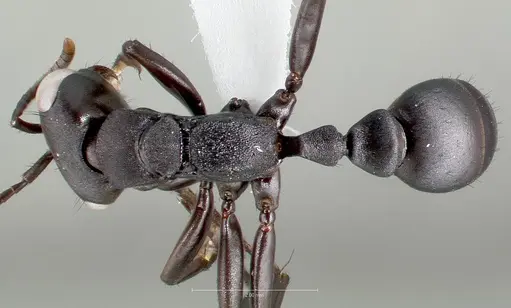
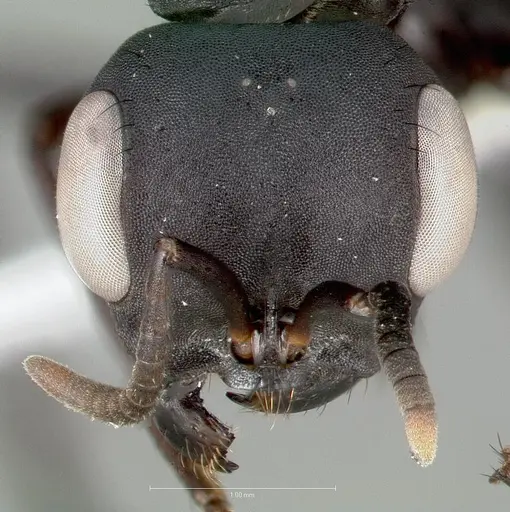
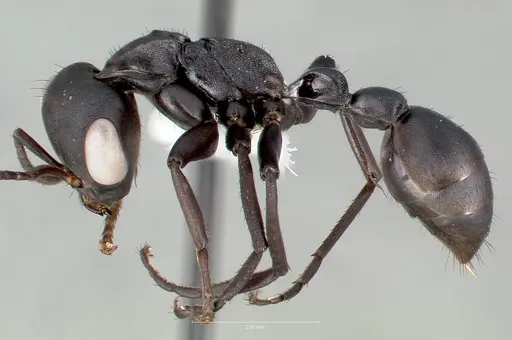
CASENT0902853
View on AntWeb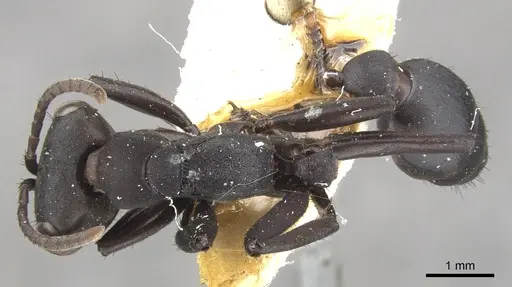
Literature
Loading...Loading products...