

Pseudomyrmex mordax
- Scientific Name
- Pseudomyrmex mordax
- Tribe
- Pseudomyrmecini
- Subfamily
- Pseudomyrmecinae
- Author
- Warming, 1894
- Distribution
- Found in 3 countries
Pseudomyrmex mordax Overview
Pseudomyrmex mordax is an ant species of the genus Pseudomyrmex. It is primarily documented in 3 countries , including Colombia, Panama, Venezuela. Detailed taxonomic data and occurrence records can be further explored via authoritative databases such as AntWeb or the Global Biodiversity Information Facility (GBIF).
Pseudomyrmex mordax
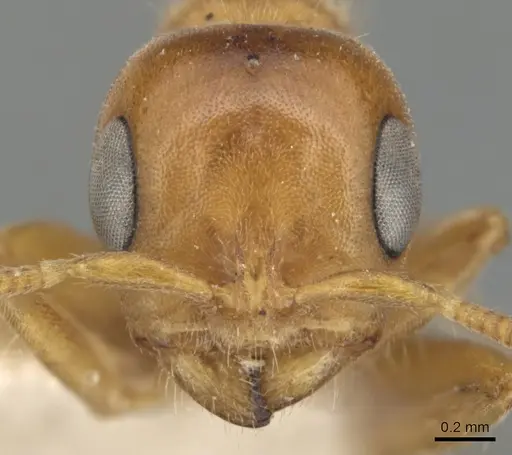
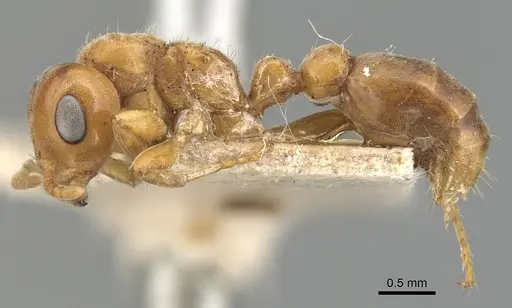
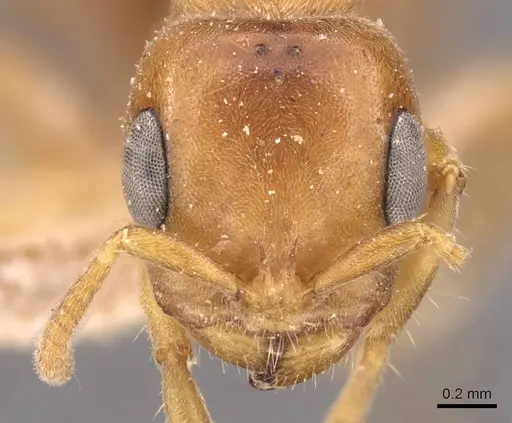
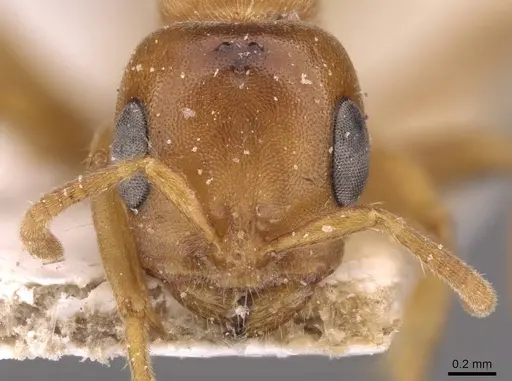
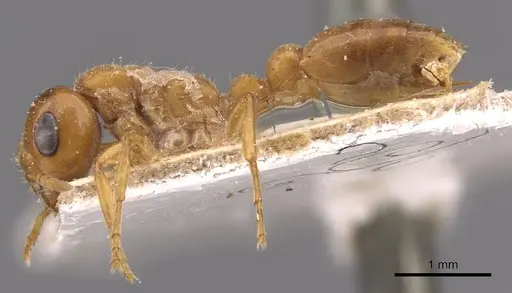
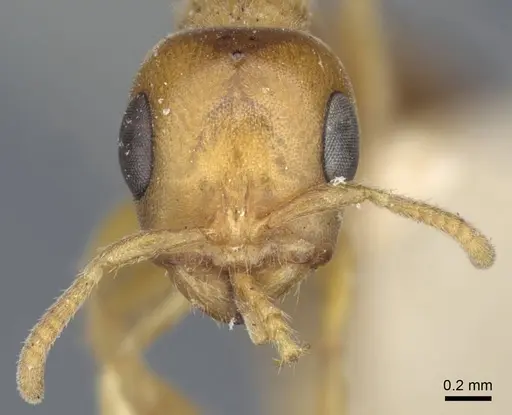
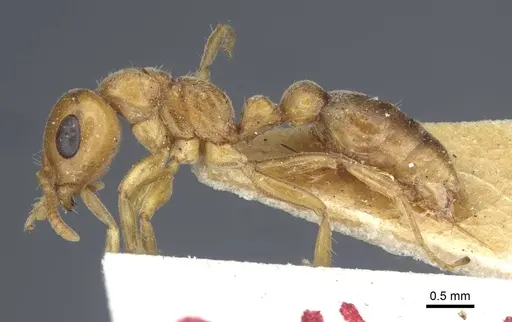
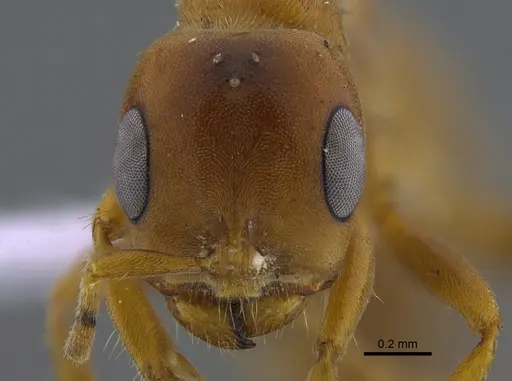
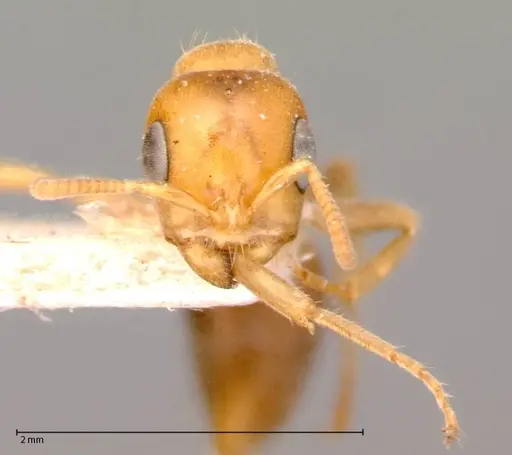
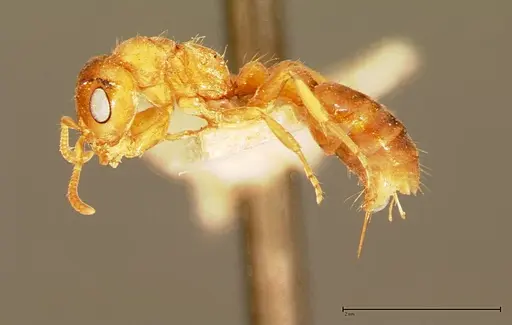
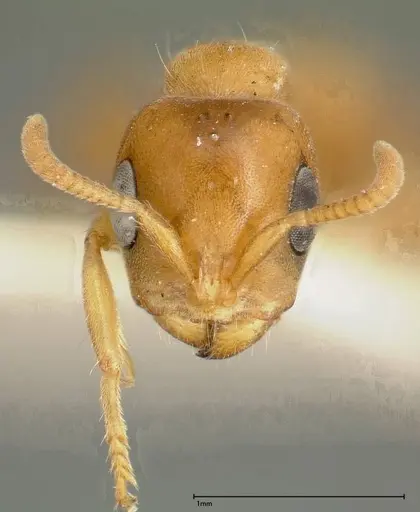
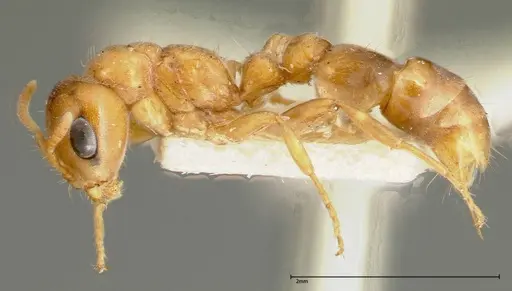
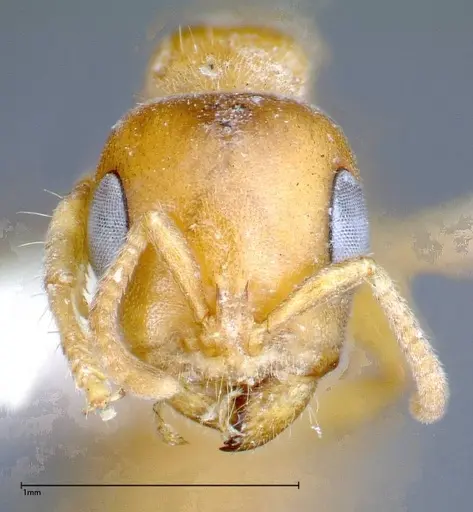
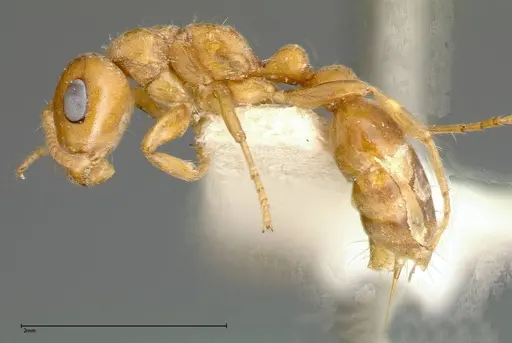
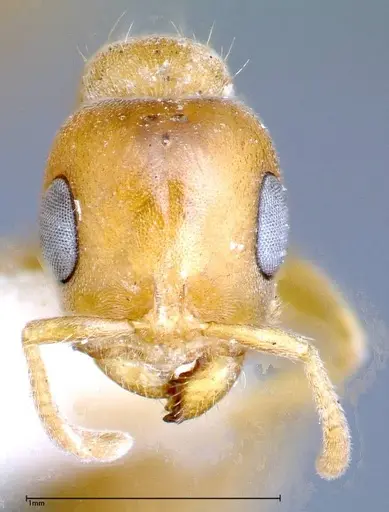
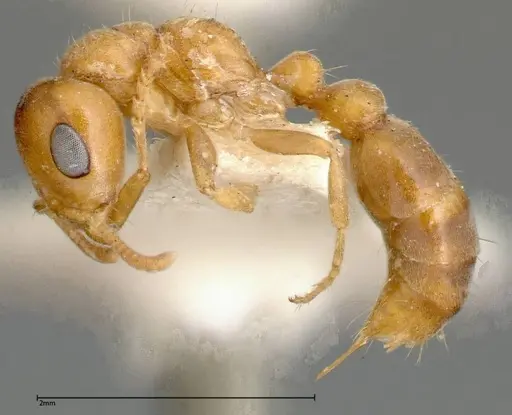
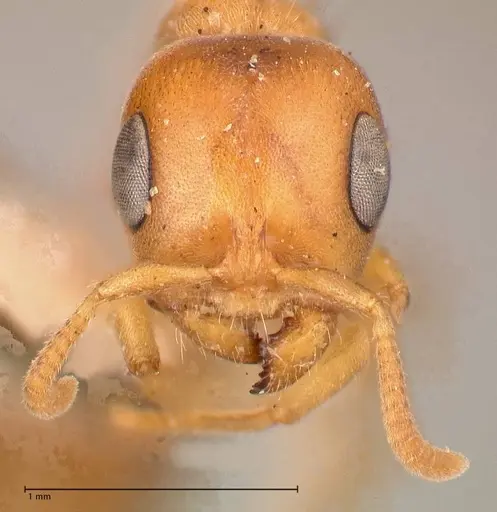
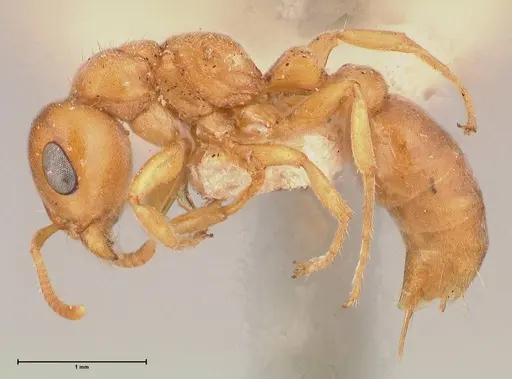
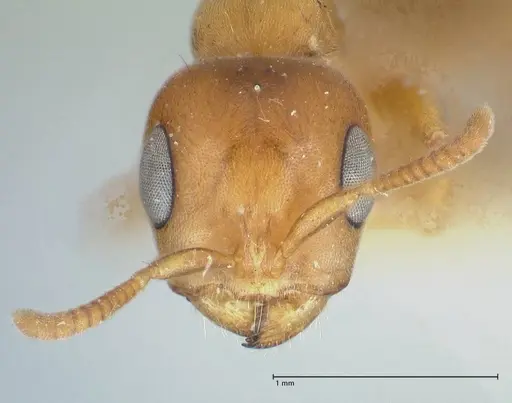
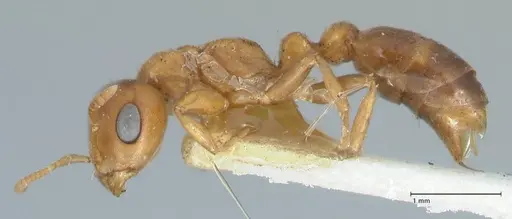
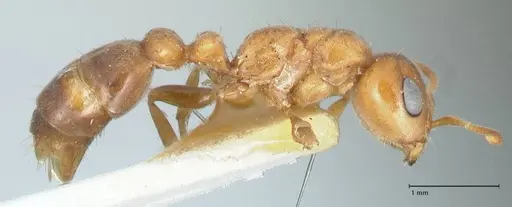
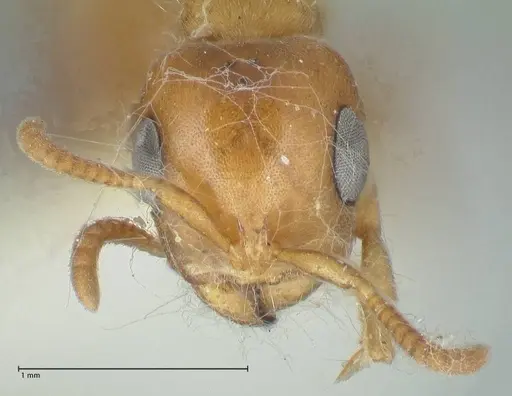
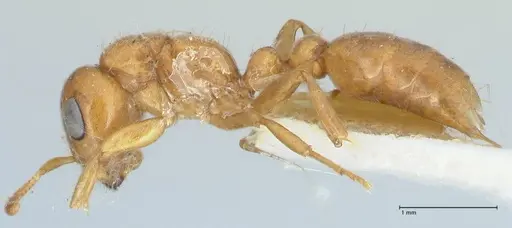
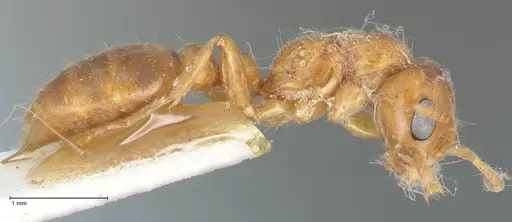
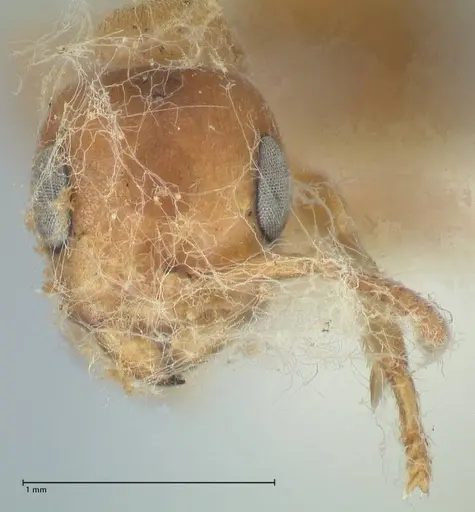
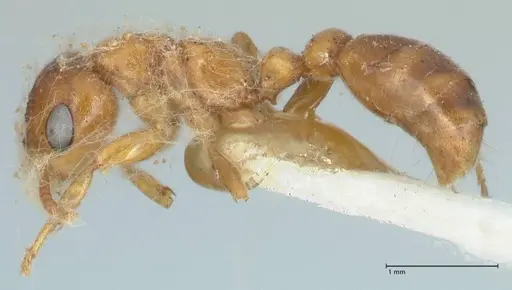
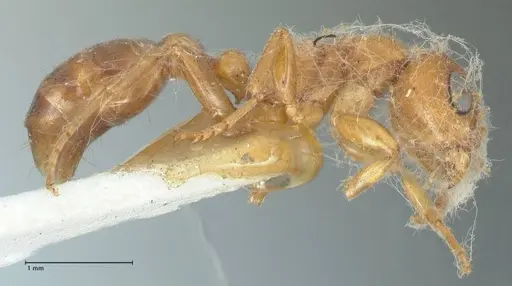
Pseudomyrmex mordax is a small, aggressive ant species native to the Neotropical region of Colombia, Panama, and Venezuela. Workers measure 1.03-1.30mm in head length and feature relatively short legs compared to other Pseudomyrmex species, with coarser and denser punctures on the head. Their body color ranges from light yellow-orange to medium brown. This species is an obligate mutualist of Triplaris trees (myrmecophyte), nesting exclusively inside the hollow stems of these plants. Unlike many other Pseudomyrmex that inhabit bull-horn acacias, P. mordax is known for being very aggressive but delivering less severe stings compared to its relatives.
Quick Summary
- Difficulty: Medium
- Origin & Habitat: Found in tropical forests of Colombia, Panama, and Venezuela at elevations from sea level to around 980m. They are obligate mutualists of Triplaris trees (T. cumingiama, T. americana) and also Tachigali plants, nesting exclusively inside hollow stems [1][2][3].
- Colony Type: Monogyne, single queen colonies. Queens found new colonies in hollow plant stems (Triplaris/Tachigali). Colony structure is tied to their host plant mutualism.
- Colony: Monogyne
- Founding: Claustral
- Size & Growth:
- Queen: HW 1.20-1.41mm, LHT 0.95-1.09mm [4]
- Worker: HL 1.03-1.30mm, HW 0.99-1.19mm, LHT 0.77-0.95mm [1]
- Colony: Unknown, likely moderate sized colonies typical of Pseudomyrmex plant-ants
- Growth: Moderate, estimated based on tropical ant development patterns
- Development: Estimated 6-8 weeks at tropical temperatures (24-28°C) (Development time inferred from typical Pseudomyrmex patterns, not directly studied for this species)
- Antkeeping:
- Temperature: Keep at 24-28°C, these are tropical ants requiring warm conditions. A heating cable on one side of the nest creates a suitable gradient [1].
- Humidity: High humidity (70-80%), they inhabit the interior of living plants which maintain humid internal cavities. Keep nest substrate consistently moist but not waterlogged.
- Diapause: No, as a tropical species, they do not require hibernation. Maintain consistent temperatures year-round.
- Nesting: These are arboreal ants that naturally nest inside hollow plant stems. In captivity, they do well in Y-tong (AAC) nests or naturalistic setups with vertical structures. Provide narrow chambers and vertical passages that mimic plant stem interiors. Avoid horizontal test tube setups, they prefer climbing spaces.
- Behavior: Very aggressive and vicious when defending their nest, this is a defensive trait common to plant-inhabiting Pseudomyrmex. They will readily attack threats and can deliver stings, though less painful than related species. Workers are active foragers with good vision (large eyes). They are escape risks due to their small size, use fine mesh barriers and tight-fitting lids. They show complex behaviors including alarm responses, territorial marking, and nestmate recognition [1].
- Common Issues: escape prevention is critical, their small size allows them to squeeze through tiny gaps, aggressive behavior means they will attack and potentially sting when the nest is disturbed, difficulty establishing colonies, wild colonies are tied to host plants and may not adapt well to artificial nests, humidity management is tricky, they need high humidity but also ventilation to prevent mold, stress from captivity, these obligate plant-ants may struggle without appropriate vertical/arboreal setups
Natural History and Host Plant Relationship
Pseudomyrmex mordax is an obligate mutualist of Triplaris trees, meaning it cannot survive without its host plant. This relationship is one of the most specific in the ant world, the ants live exclusively inside the hollow stems of Triplaris cumingiama, Triplaris americana, and Tachigali plants. The trees provide protected nesting cavities (domatia) in their stems, while the ants provide defense against herbivores and competing insects. This species shows remarkable fidelity to its host, research shows a GSI (Geographic Specificity Index) of 1,meaning they do not discriminate between host species within their range [2]. In the wild, they are found across Colombia (Antioquia, Bolívar, Cesar, Chocó, Córdoba, La Guajira, Magdalena, Santander, Sucre, Tolima, Valle del Cauca), Panama, and Venezuela [3][5]. Their relatively limited distribution compared to related species is tied to the distribution of their host plants.
Housing and Nest Setup
These arboreal ants require vertical nesting setups that mimic their natural plant-stem habitat. Y-tong (acrylic) nests work well, or you can create naturalistic setups with vertical tubes and chambers. Avoid horizontal test tube setups, these ants prefer to climb and will not do well in flat, horizontal arrangements. The nest should have narrow chambers and passages scaled to their small worker size (around 1mm). Provide a water tube for humidity and consider adding a small moss or damp cotton section to maintain humidity. Because they are escape artists, use excellent barrier methods like Fluon on nest edges and fine mesh on any outworld connections. The outworld should include vertical structures (branches, cork, or artificial plants) for them to forage and explore. [1]
Feeding and Diet
In the wild, Pseudomyrmex mordax forages for honeydew and small insects. They are generalist omnivores typical of the genus. Offer sugar water or honey as a constant energy source. For protein, provide small live insects like fruit flies, pinhead crickets, or mealworm pieces. They have large eyes and are active foragers, so place food where they can find it easily in the outworld. Feed protein 2-3 times per week and keep sugar sources available at all times. Remove uneaten prey after 24-48 hours to prevent mold. These ants are not specialized predators like some Pseudomyrmex, so a varied diet works well. [1][2]
Temperature and Seasonal Care
As a tropical species from Panama, Colombia, and Venezuela, Pseudomyrmex mordax requires warm temperatures year-round. Keep the nest area at 24-28°C. A heating cable placed on one side of the nest creates a gentle temperature gradient that allows the ants to regulate their own temperature by moving between warmer and cooler areas. They do not require hibernation or winter cooling, maintaining consistent tropical temperatures is essential for colony health and brood development. Temperature drops below 20°C can stress the colony and slow or stop brood development. Room temperature in most homes (20-24°C) may be marginal, consider using a small heat source for optimal results. [1][2]
Behavior and Handling
Pseudomyrmex mordax is described as a very vicious and aggressive ant species, readily attacking any perceived threat to the nest. However, unlike other Pseudomyrmex that inhabit bull-horn acacias, their stings are reported to be less severe [1]. This does not mean they cannot sting, they absolutely can and will when threatened. When working with this species, move slowly and avoid disturbing the nest directly. Use red lighting or observe from a distance when possible. They show complex behaviors including alarm responses, territorial marking, and nestmate recognition, these are intelligent, behaviorally sophisticated ants. Workers are active foragers with good vision, so they will readily explore and map their territory. Their small size (around 1mm workers) makes them fast-moving and capable of escaping through tiny gaps.
Colony Establishment
Establishing Pseudomyrmex mordax colonies in captivity can be challenging because they are obligate plant-ants. Wild colonies are found exclusively inside living Triplaris or Tachigali plants, and the queens found new colonies by finding suitable plant hollows. If you obtain a wild-caught colony, try to include a section of appropriate plant stem or create artificial domatia. The founding queen likely seals herself in a chamber (claustral founding), surviving on stored fat reserves until her first workers emerge. Growth rate is moderate, expect several months before the first workers (nanitics) appear, and a year or more to reach a established colony with a few dozen workers. Patience is key with this species. [1][2]
Frequently Asked Questions
Is Pseudomyrmex mordax a good beginner ant?
No, this species is not recommended for beginners. They are aggressive, require specific arboreal nesting setups, need high humidity and warm temperatures, and are escape artists. Their obligate relationship with host plants also makes colony establishment challenging.
Do Pseudomyrmex mordax ants sting?
Yes, they can sting. However, they are described as delivering less severe stings compared to other Pseudomyrmex species like those inhabiting bull-horn acacias. They are very aggressive and will attack when threatened, so handle with caution.
What do Pseudomyrmex mordax eat?
They are generalist omnivores. Offer sugar water or honey constantly for energy, and protein sources like small insects (fruit flies, pinhead crickets, mealworm pieces) 2-3 times per week. Remove uneaten prey after 24-48 hours.
Can I keep Pseudomyrmex mordax in a test tube?
Not recommended. These are arboreal ants that naturally nest in vertical plant stems. They do best in Y-tong (AAC) nests or naturalistic setups with vertical structures. Horizontal test tubes do not suit their natural behavior.
What temperature do Pseudomyrmex mordax need?
Keep them at 24-28°C. These are tropical ants requiring warm conditions year-round. A heating cable on one side of the nest creates a suitable gradient. Avoid temperatures below 20°C.
Do Pseudomyrmex mordax need hibernation?
No. As a tropical species from Panama, Colombia, and Venezuela, they do not require hibernation. Maintain consistent warm temperatures year-round.
How long does it take for Pseudomyrmex mordax to develop from egg to worker?
Estimated 6-8 weeks at optimal tropical temperatures (24-28°C). This is based on typical Pseudomyrmex development patterns, the exact timeline has not been directly studied for this species.
Why are my Pseudomyrmex mordax escaping?
Their small worker size (around 1mm) makes them excellent escape artists. Use fine mesh barriers, tight-fitting lids, and apply Fluon or similar barrier gels around nest openings. Check for any tiny gaps in your setup.
Can I keep multiple Pseudomyrmex mordax queens together?
No. This species is monogyne (single queen colonies). Multiple unrelated queens will fight. Only keep one queen per colony.
How big do Pseudomyrmex mordax colonies get?
Colony size is not well documented, but based on related Pseudomyrmex species, they likely reach several hundred workers. They are not among the largest ant colonies but maintain persistent populations in their host plants.
References

This caresheet is licensed under CC BY-SA 4.0 .
CASENT0902887
View on AntWeb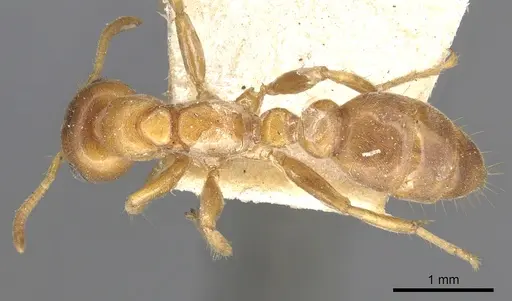
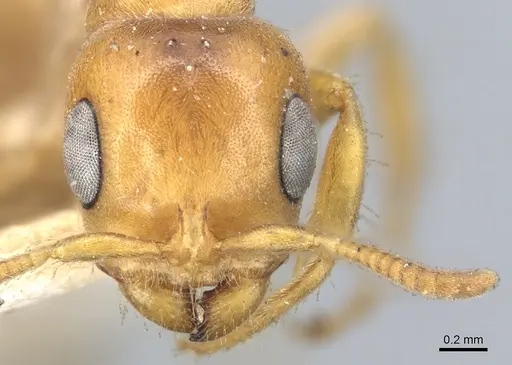
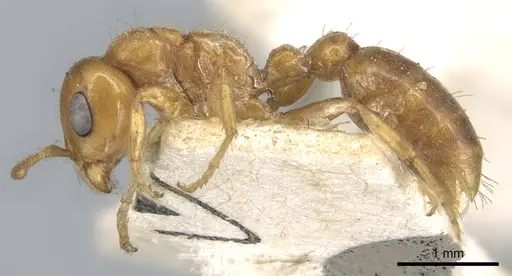
CASENT0904051
View on AntWeb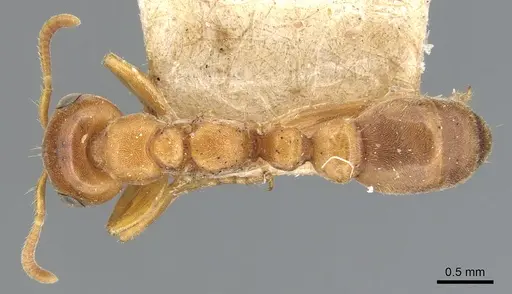
CASENT0907495
View on AntWeb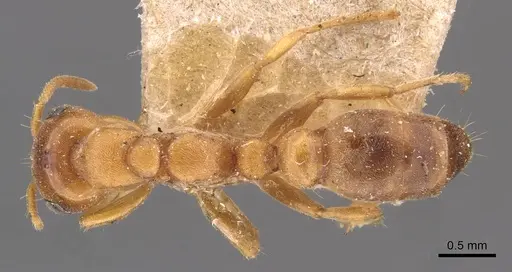
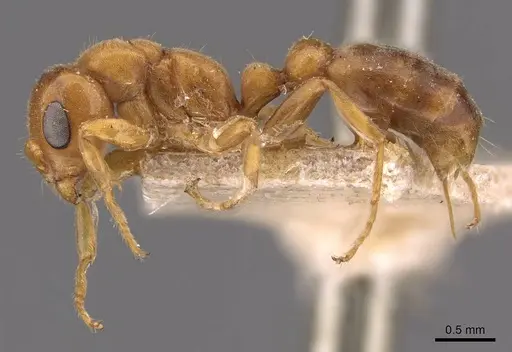
CASENT0907496
View on AntWeb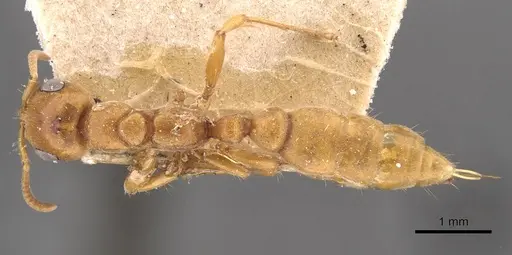
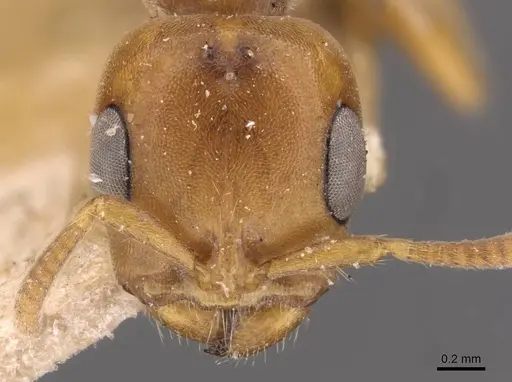
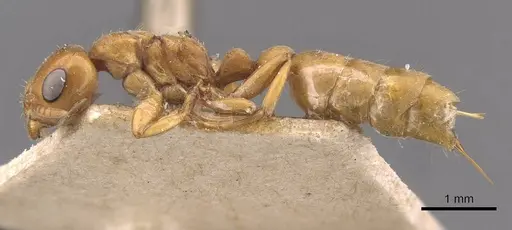
CASENT0907497
View on AntWeb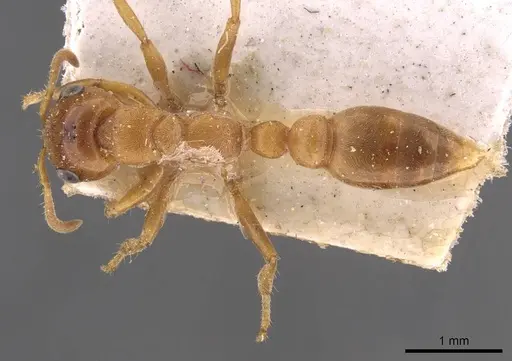
CASENT0916873
View on AntWeb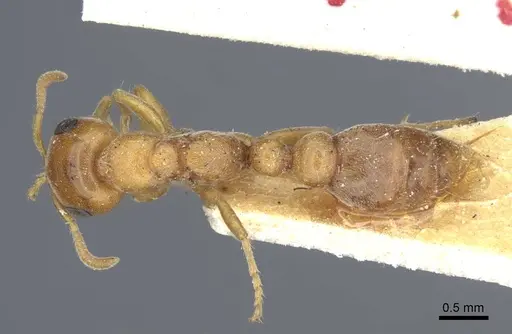
CBUMAGENT41803
View on AntWeb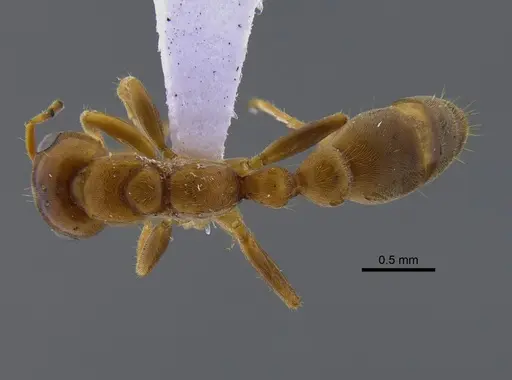
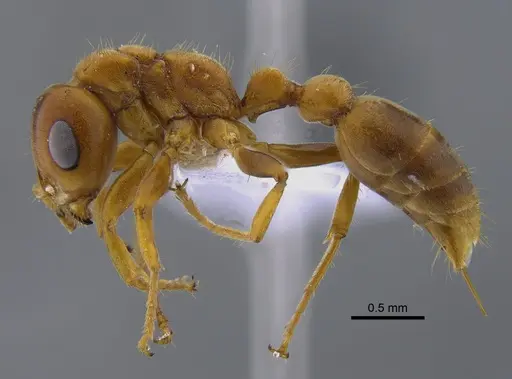
FOCOL0053-1
View on AntWeb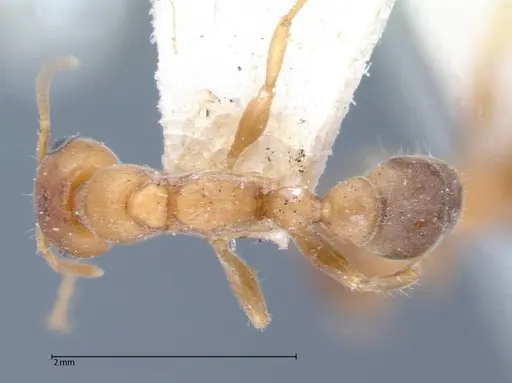
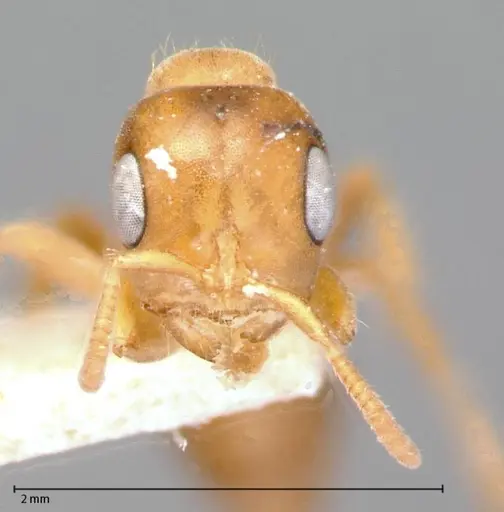
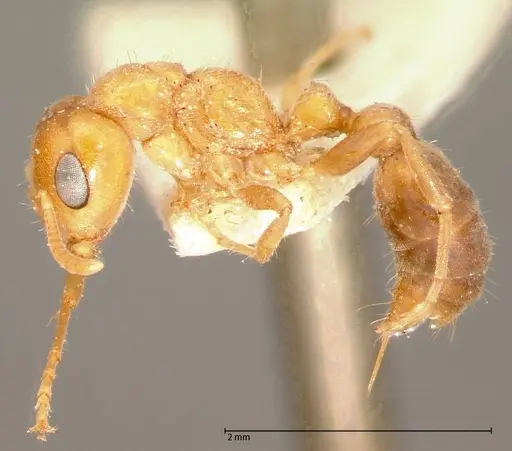
FOCOL0053-2
View on AntWeb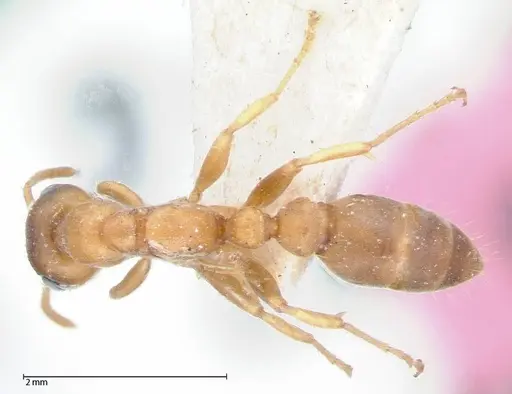
FOCOL0317
View on AntWeb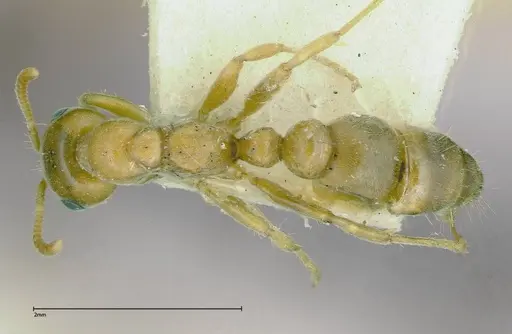
FOCOL0318-1
View on AntWeb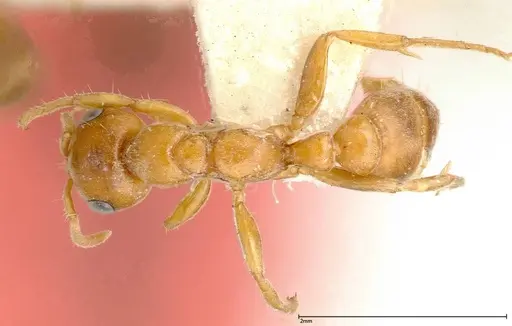
FOCOL0318-2
View on AntWeb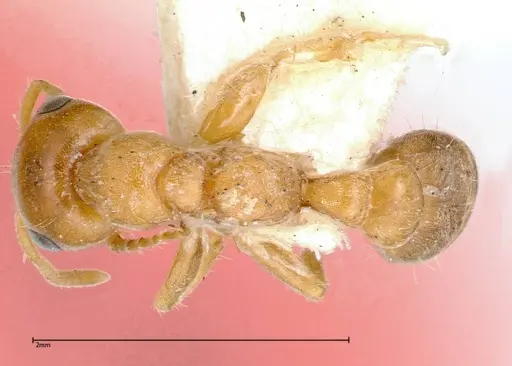
FOCOL0688
View on AntWeb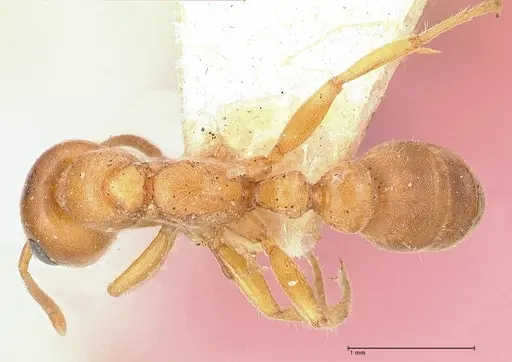
FOCOL1190
View on AntWeb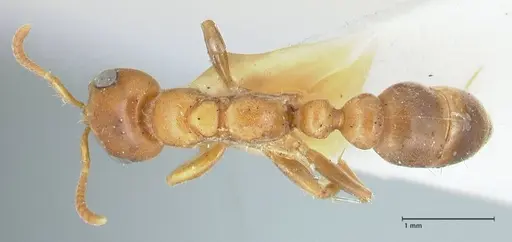
FOCOL1191
View on AntWeb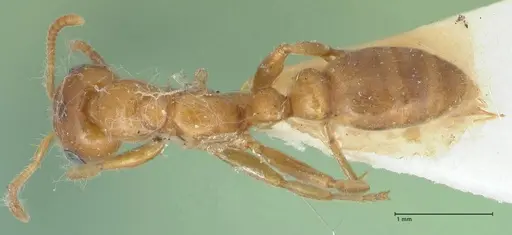
FOCOL1192
View on AntWeb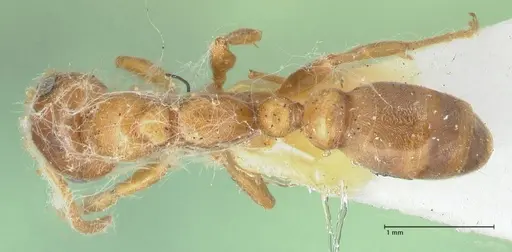
Literature
Loading...Loading products...