

Pseudomyrmex mixtecus
- Scientific Name
- Pseudomyrmex mixtecus
- Tribe
- Pseudomyrmecini
- Subfamily
- Pseudomyrmecinae
- Author
- Ward, 1993
- Distribution
- Found in 1 countries
Pseudomyrmex mixtecus Overview
Pseudomyrmex mixtecus is an ant species of the genus Pseudomyrmex. It is primarily documented in 1 countries , including Mexico. Detailed taxonomic data and occurrence records can be further explored via authoritative databases such as AntWeb or the Global Biodiversity Information Facility (GBIF).
Pseudomyrmex mixtecus
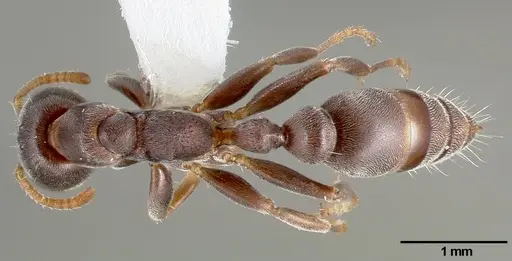
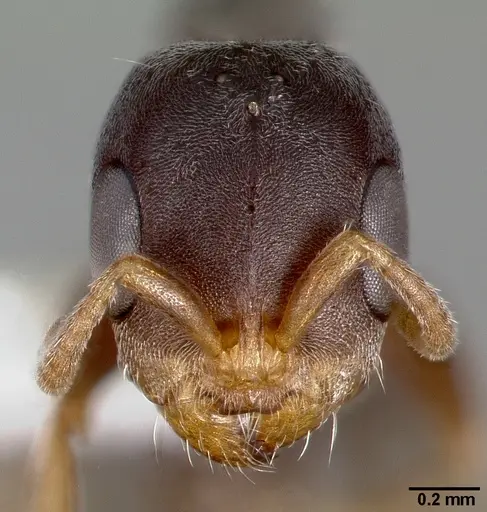
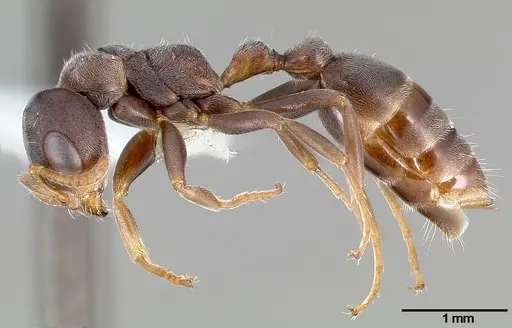
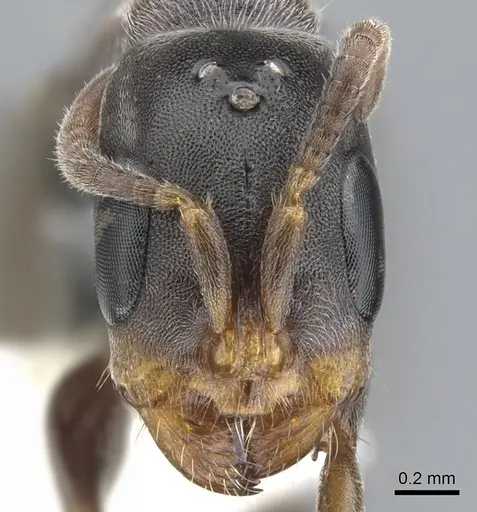
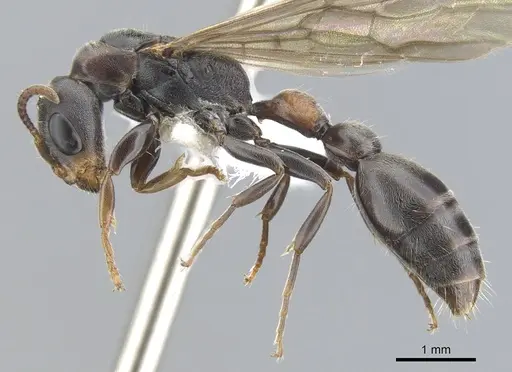
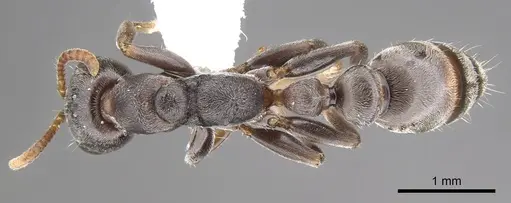
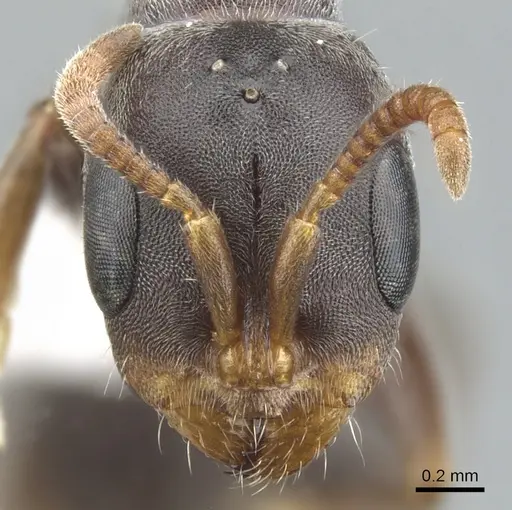
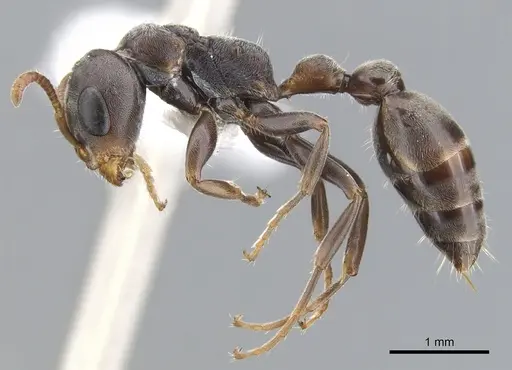
Pseudomyrmex mixtecus is a small to medium-sized ant, part of the famous acacia-ant group. Workers measure 0.89-1.03mm in head width and are dark brown to black in color [1]. This species belongs to the Pseudomyrmex ferrugineus group, a lineage of ants famous for their obligate mutualistic relationship with Neotropical Acacia (Vachellia) trees [2]. The ants live inside specialized hollow structures called domatia that form in the swollen thorns of these trees, and in return, the ants aggressively defend the plant from herbivores and competing plants. P. mixtecus is known only from the Mexican states of Guerrero, Oaxaca, and Veracruz [3].
What makes this species particularly fascinating is its extreme specialization, P. mixtecus is an obligate acacia mutualist that cannot be found nesting apart from its host plants [4]. This means these ants have evolved a completely dependent lifestyle, relying on the shelter and food bodies produced by Acacia trees. Workers have a unique digestive specialization: they lack the enzyme invertase needed to process sugar, so they must rely on their larvae (which do have this enzyme) to process sucrose from the honeydew they collect [5].
Quick Summary
- Difficulty: Expert
- Origin & Habitat: Mexico (Guerrero, Oaxaca, Veracruz), tropical dry forests and savanna where Acacia trees grow. This species is an obligate inhabitant of Vachellia (Acacia) domatia, the swollen thorn cavities that provide shelter [1].
- Colony Type: Monogynous, colonies have a single queen [6]. The species is strictly single-queen and cannot establish colonies without their host plant.
- Colony: Monogyne
- Size & Growth:
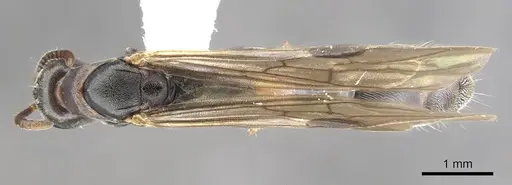
- Queen: 0.96-1.01mm head width [7]
- Worker: 0.89-1.03mm head width [1]
- Colony: Unknown for this specific species, but related acacia ants typically form colonies of several hundred workers
- Growth: Moderate, estimated based on related species in the ferrugineus group
- Development: Unknown, no direct development data exists for this species. Based on typical Pseudomyrmex patterns, expect 6-10 weeks at tropical temperatures. (Development has not been directly studied. Related species in the genus suggest moderate development times at warm temperatures.)
- Antkeeping:
- Temperature: Keep at 24-28°C, these are tropical ants from southern Mexico. A heating cable on one side of the nest can help maintain warmth.
- Humidity: Moderate to high, they come from tropical dry forests. Keep nest substrate lightly moist but allow some drying between waterings. The domatia they inhabit naturally have some humidity variation.
- Diapause: No, being from tropical Mexico, they do not require hibernation. Keep them warm year-round.
- Nesting: This is the critical challenge: P. mixtecus is an OBLIGATE acacia mutualist. They cannot survive without their host plant. In captivity, you would need to provide a Vachellia (Acacia) sapling or maintain a naturalistic setup with living Acacia. Standard test tubes and formicaria will NOT work, these ants will not survive without their specialized host plant [4].
- Behavior: These ants are aggressive defenders of their host plant. As acacia mutualists, they will readily attack any threat to their tree, this includes large animals, insects, and even other ants. They have functional stingers and will use them defensively. Workers are highly active and patrol the plant surface constantly. Escape risk is moderate, they are not tiny ants but can climb well. Excellent escape prevention is recommended. The unique digestive system (workers can't process sugar, only larvae can) means the colony structure is tightly integrated, workers collect honeydew and other resources but must pass them to larvae for processing [5].
- Common Issues: obligate mutualist requirement, cannot be kept in standard nests, requires living Acacia host plant, no invertase in workers means sugar sources must be processed through larvae, feeding is complex, tropical species requires warm, stable temperatures year-round, very limited distribution, wild colonies are protected in Mexico, escape prevention needed, workers are active and will explore for exits
The Obligate Mutualist Challenge
Pseudomyrmex mixtecus represents one of the most challenging ants to keep in captivity because it is an OBLIGATE mutualist, these ants cannot survive without their host Acacia (Vachellia) plants [4]. In the wild, colonies live exclusively inside the domatia (hollow thorn structures) of Acacia trees. The ants cannot nest in soil, rotting wood, or any other substrate. This is not a preference, it is an absolute requirement. If you are considering this species, you must be prepared to maintain a living Acacia plant as part of the setup. This makes P. mixtecus suitable only for advanced antkeepers with experience in live-plant terrariums and the resources to maintain appropriate host plants. Standard ant-keeping setups (test tubes, acrylic nests, Y-tong) will result in colony failure.
Feeding and Digestive Specialization
P. mixtecus has one of the most unusual digestive systems among ants. Workers completely lack the enzyme invertase, which is needed to break down sucrose (table sugar) into glucose and fructose [5]. Invertase activity in workers measures just 18 ± 7 ng glucose per μg per minute, essentially negligible. However, larvae have very high invertase activity at 224 ± 22 ng glucose per μg per minute [5]. This means workers must feed on honeydew and other sugar sources, then pass this to larvae for processing. The larvae digest the sugar and presumably share the processed nutrients back with workers. This creates a unique feeding dependency: the colony cannot survive without brood present to process sugar. In captivity, you would need to provide honeydew sources (aphids on the Acacia plant work naturally) and likely small prey items. Sugar water alone would not sustain them. This specialization also means they are poorly adapted to many standard ant foods.
Host Plant Relationships
In the wild, P. mixtecus has been documented living on multiple Acacia species including Acacia hindsii, A. collinsii, A. cornigera, A. chiapensis, A. mayana, and A. gentlei [2][6]. The relationship is mutualistic: the Acacia provides domatia (hollow thorns) for the ants to live in, plus special food bodies called Beltian bodies that are rich in protein. The tree also produces extrafloral nectaries that provide sugar. In return, the ants aggressively defend the tree from herbivores, cut away competing vines and plants, and may even help with pollination. This is one of the most famous examples of mutualism in nature. If maintaining this species, you would need to establish and maintain a healthy Acacia plant, likely Vachellia species native to Mexico.
Temperature and Tropical Care
As ants from tropical southern Mexico, P. mixtecus requires warm temperatures year-round. They are found in Guerrero, Oaxaca, and Veracruz, regions with warm to hot climates and relatively mild seasonal variation compared to temperate areas [3]. Keep the setup at 24-28°C consistently. A small heating cable or mat can help maintain temperatures, especially in cooler climates. Temperature drops below about 20°C would likely be stressful. Since they live in a living plant system, the plant itself also needs appropriate conditions, bright light, appropriate watering, and protection from cold. This species does NOT require hibernation or winter cooling. Year-round warmth is essential.
Defense and Behavior
Acacia ants in the ferrugineus group are known for their aggressive defense of their host plants. Workers will readily sting any perceived threat, this includes herbivores, competing insects, and even human fingers that get too close to the plant [1]. The sting is functional and can be painful (though these ants are small, so the pain is less severe than larger stinging ants). Workers are highly active, constantly patrolling the branches and thorns of their host plant on the lookout for threats. They use chemical alarm signals to recruit nestmates when defending. In captivity, this means you should handle the setup with care and expect defensive behavior when the colony is disturbed. This also means escape prevention is important, workers will explore and may attempt to exit the setup.
Frequently Asked Questions
Can I keep Pseudomyrmex mixtecus in a test tube or formicarium?
No. This is an obligate acacia mutualist, they cannot survive without living Acacia (Vachellia) host plants. Standard nests will result in colony death. You need a naturalistic setup with a living Acacia tree or shrub.
What do Pseudomyrmex mixtecus eat?
They collect honeydew from aphids and scale insects on their host plant, plus Beltian bodies (protein-rich food bodies produced by Acacia). Workers cannot process sugar directly due to lacking invertase, larvae must process sucrose. In captivity, you would need aphid colonies on the Acacia plus small live prey like fruit flies.
Are Pseudomyrmex mixtecus dangerous?
They have functional stingers and will defend their host plant aggressively. The sting is painful but these are small ants so the pain is mild. They are not considered dangerous to humans, but you should handle their setup with caution.
How long do Pseudomyrmex mixtecus take to develop from egg to worker?
Unknown, no direct development data exists for this species. Based on related Pseudomyrmex species, expect 6-10 weeks at tropical temperatures (24-28°C).
Do Pseudomyrmex mixtecus need hibernation?
No. They are tropical ants from southern Mexico and do not require hibernation. Keep them warm year-round at 24-28°C.
Can I keep multiple queens together?
No. This species is monogynous, colonies have a single queen [6]. Multiple unrelated queens would likely fight.
How big do Pseudomyrmex mixtecus colonies get?
Colony size is not well documented for this specific species, but related acacia ants typically form colonies of several hundred workers.
Are Pseudomyrmex mixtecus good for beginners?
No. This is an expert-level species due to the obligate requirement for living Acacia host plants. The complex digestive system and need for a living plant system make this unsuitable for beginners. Even most experienced antkeepers cannot maintain this species successfully.
Where does Pseudomyrmex mixtecus live in the wild?
Only in Mexico, specifically the states of Guerrero, Oaxaca, and Veracruz. They live exclusively in the domatia (hollow thorns) of Vachellia (Acacia) trees in tropical dry forests and savanna.
Why can't I keep Pseudomyrmex mixtecus in a normal ant nest?
This species is an obligate mutualist, they have evolved to live ONLY inside Acacia trees. They cannot survive in soil, wood, or artificial nests. The entire colony structure, feeding (larvae process sugar), and reproduction are integrated with the host plant. Without it, they will die.
References

This caresheet is licensed under CC BY-SA 4.0 .
Literature
Loading...Loading products...