

Pseudomyrmex maculatus
- Scientific Name
- Pseudomyrmex maculatus
- Tribe
- Pseudomyrmecini
- Subfamily
- Pseudomyrmecinae
- Author
- Smith, 1855
- Distribution
- Found in 6 countries
Pseudomyrmex maculatus Overview
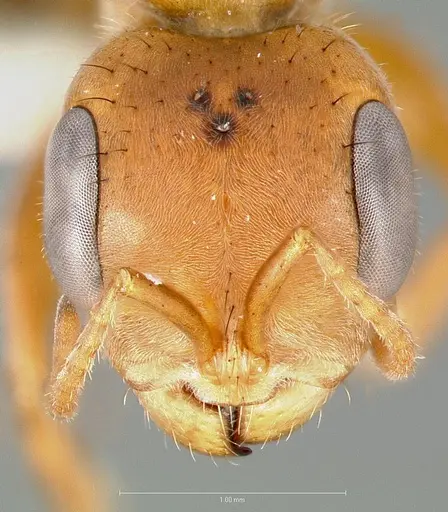
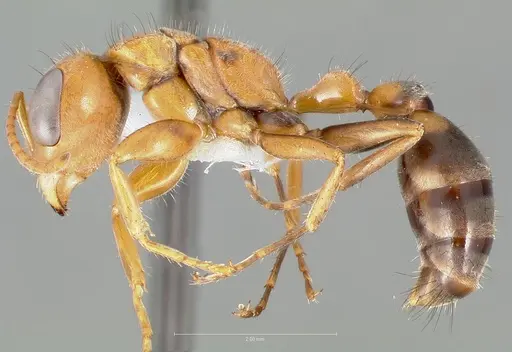
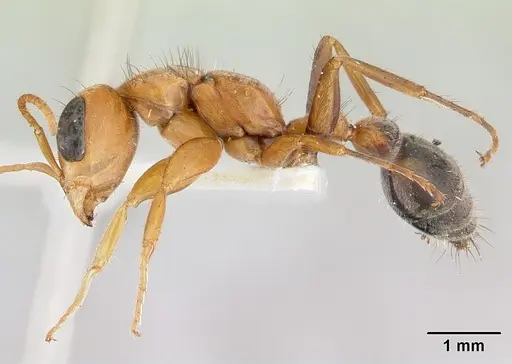
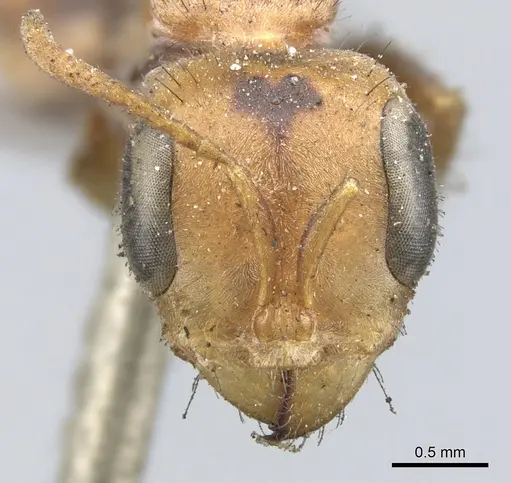
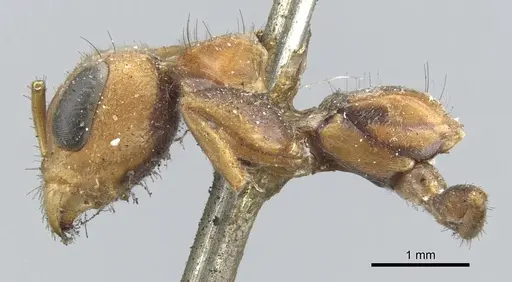
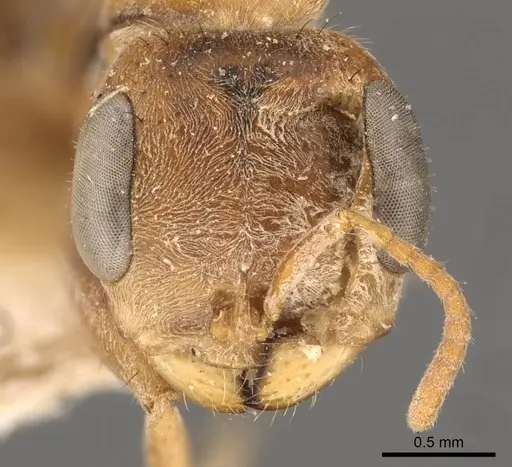
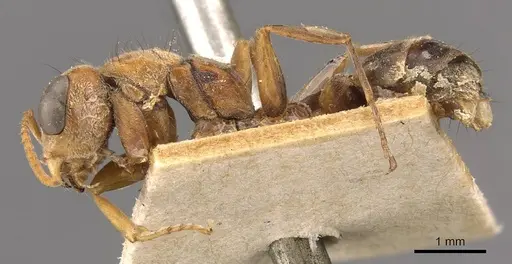
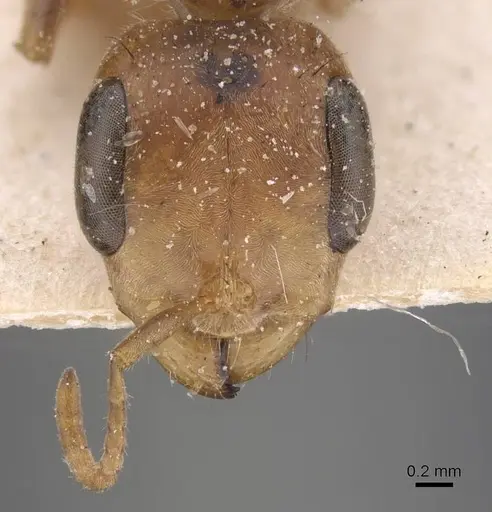
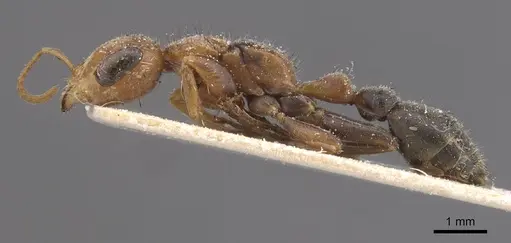
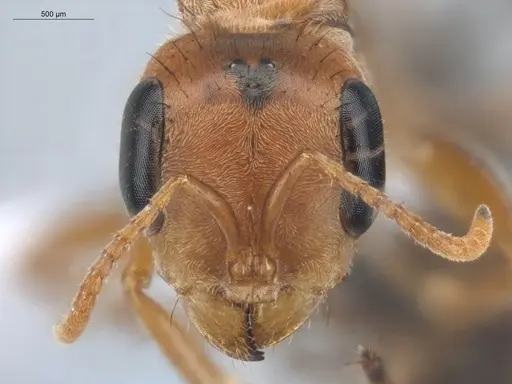
Pseudomyrmex maculatus is an ant species of the genus Pseudomyrmex. It is primarily documented in 6 countries , including Bolivia, Plurinational State of, Brazil. Detailed taxonomic data and occurrence records can be further explored via authoritative databases such as AntWeb or the Global Biodiversity Information Facility (GBIF).
Pseudomyrmex maculatus
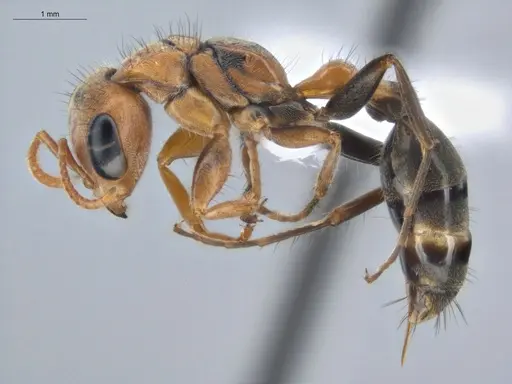
Pseudomyrmex maculatus is a slender, elongated ant species native to the Neotropical region, found across countries including Brazil, Argentina, Colombia, Peru, and Trinidad and Tobago [1]. Workers are part of the 'agile Pseudomyrmecinae' functional group, they patrol large areas around their nest solitarily, are highly active during the day, and orient visually rather than by chemical trails [2]. Unlike many ants that nest underground, most Pseudomyrmex species including this one nest in vegetation, typically in hollow stems, twigs, or under bark [2]. The genus Pseudomyrmex is one of the most common and widely distributed ant groups in the Neotropics, and these ants can act as predators of small insects or visit extrafloral nectaries for sugary secretions [2].
Quick Summary
- Difficulty: Medium
- Origin & Habitat: Tropical and subtropical forests of northern South America, including Brazil, Argentina, Colombia, Peru, and Caribbean islands. They are classified as Tropical Climate Specialists (TCS) in Argentina, indicating they prefer warm, humid conditions [3][2].
- Colony Type: Colony structure is not well-documented in scientific literature. Based on typical Pseudomyrmex patterns, colonies likely have a single queen (monogyne), though some related species can have multiple queens.
- Colony: Monogyne
- Founding: Claustral
- Size & Growth:
- Queen: Estimated 10-12mm based on genus Pseudomyrmex patterns
- Worker: Estimated 6-9mm based on genus Pseudomyrmex patterns
- Colony: Estimated moderate-sized colonies (several hundred workers) based on related species
- Growth: Moderate, estimated based on tropical ant development patterns
- Development: Estimated 6-8 weeks at tropical temperatures (25-28°C) (Development time inferred from typical Pseudomyrmex and tropical ant development patterns. Warmer temperatures accelerate development.)
- Antkeeping:
- Temperature: Keep at 24-28°C (tropical room temperature). A slight temperature gradient allows workers to regulate their own conditions. They are adapted to warm, stable temperatures year-round [3].
- Humidity: Moderate to high humidity (60-80%). These ants live in tropical environments and prefer humid conditions. Keep the nest substrate slightly moist but not waterlogged.
- Diapause: No, as a tropical species, they do not require hibernation. Keep temperatures stable year-round.
- Nesting: In nature they nest in vegetation (hollow stems, twigs, under bark). In captivity, a naturalistic setup with plant material or a well-humidified acrylic/plaster nest works best. They prefer narrow, enclosed chambers that mimic their natural hollow stem nesting sites.
- Behavior: Workers are diurnal, highly active, and patrol large areas solitarily. They orient visually (unusual for ants) and tend to avoid conflicts with other ant species rather than confront them aggressively [2]. They can act as predators on small insects or forage for nectar from extrafloral nectaries. Workers are agile and quick-moving, escape prevention should be good despite their moderate size. They are not particularly aggressive toward keepers but will defend if threatened.
- Common Issues: tropical species requires stable warm conditions, cold drafts can stress or kill colonies, nesting in vegetation means they need humid enclosures, dry conditions cause desiccation, active foragers need space to patrol, cramped nests lead to stress, visual orientation means they may be more sensitive to lighting changes than typical ants, wild-caught colonies may carry parasites that affect captive survival
Housing and Nest Preferences
Pseudomyrmex maculatus nests in vegetation in the wild, typically in hollow stems, twigs, or under loose bark [2]. In captivity, you should recreate these conditions as closely as possible. A naturalistic setup with plant material (twigs, hollow stems) works well, or you can use a well-humidified acrylic or plaster nest with narrow chambers that mimic their natural nesting sites. The key is providing enclosed, humid spaces that are not too large, these ants feel secure in tight-fitting cavities. Keep the nest humid but ensure some ventilation to prevent mold. An outworld with plants or visual landmarks will help them use their visual orientation abilities.
Feeding and Diet
In the wild, Pseudomyrmex maculatus workers act as both predators and nectar foragers. They patrol large areas and can catch small insects, and they also visit extrafloral nectaries on plants for sugary secretions [2]. In captivity, offer a varied diet: small live insects (fruit flies, small crickets, mealworms) for protein, and sugar water, honey, or nectar solutions for carbohydrates. Feed protein 2-3 times per week and keep sugar water available constantly. Remove uneaten prey after 24 hours to prevent mold. These are active foragers, so ensure food is accessible in the outworld.
Temperature and Seasonal Care
As a tropical species from the Neotropical region, Pseudomyrmex maculatus requires warm, stable temperatures year-round. Keep the nest area at 24-28°C, this matches their natural tropical environment in Brazil, Argentina, Colombia, and Peru [3]. Room temperature in most homes is adequate, but you may need a heating cable or mat in cooler climates. Unlike temperate ants, they do not enter diapause or hibernation, maintaining consistent warmth is critical for their health and brood development. Avoid placing the nest near air conditioning vents or drafty windows. A slight temperature gradient (warmer on one side) allows workers to self-regulate.
Behavior and Colony Dynamics
This species has unusually visual-oriented behavior for ants, workers patrol solitarily and navigate using vision rather than chemical trails [2]. They are also known to avoid aggressive interactions with other ant species rather than engage in direct confrontation [2]. Workers are diurnal and highly active, constantly moving through their territory. Colonies grow moderately, expect several months to reach significant worker numbers. Queens are likely claustral founders, sealing themselves in to raise the first workers alone on stored fat reserves. The colony will expand gradually as workers hatch and begin foraging. These ants are not aggressive toward keepers but will defend the nest if disturbed.
Growth and Development
Based on typical tropical Pseudomyrmex development patterns, expect 6-8 weeks from egg to first worker at optimal tropical temperatures (25-28°C). The first workers (nanitics) will be smaller than mature workers and may take several weeks to fully develop. Growth rate is moderate, the colony will expand as more workers emerge and begin foraging. Since this species is not well-studied in captivity, observe your colony's activity levels to gauge if conditions are optimal. Workers clustering near heat sources indicate they want it warmer, workers avoiding certain areas may indicate it's too hot or dry.
Frequently Asked Questions
How long does it take for Pseudomyrmex maculatus to produce first workers?
Expect 6-8 weeks from egg to first worker at optimal temperatures of 25-28°C. This is estimated based on typical tropical Pseudomyrmex development patterns, as specific development timing for this species has not been documented.
What do Pseudomyrmex maculatus ants eat?
They are opportunistic predators and nectar foragers. Offer small live insects (fruit flies, small crickets, mealworms) for protein 2-3 times weekly, and keep sugar water, honey, or nectar constantly available. They also visit extrafloral nectaries in the wild.
Do Pseudomyrmex maculatus ants need hibernation?
No. As a tropical species from the Neotropical region, they do not require hibernation. Keep temperatures stable at 24-28°C year-round. Cold temperatures can stress or kill this species.
Are Pseudomyrmex maculatus ants aggressive?
They are not particularly aggressive toward keepers. In the wild, they actually avoid aggressive interactions with other ant species rather than confront them [2]. They will defend their nest if threatened but typically flee or escape rather than attack.
How big do Pseudomyrmex maculatus colonies get?
Colony size is not well-documented, but based on related Pseudomyrmex species, expect moderate-sized colonies of several hundred workers. Growth is moderate, the colony expands gradually over months.
Can I keep multiple Pseudomyrmex maculatus queens together?
Colony structure is not well-documented for this specific species. Based on typical Pseudomyrmex patterns, they likely form single-queen colonies. Combining unrelated queens is not recommended since this has not been studied.
Do Pseudomyrmex maculatus ants sting?
Pseudomyrmex ants have stingers but are not considered dangerous to humans. They will use their stingers in defense if directly threatened, but their primary defense is fleeing. The sting is mild compared to some other ant species.
Why are my Pseudomyrmex maculatus ants dying?
Common causes include: cold temperatures (they need 24-28°C), low humidity (they're tropical and need moist conditions), or dry nesting environment. Also check for parasites, which can affect wild-caught colonies. Ensure the nest is humid but well-ventilated, and temperatures are stable.
Are Pseudomyrmex maculatus good for beginners?
They are rated as Medium difficulty. They require stable tropical conditions (warmth and humidity) year-round, which may require more equipment than temperate species. Their visual orientation and active foraging are interesting behaviors, but they need more specific housing than common beginner species.
When should I move Pseudomyrmex maculatus to a formicarium?
Wait until the colony has at least 20-30 workers and the founding chamber is becoming crowded. For this species, a naturalistic setup with plant material works well from the start. If using a standard formicarium, ensure it has narrow chambers and maintains humidity well.
Do Pseudomyrmex maculatus ants need special lighting?
They orient visually and are diurnal, so they may be more sensitive to light than typical ants. Avoid direct harsh lighting on the nest area, but normal room lighting is fine. A day/night light cycle may help regulate their natural activity patterns.
References

This caresheet is licensed under CC BY-SA 4.0 .
CASENT0005841
View on AntWeb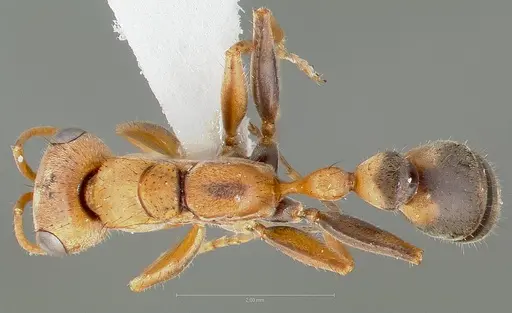
CASENT0005860
View on AntWeb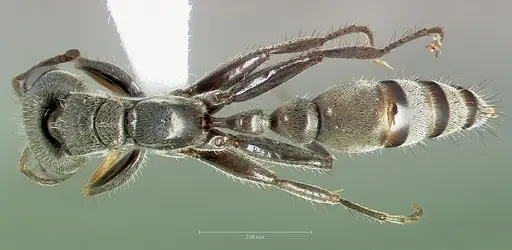
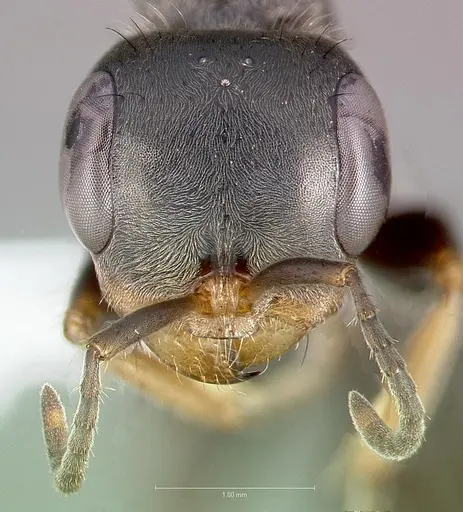
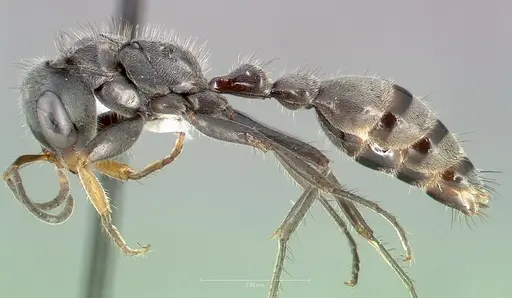
CASENT0178621
View on AntWeb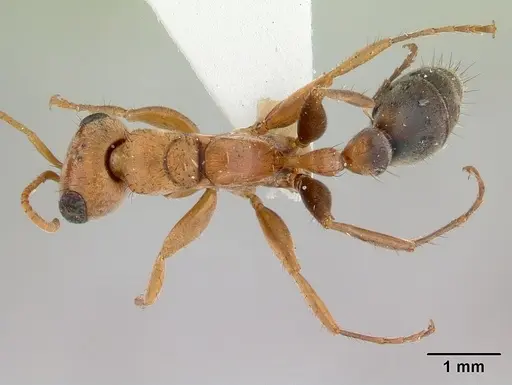
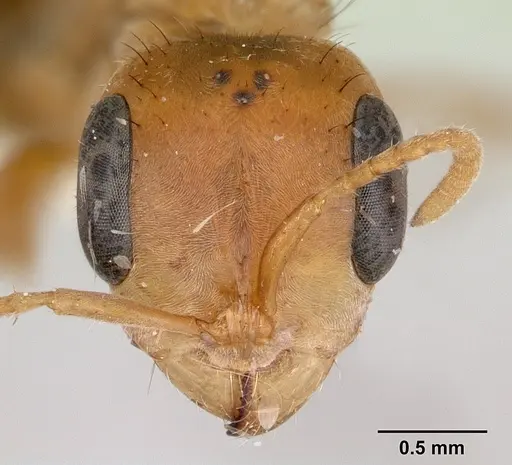
CASENT0902852
View on AntWeb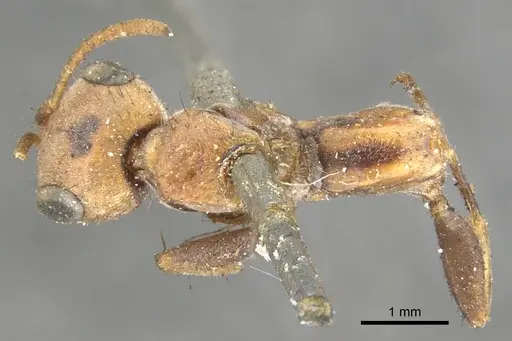
CASENT0907482
View on AntWeb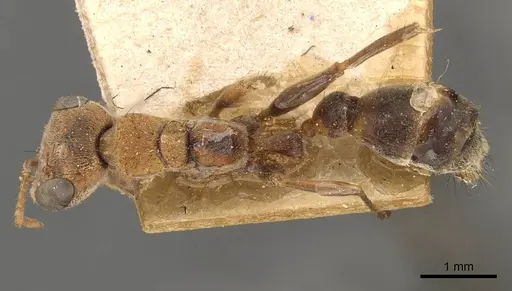
CASENT0915511
View on AntWeb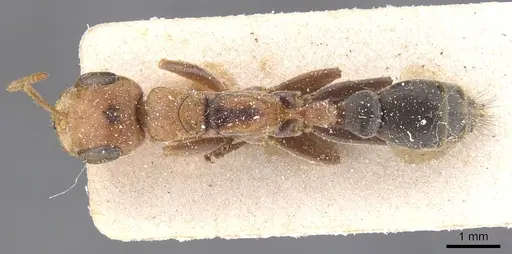
ECOFOG-HC-0006
View on AntWeb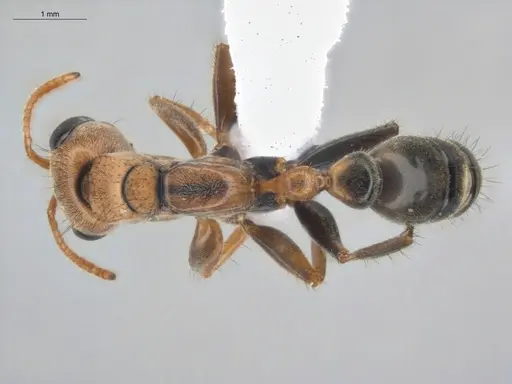
Literature
Loading...Loading products...