

Pseudomyrmex lynceus
- Scientific Name
- Pseudomyrmex lynceus
- Tribe
- Pseudomyrmecini
- Subfamily
- Pseudomyrmecinae
- Author
- Spinola, 1851
- Distribution
- Found in 1 countries
Pseudomyrmex lynceus Overview
Pseudomyrmex lynceus is an ant species of the genus Pseudomyrmex. It is primarily documented in 1 countries , including Chile. Detailed taxonomic data and occurrence records can be further explored via authoritative databases such as AntWeb or the Global Biodiversity Information Facility (GBIF).
Pseudomyrmex lynceus
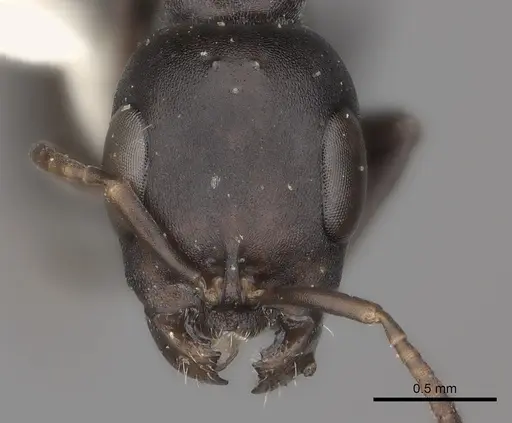
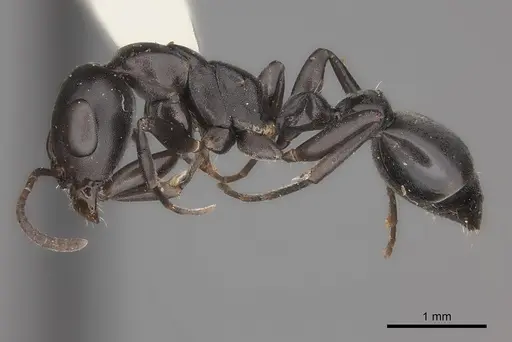
Pseudomyrmex lynceus is a slender, black arboreal ant endemic to Chile, making it the only Pseudomyrmex species found in that country [1]. Workers reach about 6mm in length with an elongated body form [1]. These ants inhabit the branches of native trees and cacti including Quillay (Quillaja saponaria), Espino (Acacia caven), and the cactus Quisco (Echinopsis chiloensis), where they build small nests in dry branches with circular entrance openings [1]. Unlike many ants that nest in soil, this species is strictly arboreal, foraging along branches to collect nectar from flowers and hunt small prey like dipteran flies [1].
This species is particularly notable for being Chile's sole representative of the Pseudomyrmecinae subfamily, making it a unique choice for antkeepers interested in arboreal species [1]. Colonies remain small even at maturity, typically consisting of only a few dozen individuals [1]. Their black coloration and elongated form make them visually distinctive among Chilean ants.
Quick Summary
- Difficulty: Medium
- Origin & Habitat: Central Chile (Atacama to Biobío region), endemic to Chile. Inhabits branches of native trees and cacti in dry to semi-dry forest habitats [1].
- Colony Type: Likely monogyne (single queen) based on typical Pseudomyrmex patterns. Colonies remain small with only a few dozen workers at maturity [1].
- Size & Growth:
- Queen: Unconfirmed, estimated 7-9mm based on genus patterns
- Worker: Approximately 6mm [1]
- Colony: Small, only a few dozen workers at maturity [1]
- Growth: Moderate, estimated based on related species
- Development: Estimated 6-10 weeks based on typical Pseudomyrmex development at optimal temperature (Development timeline not directly studied, estimate based on genus-level data for Pseudomyrmex species)
- Antkeeping:
- Temperature: Keep around 22-26°C. Chilean temperate climate suggests they can tolerate some cooling but prefer moderate warmth. Use a heating cable on one side of the nest to create a gradient if room temperature falls below 20°C.
- Humidity: Low to moderate. These are dry-adapted arboreal ants. Keep nest substrate moderately dry, allow to dry out between waterings. Avoid excessive moisture that causes mold.
- Diapause: Likely yes, Chilean temperate climate suggests a winter rest period. Reduce temperature to 10-15°C for 2-3 months during winter (roughly May-August in the Southern Hemisphere).
- Nesting: Arboreal specialists, they nest in dry branches in nature. In captivity, use a Y-tong (AAC) nest with tight chambers, or a naturalistic setup with cork or wooden branches. Avoid soil-based nests. Provide small dry twigs or cork sections for them to nest in.
- Behavior: Generally calm and non-aggressive toward keepers. Forages actively along branches for nectar and small prey. Workers are slender and fast-moving. Escape risk is moderate, their small colony size makes escapes less likely to become major problems, but they can squeeze through small gaps. They are arboreal so will use vertical space if given the opportunity. May be defensive of their nest but rarely bite or sting.
- Common Issues: Small colony size means any losses have bigger impact, avoid disturbing founding colonies, Arboreal nature means they need vertical space and branches/twigs to forage on, Dry nesting conditions are essential, too much moisture causes mold and colony decline, Winter diapause is likely required, skipping it may weaken colonies over time, Limited availability as an endemic Chilean species, may be difficult to acquire
Nest Preferences and Housing
Pseudomyrmex lynceus is an arboreal species that naturally nests in dry branches and twigs of trees and cacti [1]. In captivity, you should replicate these conditions rather than using typical soil nests. A Y-tong (AAC) nest works well, or you can create a naturalistic setup with cork sections or small wooden branches. The nest entrance in the wild is a small circular opening [1], so provide appropriately sized chambers.
Because they forage along branches, set up the outworld with vertical elements, small twigs, branches, or mesh ramps that let workers travel between nest and feeding areas. This species does not need large spaces, a modest outworld connected to their nest is sufficient. Keep the nesting area relatively dry, these are not humidity-dependent ants.
Feeding and Diet
In the wild, Pseudomyrmex lynceus forages on branches searching for flower nectar and small prey like dipteran flies [2]. In captivity, offer sugar sources regularly, a drop of honey water or sugar water on a small dish works well. For protein, provide small live prey such as fruit flies, pinhead crickets, or other tiny insects. Since they are arboreal hunters, they will actively hunt moving prey.
Feed sugar sources constantly (refresh every few days) and offer protein prey 2-3 times per week. Remove uneaten prey after 24 hours to prevent mold. Given their small colony size, offer appropriately sized portions, a few drops of sugar water and one small prey item is sufficient.
Temperature and Seasonal Care
Pseudomyrmex lynceus comes from central Chile (Atacama to Biobío), a temperate region with distinct seasons [1]. Keep the nest area at 22-26°C for optimal activity and brood development. They can tolerate cooler temperatures given their native climate, but growth will slow below 20°C.
During the Southern Hemisphere winter (roughly May to August), reduce temperatures to 10-15°C to allow a diapause period. This mimics their natural seasonal cycle and helps maintain colony health long-term. If you cannot provide natural seasonal temperature drops, a refrigerator diapause (similar to many temperate ant species) may be necessary. Do not feed during diapause, the colony will be largely inactive.
Behavior and Colony Dynamics
This species forms small colonies in the wild, with nests consisting of a small number of individuals built in dry branches [1]. Workers are active foragers that travel along branches searching for nectar and small insect prey. Their elongated black form makes them distinctive among Chilean ants.
Colony growth is relatively slow compared to many common ant species. A mature colony likely reaches only a few dozen workers. Queens are not known to be aggressive toward each other, but given likely monogyne structure, only one queen should be kept per colony. Workers are not particularly defensive and rarely bite or sting, making them manageable for keepers.
Frequently Asked Questions
How long does it take for Pseudomyrmex lynceus to produce first workers?
The exact timeline is unconfirmed, but based on typical Pseudomyrmex development, expect 6-10 weeks from egg to first worker at optimal temperature (22-26°C). Founding colonies grow slowly, so patience is essential.
Can I keep Pseudomyrmex lynceus in a test tube?
Test tubes are not ideal for this arboreal species. They prefer dry branches or cork sections to nest in. A small Y-tong nest or naturalistic setup with wooden/cork elements works better. Test tubes can work for founding but transfer to appropriate housing once the colony establishes.
Do Pseudomyrmex lynceus ants sting?
Pseudomyrmex ants have the ability to sting, but this species is not particularly aggressive and rarely stings. They are calm toward keepers. The sting, if delivered, would be mild given their small size.
How big do Pseudomyrmex lynceus colonies get?
Colonies remain small throughout their life. Based on natural nesting observations, mature colonies likely reach only a few dozen workers [1]. This makes them suitable for keepers who prefer smaller, more manageable colonies.
Do Pseudomyrmex lynceus need hibernation?
Yes, a winter diapause is likely required given their Chilean temperate habitat. Reduce temperatures to 10-15°C for 2-3 months during winter. This helps maintain colony health and mimics their natural seasonal cycle.
What do Pseudomyrmex lynceus eat?
They are nectar-feeders that also hunt small insects. Offer sugar water or honey regularly, and small live prey like fruit flies or pinhead crickets for protein. They forage actively along branches in the wild [1].
Is Pseudomyrmex lynceus good for beginners?
This is a medium-difficulty species. Their small colony size and specific arboreal nesting requirements make them better suited for keepers with some experience. Their slow growth and specific care needs require patience.
Can I keep multiple Pseudomyrmex lynceus queens together?
Not recommended. While colony structure is not fully confirmed, Pseudomyrmex species typically form single-queen colonies. Combining unrelated queens has not been documented and risks conflict.
When should I move Pseudomyrmex lynceus to a formicarium?
Wait until the colony has at least 10-15 workers and the queen is firmly established. For arboreal species, ensure your formicarium has appropriate vertical elements and dry nesting materials like cork or wood sections.
Why is my Pseudomyrmex lynceus colony declining?
Common causes include: too much humidity (they need dry conditions), temperatures outside their 22-26°C range, insufficient sugar or protein in diet, or stress from disturbance during founding. Check these parameters and adjust accordingly.
References

This caresheet is licensed under CC BY-SA 4.0 .
CASENT0217580
View on AntWeb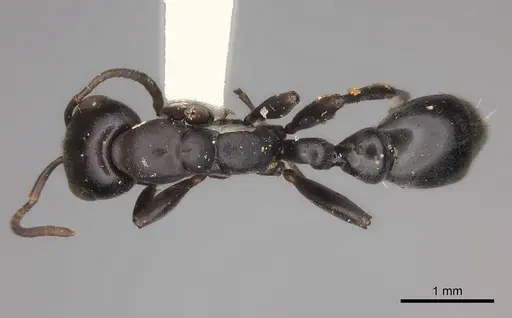
Literature
Loading...Loading products...