

Pseudomyrmex lizeri
- Scientific Name
- Pseudomyrmex lizeri
- Tribe
- Pseudomyrmecini
- Subfamily
- Pseudomyrmecinae
- Author
- Santschi, 1922
- Distribution
- Found in 3 countries
Pseudomyrmex lizeri Overview
Pseudomyrmex lizeri is an ant species of the genus Pseudomyrmex. It is primarily documented in 3 countries , including Argentina, Bolivia, Plurinational State of. Detailed taxonomic data and occurrence records can be further explored via authoritative databases such as AntWeb or the Global Biodiversity Information Facility (GBIF).
Pseudomyrmex lizeri
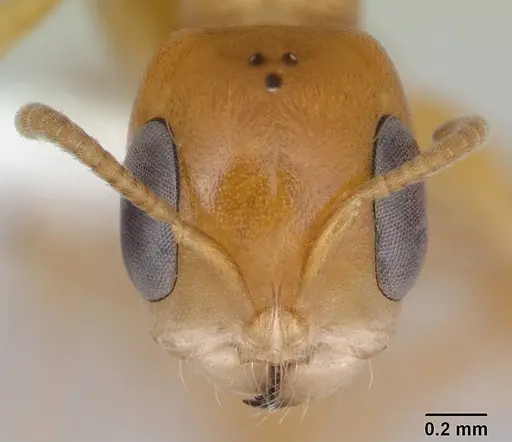
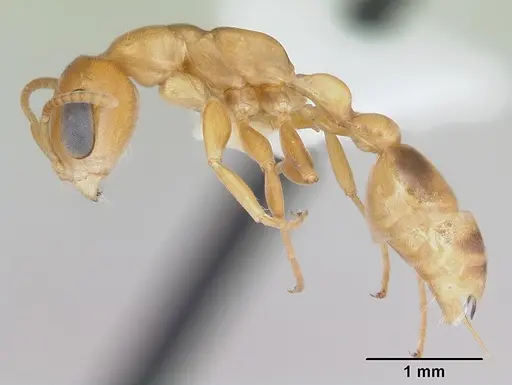
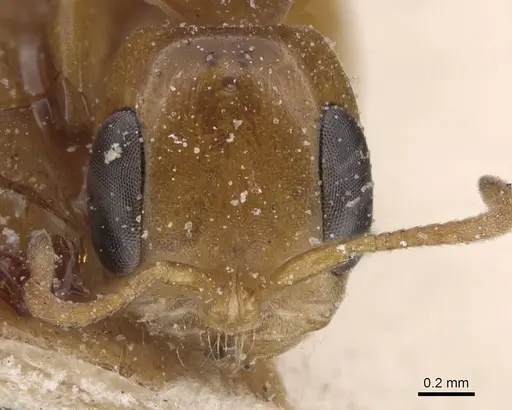
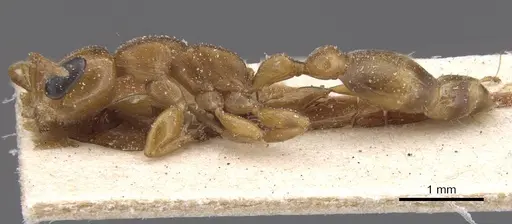
Pseudomyrmex lizeri is a slender, elongated ant belonging to the Pseudomyrmecinae subfamily. Workers are typically yellowish to light brown with a distinctive long, narrow body shape characteristic of the genus. The species was originally described as a subspecies of P. flavidulus but was elevated to full species status in 2007. It is notably larger than its close relative P. flavidulus with a broader head [1]. This ant is found in the Neotropical region, specifically Argentina, Bolivia, and Paraguay [1]. As a Pseudomyrmex species, these ants likely nest in hollow twigs, stems, or dead wood, reflecting their characteristic arboreal or semi-arboreal nesting preferences.
Quick Summary
- Difficulty: Unknown, limited captive data available
- Origin & Habitat: Neotropical region: Argentina, Bolivia, and Paraguay. Found in Concepción and San Pedro in Paraguay, with a new record in Argentina's Iguazú National Park [1][2]. Likely inhabits forest edges or woodland areas where suitable nesting sites in twigs and dead wood are available.
- Colony Type: Unconfirmed, likely single-queen colonies based on typical Pseudomyrmex patterns
- Size & Growth:
- Queen: Unknown, estimated 8-12mm based on genus patterns for larger Pseudomyrmex species
- Worker: Unknown, larger than P. flavidulus, likely 5-8mm based on genus descriptions
- Colony: Unknown, likely small to moderate colonies of several hundred workers based on typical Pseudomyrmex colony sizes
- Growth: Unknown, estimated moderate based on genus patterns
- Development: Unknown, estimated 6-10 weeks based on related Pseudomyrmex species at optimal temperature (No specific development data available for this species. Estimates based on typical Pseudomyrmecinae development patterns.)
- Antkeeping:
- Temperature: Estimated 22-28°C, provide a gentle gradient allowing ants to self-regulate. Start in the mid-20s°C range and observe colony activity
- Humidity: Estimated 60-80%, Pseudomyrmex species typically prefer moderately humid conditions. Keep nest substrate slightly moist but not waterlogged
- Diapause: Unknown, Neotropical species may have reduced activity in cooler months but true diapause requirements unconfirmed
- Nesting: Likely prefers nests in hollow twigs, stems, or wooden setups. Y-tong nests or naturalistic setups with narrow chambers scaled to their size would be appropriate
- Behavior: Behavior is not well documented for this species. The genus Pseudomyrmex is known for aggressive defense of nesting sites and some species will readily sting when threatened. They are typically active foragers and may be more active in the upper portions of setups. Escape prevention should be excellent due to their small size and active nature.
- Common Issues: limited species-specific care information makes proper husbandry challenging, escape prevention is critical given their small size and active foraging behavior, wild-caught colonies may carry parasites that can cause colony failure, temperature and humidity requirements are estimates and may need adjustment based on colony response, slow colony growth can frustrate keepers expecting rapid development
Distribution and Natural History
Pseudomyrmex lizeri is found across the Neotropical region including Argentina, Bolivia, and Paraguay. In Paraguay, the species has been recorded in Concepción and San Pedro departments, where it is locally sympatric with P. flavidulus but can be distinguished by its noticeably larger size and broader head [1]. A new record was documented in Argentina's Iguazú National Park in 2015 [2]. The species was originally described as a subspecies of P. flavidulus by Santschi in 1922 and was elevated to full species status by Wild in 2007 [1]. In its natural habitat, this species likely nests in hollow twigs, dead stems, or rotting wood, which is typical behavior for the Pseudomyrmex genus.
Housing and Nest Preferences
Based on typical Pseudomyrmex behavior, this species likely prefers nesting in narrow, twig-like structures. In captivity, Y-tong nests with narrow chambers or naturalistic setups with suitable twig-mimicking structures work well. The nest should provide tight chambers scaled to their slender body shape. Because they are likely semi-arboreal or arboreal in nature, they may prefer elevated areas within the setup. Ensure the nest material allows for some humidity retention without becoming waterlogged. A small water reservoir connected to the nest can help maintain appropriate moisture levels.
Feeding and Diet
Pseudomyrmex species are typically predatory and will accept small live prey such as fruit flies, pinhead crickets, and other tiny arthropods. They likely supplement their diet with sugar sources such as honey water or sugar water, though acceptance should be observed. Feed protein-rich prey approximately twice weekly, with sugar water available constantly. Remove uneaten prey after 24-48 hours to prevent mold issues. Start with small prey items and adjust based on what the colony accepts.
Temperature and Seasonal Care
As a Neotropical species from Argentina, Bolivia, and Paraguay, Pseudomyrmex lizeri likely prefers temperatures in the 22-28°C range. Provide a temperature gradient so the colony can self-regulate by moving between warmer and cooler areas of the nest. A heating cable on one side of the nest can help create this gradient. Monitor colony activity, if workers cluster near the heat source, increase temperature slightly, if they avoid heated areas, reduce temperature. True diapause requirements are unknown for this species, but Neotropical ants typically show reduced activity during cooler months.
Behavior and Temperament
While specific behavior is not documented for P. lizeri, Pseudomyrmex ants are generally known for their aggressive defense of nesting sites. Workers are slender and fast-moving, capable of delivering painful stings when threatened. They are active foragers and will readily search for prey throughout their territory. Escape prevention is essential due to their small size and agility. Use tight-fitting lids, fine mesh barriers, and reliable escape prevention measures. These ants are best observed through clear nest walls where their interesting foraging and colony maintenance behaviors can be observed.
Frequently Asked Questions
How long does it take for Pseudomyrmex lizeri to produce first workers?
The exact timeline is unknown for this species. Based on related Pseudomyrmex species, expect approximately 6-10 weeks from egg to first worker at optimal temperature. Patience is essential as this species is not well-documented in captivity.
What do Pseudomyrmex lizeri ants eat?
They likely accept small live prey such as fruit flies, pinhead crickets, and other tiny arthropods. Sugar sources like honey water or sugar water are probably accepted as well. Offer protein prey twice weekly with sugar water available constantly.
Can I keep Pseudomyrmex lizeri in a test tube setup?
Test tubes can work for founding colonies, but Pseudomyrmex ants prefer narrow, twig-like nesting sites. A test tube with a narrow bore or a Y-tong nest with appropriately scaled chambers would be more suitable than standard test tube setups.
Do Pseudomyrmex lizeri ants sting?
While not specifically documented for this species, Pseudomyrmex ants are known for their aggressive defense and capable stingers. Treat them as potentially stinging and handle with appropriate caution.
What temperature should I keep Pseudomyrmex lizeri at?
Based on their Neotropical origin, aim for 22-28°C with a temperature gradient. Start in the mid-20s°C range and adjust based on colony activity. A heating cable on one side of the nest can create the necessary gradient.
How big do Pseudomyrmex lizeri colonies get?
Colony size is not documented for this species. Based on typical Pseudomyrmex patterns, colonies likely reach several hundred workers. Growth is expected to be moderate.
Is Pseudomyrmex lizeri good for beginners?
This species is not recommended for beginners due to limited species-specific care information available. The lack of documented captive husbandry makes proper care challenging. Experienced antkeepers interested in rare species may have better success.
Do Pseudomyrmex lizeri need hibernation?
True diapause requirements are unknown for this Neotropical species. They likely show reduced activity during cooler months but may not require a formal hibernation period. Cooler temperatures during winter months may be sufficient.
When should I move Pseudomyrmex lizeri to a formicarium?
Move to a formicarium once the colony reaches several dozen workers and the test tube setup becomes cramped. Ensure the formicarium has appropriately sized chambers and maintains suitable humidity. Pseudomyrmex species prefer narrow, twig-like nesting spaces.
Why are my Pseudomyrmex lizeri dying?
Without species-specific data, common issues likely include improper humidity (too dry or too wet), temperature stress, escape-related losses, or parasites from wild-caught colonies. Review basic antkeeping parameters and ensure escape prevention is adequate. Consider that wild-caught colonies may carry internal parasites.
References

This caresheet is licensed under CC BY-SA 4.0 .
CASENT0173766
View on AntWeb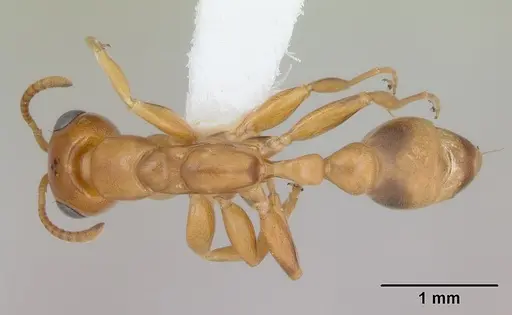
CASENT0915506
View on AntWeb
Literature
Loading...Loading products...