

Pseudomyrmex laevivertex
- Scientific Name
- Pseudomyrmex laevivertex
- Tribe
- Pseudomyrmecini
- Subfamily
- Pseudomyrmecinae
- Author
- Forel, 1906
- Distribution
- Found in 9 countries
Pseudomyrmex laevivertex Overview
Pseudomyrmex laevivertex is an ant species of the genus Pseudomyrmex. It is primarily documented in 9 countries , including Brazil, Colombia, Ecuador. Detailed taxonomic data and occurrence records can be further explored via authoritative databases such as AntWeb or the Global Biodiversity Information Facility (GBIF).
Pseudomyrmex laevivertex
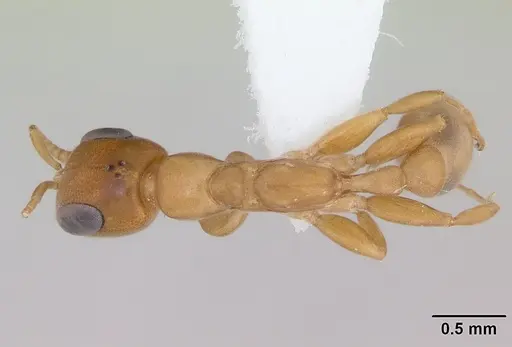
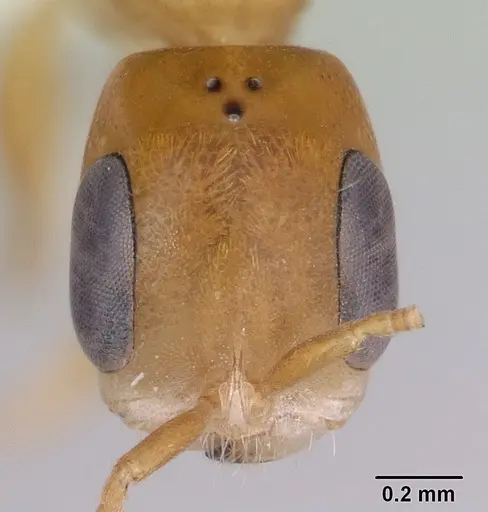
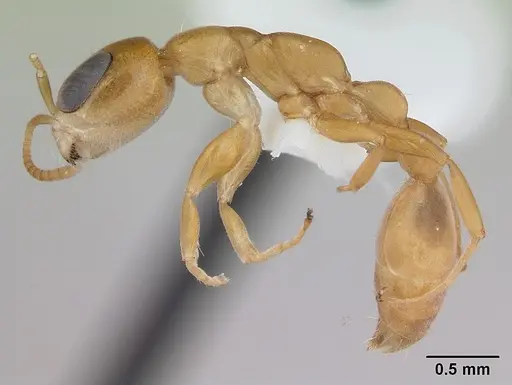
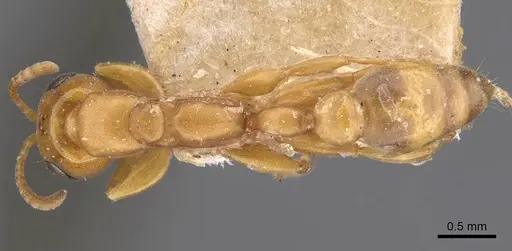
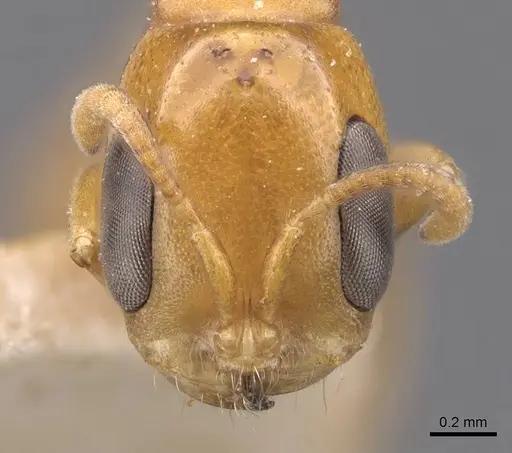
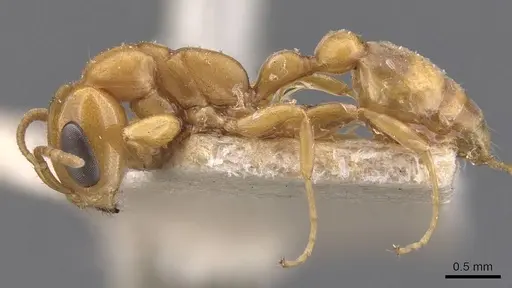
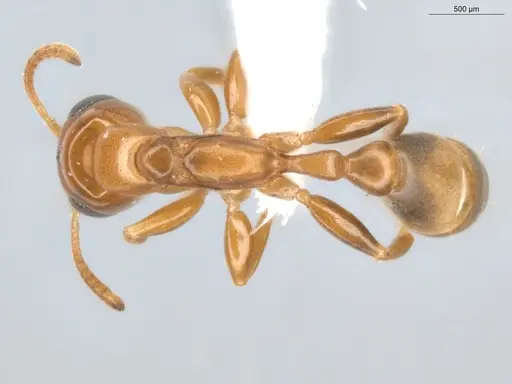
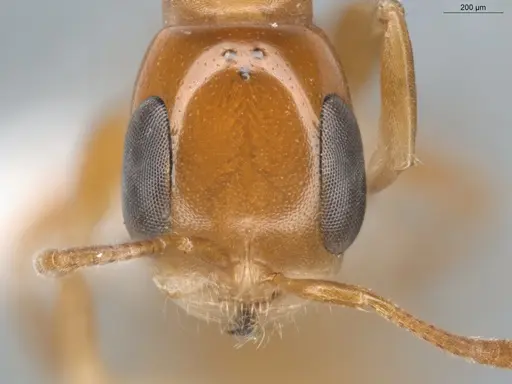
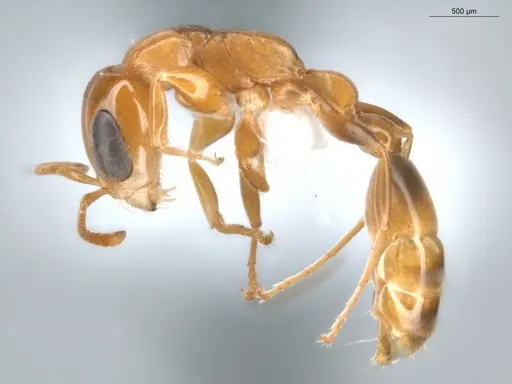
Pseudomyrmex laevivertex is a slender, elongated ant belonging to the Pseudomyrmecinae subfamily. Workers are small to medium-sized, typically measuring 4-7mm, with distinctive large eyes and a relatively long petiole. The genus Pseudomyrmex is known for their arboreal lifestyle, these ants live in tree cavities, hollow stems, and bamboo internodes rather than underground nests. This species is found throughout northern South America, from Colombia and Venezuela down through Brazil to Argentina, and also on Trinidad [1][2].
These ants are active foragers with a predatory nature, hunting small insects and arthropods in the forest canopy. Their large eyes and excellent vision help them locate prey among leaves and branches. As an arboreal species, they prefer nesting in pre-existing cavities in trees rather than excavating their own nests, this influences how you'll need to set up their captive environment.
Quick Summary
- Difficulty: Medium
- Origin & Habitat: Neotropical region, found in Colombia, Brazil, French Guiana, Paraguay, Argentina, and Trinidad and Tobago. This is an arboreal species that nests in tree cavities and hollow stems in tropical and subtropical forests [3][2]. They have been recorded at elevations up to 980m in the Colombian Andes [4].
- Colony Type: Colony structure is not well documented in scientific literature. Based on typical Pseudomyrmex patterns, they likely form single-queen colonies, though this requires confirmation for this specific species.
- Size & Growth:
- Queen: Estimated 7-9mm based on genus patterns for larger Pseudomyrmex species
- Worker: 4-7mm based on head width measurements (HW 0.62-0.91) typical of this genus [5]
- Colony: Unknown for this specific species, but Pseudomyrmex colonies typically range from dozens to a few hundred workers
- Growth: Moderate, based on related species development patterns
- Development: Estimated 6-10 weeks at tropical temperatures based on genus-level data for Pseudomyrmex species (Development time is inferred from related Neotropical Pseudomyrmex species, direct observations for P. laevivertex are not available)
- Antkeeping:
- Temperature: Keep at 24-28°C (warm tropical conditions). They tolerate temperatures into the low 30s but prefer stable warmth. A heating cable on one side of the nest can create a suitable gradient.
- Humidity: Moderate to high humidity (60-80%). As arboreal ants, they prefer humid conditions but need good ventilation to prevent mold. Mist occasionally and provide a water source.
- Diapause: No, this is a tropical species that does not require hibernation or winter rest. Keep them at warm temperatures year-round.
- Nesting: Arboreal setup is essential. These ants naturally nest in tree cavities, so provide vertical space with access to small chambers. A Y-tong (AAC) nest or acrylic formicarium with narrow chambers works well. Include twigs, branches, or cork bark to simulate their natural tree-dwelling environment.
- Behavior: These ants are active foragers with a predatory temperament. Workers hunt small insects and arthropods, making them engaging to watch. They are not particularly aggressive toward keepers but will defend their nest vigorously. Their large eyes suggest good vision, they may be more responsive to movement than ground-nesting species. Escape prevention is important as they are agile climbers, use fluon on any smooth surfaces and ensure enclosure tops are secure. They are diurnal, most active during daylight hours.
- Common Issues: tropical species cannot tolerate cool temperatures, keep them warm year-round, arboreal nesting means standard test tubes work poorly, they need vertical space and climbing structures, predatory diet requires live prey, they may not accept pre-killed insects, high humidity needs good ventilation or mold becomes a problem, escape artists due to climbing ability, check enclosures regularly
Housing and Nest Setup
Pseudomyrmex laevivertex requires an arboreal-style setup rather than a typical horizontal nest. In the wild, these ants nest in tree cavities, hollow bamboo, and dead twigs, they rarely nest in soil. For captivity, a Y-tong (AAC) nest with narrow chambers works well, or you can create a naturalistic setup using cork bark, twigs, and small containers connected by tubing. The key is providing vertical climbing space and multiple small chambers that mimic tree hollows. Include some cork bark or wood pieces inside the nest for them to explore. An outworld with branches, leaves, and climbing structures will encourage natural foraging behavior. Keep the nest humid but ensure ventilation prevents mold buildup [3].
Feeding and Diet
As predatory arboreal ants, they primarily hunt small insects and arthropods. Offer live prey such as fruit flies, small crickets, mealworms, and other appropriately-sized insects. They are active hunters that will chase down moving prey. While some Pseudomyrmex species occasionally tend aphids for honeydew, this species appears to be primarily predatory. You can occasionally offer a drop of diluted honey or sugar water, but live protein should be the mainstay of their diet. Feed small prey items 2-3 times per week, adjusting based on colony size and consumption rate. Remove uneaten prey after 24 hours to prevent mold.
Temperature and Seasonal Care
These are true tropical ants that need warm temperatures year-round. Maintain the nest area at 24-28°C, with a slight gradient allowing workers to choose their preferred temperature. Room temperature in most homes may be too cool, consider using a heating cable on one side of the nest to maintain warmth. They can tolerate brief temperature spikes into the low 30s but prefer stable conditions. Unlike temperate species, they do not enter diapause or hibernation. Keep them warm even during 'winter' months, a drop below 20°C for extended periods can weaken or kill the colony. No seasonal adjustments are needed for this species.
Behavior and Colony Dynamics
Pseudomyrmex laevivertex workers are active, visually-oriented foragers. Their large eyes suggest they rely heavily on vision to navigate and locate prey. Workers will patrol branches and leaves in search of small insects, attacking and subduing prey much larger than themselves relative to their body size. Colonies are moderately defensive, they will emerge aggressively if their nest is disturbed, but they are not typically aggressive toward keepers outside the nest. The colony will grow gradually over months, with workers living several months to over a year. Queens are physogastric (egg-laying) and can produce eggs continuously in warm conditions. Watch for dealate queens in established colonies, they may serve as replacement reproductives.
Acquiring and Founding Colonies
This species is not commonly available in the antkeeping hobby compared to some other Pseudomyrmex species. If available, you may find wild-caught founding queens or small colonies. If you catch a dealate queen, she will need a claustral or semi-claustrally-founded chamber depending on her behavior. Provide a small test tube or acrylic founding chamber with high humidity. If she seals herself in, she is claustral, if she leaves to hunt, she needs access to prey. Once workers arrive (nanitics will be small), you can gradually introduce them to a more elaborate arboreal setup. Wild-caught colonies may contain parasites or diseases, so quarantine and observe new colonies carefully before introducing them to existing setups.
Frequently Asked Questions
Can I keep Pseudomyrmex laevivertex in a test tube?
A test tube can work for founding, but established colonies need an arboreal setup. These ants naturally live in tree cavities, so they do better with vertical space and climbing structures. A Y-tong nest or naturalistic setup with cork bark and branches is more appropriate for established colonies.
How long does it take for Pseudomyrmex laevivertex to produce first workers?
Estimated 6-10 weeks from egg to worker at warm tropical temperatures (26-28°C). This is based on typical Pseudomyrmex development patterns, specific data for this species is not available. Nanitics (first workers) will be smaller than mature workers.
Do Pseudomyrmex laevivertex ants sting?
Pseudomyrmex ants have functional stingers and can sting if provoked. However, they are not particularly aggressive and typically only sting when their nest is directly threatened. The sting is mild for most people but can cause localized pain and irritation.
What do Pseudomyrmex laevivertex eat?
They are primarily predatory, hunting small insects and arthropods. Feed live prey like fruit flies, small crickets, and mealworms. They may occasionally accept sugar sources like honey water, but protein-rich live food should form the bulk of their diet.
Are Pseudomyrmex laevivertex good for beginners?
This species is rated as medium difficulty. They require warm temperatures year-round (no hibernation), need an arboreal-style setup, and require live prey. If you have experience with tropical ants and can maintain warm, humid conditions, they can be rewarding. Not ideal as a first ant unless you have a heated setup.
Do Pseudomyrmex laevivertex need hibernation?
No, this is a tropical species from the Neotropical region. They do not require diapause or hibernation. Keep them warm year-round at 24-28°C. Cool temperatures can stress or kill this species.
How big do Pseudomyrmex laevivertex colonies get?
Colony size is not well documented for this specific species, but Pseudomyrmex colonies typically reach dozens to a few hundred workers. Growth is moderate, expect several months to reach significant colony size.
When should I move Pseudomyrmex laevivertex to a formicarium?
Move them once the colony reaches 15-30 workers and the founding chamber becomes cramped. For arboreal species, ensure the formicarium provides vertical climbing space and small chambers that mimic tree cavities. A Y-tong or acrylic nest with branches works well.
Why are my Pseudomyrmex laevivertex dying?
Common causes include: temperatures below 20°C (tropical species are cold-sensitive), low humidity causing desiccation, mold from poor ventilation, or lack of live prey. Check that your setup matches their arboreal, predatory nature. Also ensure they cannot escape, they are excellent climbers.
Can I keep multiple queens together?
Combining unrelated queens has not been documented for this species. Based on typical Pseudomyrmex behavior, they likely form single-queen colonies. It is not recommended to house multiple unrelated foundresses together as they may fight.
References

This caresheet is licensed under CC BY-SA 4.0 .
Literature
Loading...Loading products...