

Pseudomyrmex laevigatus
- Scientific Name
- Pseudomyrmex laevigatus
- Tribe
- Pseudomyrmecini
- Subfamily
- Pseudomyrmecinae
- Author
- Smith, 1877
- Distribution
- Found in 3 countries
Pseudomyrmex laevigatus Overview
Pseudomyrmex laevigatus is an ant species of the genus Pseudomyrmex. It is primarily documented in 3 countries , including Brazil, French Guiana, Guyana. Detailed taxonomic data and occurrence records can be further explored via authoritative databases such as AntWeb or the Global Biodiversity Information Facility (GBIF).
Pseudomyrmex laevigatus
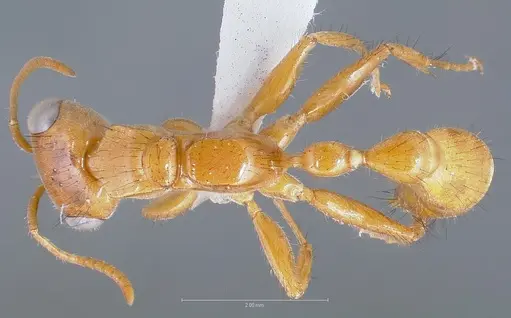
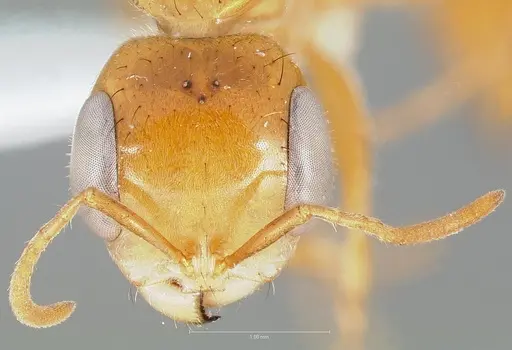
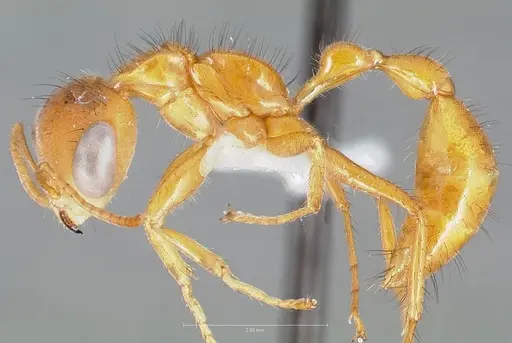
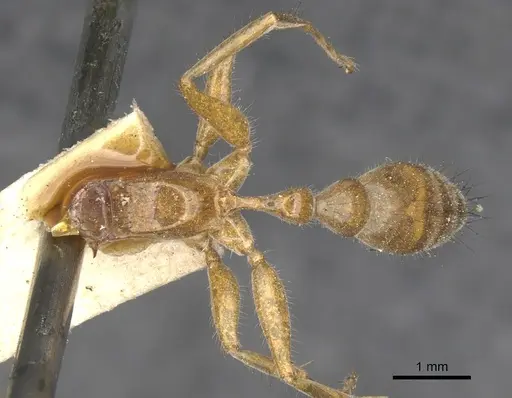
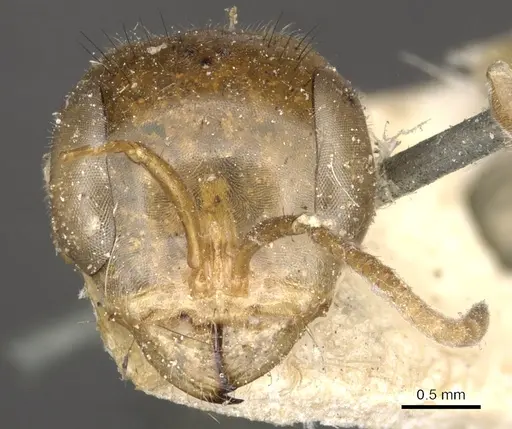
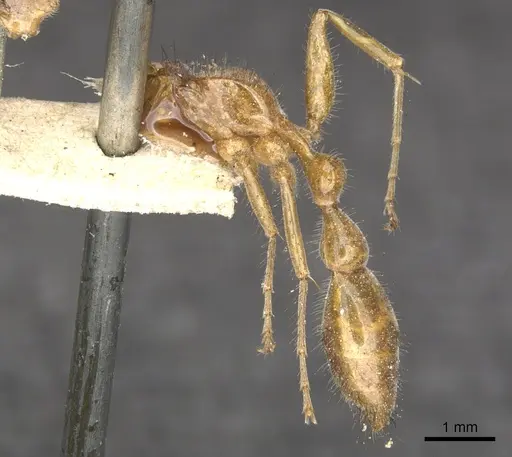
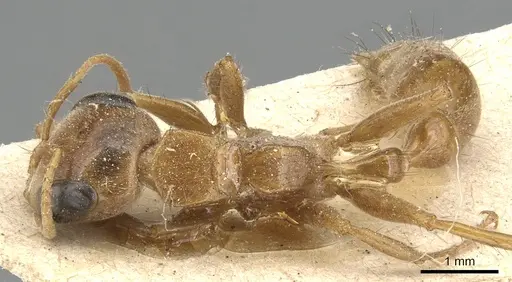
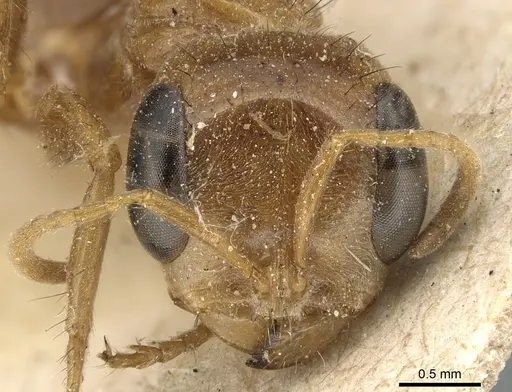
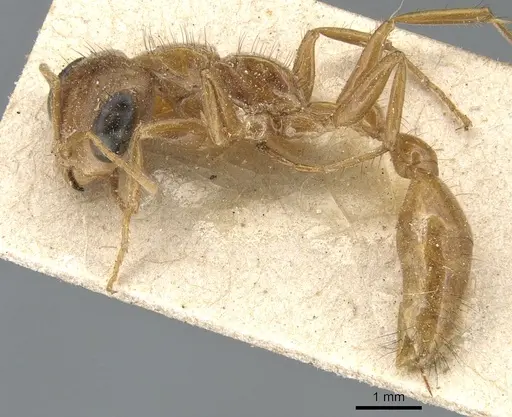
Pseudomyrmex laevigatus is a slender, elongated ant species native to the Neotropical region, found across Brazil, Colombia, Costa Rica, French Guiana, Guyana, and Suriname [1]. Workers are typical of the Pseudomyrmex genus, these are 'twig ants' that often nest in hollow stems, bamboo, or rotting wood. The genus is known for their long, cylindrical bodies and relatively large eyes compared to other ants. As a tropical species, they inhabit warm, humid rainforest environments where they nest in vegetation above ground level. This species was originally described by Fred Smith in 1877 from Pará, Brazil [2].
Quick Summary
- Difficulty: Medium
- Origin & Habitat: Neotropical rainforests of Brazil, Colombia, Costa Rica, French Guiana, Guyana, and Suriname. They are arboreal nesters, typically found in hollow twigs, stems, and rotting wood in humid forest environments [1].
- Colony Type: Colony structure is unconfirmed. Most Pseudomyrmex species are monogyne (single queen colonies), but this has not been specifically documented for P. laevigatus.
- Founding: Claustral
- Size & Growth:
- Queen: Estimated 10-12mm based on genus patterns, not directly measured for this species
- Worker: Estimated 6-8mm based on genus descriptions, workers were described but exact measurements not specified [2]
- Colony: Unknown, no colony size data available for this species
- Growth: Moderate, inferred from tropical Pseudomyrmex patterns
- Development: Estimated 6-8 weeks at tropical temperatures (25-28°C) based on genus patterns (Development time is estimated from related Pseudomyrmex species, no specific data for this species)
- Antkeeping:
- Temperature: Keep at 24-28°C. As a tropical species, they need warm conditions year-round. A heating cable on one side of the nest can create a gentle gradient if room temperature is below 24°C.
- Humidity: High humidity (70-80%) is essential. These are forest-dwelling ants that need consistently moist conditions. Keep the nest substrate damp but not waterlogged, with some drier areas available.
- Diapause: No, as a tropical species, they do not require hibernation. Keep temperatures stable year-round.
- Nesting: Arboreal nesting preferences, they do well in Y-tong (AAC) nests, plaster nests, or naturalistic setups with hollow twigs/stems. Provide narrow chambers and passages scaled to their medium size. Avoid dry, exposed setups.
- Behavior: Pseudomyrmex ants are known for being aggressive defenders with potent stings. Workers are active foragers, typically hunting small invertebrates and tending honeydew-producing insects. They are excellent climbers and may attempt escapes if given the opportunity. Their slender bodies allow them to navigate through narrow passages and vegetation-like structures.
- Common Issues: tropical temperature requirements mean colonies can struggle in air-conditioned rooms or cool climates, escape prevention is important, they are active climbers and can find gaps in equipment, high humidity needs can lead to mold problems if ventilation is poor, aggressive defense means they will sting readily if threatened, handle with care, limited available information means care is largely based on genus-level patterns rather than species-specific studies
Nest Preferences and Housing
Pseudomyrmex laevigatus is an arboreal species that naturally nests in hollow twigs, stems, and rotting wood in forest environments. In captivity, they do well in Y-tong (AAC) nests or plaster nests that provide narrow, chamber-like spaces. Naturalistic setups with actual hollow twigs or bamboo sections can work well and mimic their natural nesting sites. The nest should have chambers sized appropriately for their medium body size, not too large or too small. Because they are arboreal, they prefer nests that are elevated rather than sitting directly on the ground. Ensure the nest material can hold moisture without becoming saturated, as these ants need humidity but also need some dry areas to regulate their conditions. [1]
Feeding and Diet
Like other Pseudomyrmex species, P. laevigatus is likely an omnivorous forager that preys on small invertebrates and collects honeydew from aphids and scale insects. In captivity, offer a varied diet including small live insects (fruit flies, small crickets, mealworms), and sugar sources such as honey water or sugar water. Protein-rich foods are essential for brood development. Feed protein prey 2-3 times per week, and keep a sugar source available at all times. Remove uneaten prey after 24-48 hours to prevent mold. Given their tropical origin, these ants are likely year-round foragers and should be fed consistently rather than with seasonal variations.
Temperature and Seasonal Care
As a Neotropical species from Brazil and surrounding countries, Pseudomyrmex laevigatus requires warm temperatures year-round. Maintain the nest area at 24-28°C with minimal temperature fluctuations. Room temperature in most homes may be adequate during summer months, but a heating cable or heat mat on one side of the nest can help maintain optimal temperatures during cooler periods. Unlike temperate species, they do not enter diapause or hibernation. Their metabolism remains active throughout the year, so consistent feeding and care is needed even in winter. Avoid placing the colony near air conditioning vents or in rooms that experience significant temperature drops. A stable, warm environment is essential for brood development and colony health. [1]
Behavior and Temperament
Pseudomyrmex ants are well-known for their aggressive defensive behavior and potent stings. Workers are active, alert foragers that will readily investigate disturbances and defend their nest vigorously. When threatened, they will sting, and unlike many small ants, their sting is noticeable and can cause discomfort. Handle their setup with care and avoid disturbing the colony unnecessarily. They are excellent climbers and may attempt to escape if their enclosure is not properly sealed. Use standard escape prevention measures including fluon barriers on smooth surfaces. Workers are relatively fast-moving and will actively hunt prey throughout the outworld. They do not exhibit the same lethargic patterns seen in some ground-nesting species, instead, they are consistently active and alert.
Frequently Asked Questions
How long does it take for Pseudomyrmex laevigatus to produce first workers?
Based on typical Pseudomyrmex development patterns, expect first workers (nanitics) approximately 6-8 weeks after the queen lays eggs, assuming temperatures around 25-28°C. This is an estimate as no specific development data exists for this species.
Do Pseudomyrmex laevigatus ants sting?
Yes, Pseudomyrmex species are known for their potent stings. These ants are aggressive defenders and will sting if they feel threatened. The sting can cause noticeable pain and discomfort, similar to a bee sting. Handle with care and avoid provoking the colony.
What temperature do Pseudomyrmex laevigatus ants need?
Keep them at 24-28°C year-round. As a tropical species, they need consistent warmth and do not tolerate cool temperatures well. A heating cable on part of the nest can help maintain optimal temperatures.
Can I keep Pseudomyrmex laevigatus in a test tube?
Test tubes can work for founding colonies, but these arboreal ants prefer nests with narrow chambers that mimic their natural twig-nesting behavior. A Y-tong or plaster nest with appropriately sized chambers is more suitable for established colonies.
What do Pseudomyrmex laevigatus ants eat?
They are omnivorous predators. Feed small live insects (fruit flies, small crickets, mealworms) as protein sources 2-3 times per week, and provide constant access to sugar water or honey. They will also likely tend honeydew-producing insects if available.
Do Pseudomyrmex laevigatus need hibernation?
No, they do not require hibernation. As a tropical species from the Neotropical region, they need warm conditions year-round. Keep temperatures stable and avoid exposing them to cold temperatures.
Are Pseudomyrmex laevigatus good for beginners?
This species is rated as Medium difficulty. While not the most challenging species, they do require specific conditions (high humidity, warm temperatures) and their aggressive nature with potent stings means they require careful handling. They are better suited for antkeepers with some experience.
How big do Pseudomyrmex laevigatus colonies get?
Colony size data is not available for this specific species. Based on typical Pseudomyrmex patterns, colonies likely reach several hundred workers over time. They are not known for reaching the massive colony sizes seen in some Myrmicinae species.
When should I move my colony to a formicarium?
Move them when the colony reaches around 30-50 workers and the test tube setup becomes crowded. Pseudomyrmex ants prefer enclosed nests with narrow chambers, so choose a formicarium with appropriately sized passages.
Why are my Pseudomyrmex laevigatus dying?
Common causes include: temperatures below 24°C (they are tropical and need warmth), low humidity (they need 70-80%), poor ventilation causing mold, or escape through small gaps. Check all three environmental factors first. Also ensure they have adequate protein food for brood development.
References

This caresheet is licensed under CC BY-SA 4.0 .
Literature
Loading...Loading products...