

Pseudomyrmex janzeni
- Scientific Name
- Pseudomyrmex janzeni
- Tribe
- Pseudomyrmecini
- Subfamily
- Pseudomyrmecinae
- Author
- Ward, 1993
- Distribution
- Found in 1 countries
Pseudomyrmex janzeni Overview
Pseudomyrmex janzeni is an ant species of the genus Pseudomyrmex. It is primarily documented in 1 countries , including Mexico. Detailed taxonomic data and occurrence records can be further explored via authoritative databases such as AntWeb or the Global Biodiversity Information Facility (GBIF).
Pseudomyrmex janzeni
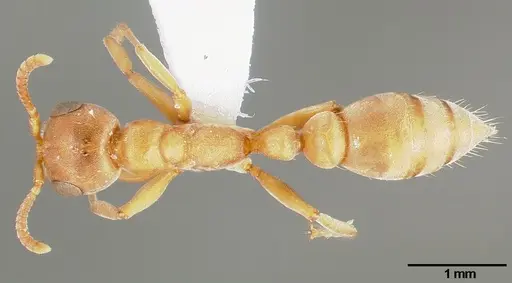
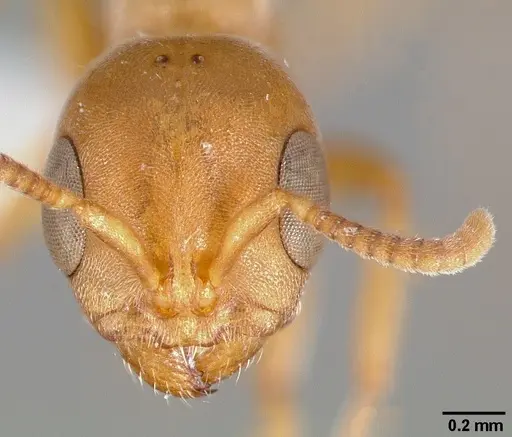
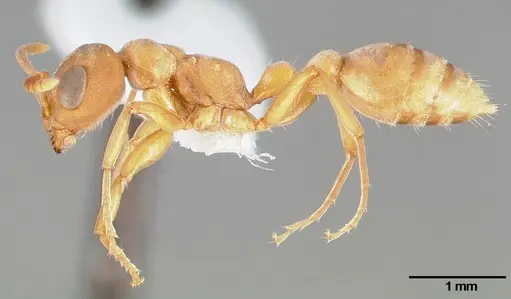
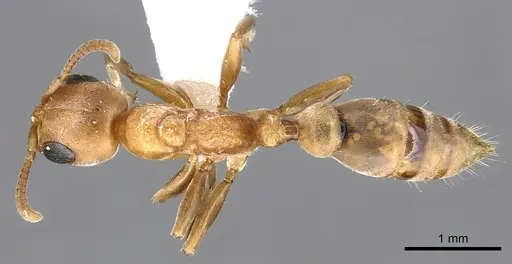
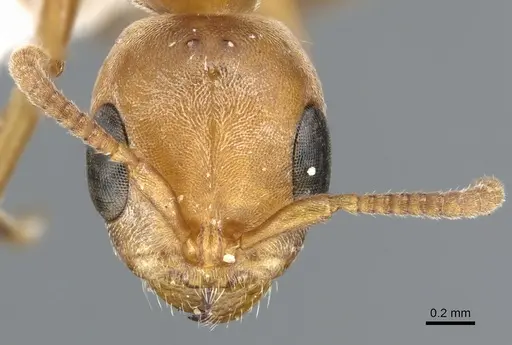
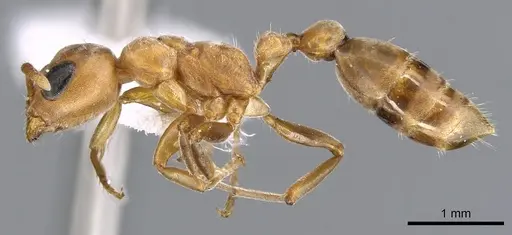
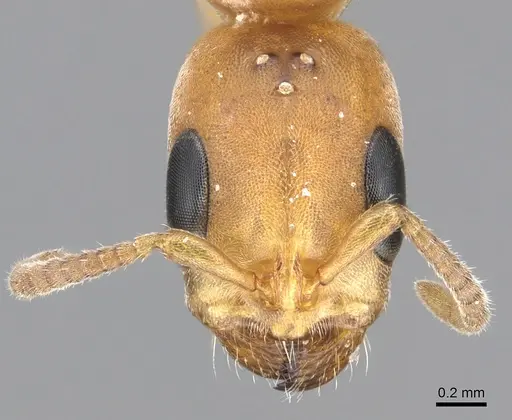
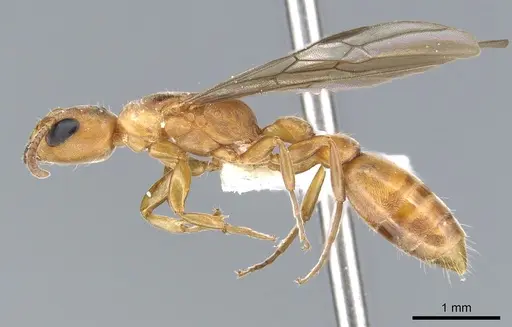
Pseudomyrmex janzeni is a small, slender ant measuring 0.93-1.03mm for workers and around 0.86mm for queens [1]. They have a distinctive uniform orange-brown coloration throughout their body, with a laterally rounded median clypeal lobe and dense suberect pubescence on the underside of the head [1]. This species belongs to the Pseudomyrmex ferrugineus group and is closely related to Pseudomyrmex ferrugineus, with which it shares many morphological characteristics [1]. Native to western Mexico, specifically found in Jalisco, Nayarit, and Sinaloa states, these ants are obligate inhabitants of Vachellia (formerly Acacia) tree domatia, the hollow cavities in the plant's swollen thorns [1][2].
Quick Summary
- Difficulty: Expert
- Origin & Habitat: Western Mexico, specifically Jalisco, Nayarit, and Sinaloa states. They are obligate mutualists of Vachellia (Acacia) trees, specifically nesting in the domatia (hollow swollen thorns) of these plants [1][2].
- Colony Type: Polygynous, colonies contain multiple queens living together in the host plant's domatia [1]. This is a key trait distinguishing them from some related species.
- Colony: Polygyne
- Size & Growth:
- Queen: Approximately 0.86 mm head width [1]. Signal: estimated from species description.
- Worker: 0.93-1.03 mm head width [1].
- Colony: Unknown for this specific species, but related acacia ants typically have colonies of several hundred workers [1]. Signal: estimated from genus patterns.
- Growth: Moderate, based on typical Pseudomyrmecinae development patterns. Signal: estimated.
- Development: Unknown, no specific development data exists for this species. Based on related Pseudomyrmex species and genus patterns, expect approximately 6-10 weeks at optimal temperature. Signal: inferred from genus.
- Antkeeping:
- Temperature: Keep at 24-28°C, these are tropical ants from western Mexico and need warm conditions [2]. A heating cable on one side of the nest creates a gradient. Signal: inferred from habitat.
- Humidity: High humidity is essential, they live inside plant domatia which maintain humid conditions. Keep the nest substrate consistently moist but not waterlogged. Mist occasionally and provide a water source. Signal: inferred from obligate plant association.
- Diapause: No, being tropical ants from western Mexico, they do not require hibernation. They remain active year-round in captivity if kept warm. Signal: inferred from tropical distribution.
- Nesting: These are specialized obligate mutualists. In captivity, they can be kept in test tubes or acrylic nests, but they benefit from having domatia-like structures or multiple connected chambers. Y-tong nests with narrow passages work well. Signal: inferred from natural nesting in plant thorns.
- Behavior: Pseudomyrmex janzeni is an aggressive, defensive ant species, a trait shared with other acacia ants. They are obligate mutualists that protect their host Vachellia trees from herbivores and competing plants [2]. Workers are highly active and will readily attack threats. They have a potent sting for their small size. Escape prevention is critical due to their small size, use fine mesh and tight-fitting barriers. They are diurnal and forage actively during daylight hours. Signal: inferred from related species behavior.
- Common Issues: specialized habitat requirements make them difficult to keep, they are obligate plant mutualists, escape prevention is critical due to tiny worker size of under 1mm, polygynous colonies may have queen conflicts during establishment if not introduced properly, they require live prey, these are predatory ants that need protein sources, lack of specific captive care information means keepers must adapt from related species
The Acacia Ant Relationship
Pseudomyrmex janzeni is part of one of the most famous mutualistic relationships in the ant world. These ants are obligate inhabitants of Vachellia (formerly Acacia) trees, specifically nesting in the hollow swollen thorns called domatia that the plant produces specifically for them [2]. The ants provide fierce protection to the tree, defending it against herbivores, insects, and even competing plants by attacking any threat and pruning nearby vegetation. In return, the tree provides housing (the domatia) and often food bodies called Beltian bodies that the ants can eat. This relationship is so specialized that the ants cannot survive without their host plant, and the plant suffers without its protective ants. In captivity, you cannot replicate this exact relationship, but you can provide appropriate housing that mimics the domatia structure, narrow, enclosed chambers that maintain humidity.
Housing and Nest Setup
Keeping Pseudomyrmex janzeni requires replicating their natural domatia environment as closely as possible. Test tubes with cotton barriers work as a basic setup, the narrow, enclosed space mimics the hollow thorns they naturally inhabit. Y-tong (acrylic) nests with small chambers are also suitable. The key is providing enclosed spaces rather than open foraging areas. These ants are very small (under 1mm), so escape prevention must be excellent, use fine mesh barriers and ensure all connections are sealed. A small outworld connected to the nest allows for feeding. Keep the nest area humid by maintaining moist substrate in the water section of test tubes or using a hydration system in acrylic nests. [1]
Feeding and Diet
Like other Pseudomyrmex species, P. janzeni is predatory and primarily hunts small insects. In captivity, offer small live prey such as fruit flies, pinhead crickets, and other tiny arthropods. They will likely accept protein-rich foods like crushed insects and may also tend aphids for honeydew. Sugar sources like honey water or sugar water may be accepted, but protein should form the primary diet. Feed small amounts every 2-3 days, removing uneaten prey after 24 hours to prevent mold. The polygynous colony structure means you may be able to keep multiple queens together, which can help with colony establishment. [1]
Temperature and Seasonal Care
As tropical ants from western Mexico, Pseudomyrmex janzeni requires warm temperatures year-round. Maintain nest temperatures between 24-28°C, with a slight gradient allowing workers to choose their preferred zone. A heating cable placed on one side of the nest can provide this warmth. Unlike temperate ants, they do not require hibernation or cooling periods. Keep them away from cold drafts and air conditioning. Room temperature in most homes may be too cold, you will likely need supplemental heating. Monitor colony activity, if workers become sluggish, increase temperature slightly. High humidity should be maintained alongside these warm temperatures. [2]
Colony Structure and Queens
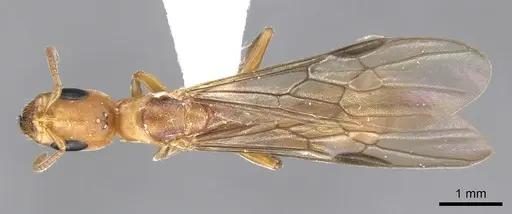
Pseudomyrmex janzeni is polygynous, meaning colonies naturally have multiple queens living and reproducing together [1]. This is unusual among many ant species and affects how you might establish a colony. In the wild, colonies occupy the domatia of a single Vachellia tree with multiple reproductive queens. If you obtain a colony, expect multiple queens to be present. When combining unrelated queens, introduce them carefully, while polygynous, unfamiliar queens may still conflict. The colony will produce new reproductives (alates) that can be reared for nuptial flights. Understanding this multi-queen structure is key to successful long-term keeping.
Frequently Asked Questions
Can I keep Pseudomyrmex janzeni in a test tube?
Yes, test tubes work well for keeping these ants. The narrow, enclosed space mimics their natural domatia habitat. Use a test tube setup with a water reservoir section and a cotton barrier, connecting a small outworld for feeding. Ensure excellent escape prevention, these ants are very small (under 1mm) and can squeeze through standard mesh.
How long until first workers in Pseudomyrmex janzeni?
The exact development timeline has not been documented for this species. Based on related Pseudomyrmex species, expect approximately 6-10 weeks from egg to first worker at optimal warm temperatures (24-28°C). claustral founding means the queen seals herself in and raises the first brood alone without foraging.
Do Pseudomyrmex janzeni ants sting?
Yes, these ants can sting. While small, they are aggressive defenders of their colony and host plant. The sting is not dangerous to humans but can cause mild irritation. Handle with care and use proper observation techniques.
Are Pseudomyrmex janzeni good for beginners?
No, this species is not recommended for beginners. They are obligate mutualists with specific habitat requirements, require warm tropical conditions, need live prey, and are difficult to establish in captivity. Their specialized relationship with Vachellia plants makes them challenging to keep long-term.
Can I keep multiple queens together?
Yes, Pseudomyrmex janzeni is naturally polygynous, colonies have multiple queens [1]. However, if combining unrelated foundresses, introduce them carefully. Established polygynous colonies typically accept multiple queens without conflict.
What do Pseudomyrmex janzeni eat?
They are predatory ants that primarily hunt small insects. Feed small live prey like fruit flies, pinhead crickets, and other tiny arthropods. They may accept sugar sources like honey water, but protein should form the main diet. Remove uneaten prey after 24 hours.
Do Pseudomyrmex janzeni need hibernation?
No, they do not require hibernation. These are tropical ants from western Mexico that remain active year-round when kept warm. Maintain temperatures of 24-28°C consistently.
Why are my Pseudomyrmex janzeni dying?
Common causes include: temperatures too cold (they need 24-28°C), low humidity, lack of protein prey, escape through tiny gaps due to their small size, or stress from improper introduction if combining queens. Ensure warm, humid conditions with appropriate live prey.
References

This caresheet is licensed under CC BY-SA 4.0 .
Literature
Loading...Loading products...