

Pseudomyrmex ita
- Scientific Name
- Pseudomyrmex ita
- Tribe
- Pseudomyrmecini
- Subfamily
- Pseudomyrmecinae
- Author
- Forel, 1906
- Distribution
- Found in 7 countries
Pseudomyrmex ita Overview
Pseudomyrmex ita is an ant species of the genus Pseudomyrmex. It is primarily documented in 7 countries , including Brazil, Colombia, Costa Rica. Detailed taxonomic data and occurrence records can be further explored via authoritative databases such as AntWeb or the Global Biodiversity Information Facility (GBIF).
Pseudomyrmex ita
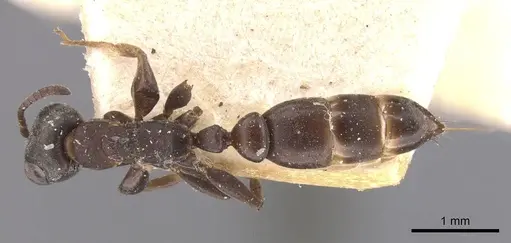
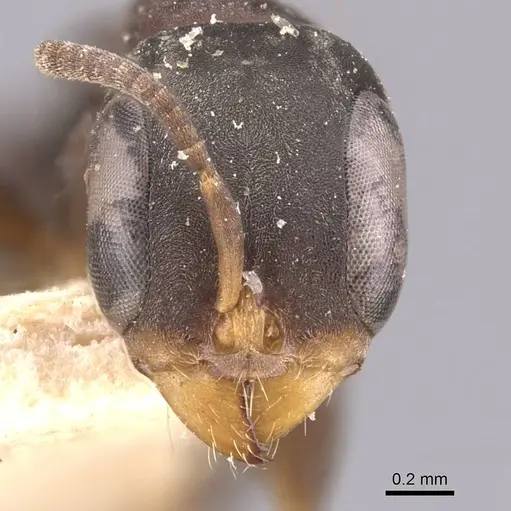
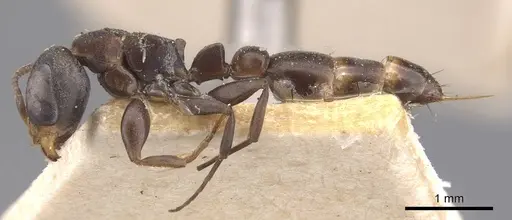
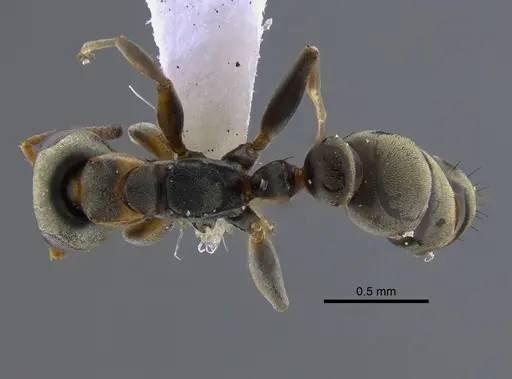
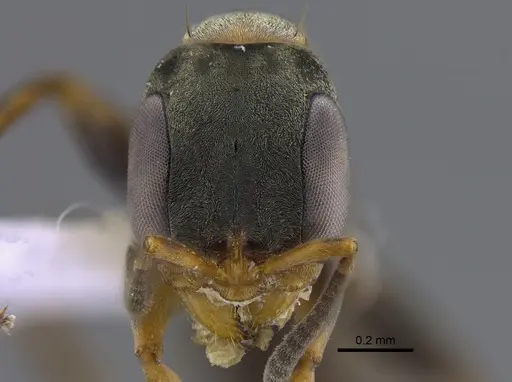
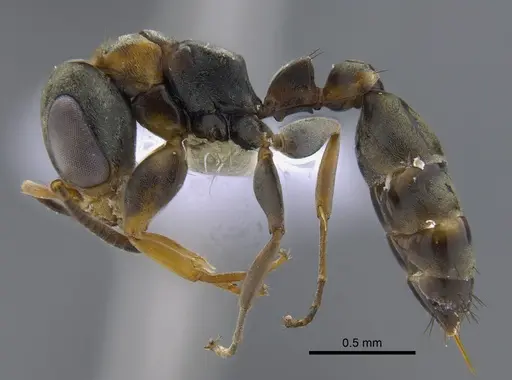
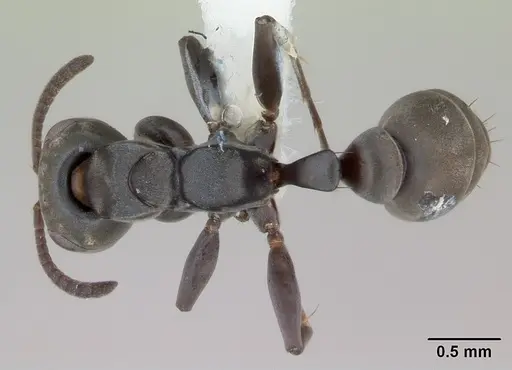
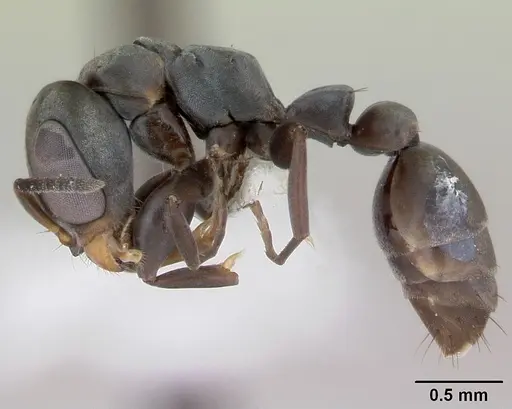
Pseudomyrmex ita is a small, slender arboreal ant native to the Neotropical region, ranging from Mexico down to Colombia. Workers measure 0.85-0.97mm in head width and have the characteristic large eyes and elongate head typical of the Pseudomyrmecinae subfamily. They are dark brown-black with lighter brown markings on the pronotum, petiole, and appendages. This species is a generalist twig-nester, meaning it colonizes dead twigs and branches of various woody plants rather than being tied to a specific host plant. Unlike some related species that have strict relationships with ant-plants, P. ita is opportunistic and has been occasionally found in hollow thorns of Acacia species and in the stems of Triplaris trees, but it does not require these plants to survive.
Quick Summary
- Difficulty: Medium
- Origin & Habitat: Neotropical region from Mexico to Colombia, including Belize, Costa Rica, El Salvador, Guatemala, Honduras, Nicaragua, Panama, Paraguay, and Brazil. Found in tropical dry forests and lowland rainforests, typically in arboreal habitats, nesting in dead twigs and branches of woody plants [1][2].
- Colony Type: Colony structure is unconfirmed. Based on related Pseudomyrmex species, likely single-queen (monogyne) colonies, but this has not been directly documented for this specific species.
- Size & Growth:
- Queen: Queens measure approximately 6-7mm based on related species in the genus [3]
- Worker: Workers are 0.85-0.97mm in head width (HW), with head lengths of 1.00-1.16mm [1]
- Colony: Colony size is unknown but likely moderate based on typical Pseudomyrmex patterns, probably several hundred workers at maturity
- Growth: Growth rate is unconfirmed but likely moderate like other Pseudomyrmex species
- Development: Estimated 6-8 weeks based on genus-level patterns for tropical Pseudomyrmex species (Development timeline has not been directly studied for this species. Estimates based on related species in the genus.)
- Antkeeping:
- Temperature: As a Neotropical species, keep them warm at 24-28°C. Room temperature (around 24°C) is likely suitable. Provide a gentle temperature gradient if possible so workers can self-regulate.
- Humidity: Moderate to high humidity (60-80%). These are arboreal ants from tropical environments, so they benefit from some moisture but need good ventilation to prevent mold in their twig nests.
- Diapause: No diapause required. As a tropical species, they do not need a winter rest period. Maintain consistent temperatures year-round.
- Nesting: Use a naturalistic setup with twigs or small diameter acrylic/plaster nests that mimic their natural twig-nesting habitat. They prefer narrow chambers that approximate the inside of dead twigs. Test tubes can work for founding colonies but may need to be positioned horizontally to encourage use.
- Behavior: These ants are arboreal and relatively active. They are generalist foragers that will search for food throughout their enclosure. Workers have functional stings and can deliver a painful sting if provoked, Pseudomyrmex ants are known for their defensive behavior. They are escape artists due to their small size, so use excellent escape prevention. They are not aggressive toward humans unless the nest is disturbed.
- Common Issues: escape prevention is critical, their small size means they can squeeze through tiny gaps, dry conditions will stress these tropical ants, monitor humidity carefully, wild-caught colonies may carry parasites that can decimate captive colonies, they may reject artificial nests if too spacious, twig-sized chambers work best, overfeeding can lead to mold in their narrow nesting cavities
Natural History and Nesting
Pseudomyrmex ita is a generalist twig-nesting ant that colonizes dead twigs and branches of various woody plants. Unlike some Pseudomyrmex species that have strict mutualistic relationships with specific ant-plants, P. ita is more flexible and has been found in various plant genera including Acacia, Triplaris, and Cordia. In the wild, they occupy hollow twigs ranging from a few centimeters to larger branches. The workers are small but active, with the large eyes characteristic of the subfamily helping them navigate the forest canopy. They are primarily arboreal, though they will forage at ground level when searching for food. This species has been recorded at elevations from sea level up to at least 900m in coffee-growing regions of Mexico. [1][2]
Housing and Nest Setup
For captive care, recreate their natural twig-nesting environment. Small acrylic nests with narrow chambers work well, or you can use a naturalistic setup with actual twigs/branches. The chambers should be appropriately sized for their small workers, avoid large, open spaces. If using test tubes, position them horizontally to better simulate a twig interior. Because they are arboreal, they benefit from vertical space and will often explore upward. Include some formicarium elements like small twigs or branches they can walk on. Escape prevention is essential, these tiny ants can slip through surprisingly small gaps. Use tight-fitting lids and consider fluon barriers on any rim edges.
Feeding and Diet
Like other Pseudomyrmex species, P. ita is likely a generalist feeder. Offer sugar sources such as honey water or sugar water regularly, these ants will readily accept sweet liquids. For protein, provide small insects like fruit flies, small crickets, or other appropriately-sized prey. Based on their arboreal foraging behavior in the wild, they likely supplement their diet with honeydew from aphids or scale insects if available. Feed small amounts initially and observe what they consume, adjusting based on colony preferences. Remove uneaten prey after 24-48 hours to prevent mold. [1][2]
Temperature and Seasonal Care
As a Neotropical species from Mexico down to Colombia, P. ita requires warm temperatures year-round. Aim for 24-28°C, with 26°C being an ideal target. They do not require any diapause or winter cooling period, maintaining consistent tropical conditions is key. Room temperature in most homes (around 24°C) should be suitable, but you may need to provide gentle heating in cooler climates. Use a heating cable on one side of the nest to create a slight temperature gradient, allowing workers to self-regulate. Avoid temperature drops below 22°C for extended periods. [1][2]
Behavior and Defense
Pseudomyrmex ants are known for their defensive stingers, and P. ita is no exception. Workers are capable of delivering a painful sting if they feel their nest is threatened. They are relatively active foragers and will explore their environment thoroughly. When keeping this species, minimize nest disturbances and work quietly around their enclosure. They are not aggressive toward keepers unless provoked, but they will defend vigorously if the nest is damaged or moved. Their small size also makes them excellent climbers, they can scale most smooth surfaces, so escape prevention is absolutely critical. [2]
Colony Establishment
When establishing a colony from a wild-caught queen or colony, take care to provide appropriate founding conditions. A claustral founding (queen seals herself in) is likely based on genus patterns, though this specific species has not been studied. Provide a small, dark chamber for the queen to found in, a small test tube or narrow acrylic section works well. Once workers emerge, they will need access to food and should begin foraging. Wild-caught colonies may carry parasites, so quarantine and observe carefully before introducing to any other ant collections. Colony growth is likely moderate, with the first nanitic workers being smaller than normal workers.
Frequently Asked Questions
Can I keep Pseudomyrmex ita in a test tube?
Yes, test tubes work for founding colonies. However, position them horizontally to better simulate their natural twig-nesting habitat. Once the colony grows, consider moving them to a small acrylic nest with appropriately sized chambers.
How long does it take for Pseudomyrmex ita to produce first workers?
The exact timeline is unconfirmed, but based on related Pseudomyrmex species, expect 6-8 weeks from egg to first worker at optimal temperature (around 26°C).
Do Pseudomyrmex ita ants sting?
Yes, they can sting and do deliver a painful sting when provoked. They are more defensive than some ant species, so minimize nest disturbances.
Are Pseudomyrmex ita good for beginners?
This species is rated as Medium difficulty. While not the hardest species, their small size, escape risk, and specific humidity needs make them better suited for keepers with some experience.
What do Pseudomyrmex ita eat?
They are generalist feeders. Offer sugar water or honey regularly, plus small insects like fruit flies or small crickets for protein. They will likely accept a variety of foods.
Do Pseudomyrmex ita need hibernation?
No, they do not require hibernation. As a tropical species, maintain warm temperatures year-round without any cooling period.
How big do Pseudomyrmex ita colonies get?
Colony size is not well documented, but based on related species, they likely reach several hundred workers at maturity. Growth is moderate.
When should I move Pseudomyrmex ita to a formicarium?
Move them when the test tube becomes crowded or the water reservoir is depleted. For this small species, a small acrylic nest with narrow chambers works well.
Why are my Pseudomyrmex ita dying?
Common causes include: dry conditions (they need moderate humidity), escapes due to inadequate barriers, stress from temperature fluctuations, or parasites from wild-caught colonies. Check humidity levels and escape prevention first.
Can I keep multiple Pseudomyrmex ita queens together?
This has not been documented for this species. Based on related Pseudomyrmex patterns, they are likely single-queen colonies. Combining unrelated queens is not recommended.
What temperature do Pseudomyrmex ita need?
Keep them at 24-28°C, with 26°C being ideal. They are tropical ants and need consistent warmth year-round.
Are Pseudomyrmex ita aggressive?
They are not aggressive toward humans unless the nest is disturbed, but they will defend their colony vigorously if threatened. Their sting is painful, so handle with care.
References

This caresheet is licensed under CC BY-SA 4.0 .
Literature
Loading...Loading products...