

Pseudomyrmex hesperius
- Scientific Name
- Pseudomyrmex hesperius
- Tribe
- Pseudomyrmecini
- Subfamily
- Pseudomyrmecinae
- Author
- Ward, 1993
- Distribution
- Found in 1 countries
Pseudomyrmex hesperius Overview
Pseudomyrmex hesperius is an ant species of the genus Pseudomyrmex. It is primarily documented in 1 countries , including Mexico. Detailed taxonomic data and occurrence records can be further explored via authoritative databases such as AntWeb or the Global Biodiversity Information Facility (GBIF).
Pseudomyrmex hesperius
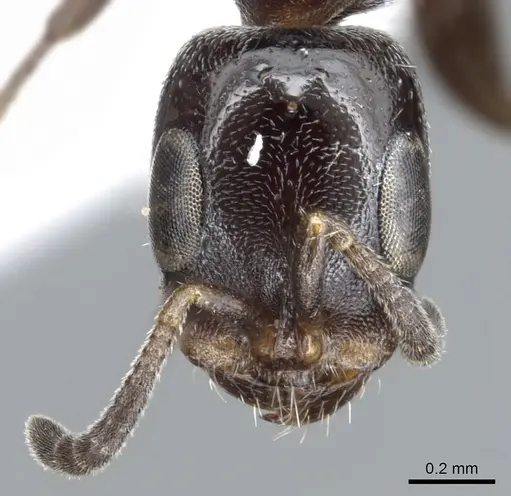
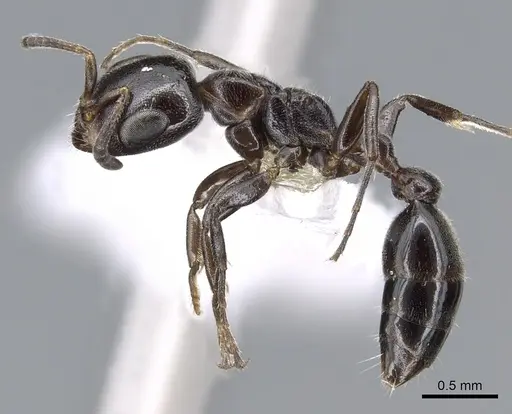
Pseudomyrmex hesperius is a small, slender ant native to the tropical regions of Sinaloa, Mexico. Workers measure just 0.78-0.85mm in head length with a distinctive dark brown coloration and short standing hairs across most of their body. Their head is elongate and subrectangular with relatively short eyes, and they have a short, broad petiole that attaches broadly to the propodeum. This species belongs to the Pseudomyrmecinae subfamily, known for their elongated, snake-like appearance.
Unlike some of its Pseudomyrmex relatives that live exclusively in acacia thorns, P. hesperius is not an obligate acacia inhabitant. The original type specimens were collected from Acacia hindsii, but other specimens have been found nesting in dead branches of non-acacia woody plants, showing this species is more flexible in its nesting preferences. This makes them somewhat unique among Pseudomyrmex, which are often specialized plant-dwelling ants.
Quick Summary
- Difficulty: Medium
- Origin & Habitat: Sinaloa, Mexico, specifically documented in Concordia municipality at 600m elevation in the Neotropical region. They nest in dead branches of woody plants, both in acacia and non-acacia vegetation [1][2][3].
- Colony Type: Colony structure is unconfirmed, the species has not been studied in detail for queen number or colony organization.
- Size & Growth:
- Queen: Not documented, queen measurements not available in the literature [2].
- Worker: Workers are small: HL 0.78-0.85mm, HW 0.65-0.69mm [2].
- Colony: Unknown, no colony size data is available in the research literature.
- Growth: Unknown, development timeline has not been studied for this species.
- Development: Unconfirmed, no direct development data exists. Based on typical Pseudomyrmex patterns from related species, expect 6-10 weeks at optimal temperature, but this is an estimate. (Development timeline is not directly studied. Related Pseudomyrmex species suggest several months from egg to worker.)
- Antkeeping:
- Temperature: Keep warm, around 24-28°C. Sinaloa is a tropical/subtropical region, so these ants prefer stable warm conditions. A gentle gradient allowing them to choose their preferred temperature works best.
- Humidity: Moderate to high humidity, they come from a tropical region with seasonal dry periods. Keep nest substrate moderately moist but allow some drying between waterings. Provide a water tube for drinking access.
- Diapause: Likely minimal or no true diapause, Sinaloa has mild winters rather than cold seasons. However, activity may slow during cooler months. Consider a slight reduction in temperature (not below 20°C) during winter rather than full hibernation.
- Nesting: Provide hollow twigs, dead branches, or test tube setups that mimic their natural nesting in woody stems. They accept various nest types including test tubes, Y-tong nests, and acrylic formicariums. Ensure nesting chambers are appropriately sized for their small worker size.
- Behavior: These ants are active foragers with an aggressive temperament typical of Pseudomyrmex. They are predatory and will readily hunt small insects. Workers are alert and defensive, they have good vision and will investigate disturbances quickly. Their small size (under 1mm) means escape prevention is important, they can squeeze through small gaps. They are diurnal and actively forage during daylight hours. Unlike some Pseudomyrmex that are strictly arboreal, P. hesperius will forage on the ground as well.
- Common Issues: small size makes escape prevention critical, use fine mesh and tight-fitting lids, limited documentation means care requirements are partly inferred from genus patterns, predatory nature requires consistent protein food sources, colony may struggle without live prey, humidity balance is important, too wet causes mold, too dry causes desiccation, aggressive temperament means handling disturbancs triggers defensive responses
Housing and Nest Setup
Pseudomyrmex hesperius can be housed in various setups that provide appropriate nesting space. Test tubes work well for founding colonies, simply insert a cotton-stoppered water reservoir and place the queen in a dark area. For established colonies, Y-tong (AAC) nests or acrylic formicariums with narrow chambers suit their small size. Because they naturally nest in hollow twigs and dead branches, you can also provide naturalistic setups with appropriately sized bamboo sections or wooden formicariums. Ensure all connections between the nest and outworld are secure, these tiny ants can escape through remarkably small gaps. A shallow water dish in the outworld prevents drowning and provides drinking access. [2][3]
Feeding and Diet
As predatory ants, P. hesperius needs a protein-rich diet to thrive. Offer small live prey such as fruit flies, pinhead crickets, small mealworms, and other appropriately sized insects. They will likely accept dead prey as well, especially if moved by air currents or placed near the foraging area. Sugar sources are also important, they can consume honey water, sugar water, or small drops of nectar substitutes. A balanced approach offers protein prey 2-3 times per week while keeping a sugar source constantly available. Remove uneaten prey after 24-48 hours to prevent mold. The small worker size means prey items should be appropriately scaled, very large prey may be ignored.
Temperature and Seasonal Care
Maintain temperatures in the 24-28°C range for optimal colony health. These ants come from Sinaloa, Mexico, which experiences warm temperatures year-round with seasonal variation in rainfall rather than extreme cold. A heating cable or mat on one side of the nest creates a temperature gradient allowing workers to self-regulate. During winter months (roughly November through February in the Northern Hemisphere), you can allow temperatures to drop slightly to around 20-22°C, but avoid cold temperatures below 18°C. This species does not require true hibernation but may show reduced activity during cooler periods. Monitor colony behavior, if workers become sluggish, slightly increase temperatures. [2]
Handling and Observation
Pseudomyrmex ants are known for their alertness and quick movements. Workers have good vision and will rapidly respond to disturbances near the nest or outworld. When observing them, avoid sudden vibrations or bright direct light that may trigger defensive responses. They are not aggressive toward humans but will bite if handled roughly or if the nest is threatened. Their small size makes them challenging to handle during colony transfers, use gentle techniques and allow them to walk onto surfaces rather than grabbing them. Their predatory nature makes feeding time particularly interesting to watch as workers rapidly subdue small prey.
Colony Development Expectations
Starting a colony from a queen requires patience, as specific development data does not exist for this species. Based on genus-level patterns, expect the queen to lay eggs within 1-2 weeks of founding if mated. Eggs develop through larval and pupal stages over several months before the first workers (nanitics) emerge. Initial colony growth is slow, the first batch of workers may take 2-4 months. Once the colony reaches 10-20 workers, growth typically accelerates. Maximum colony size is unknown but likely ranges from several dozen to a few hundred workers based on typical Pseudomyrmex colony sizes. Regular feeding and stable warm conditions are essential for healthy development.
Frequently Asked Questions
How long does it take for Pseudomyrmex hesperius to produce first workers?
The exact timeline is unconfirmed for this species, but based on typical Pseudomyrmex development, expect 2-4 months from egg to first worker at warm temperatures (around 26°C). Patience is essential as initial colony growth is slow.
Can I keep Pseudomyrmex hesperius in a test tube?
Yes, test tubes work well for founding colonies. Use a standard test tube setup with a water reservoir sealed by a cotton plug. Ensure the tube is in darkness and undisturbed during the founding phase.
What do Pseudomyrmex hesperius ants eat?
They are predatory ants that need protein from small live or dead insects (fruit flies, small mealworms, pinhead crickets). They also accept sugar sources like honey water or sugar water. Feed protein prey 2-3 times weekly with constant sugar water availability.
Do Pseudomyrmex hesperius ants sting?
As Pseudomyrmecinae ants, they have the capability to sting, though their small size means the sting is typically not painful to humans. They are more likely to bite if threatened. Their defensive response is quick but they are not considered dangerous.
Are Pseudomyrmex hesperius good for beginners?
This species is rated as Medium difficulty. While not the easiest species, they are manageable for intermediate antkeepers who understand basic predatory ant care requirements. The main challenges are their small size requiring good escape prevention and the need for consistent protein feeding.
Do Pseudomyrmex hesperius need hibernation?
No true hibernation is required. They come from Sinaloa, Mexico, which has mild winters. You can reduce temperatures slightly (to around 20-22°C) during winter months, but avoid cold temperatures below 18°C.
When should I move my colony to a formicarium?
Move to a larger nest setup when the test tube becomes crowded or the colony reaches around 30-50 workers. Pseudomyrmex prefer tight, enclosed spaces, so ensure the new nest has appropriately sized chambers for their small workers.
How big do Pseudomyrmex hesperius colonies get?
Maximum colony size is unknown for this specific species. Based on typical Pseudomyrmex patterns, colonies likely reach several dozen to a few hundred workers. Growth is relatively slow compared to some other ant genera.
Why are my Pseudomyrmex hesperius dying?
Common causes include: escape through small gaps (check all connections), insufficient protein in diet, improper humidity (too dry or too wet), temperatures outside their 24-28°C range, or stress from excessive disturbance. Review each parameter and make gradual adjustments.
Can I keep multiple Pseudomyrmex hesperius queens together?
Colony structure is unconfirmed for this species. Combining unrelated queens has not been documented and is not recommended. If you obtain a multi-queen colony, monitor closely for aggression and separate if needed.
References

This caresheet is licensed under CC BY-SA 4.0 .
CASENT0902908
View on AntWeb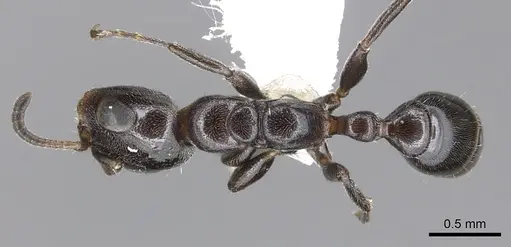
Literature
Loading...Loading products...