

Pseudomyrmex gebellii
- Scientific Name
- Pseudomyrmex gebellii
- Tribe
- Pseudomyrmecini
- Subfamily
- Pseudomyrmecinae
- Author
- Forel, 1899
- Distribution
- Found in 2 countries
Pseudomyrmex gebellii Overview
Pseudomyrmex gebellii is an ant species of the genus Pseudomyrmex. It is primarily documented in 2 countries , including Colombia, Panama. Detailed taxonomic data and occurrence records can be further explored via authoritative databases such as AntWeb or the Global Biodiversity Information Facility (GBIF).
Pseudomyrmex gebellii
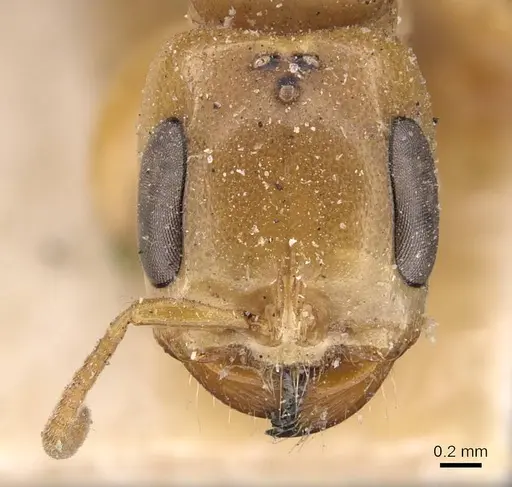
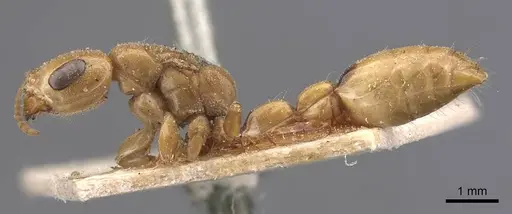
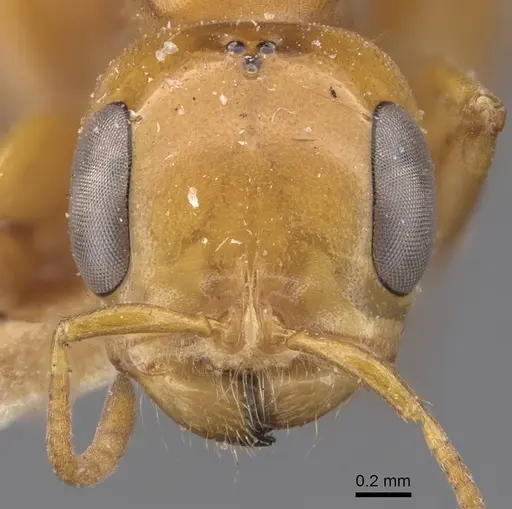
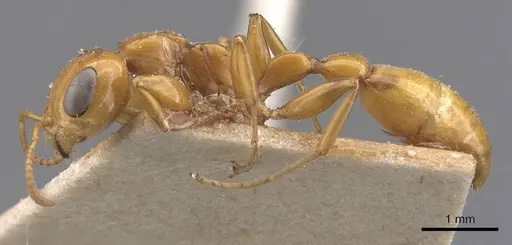
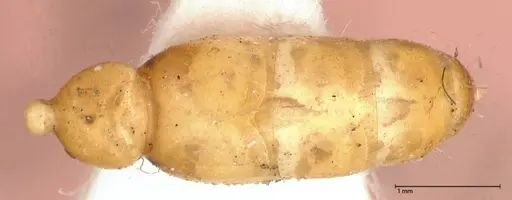
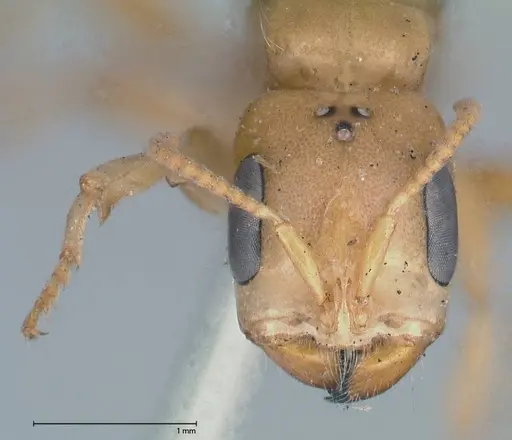
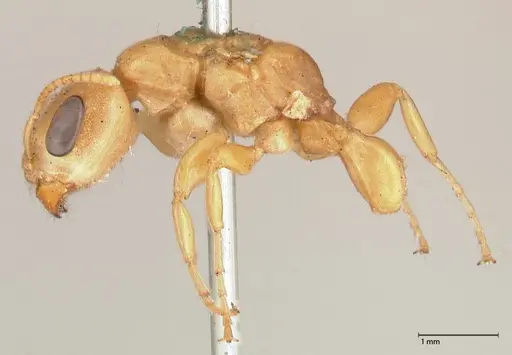
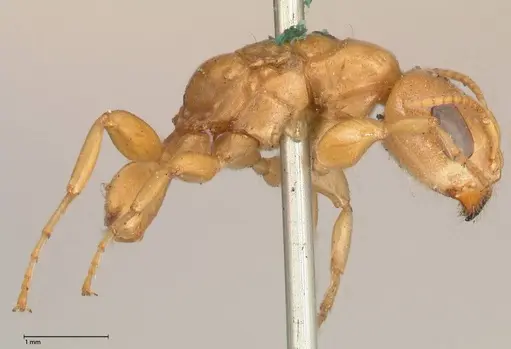
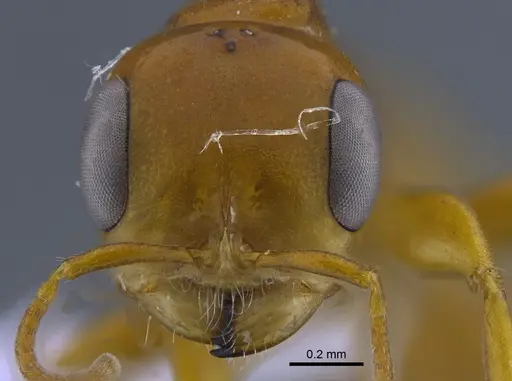
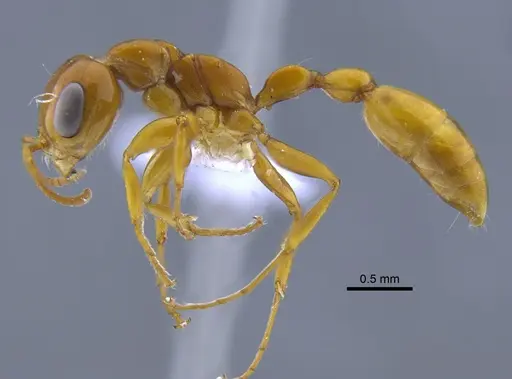
Pseudomyrmex gebellii is a large, bright orange ant species native to the Neotropical region of Colombia and Panama. These ants are easily recognized by their distinctive wide head and vivid orange coloration. They belong to the Pseudomyrmecinae subfamily and are arboreal by nature, typically nesting in the branches of various tropical trees and plants. Workers are relatively large and robust, making them a striking species in the antkeeping hobby. This species has been recorded across multiple Colombian departments at elevations ranging from 50 to 1,200 meters above sea level, indicating adaptability to different lowland tropical environments [1][2][3].
Unlike some specialized plant-ants, P. gebellii shows flexibility in its nesting preferences. While documented in association with mango trees (Mangifera indicum), acacia (Acacia mangium), and Triplaris trees, they are considered generalists that can inhabit various plant species rather than being strictly tied to one host [4][3]. This adaptability makes them an interesting species for keepers who want an arboreal ant that doesn't require specific plant hosting arrangements.
Quick Summary
- Difficulty: Medium
- Origin & Habitat: Native to Colombia and Panama in the Neotropical region. Found in lowland tropical areas at elevations from 50 to 1,200 meters above sea level. These ants are arboreal, nesting in tree branches and hollow stems rather than in ground nests [1][2][3].
- Colony Type: Colony structure is not fully documented in scientific literature. Based on genus patterns, likely monogyne (single queen) but polygyny (multiple queens) may be possible. Further research needed on exact colony structure.
- Size & Growth:
- Queen: Estimated 10-12mm based on genus patterns for large Pseudomyrmex species
- Worker: Large workers, HW 1.16-1.32mm [3]
- Colony: Unknown for this specific species, but Pseudomyrmex colonies typically reach several hundred to a few thousand workers
- Growth: Moderate, based on typical Pseudomyrmex development patterns
- Development: Estimated 6-10 weeks at optimal tropical temperatures based on genus-level data for related species (Development time is inferred from genus patterns since specific species data is not available. Warm temperatures (24-28°C) will accelerate development.)
- Antkeeping:
- Temperature: Keep at 24-28°C (warm tropical conditions). A slight temperature gradient is beneficial so ants can regulate their own exposure to warmth. Room temperature in most homes may be too cool, consider a heating cable on one side of the nest [3].
- Humidity: Moderate to high humidity (60-80%). As arboreal ants, they prefer humid conditions but need good ventilation to prevent mold. Mist occasionally and provide a water source.
- Diapause: No, these are tropical ants that do not require hibernation. They remain active year-round in captivity when kept warm.
- Nesting: Arboreal setup works best. Provide vertical spaces like bamboo, cork bark, or a vertical formicarium. They prefer nesting in hollow plant stems or similar enclosed vertical spaces. A naturalistic setup with branches and plants mimics their natural habitat.
- Behavior: These ants are active foragers with a moderate temperament. They are not particularly aggressive toward keepers but will defend their nest. Workers are large and can deliver a sting, so handle with care. They are escape artists due to their small size relative to their strength, ensure enclosures have tight-fitting lids. They forage individually rather than in massive trails, making them easier to observe. Their bright orange coloration makes them visually striking in any setup.
- Common Issues: tropical temperature requirements mean most homes need supplemental heating, arboreal nesting needs are different from typical ground-nesting ants, vertical spaces are essential, escape prevention requires tight lids and careful sealing of any gaps, limited availability in the antkeeping hobby since they are not commonly traded, wild-caught colonies may carry parasites that can cause problems in captivity
Housing and Nest Setup
Pseudomyrmex gebellii requires an arboreal setup that mimics their natural tree-dwelling lifestyle. Unlike most ant species kept in captivity, these ants prefer vertical nesting spaces rather than horizontal chambers. The best options include setups with bamboo sections, cork bark rolls, vertical acrylic nests, or naturalistic terrariums with branches and live or artificial plants. The nesting area should be enclosed and dark, simulating the hollow tree branches they naturally inhabit. Since they are tropical ants, the entire setup should be kept warm and humid. A small water tube or damp cotton ball provides drinking water, while occasional misting maintains humidity. Avoid deep substrate layers, these ants don't burrow in soil [3].
Feeding and Diet
In the wild, Pseudomyrmex species are generalist foragers that collect honeydew from aphids and scale insects, and hunt small insects. In captivity, offer a varied diet including sugar water or honey as an energy source, and protein sources like small crickets, mealworms, fruit flies, or other small insects. Since they are arboreal foragers, place food on elevated platforms or near their foraging trails rather than on the ground. Feed protein 2-3 times per week and keep sugar water available constantly. Remove uneaten prey after 24-48 hours to prevent mold. Some Pseudomyrmex species also accept fruit, so you can experiment with small pieces of ripe fruit occasionally.
Temperature and Seasonal Care
These are strict tropical ants that require warm conditions year-round. Maintain temperatures between 24-28°C with a slight gradient if possible. Temperatures below 22°C can slow their metabolism and reduce activity, while temperatures above 32°C may stress the colony. Unlike temperate species, they do not enter diapause or hibernation. Keep them away from air conditioning vents, drafts, and cool rooms. A small heating cable or mat placed on one side of the enclosure can help maintain optimal temperatures, but ensure there's a cooler area so ants can escape if they overheat. Consistent warmth is key to keeping them active and growing. [3]
Behavior and Handling
Pseudomyrmex gebellii workers are active and alert foragers. They are not overly aggressive but will sting if threatened or cornered. The sting is noticeable but not dangerous for healthy humans, those with insect allergies should exercise caution. Workers are relatively large and strong for their size, capable of squeezing through small gaps, so escape prevention is important. They do not form massive foraging trails like some ground-nesting species, instead, individual workers venture out to search for food. This makes them engaging to watch as they explore their environment. They are diurnal, being most active during daylight hours. When keeping them, avoid disturbing the nest excessively, as this can stress the colony.
Colony Development
A mature Pseudomyrmex gebellii colony likely reaches several hundred to a few thousand workers over several years. The queen is large and produces eggs steadily when well-fed and kept warm. First workers (nanitics) may be smaller than mature workers but will quickly be replaced by normal-sized workers as the colony grows. Growth rate depends heavily on temperature and feeding, warmer conditions and abundant protein accelerate development. Unlike some fast-growing species, these ants maintain moderate growth, which can be rewarding for keepers who enjoy observing gradual colony development. Patience is key, as full colony maturity may take 2-3 years.
Frequently Asked Questions
How long does it take for Pseudomyrmex gebellii to produce first workers?
Based on typical Pseudomyrmex development, expect first workers (nanitics) in about 6-10 weeks after the queen lays eggs, provided temperatures are kept warm (24-28°C). This timeline is estimated from genus-level data since specific species development has not been studied.
Can I keep Pseudomyrmex gebellii in a test tube setup?
Test tubes are not ideal for this species. They are arboreal ants that prefer vertical nesting spaces. A vertical formicarium, bamboo setup, or naturalistic terrarium with branches works much better. However, a test tube with a water reservoir can work temporarily for founding colonies if positioned vertically.
Do Pseudomyrmex gebellii ants sting?
Yes, they can sting. Workers are large enough to deliver a noticeable sting, though it is not dangerous for most people. Handle with care and avoid provoking them.
What temperature do Pseudomyrmex gebellii need?
Keep them warm at 24-28°C. These are tropical ants that do not tolerate cool temperatures. Room temperature alone is often too cold, supplemental heating is usually necessary.
Are Pseudomyrmex gebellii good for beginners?
They are considered intermediate difficulty. While not the hardest species, their arboreal nature and temperature requirements are different from common ground-nesting ants, so some antkeeping experience is helpful.
How big do Pseudomyrmex gebellii colonies get?
Colony size is not well-documented for this specific species, but Pseudomyrmex colonies typically reach several hundred to a few thousand workers over 2-3 years.
Do Pseudomyrmex gebellii need hibernation?
No, they do not hibernate. These are tropical ants that remain active year-round when kept warm. Do not attempt to cool them down for winter.
What do Pseudomyrmex gebellii eat?
They are generalists. Offer sugar water or honey for energy, and protein sources like small insects (crickets, mealworms, fruit flies). They may also accept small fruit pieces.
Can I keep multiple Pseudomyrmex gebellii queens together?
This has not been documented for this species. Based on typical Pseudomyrmex behavior, they likely form single-queen colonies. It is not recommended to house multiple unrelated queens together as they may fight.
Why is my Pseudomyrmex gebellii colony not growing?
Check temperature first, they need 24-28°C for optimal development. Also ensure they have adequate protein food and sugar water. Low humidity or excessive disturbance can also stress colonies and slow growth.
References

This caresheet is licensed under CC BY-SA 4.0 .
CASENT0907541
View on AntWeb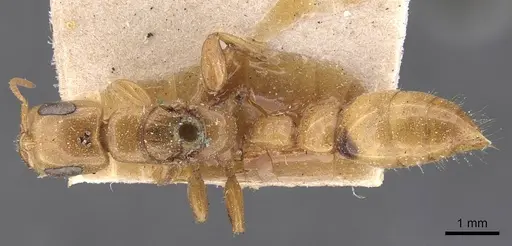
CASENT0907542
View on AntWeb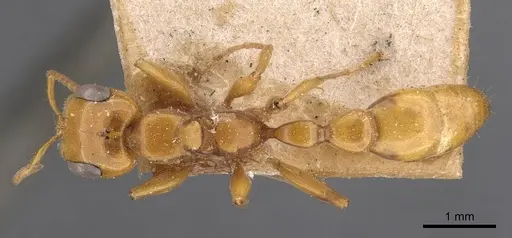
FOCOL0523
View on AntWeb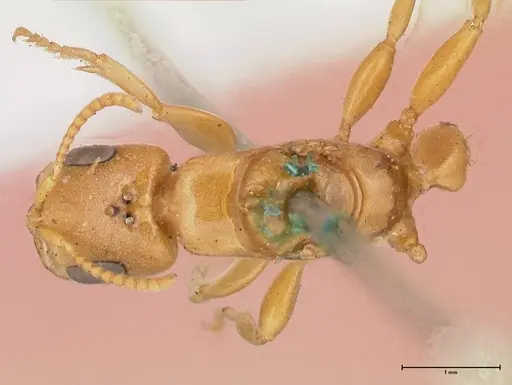
IAVH-E-247655
View on AntWeb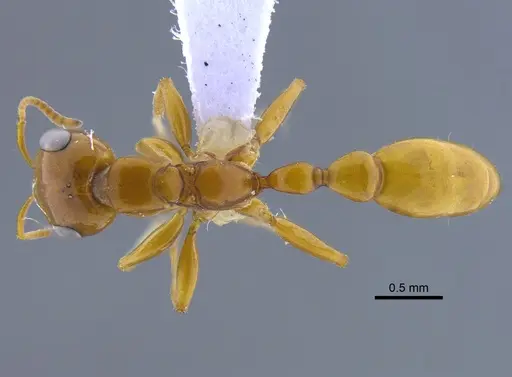
Literature
Loading...Loading products...