

Pseudomyrmex fervidus
- Scientific Name
- Pseudomyrmex fervidus
- Tribe
- Pseudomyrmecini
- Subfamily
- Pseudomyrmecinae
- Author
- Smith, 1877
- Distribution
- Found in 3 countries
Pseudomyrmex fervidus Overview
Pseudomyrmex fervidus is an ant species of the genus Pseudomyrmex. It is primarily documented in 3 countries , including Guatemala, Honduras, Mexico. Detailed taxonomic data and occurrence records can be further explored via authoritative databases such as AntWeb or the Global Biodiversity Information Facility (GBIF).
Pseudomyrmex fervidus
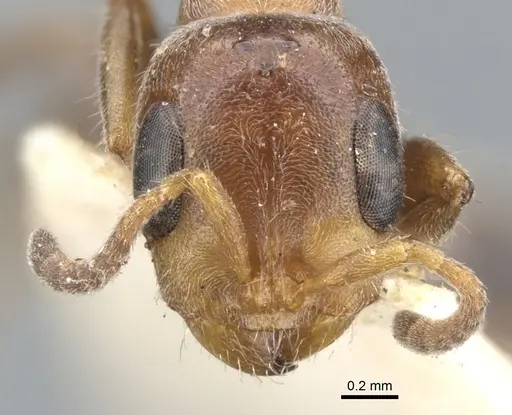
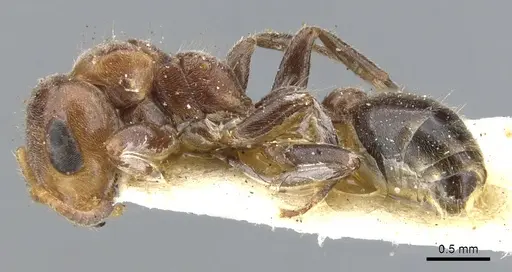
Pseudomyrmex fervidus is a slender, elongated ant species native to Mexico [1][2][3]. Workers are typically 4-6mm with a distinctive long, narrow body shape typical of the Pseudomyrmex genus, these ants are commonly called 'twig ants' because they naturally nest inside hollow plant stems and twigs. They have a reddish-brown to dark brown coloration with a relatively long petiole (the narrow 'waist' segment between thorax and abdomen). Queens are larger at 6-7mm and similarly elongated in body form. This species is known for its aggressive defensive behavior, when threatened, workers will readily attack and deliver a painful sting. In the wild, they nest in pre-existing cavities in dead twigs, hollow stems, or under bark, often in tropical dry forest and scrubland habitats.
Quick Summary
- Difficulty: Medium
- Origin & Habitat: Mexico [1][2][3], tropical and subtropical dry forest regions
- Colony Type: Likely single-queen (monogyne) colonies based on typical genus patterns
- Colony: Monogyne
- Founding: Claustral
- Size & Growth:
- Queen: 6-7mm (estimated based on genus morphology)
- Worker: 4-6mm (estimated based on genus morphology)
- Colony: Up to several hundred workers (estimated based on related species)
- Growth: Moderate
- Development: 6-10 weeks (estimated based on typical Pseudomyrmex development at warm temperatures) (Development is likely temperature-dependent, warmer conditions within their tolerance range will speed up development. First workers (nanitics) are typically smaller than mature workers.)
- Antkeeping:
- Temperature: Keep at 24-28°C, they are a warm-climate species from tropical Mexico. A heating cable on one side of the nest creates a suitable gradient
- Humidity: Moderate humidity around 50-70%. These are not high-humidity species like some tropical ants, they prefer drier nest conditions but need some moisture. Allow the nest substrate to dry slightly between water additions
- Diapause: Likely minimal or no true diapause given their tropical origin, they may show reduced activity during cooler periods but probably do not require hibernation
- Nesting: Provide narrow, vertical-oriented nest chambers that mimic their natural twig-nesting behavior. Y-tong (AAC) nests or acrylic nests with tight chambers work well. Avoid large open spaces, they prefer snug-fitting chambers scaled to their body size
- Behavior: Highly defensive and aggressive when their nest is disturbed. Workers will swarm out to attack threats and possess a functional stinger that delivers a painful sting, this is one of the more aggressive Pseudomyrmex species. They are fast-moving and alert. Escape prevention is important because they are active and will readily explore for exits, use fluon on container rims and ensure any gaps are sealed. They are primarily predatory and will hunt small insects.
- Common Issues: sting pain, this species has a painful sting and should be handled with caution, escape risk, active, fast-moving ants that will find any gap in containment, slow founding, claustral queens may take 6-10 weeks to produce first workers, and beginners often give up too early, colonies can be slow to grow, patience is required through the founding stage, test tube flooding can kill founding queens, use appropriate water reservoir size and keep tube level
Housing and Nest Setup
Pseudomyrmex ants are twig-nesting ants that prefer narrow, enclosed spaces that mimic their natural nesting sites in hollow stems and twigs. For captivity, Y-tong (AAC) nests work exceptionally well because they provide the tight, enclosed chambers these ants prefer. Acrylic nests with appropriately sized chambers are also suitable. Avoid large, open formicarium spaces, these ants feel exposed and may be more aggressive or stressed in overly spacious enclosures. Test tubes can work for founding colonies, but transfer to a proper nest once the colony reaches 15-20 workers. The nest should have a small water chamber to maintain humidity, but avoid excessive moisture, these are not wetland ants. A thin layer of substrate at the bottom of the outworld helps with traction.
Feeding and Diet
Pseudomyrmex fervidus is primarily predatory, hunting small insects and arthropods in nature. In captivity, offer small live prey such as fruit flies, small crickets, mealworms, and other appropriately sized insects. They typically accept protein-rich foods readily. Sugar sources like honey or sugar water may be accepted but are not a primary dietary need for this genus, they are more carnivorous than some other ant species. Feed protein prey 2-3 times per week, removing any uneaten prey after 24 hours to prevent mold. Fresh water should always be available.
Temperature and Heating
As a species from tropical Mexico, Pseudomyrmex fervidus requires warm conditions to thrive. Maintain nest temperatures between 24-28°C. Room temperature may be insufficient depending on your climate, a small heating cable or heating mat placed on part of the nest can provide the necessary warmth. Place heating on top of the nest to avoid evaporating the water reservoir too quickly. Create a temperature gradient so the ants can self-regulate by moving between warmer and cooler areas. Do not exceed 32°C as this can be harmful. Cooler temperatures will slow development and may stress the colony.
Behavior and Defense
This is one of the more aggressive Pseudomyrmex species and should be handled with significant caution. Workers are highly territorial and will aggressively defend their nest against any perceived threat. They possess a functional stinger and will not hesitate to use it, the sting is reported to be quite painful, comparable to a wasp sting. When working with this species, use minimal smoke or disturbance, and consider using long-handled tools rather than your hands near the nest. They are fast-moving and alert, constantly patrolling their territory. This aggression makes them fascinating to observe but requires careful handling.
Colony Founding and Development
Queens are claustral, they seal themselves inside a chamber and raise their first brood without leaving to forage, surviving entirely on stored fat reserves. The founding process typically takes 6-10 weeks at optimal temperatures before the first workers (nanitics) emerge. Nanitics are usually smaller than mature workers but will immediately begin helping with colony tasks. Growth is moderate, expect several months to reach 30-50 workers, and potentially a year or more to reach larger colony sizes. Patience is essential during the founding stage as many beginners mistakenly believe their queen has died when she is simply taking longer than expected. Do not disturb the founding chamber unnecessarily.
Frequently Asked Questions
Does Pseudomyrmex fervidus sting?
Yes, this species has a painful sting. Workers are highly defensive and will readily sting if they perceive a threat to their nest. The sting is reported to be quite painful, similar to a wasp sting. Handle with caution.
How long does it take for Pseudomyrmex fervidus to produce first workers?
At optimal temperatures (24-28°C), expect 6-10 weeks from egg to first worker. The exact timing depends on temperature, warmer conditions speed development while cooler temperatures slow it down.
What do Pseudomyrmex fervidus ants eat?
They are primarily predatory and need small live insects such as fruit flies, small crickets, and mealworms. They may accept sugar sources like honey water but protein prey should be their main food source.
Are Pseudomyrmex fervidus good for beginners?
This species is rated as Medium difficulty. While they are fascinating to watch, their aggressive defensive behavior and painful sting make them better suited for keepers with some experience. Their sting and escape risk require careful handling.
What temperature do Pseudomyrmex fervidus ants need?
Keep them warm at 24-28°C. They are a tropical species from Mexico and need consistent warmth for healthy brood development. A heating cable or mat can help maintain appropriate temperatures.
Can I keep multiple Pseudomyrmex fervidus queens together?
This species is likely monogyne (single-queen colonies). Combining unrelated queens is not recommended as they will likely fight. Only keep one queen per colony.
What size colony does Pseudomyrmex fervidus reach?
Colony size is estimated at several hundred workers based on related species. They are not among the largest ant species but can form moderately sized colonies over 1-2 years.
Do Pseudomyrmex fervidus need hibernation?
Probably not, as a tropical species from Mexico, they likely do not require a true diapause period. They may show reduced activity during cooler periods but do not need hibernation temperatures.
What nest type is best for Pseudomyrmex fervidus?
Y-tong (AAC) nests or acrylic nests with narrow, tight-fitting chambers work best. These ants naturally nest in hollow twigs and prefer snug chambers over large open spaces.
Why are my Pseudomyrmex fervidus dying?
Common causes include: excessive moisture (they prefer drier nest conditions), temperatures outside their 24-28°C range, disturbance during founding, or escape/stress from improper containment. Check that your setup matches their dry-forest twig-nesting preferences.
References

This caresheet is licensed under CC BY-SA 4.0 .
CASENT0902922
View on AntWeb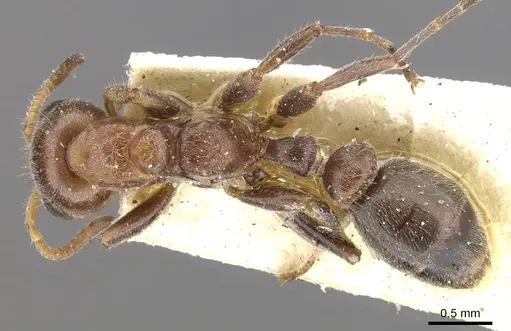
Literature
Loading...Loading products...