

Pseudomyrmex fasciatus
- Scientific Name
- Pseudomyrmex fasciatus
- Tribe
- Pseudomyrmecini
- Subfamily
- Pseudomyrmecinae
- Author
- Ward & Branstetter, 2022
- Distribution
- Found in 5 countries
Pseudomyrmex fasciatus Overview
Pseudomyrmex fasciatus is an ant species of the genus Pseudomyrmex. It is primarily documented in 5 countries , including Costa Rica, Guatemala, Honduras. Detailed taxonomic data and occurrence records can be further explored via authoritative databases such as AntWeb or the Global Biodiversity Information Facility (GBIF).
Pseudomyrmex fasciatus
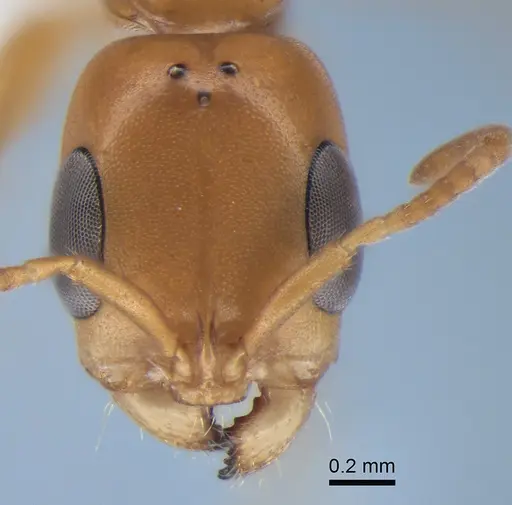
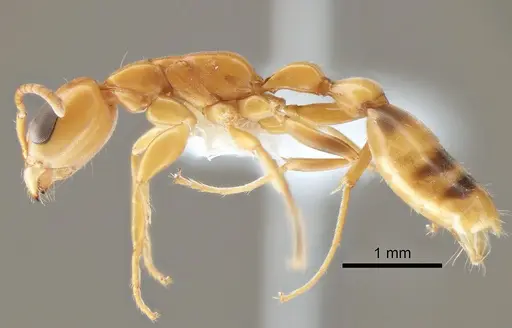
Pseudomyrmex fasciatus is a small to medium-sized ant native to the Mesoamerican region, ranging from Chiapas, Mexico down to Costa Rica. Workers measure 0.84-0.94mm in head width and feature a moderately elongate head with notably large eyes. Their coloration is distinctive: light yellow to orange-brown body with dark brown patches on the first abdominal segment and conspicuous transverse bands on the second and third abdominal segments. This species nests exclusively in dead twigs of vines and orchids, particularly Oncidium and Epidendrum species, making them specialized cavity-nesters. They inhabit montane forests at elevations between 750-1,600 meters, with most records around 1,115m [1].
Quick Summary
- Difficulty: Medium
- Origin & Habitat: Mesoamerica: Chiapas (Mexico) through Costa Rica, including Guatemala, Honduras, and Nicaragua. Found in montane rainforest edges, montane wet forest, montane moist forest, and second-growth forest edges at elevations of 750-1,600m [1].
- Colony Type: Colony structure is unconfirmed. Based on typical Pseudomyrmex patterns, likely single-queen colonies.
- Size & Growth:
- Queen: Unconfirmed, related species suggest 5-7mm
- Worker: 0.84-0.94mm head width [1]
- Colony: Unknown, likely small to moderate based on twig-nesting habit
- Growth: Moderate, estimated based on related species
- Development: Estimated 6-10 weeks based on genus patterns (Development timeline is not directly studied, estimates based on typical Pseudomyrmex development at optimal temperatures)
- Antkeeping:
- Temperature: Keep at 20-24°C. Their montane habitat (750-1,600m elevation) indicates they prefer cooler conditions than typical tropical ants. A gentle temperature gradient allows workers to regulate their exposure [1].
- Humidity: Moderate to high, aim for 60-75%. Their montane forest habitat experiences regular moisture. Keep nest substrate consistently damp but not waterlogged.
- Diapause: Likely yes, montane species from higher elevations typically require a winter rest period. Reduce temperature to 15-18°C for 2-3 months during winter months.
- Nesting: These ants naturally nest in dead twigs and hollow plant stems. In captivity, they do well in small acrylic nests, Y-tong nests, or naturalistic setups with twigs/branches. Chambers should be appropriately sized for their small worker size.
- Behavior: Workers are active foragers, likely hunting small invertebrates and tending honeydew-producing insects. Their large eyes suggest active visual foraging. They are not aggressive toward keepers but may defend their nest if threatened. Escape prevention is important due to their small size, use fine mesh barriers. Workers are relatively fast-moving and alert.
- Common Issues: small size means escapes are likely without fine mesh barriers, montane origin means they may struggle in warm, dry indoor environments, colony size remains small, don't expect massive worker populations, winter dormancy is often required but timing can be tricky for beginners, wild-caught colonies may arrive with parasites or fail to adapt to captivity
Natural History and Distribution
Pseudomyrmex fasciatus is a Mesoamerican species found from Chiapas, Mexico southward through Guatemala, Honduras, Nicaragua, and into Costa Rica. They inhabit montane forests at elevations between 750 and 1,600 meters, with most records clustering around 1,115 meters. Their preferred habitats include montane rainforest edges, montane wet forest, montane moist forest, and second-growth forest edges. This elevation preference is significant for antkeepers, it means these ants are adapted to cooler, more temperate conditions than many tropical lowland species. The species was formally described in 2022 and is phylogenetically sister to Pseudomyrmex cognatus, though they are quite different in appearance with P. cognatus being brown to brownish-black [1].
Nest Preferences and Housing
In the wild, Pseudomyrmex fasciatus nests exclusively in dead twigs of various woody plants, including vines and orchids. They've been documented nesting in Oncidium wentworthianum and Epidendrum atropurpurium, both orchid species. This specialized nesting habit means they need tight, appropriately-sized cavities in captivity. Small acrylic nests or Y-tong nests with narrow chambers work well. The chambers should be scaled to their tiny worker size (under 1mm). A naturalistic setup with actual twigs or small branches can also work, though it makes observation more difficult. Keep the nest humid but ensure adequate ventilation to prevent mold. The nest material should remain consistently moist but never waterlogged [1].
Temperature and Seasonal Care
Because these ants come from montane habitats at higher elevations, they prefer cooler temperatures than typical tropical ants. Keep the nest area at 20-24°C, with a slight gradient allowing workers to move between warmer and cooler areas. A heating cable on one side of the nest can create this gradient, place it on top of the nest to warm the area gently without drying it out. During winter, plan for a dormancy period of 2-3 months when you should reduce temperatures to 15-18°C. This mimics their natural seasonal cycle at higher elevations. Reduce feeding during this period and allow the colony to slow down. Do not attempt to keep them active year-round without a winter rest, this can stress the colony and shorten the queen's lifespan [1].
Feeding and Diet
Pseudomyrmex ants are typically predatory and omnivorous, feeding on small invertebrates and honeydew. In captivity, offer a varied diet including small live prey (fruit flies, pinhead crickets, small mealworms) and sugar sources (honey water, sugar water). They likely forage actively during the day given their large eyes, so observe their activity patterns to determine optimal feeding times. Feed protein prey 2-3 times per week and keep a sugar source available constantly. Remove uneaten prey after 24-48 hours to prevent mold. Fresh water should always be available. Start with modest portions, small colonies don't need large quantities of food [1].
Behavior and Colony Dynamics
Workers of Pseudomyrmex fasciatus are relatively small (under 1mm head width) but active and alert. Their relatively large eyes suggest they may rely more on visual cues than some other ant species. They are likely to be defensive of their nest but not particularly aggressive toward keepers. Colonies are probably small to moderate in size given their twig-nesting habit, don't expect the massive worker populations seen in ground-nesting species. Workers will forage actively throughout the nest, and you may observe them tending to the queen and brood. The colony will expand gradually, with the queen producing workers continuously once established. Escape prevention is important due to their small size, use fine mesh on any openings and check regularly [1].
Frequently Asked Questions
How long does it take for Pseudomyrmex fasciatus to produce first workers?
The exact timeline is unconfirmed, but based on typical Pseudomyrmex genus patterns, expect 6-10 weeks from egg to first worker at optimal temperatures around 22°C. Growth is moderate, don't expect rapid expansion. The queen will remain sealed in her founding chamber until the first workers emerge.
What temperature do Pseudomyrmex fasciatus ants need?
Keep them at 20-24°C. Their montane origin (750-1,600m elevation) means they prefer cooler conditions than typical tropical ants. A temperature gradient allowing workers to choose their preferred warmth level is ideal.
Can I keep Pseudomyrmex fasciatus in a test tube?
Yes, test tubes work well for founding colonies. Use a small diameter tube appropriate for their tiny size, and keep the water reservoir modest to prevent flooding. Once the colony reaches 15-20 workers, consider moving to a small acrylic or Y-tong nest with appropriately-sized chambers.
Do Pseudomyrmex fasciatus ants need hibernation?
Yes, likely required. As a montane species from higher elevations, they probably need a winter rest period of 2-3 months with reduced temperatures (15-18°C). This mimics their natural seasonal cycle and helps maintain colony health long-term.
What do Pseudomyrmex fasciatus eat?
They likely accept small live prey (fruit flies, small crickets, micro-arthropods) and sugar sources (honey water, sugar water). Feed protein 2-3 times weekly with sugar constantly available. This matches their likely predatory/omnivorous diet based on genus behavior.
Are Pseudomyrmex fasciatus good for beginners?
They are rated as Medium difficulty. Their small size and specific temperature requirements (cooler than typical tropical ants) make them better suited for keepers with some experience. The need for winter dormancy adds complexity that beginners should be prepared for.
How big do Pseudomyrmex fasciatus colonies get?
Colony size is not well documented, but based on their twig-nesting habit, colonies likely remain small to moderate, probably under 500 workers. They are not a large, fast-spreading species. Growth is gradual over months and years.
Do Pseudomyrmex fasciatus ants sting?
Most Pseudomyrmex species can sting, though their small size means the sting is typically mild to humans. They are not considered dangerous but may use their sting if the nest is threatened. Handle gently and avoid provoking defensive responses.
Why are my Pseudomyrmex fasciatus dying?
Common causes include: temperatures too warm (they prefer cooler conditions), low humidity, lack of winter dormancy, or parasites from wild-caught colonies. Ensure temperatures stay below 24°C, provide consistent moisture, and consider a winter rest period. Wild-caught colonies often carry parasites that can devastate captive colonies.
When should I move Pseudomyrmex fasciatus to a formicarium?
Move them once the colony reaches 15-20 workers and the test tube is becoming crowded. Choose a nest with chambers appropriately sized for their tiny workers, too-large chambers can stress the colony. Ensure the new nest maintains proper humidity.
References

This caresheet is licensed under CC BY-SA 4.0 .
CASENT0863540
View on AntWeb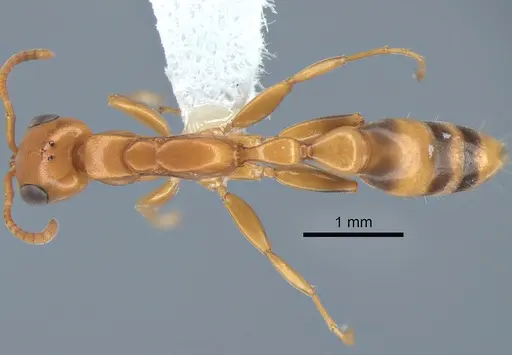
Literature
Loading...Loading products...