

Pseudomyrmex evitus
- Scientific Name
- Pseudomyrmex evitus
- Tribe
- Pseudomyrmecini
- Subfamily
- Pseudomyrmecinae
- Author
- Ward, 2017
- Distribution
- Found in 3 countries
Pseudomyrmex evitus Overview
Pseudomyrmex evitus is an ant species of the genus Pseudomyrmex. It is primarily documented in 3 countries , including Costa Rica, Guatemala, Mexico. Detailed taxonomic data and occurrence records can be further explored via authoritative databases such as AntWeb or the Global Biodiversity Information Facility (GBIF).
Pseudomyrmex evitus
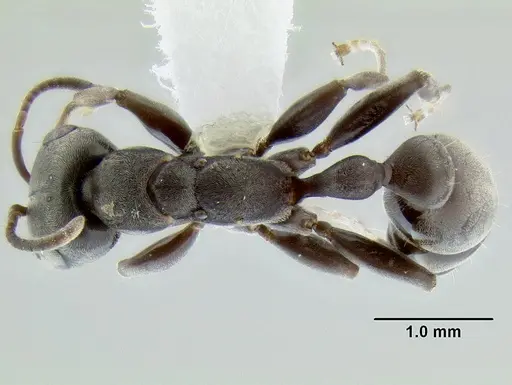
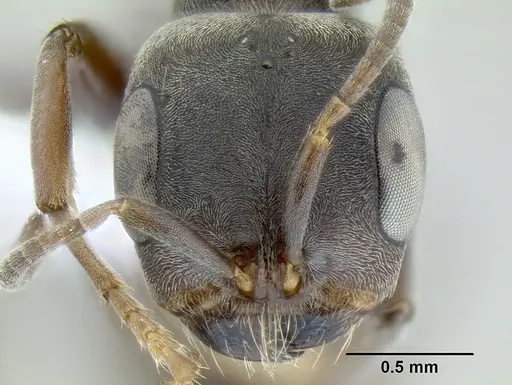
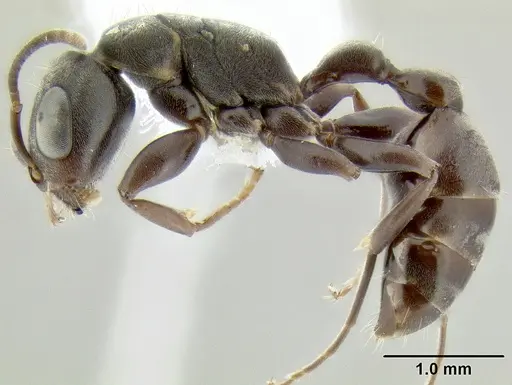
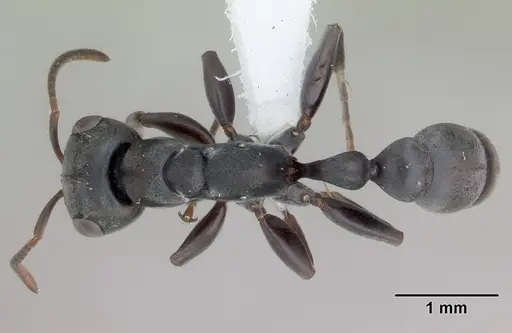
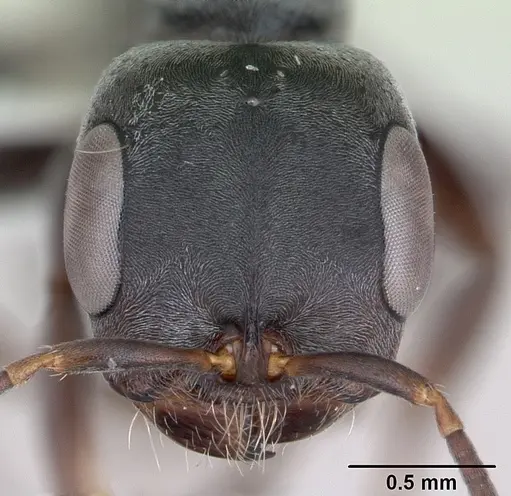
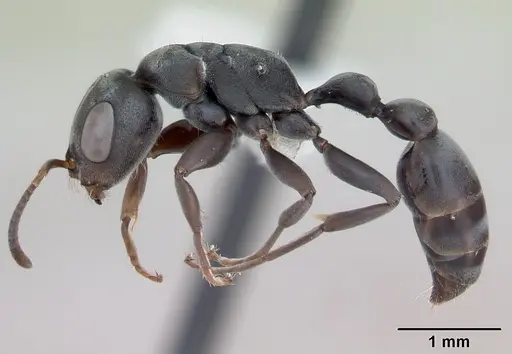
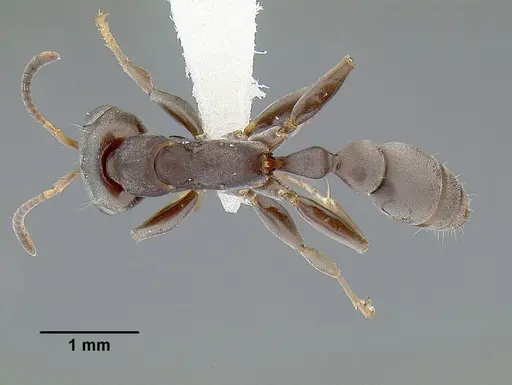
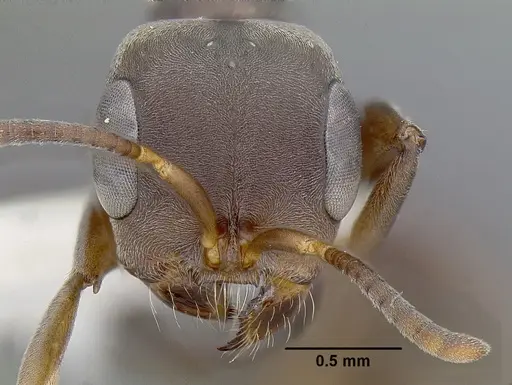
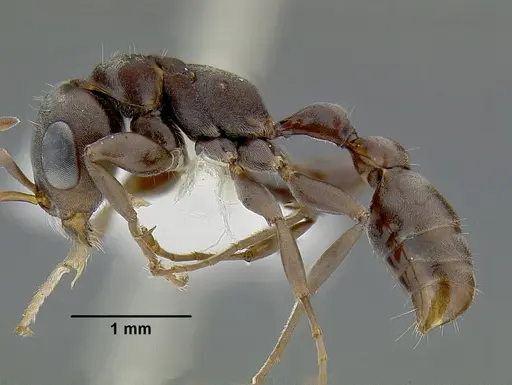
Pseudomyrmex evitus is a medium-sized ant measuring 1.15-1.28mm in head width, native to the Neotropical region from southern Mexico to Costa Rica [1]. Workers have a distinctive appearance with a broad head (wider than long), elongated eyes, and dense punctulate sculpture that gives their body a dull, opaque finish. They are dark brownish-black with medium-brown appendages [1]. This species inhabits tropical moist forests, lowland rainforests, and montane rainforests at elevations between 50-1170 meters, where they nest opportunistically in dead twigs [1][2]. Unlike their famous acacia-ant relatives (Pseudomyrmex ferrugineus group), P. evitus has a timid, non-aggressive disposition and does not form mutualistic associations with plants [1][2].
Quick Summary
- Difficulty: Medium
- Origin & Habitat: Neotropical region: southern Mexico through Guatemala, Honduras, Belize to Costa Rica. Found in tropical moist forest, lowland rainforest, lowland rainforest edge, and montane rainforest at elevations 50-1170m [1][2].
- Colony Type: Colony structure is not well documented. As a dead twig-nesting generalist, colonies are likely small to moderate in size, similar to other Pseudomyrmex species in the ferrugineus group. Single-queen colonies are probable but not confirmed.
- Founding: Claustral
- Size & Growth:
- Queen: Not documented in available literature, related species in the genus typically range 6-10mm
- Worker: 1.15-1.28mm head width (HW),1.13-1.25mm head length (HL) [1]
- Colony: Likely under 500 workers based on dead twig nesting habits typical of the genus [2]
- Growth: Moderate, inferred from related Pseudomyrmex species
- Development: 6-10 weeks estimated based on related tropical Pseudomyrmex species (Development timeline is not directly studied for this species, estimate based on genus-level data for similar tropical ants)
- Antkeeping:
- Temperature: Keep at 24-28°C, these are tropical ants requiring warm conditions. A gentle gradient allowing workers to self-regulate is ideal.
- Humidity: High humidity (70-85%), think damp tropical forest floor. Keep the nest substrate consistently moist but not waterlogged.
- Diapause: No, being a tropical species from low latitudes, they do not require hibernation or winter dormancy [1][2]
- Nesting: In nature they nest in dead twigs, in captivity they do well in small wooden nests (Y-tong), acrylic nests with narrow chambers, or test tube setups with wood fragments. They prefer tight chambers scaled to their small size.
- Behavior: Timid and non-aggressive, workers have a shy disposition and are not defensive [1][2]. They are generalist foragers that search for food on the ground and tree trunks. Workers are small (around 1.2mm) so escape prevention is important, they can slip through small gaps. They are not stinging ants (Pseudomyrmecinae subfamily uses chemical defense rather than stingers).
- Common Issues: escape prevention is critical due to their very small size, use fine mesh and tight-fitting lids, tropical humidity requirements can lead to mold if ventilation is poor, timid behavior means they may be outcompeted by more aggressive ant species if housed in community setups, wild-caught colonies may have parasites that can devastate captive colonies, overheating is a risk, keep away from direct sunlight and strong heating elements
Housing and Nest Setup
Pseudomyrmex evitus is a small ant that nests in dead twigs in the wild, so they do well in setups that mimic these tight, woody cavities. Y-tong (AAC) nests with narrow chambers work well, as do small acrylic nests. You can also use test tubes with small wood fragments or cork inserts to simulate their natural twig nesting [1][2]. Because they are tiny (around 1.2mm), ensure all connections and barriers are tight, these ants can escape through surprisingly small gaps. A small outworld connected to the nest allows for feeding space. Keep the nest humid but provide some dry area in the outworld so ants can choose their preferred microclimate.
Temperature and Humidity
Being a tropical species from Mexico and Central America, P. evitus needs warm, humid conditions. Maintain temperatures between 24-28°C, avoid temperatures below 22°C or above 30°C. A heating cable on one side of the nest can create a gentle gradient, but never place the heating directly on the nest as it can cause drying and overheating. Humidity should be high, around 70-85%. The nest substrate should feel consistently damp but never waterlogged. Mist the nest occasionally and monitor for condensation, some condensation is good, but excessive moisture leads to mold. Good ventilation is essential to prevent stagnant air while maintaining humidity. [1][2]
Feeding and Diet
Like other Pseudomyrmex species, P. evitus is a generalist that forages for carbohydrates and protein. Offer sugar water, honey, or diluted maple syrup as a constant carbohydrate source. For protein, provide small live prey like fruit flies, pinhead crickets, small mealworms, or other tiny insects. Because they are timid and small, prey items should be appropriately sized, anything larger than they can handle will be ignored. Feed protein 2-3 times per week, and keep sugar sources available at all times. Remove uneaten prey after 24-48 hours to prevent mold. [1]
Behavior and Temperament
This species is known for its timid, non-aggressive disposition, quite different from the aggressive acacia-ant relatives in the same species group [1][2]. Workers are shy and will retreat from threats rather than attack. This makes them a peaceful colony to keep, but also means they may be bullied by more aggressive ant species if housed in community setups. They are generalist foragers that search for food on the ground and tree trunks in the wild. Workers are small (around 1.2mm) and while they are not known escape artists, their tiny size means they can slip through small gaps if escape prevention is not thorough.
Colony Development
P. evitus is not a fast-growing species. Based on related Pseudomyrmex species, expect 6-10 weeks from egg to first worker (nanitic) at optimal temperature. Colonies likely reach several hundred workers over time, living in small twig nests in the wild [2]. The queen is not documented in size but related species are 6-10mm. Founding queens seal themselves in (claustral founding) and raise their first brood alone, living off stored fat reserves. Be patient with colony growth, these are not rapid growers like some tropical ants.
Frequently Asked Questions
How long does it take for Pseudomyrmex evitus to get first workers?
Expect 6-10 weeks from egg to first worker at optimal temperature (24-28°C). This is based on related Pseudomyrmex species, as the exact development timeline has not been directly documented for P. evitus.
Can I keep Pseudomyrmex evitus in a test tube setup?
Yes, test tube setups work well for this species, especially for founding colonies. Add small wood fragments or cork to simulate their natural dead-twig nesting preference. Ensure the tube has excellent escape prevention as they are very small.
Do Pseudomyrmex evitus ants sting?
No, Pseudomyrmex ants belong to the Pseudomyrmecinae subfamily which uses chemical defense (spraying formic acid or defensive chemicals) rather than a functional stinger. They are not dangerous to humans.
Are Pseudomyrmex evitus good for beginners?
They are medium difficulty, more challenging than common temperate species but easier than some specialized tropical ants. Their humidity and temperature requirements are specific (tropical conditions), and their small size requires good escape prevention. Their timid nature makes them forgiving of minor care mistakes.
What do Pseudomyrmex evitus eat?
They are generalist feeders. Offer sugar water, honey, or maple syrup for carbohydrates, and small live prey like fruit flies, tiny crickets, or small mealworms for protein. Feed protein 2-3 times per week with sugar available constantly.
Do Pseudomyrmex evitus need hibernation?
No, they do not require hibernation. Being a tropical species from Mexico and Central America, they need warm conditions year-round. Maintain temperatures of 24-28°C throughout the year.
How big do Pseudomyrmex evitus colonies get?
Based on their dead-twig nesting habits, colonies likely reach several hundred workers. The exact maximum is not documented, but they are not among the largest Pseudomyrmex species.
Why are my Pseudomyrmex evitus dying?
Common causes include: temperature too low (keep above 22°C), humidity too low or too high (aim for 70-85% with good ventilation), escape through small gaps, or parasites from wild-caught colonies. Check that your setup provides proper tropical conditions and excellent escape prevention.
Can I keep multiple Pseudomyrmex evitus queens together?
Not recommended, combining unrelated queens of this species has not been documented. In the wild they nest as single queens in twigs. If you find multiple queens, house them separately to avoid conflict.
When should I move Pseudomyrmex evitus to a formicarium?
Wait until the colony has at least 20-30 workers and is actively foraging. For this small species, a test tube setup can house them for quite some time. Move them when the test tube becomes crowded or the water reservoir is depleted.
References

This caresheet is licensed under CC BY-SA 4.0 .
Literature
Loading...Loading products...