

Pseudomyrmex euryblemma
- Scientific Name
- Pseudomyrmex euryblemma
- Tribe
- Pseudomyrmecini
- Subfamily
- Pseudomyrmecinae
- Author
- Forel, 1899
- Distribution
- Found in 12 countries
Pseudomyrmex euryblemma Overview
Pseudomyrmex euryblemma is an ant species of the genus Pseudomyrmex. It is primarily documented in 12 countries , including Brazil, Colombia, Costa Rica. Detailed taxonomic data and occurrence records can be further explored via authoritative databases such as AntWeb or the Global Biodiversity Information Facility (GBIF).
Pseudomyrmex euryblemma
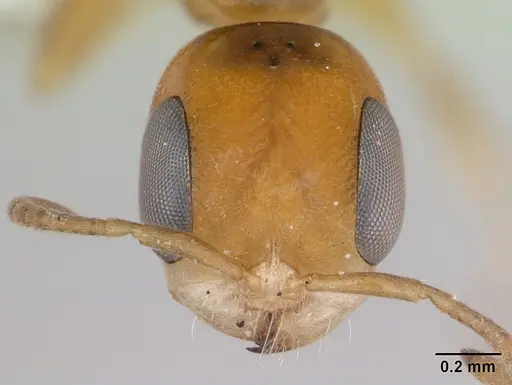
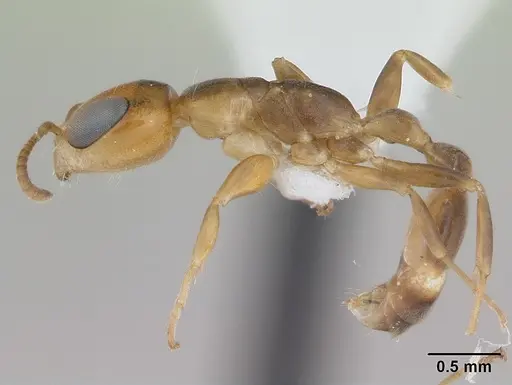
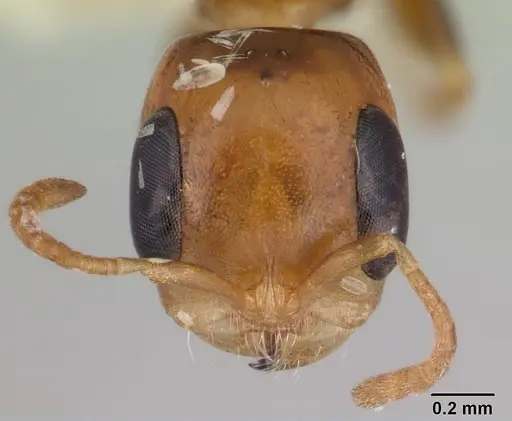
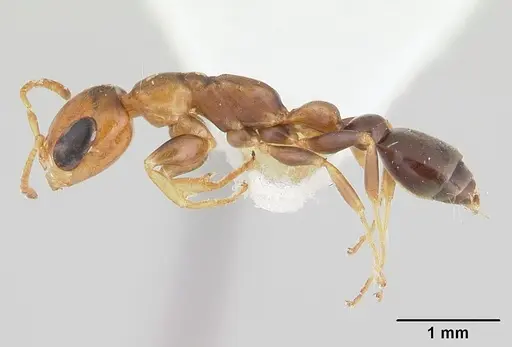
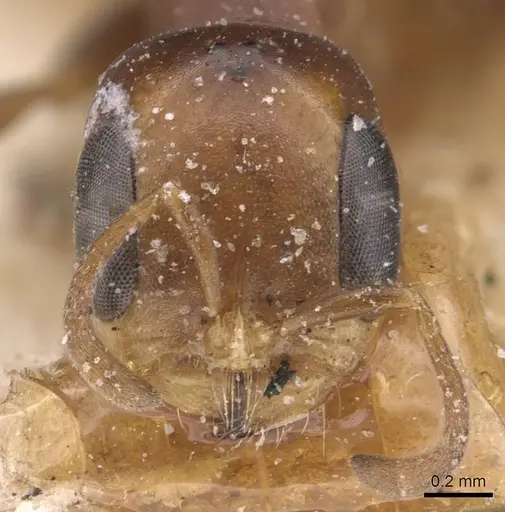
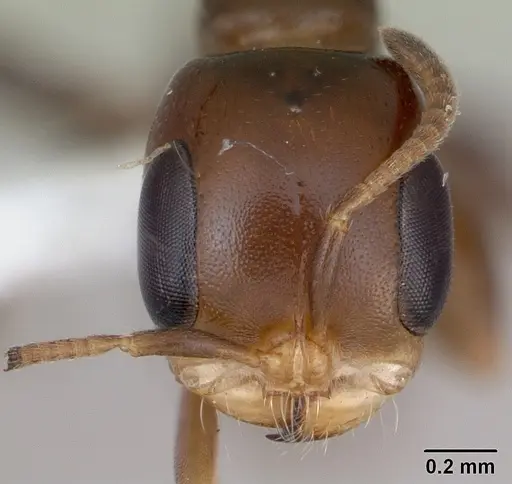
Pseudomyrmex euryblemma is a Neotropical ant species belonging to the Pseudomyrmecinae subfamily. Workers are small at around 5mm with a distinctive broad, rectangular head (HW 0.81-0.98) and dark brown coloration [1][2]. This species belongs to the P. pallidus group, characterized by a laterally angulate median clypeal lobe in workers and queens [2]. They are found across Central and South America, from Mexico through Costa Rica, Guatemala, Colombia, and into Argentina, French Guiana, and Paraguay [2]. P. euryblemma is a member of the P. sericeus group and is often found in forested habitats, including canopy environments [3][4].
Quick Summary
- Difficulty: Medium
- Origin & Habitat: Neotropical region, found in Costa Rica, Guatemala, Colombia (Antioquia, Cundinamarca, Guainía, Magdalena, Meta, Sucre), Mexico, French Guiana, Paraguay, Argentina, and recently recorded in Pará, Brazil [5][6][2]. Found at elevations around 1,500m in Colombia (Medellin area) [7]. Inhabits forested areas including canopy microhabitats [4].
- Colony Type: Colony structure is not well documented in scientific literature. Based on genus patterns, likely single-queen (monogyne) colonies. Pseudomyrmex species typically have claustral founding where the queen seals herself in to raise the first workers.
- Size & Growth:
- Queen: Approximately 6-7mm based on genus patterns (not directly measured for this species)
- Worker: Approximately 5mm [1]
- Colony: Likely small to moderate, possibly several hundred workers based on related species
- Growth: Moderate, development timeline unconfirmed but likely 6-10 weeks based on genus patterns
- Development: Estimated 6-10 weeks based on typical Pseudomyrmex development patterns (Direct development data unavailable for this species, estimates based on related species in the genus)
- Antkeeping:
- Temperature: Keep at 24-28°C. This is a Neotropical species from mid-elevation locations, so they prefer warm conditions. A gentle gradient allowing them to self-regulate is ideal [7]
- Humidity: Moderate to high humidity (60-80%). These ants are found in forest environments and often in canopy microhabitats. Keep the nest substrate moist but not waterlogged [4]
- Diapause: Likely no true diapause required given their tropical distribution. However, slight temperature reduction during winter months may be beneficial if mimicking natural seasonal cycles.
- Nesting: In nature, Pseudomyrmex species often nest in hollow twigs, stems, or plant domatia. In captivity, a test tube setup works well for founding colonies. For established colonies, a naturalistic setup with hollow twigs or stems, or a Y-tong/plaster nest with narrow chambers mimics their natural arboreal nesting preferences.
- Behavior: Pseudomyrmex euryblemma workers are active foragers. Based on genus behavior, they are likely predatory on small arthropods and may tend aphids for honeydew. Workers are slender and fast-moving. They are not typically aggressive toward keepers but will defend their nest. Escape prevention should be good, they are not extremely small but use standard barrier methods. Their broad head and distinctive morphology makes them relatively easy to identify among ant species.
- Common Issues: Limited availability in the antkeeping hobby, this is not a commonly kept species, Specific nesting requirements, they prefer hollow stems/twigs which may be harder to provide, Humidity management is important, too dry and colonies may fail, too wet can cause mold issues, Limited information on captive care means keepers may need to experiment with conditions, High elevation origins mean they may not tolerate excessive heat
Housing and Nest Setup
Pseudomyrmex euryblemma is an arboreal-nesting species that naturally inhabits hollow twigs, stems, and plant cavities. For captive care, you can start with a standard test tube setup for the founding queen. Once the colony establishes (20-30 workers), consider transitioning to a more naturalistic setup that mimics their natural environment. Hollow bamboo sections, twigs, or a Y-tong nest with narrow chambers work well. The chambers should be appropriately scaled to their 5mm worker size. Avoid overly large, open spaces, they prefer tight, enclosed spaces similar to their natural twig nests. [1]
Feeding and Diet
Based on Pseudomyrmex genus behavior, P. euryblemma is likely an omnivorous forager that preys on small arthropods and collects honeydew from aphids and scale insects. In captivity, offer a varied diet including small live prey (fruit flies, pinhead crickets, small mealworms) and sugar sources (honey water, sugar water). Protein-rich foods should be offered regularly, especially for growing colonies. They are active foragers, so place food where workers can easily discover it. Remove uneaten prey after 24-48 hours to prevent mold.
Temperature and Humidity
As a Neotropical species from mid-elevation locations in Central and South America, P. euryblemma prefers warm, moderately humid conditions. Maintain temperatures between 24-28°C with a gentle gradient allowing the colony to self-regulate. Avoid temperatures below 20°C or above 32°C. Humidity should be kept at 60-80%, this can be achieved by keeping the nest substrate moist (not soggy) and using a water reservoir. Mist the outworld occasionally but avoid constant dampness which promotes mold. Good ventilation is important to prevent stagnant air while maintaining humidity. [7]
Colony Development
The colony founding stage for P. euryblemma follows typical Pseudomyrmex patterns, the queen seals herself in a chamber and raises the first workers (nanitics) alone using stored fat reserves. This claustral founding typically takes 6-10 weeks for the first workers to emerge, depending on temperature. Nanitics are smaller than mature workers but will help the colony grow. Growth rate is moderate, a healthy colony may reach 100 workers within the first year under good conditions. Colony size likely maxes out at several hundred workers based on related species in the genus.
Behavior and Temperament
Pseudomyrmex workers are active, slender ants that move quickly when foraging. They are not typically aggressive toward keepers and rarely sting. Workers are effective foragers and will readily discover and recruit to food sources. The species is well-adapted to arboreal life, they are good climbers and may traverse vertical surfaces with ease. Use standard escape prevention measures (fluon barriers work well). Their distinctive broad head and dark brown coloration makes them relatively easy to identify among ant species. [2]
Frequently Asked Questions
How long does it take for Pseudomyrmex euryblemma to produce first workers?
Based on typical Pseudomyrmex development, expect 6-10 weeks from egg to first worker at optimal temperatures (24-28°C). This timeline can vary based on temperature and colony health.
What do Pseudomyrmex euryblemma ants eat?
They are omnivorous, feeding on small arthropods and honeydew. In captivity, offer small live prey (fruit flies, small mealworms) and sugar sources (honey water, sugar water). Protein should be offered 2-3 times per week.
Do Pseudomyrmex euryblemma ants sting?
While Pseudomyrmex species have stingers, they are not typically aggressive toward keepers and stings are rare. The sting is mild compared to some other ant species.
What temperature do Pseudomyrmex euryblemma ants need?
Keep them at 24-28°C. This Neotropical species prefers warm conditions but should be kept away from direct heat sources and temperatures above 32°C.
Are Pseudomyrmex euryblemma good for beginners?
This species is rated as Medium difficulty. While not the most challenging species, specific nesting requirements (hollow stems/twigs preferred) and limited availability in the hobby make it better suited for keepers with some antkeeping experience.
How big do Pseudomyrmex euryblemma colonies get?
Based on related species, colonies likely reach several hundred workers. Maximum colony size is not well documented for this specific species.
What humidity level do Pseudomyrmex euryblemma ants need?
Maintain 60-80% humidity. Keep the nest substrate consistently moist but not waterlogged. These forest-dwelling ants need more humidity than desert species.
Do Pseudomyrmex euryblemma need hibernation?
Likely no true hibernation required due to their tropical distribution. A slight temperature reduction during winter months may be beneficial but is not essential.
Where is Pseudomyrmex euryblemma found in the wild?
They range from Mexico through Central America (Costa Rica, Guatemala) into South America (Colombia, French Guiana, Paraguay, Argentina). They are found in forested habitats at various elevations including around 1,500m in Colombia.
References

This caresheet is licensed under CC BY-SA 4.0 .
CASENT0173751
View on AntWeb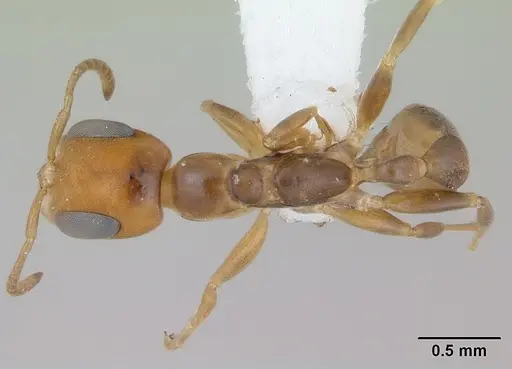
CASENT0178620
View on AntWeb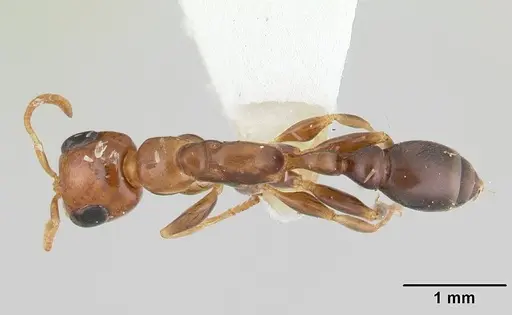
CASENT0907545
View on AntWeb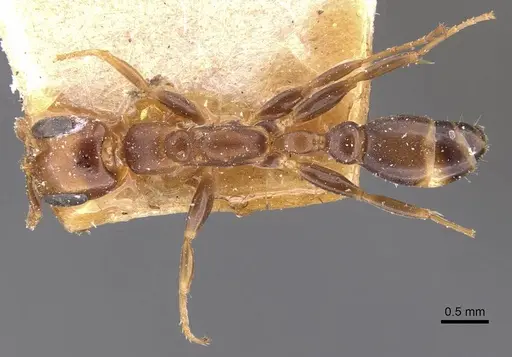
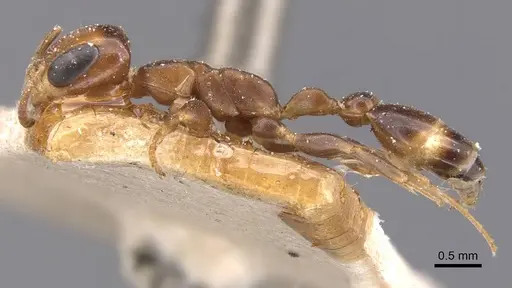
INBIOCRI001230868
View on AntWeb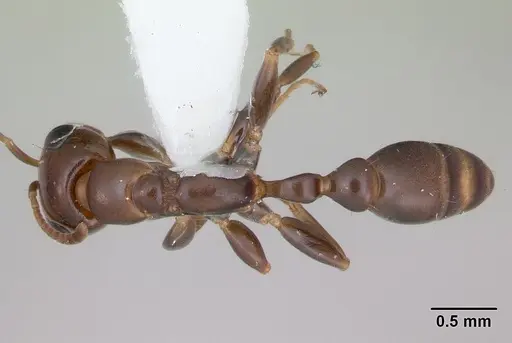
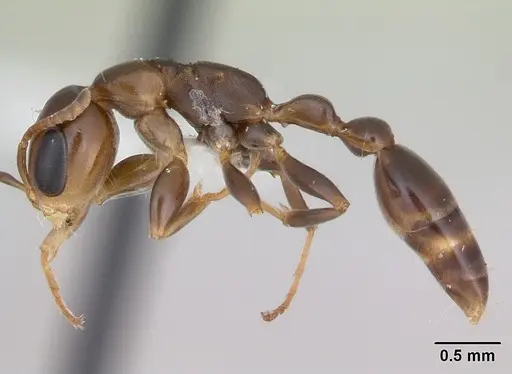
Literature
Loading...Loading products...