

Pseudomyrmex ethicus
- Scientific Name
- Pseudomyrmex ethicus
- Tribe
- Pseudomyrmecini
- Subfamily
- Pseudomyrmecinae
- Author
- Forel, 1911
- Distribution
- Found in 8 countries
Pseudomyrmex ethicus Overview
Pseudomyrmex ethicus is an ant species of the genus Pseudomyrmex. It is primarily documented in 8 countries , including Bolivia, Plurinational State of, Brazil. Detailed taxonomic data and occurrence records can be further explored via authoritative databases such as AntWeb or the Global Biodiversity Information Facility (GBIF).
Pseudomyrmex ethicus
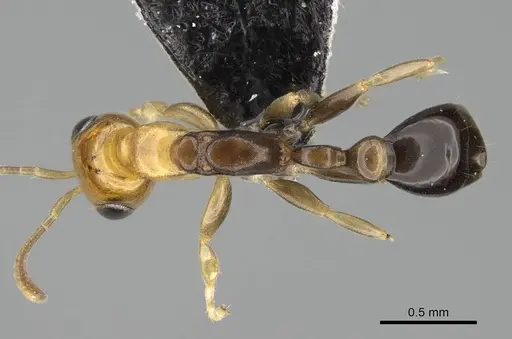
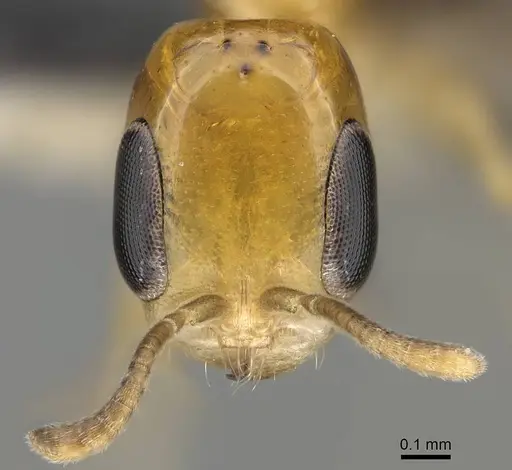
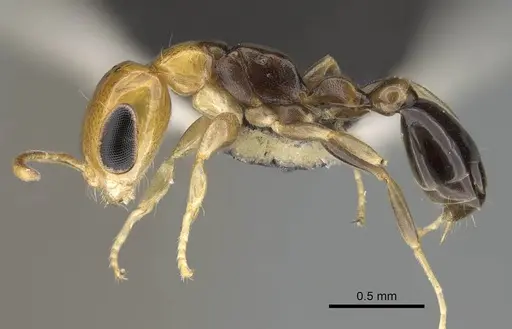
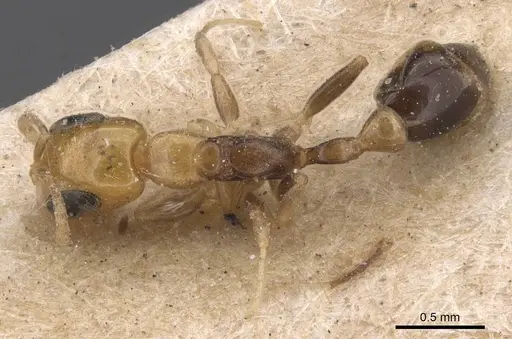
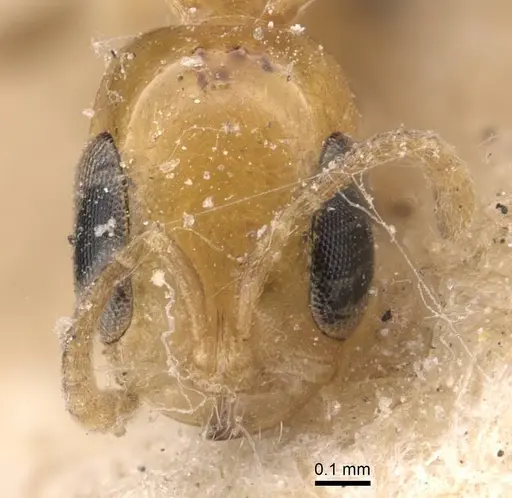
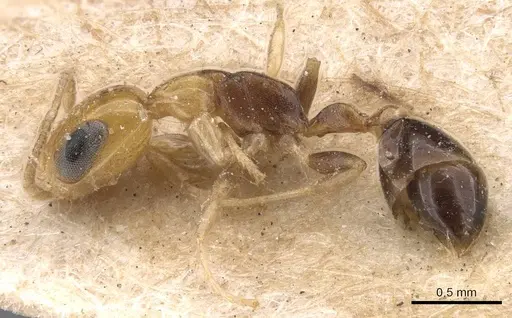
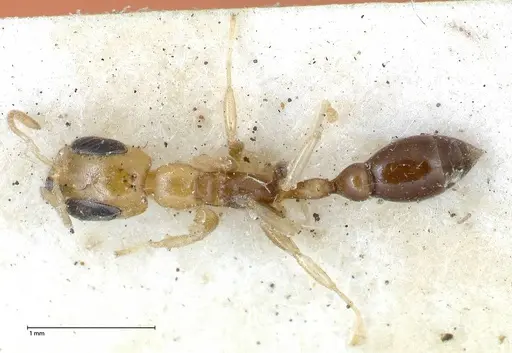
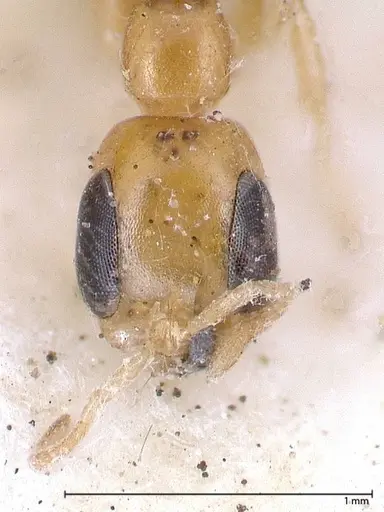
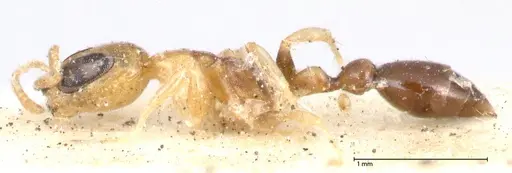
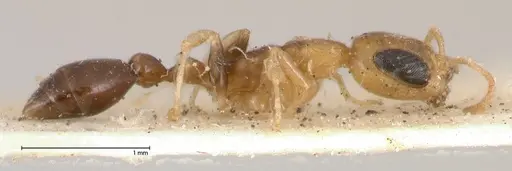
Pseudomyrmex ethicus is a very small arboreal ant native to the Neotropical region, found across Brazil, Bolivia, Ecuador, French Guiana, Colombia, and Peru. Workers measure just 0.53-0.56mm in head width, making them one of the smaller ant species in the hobby. They have a distinctive two-tone coloration: the head and pronotum are yellowish-brown while the gaster (abdomen) is dark brown to black, creating a striking contrast. The mesonotum, propodeum, and petiole are medium to dark brown. These ants nest in the aerial parts of dried plant stems, particularly those of Chelonanthus alatus, a pioneer plant species. This arboreal nesting habit means they naturally live in hollow stems rather than underground nests.
Quick Summary
- Difficulty: Medium
- Origin & Habitat: Neotropical region spanning the Amazon biome. Found in Brazil (Amazonas, Maranhão), Bolivia (Biosphere Reserve Beni), Ecuador, French Guiana, Colombia (Casanare, Cundinamarca, Magdalena, Meta, Vaupés), and Peru. They inhabit tropical forest edges and savanna areas, nesting arboreally in dried plant stems [1][2][3].
- Colony Type: Colony structure is unconfirmed. Based on typical Pseudomyrmex genus patterns, likely single-queen colonies (monogyne), but this has not been directly studied for this species.
- Size & Growth:
- Queen: Unconfirmed, estimated 4-6mm based on genus patterns for small species
- Worker: Very small: 0.53-0.56mm head width [1]
- Colony: Likely small to moderate (under 500 workers) based on small worker size and arboreal nesting in stems
- Growth: Moderate, estimated based on typical Pseudomyrmex development
- Development: Estimated 6-8 weeks at optimal tropical temperatures (25-28°C) (Development time is estimated from related Pseudomyrmex species, direct measurements for P. ethicus are not available)
- Antkeeping:
- Temperature: Keep warm at 24-28°C. As a Neotropical species from the Amazon region, they need stable warmth. A heating cable on one side of the nest creates a suitable gradient. Room temperature may suffice if your home stays in this range.
- Humidity: Moderate to high humidity (60-80%). Their natural habitat is tropical forest with regular moisture. Keep the nest substrate consistently damp but not waterlogged. Mist occasionally and provide a water tube.
- Diapause: No, as a tropical species, they do not require hibernation. Keep temperatures stable year-round.
- Nesting: Arboreal nesting specialists. In captivity, they do well in test tubes with cotton ball water reservoirs, or small acrylic/ytong nests with narrow chambers scaled to their tiny size. Provide dried plant stems or cardboard tubes as founding chambers to mimic their natural stem-nesting habitat. Avoid large, open spaces.
- Behavior: These ants are small but active foragers. They are predatory like most Pseudomyrmecinae, hunting small arthropods. Their small size means excellent escape prevention is critical, they can squeeze through tiny gaps. They are not aggressive toward keepers but will defend their nest. Workers likely forage individually or use simple recruitment to food sources.
- Common Issues: escape prevention is critical due to their very small size, use fine mesh and tight-fitting lids, tropical temperature requirements mean they may struggle in cool homes without heating, slow colony growth can test keeper patience, do not overfeed or disturb founding colonies, arboreal nesting means they need humidity but also ventilation to prevent mold, wild-caught colonies may arrive with parasites or in poor condition
Natural History and Distribution
Pseudomyrmex ethicus is a Neotropical ant species with a wide distribution across northern South America. Records exist from Brazil (Amazonas, Maranhão), Bolivia, Ecuador, French Guiana, Colombia, and Peru. They inhabit the Amazon biome and adjacent savanna areas, particularly in forest edges and disturbed areas where pioneer plants grow. Their association with Chelonanthus alatus, a pioneer plant species, has been documented in French Guiana. These ants nest in the aerial parts of dried-out plant stems, using natural hollows as nest sites. This arboreal lifestyle is typical of the Pseudomyrmecinae subfamily, which contains many plant-dwelling species. [1][2][3]
Housing and Nest Setup
Because P. ethicus is an arboreal species that naturally nests in plant stems, your setup should mimic this. Test tubes work well for founding colonies, use a small test tube with a cotton ball water reservoir. The tube diameter should be appropriate for their tiny size (around 8-10mm works). For established colonies, a small acrylic nest or ytong nest with narrow chambers works better than large formicaria. Provide multiple connected chambers to simulate stem sections. You can add small pieces of dried plant stem or cardboard tubes as enrichment. Keep the nest horizontal or slightly tilted so workers can move between chambers easily. Always use excellent escape prevention, these tiny ants can slip through gaps that seem impossible.
Feeding and Diet
Like other Pseudomyrmecinae ants, P. ethicus is predatory and will hunt small arthropods. Offer small live prey such as fruit flies, springtails, or tiny crickets. They likely also consume honeydew from aphids or scale insects in captivity, you can offer a drop of sugar water or honey diluted with water. Feed protein prey 2-3 times per week for established colonies, and provide a constant sugar source. Remove uneaten prey after 24 hours to prevent mold. Foundress queens should not be fed during claustral founding, they survive on stored fat reserves until first workers emerge.
Temperature and Humidity
As a tropical species from the Amazon region, P. ethicus needs warm, humid conditions. Maintain temperatures between 24-28°C year-round. A heating cable placed on one side of the nest creates a gentle thermal gradient that allows ants to regulate their temperature. Avoid temperatures below 22°C or above 32°C. Humidity should be moderate to high (60-80%), keep the test tube or nest substrate consistently moist but not flooded. A water tube provides drinking water and helps maintain humidity. Good ventilation is important to prevent mold while maintaining humidity.
Colony Development
Colony founding likely follows the typical Pseudomyrmex pattern: the queen seals herself in a small chamber (claustral founding) and raises the first brood alone using stored fat reserves. She does not forage during this time. First workers (nanitics) will be smaller than normal workers and may take 6-8 weeks to emerge at optimal temperatures. After the first workers arrive, the colony grows gradually. Expect slow growth initially, small colonies of fewer than 50 workers are common. Do not disturb founding colonies excessively or move them until they are well-established with multiple workers.
Frequently Asked Questions
How long does it take for Pseudomyrmex ethicus to have first workers?
Estimated 6-8 weeks from egg to first worker at optimal temperatures (25-28°C). This is based on typical Pseudomyrmex development patterns, as specific development time for this species has not been documented.
Can I keep Pseudomyrmex ethicus in a test tube?
Yes, test tubes work well for this species, especially for founding colonies. Use a small diameter tube (8-10mm) appropriate for their tiny size, with a cotton ball water reservoir. Keep the tube horizontal and in darkness during founding.
What do Pseudomyrmex ethicus ants eat?
They are predatory and eat small arthropods like fruit flies, springtails, and tiny crickets. They also likely accept sugar sources like diluted honey or sugar water. Feed protein prey 2-3 times per week and provide a constant sugar source.
Do Pseudomyrmex ethicus ants sting?
Pseudomyrmex ants have stingers but due to their very small size (0.53-0.56mm), they are unlikely to penetrate human skin. They are not considered dangerous to keepers.
Are Pseudomyrmex ethicus good for beginners?
This species is rated Medium difficulty. While their small size and escape risk make them challenging, their tropical care requirements are straightforward if you can maintain warm temperatures. They are not recommended as a first ant but are manageable for keepers with some experience.
Do Pseudomyrmex ethicus need hibernation?
No, they do not need hibernation. As a tropical species from the Amazon region, they require stable warm temperatures year-round. Do not expose them to cold temperatures.
How big do Pseudomyrmex ethicus colonies get?
Based on their small worker size and stem-nesting habit, colonies likely reach a few hundred workers at most. Exact maximum colony size is unknown.
Why are my Pseudomyrmex ethicus escaping?
Their very small size (0.53-0.56mm workers) means they can squeeze through incredibly tiny gaps. Use fine mesh (at least 0.5mm), tight-fitting lids, and apply fluon or barrier gel around any openings. Check all connections and seams regularly.
When should I move Pseudomyrmex ethicus to a formicarium?
Wait until the colony has at least 20-30 workers and is actively foraging. Moving too early can stress the colony. A small acrylic or ytong nest with narrow chambers works better than large commercial formicaria designed for bigger ants.
Can I keep multiple Pseudomyrmex ethicus queens together?
This has not been documented for this species. Based on typical Pseudomyrmex patterns, they likely have single-queen colonies. Combining unrelated queens is not recommended without evidence they can coexist.
References

This caresheet is licensed under CC BY-SA 4.0 .
Literature
Loading...Loading products...