
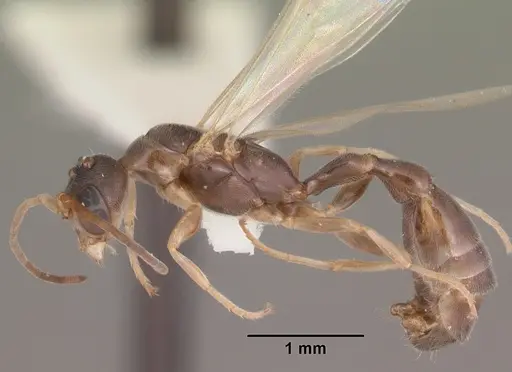
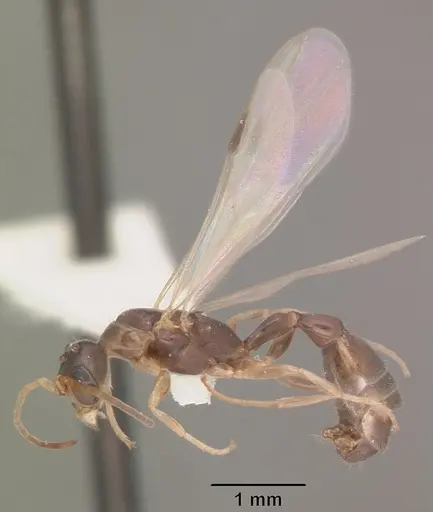
Pseudomyrmex ejectus shows a July to September flight window. Peak activity occurs in July, with nuptial flights distributed across 3 months.
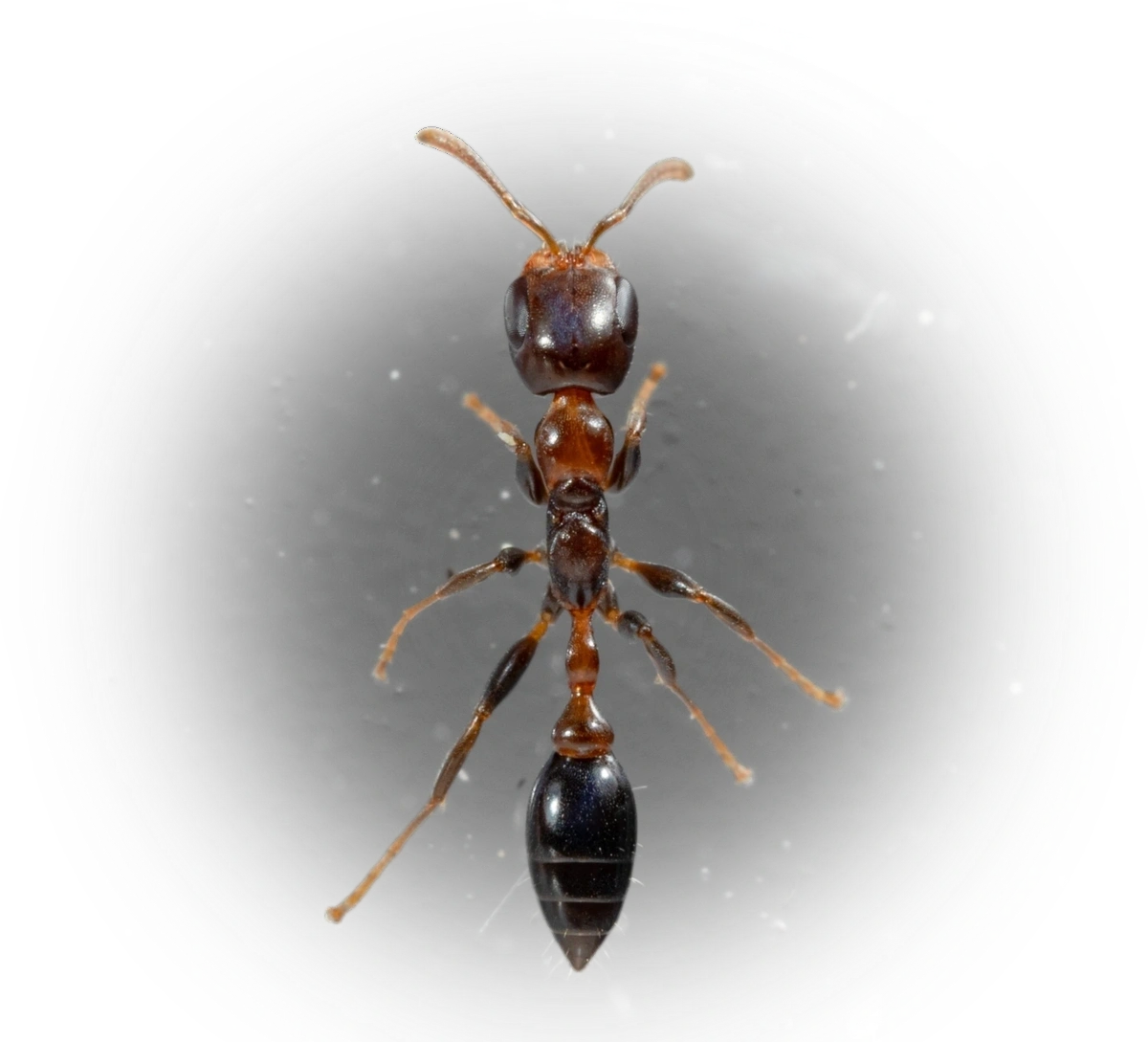
Pseudomyrmex ejectus
- Scientific Name
- Pseudomyrmex ejectus
- Tribe
- Pseudomyrmecini
- Subfamily
- Pseudomyrmecinae
- Author
- Smith, 1858
- Common Name
- Shining Dark Twig Ant
- Distribution
- Found in 4 countries
- Nuptial Flight
- from July to September, peaking in July
AI Identifiable
try →
Pseudomyrmex ejectus Overview
Pseudomyrmex ejectus (commonly known as the Shining Dark Twig Ant) is an ant species of the genus Pseudomyrmex. It is primarily documented in 4 countries , including Costa Rica, Guatemala, Mexico. Detailed taxonomic data and occurrence records can be further explored via authoritative databases such as AntWeb or the Global Biodiversity Information Facility (GBIF).
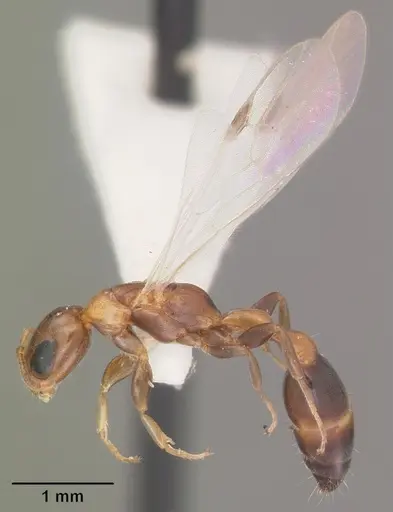
The nuptial flight of Pseudomyrmex ejectus is a significant biological event, typically occurring from July to September, peaking in July. During this time, winged queens and males leave the nest to mate and establish new colonies.
Pseudomyrmex ejectus - "Shining Dark Twig Ant"
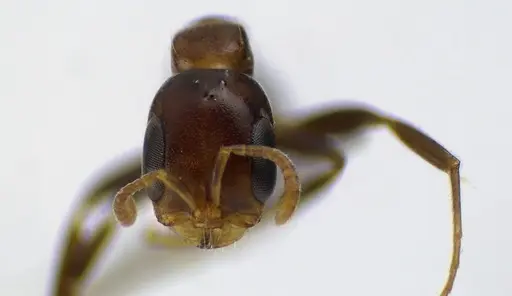
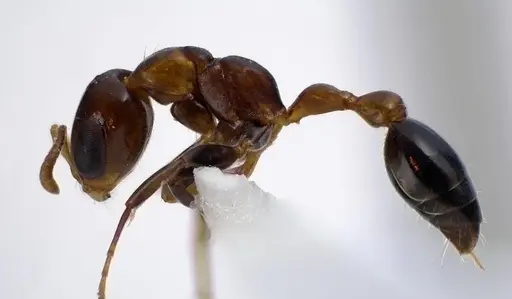
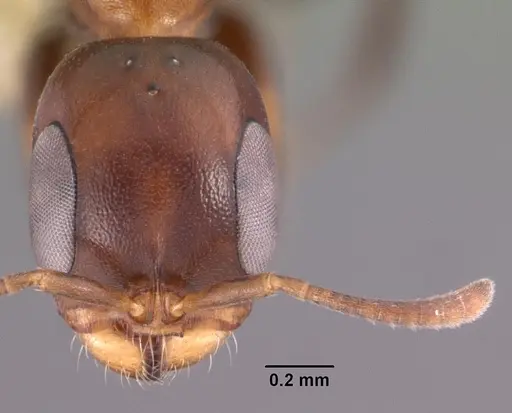
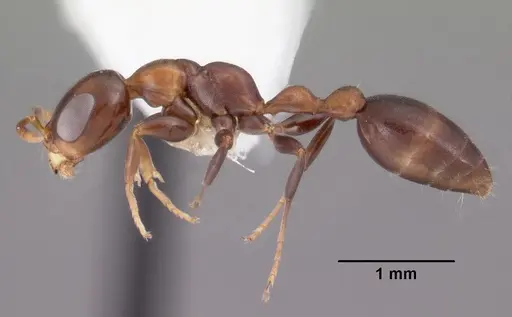
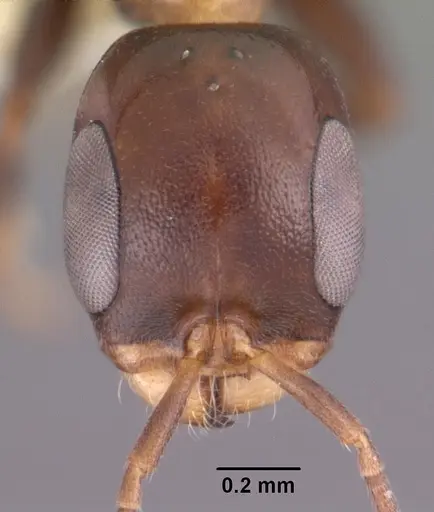
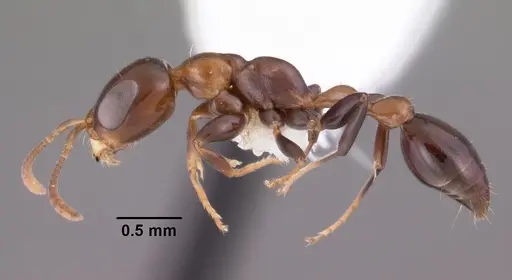
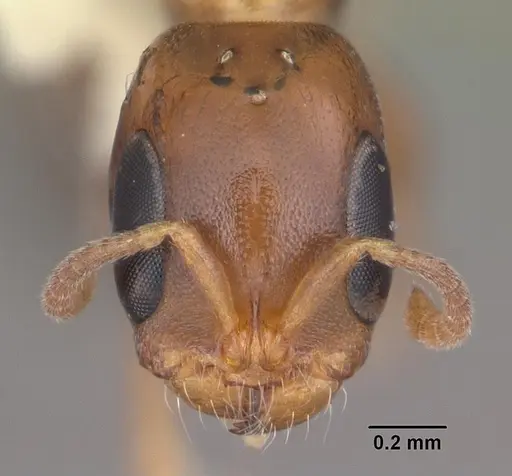
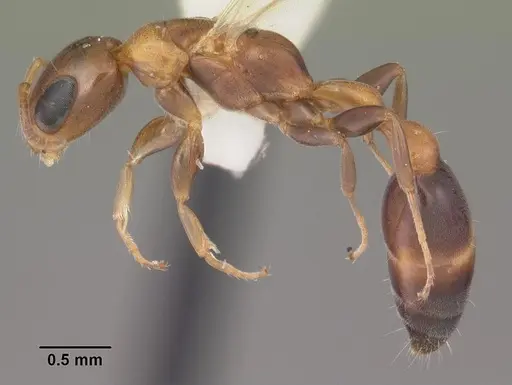
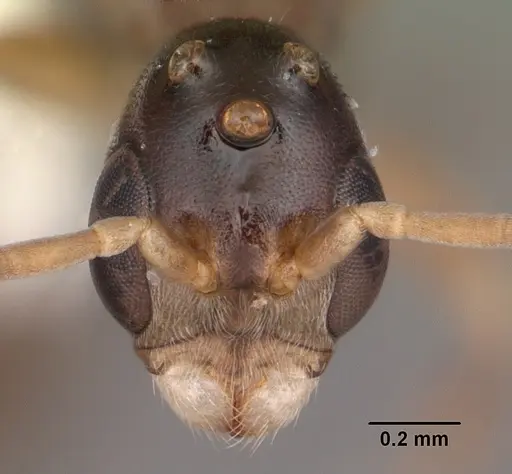
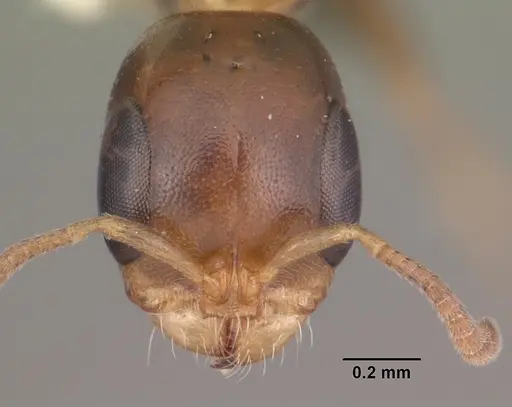
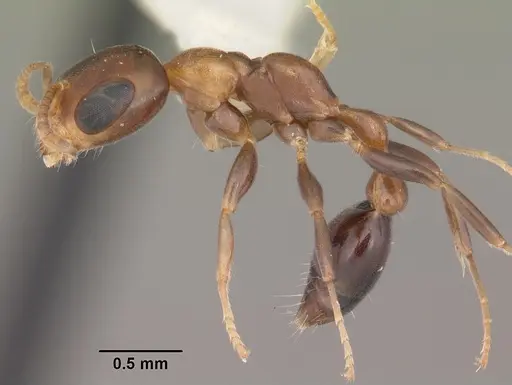
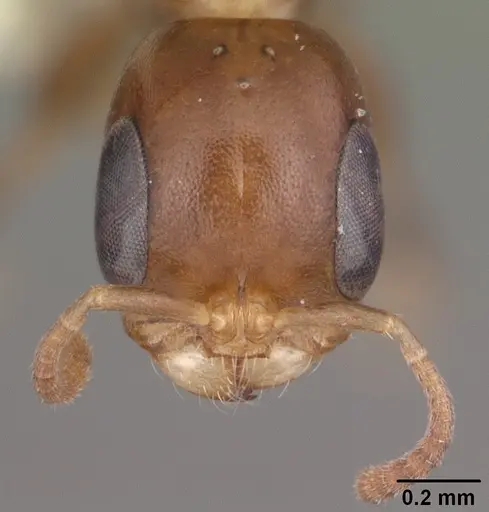
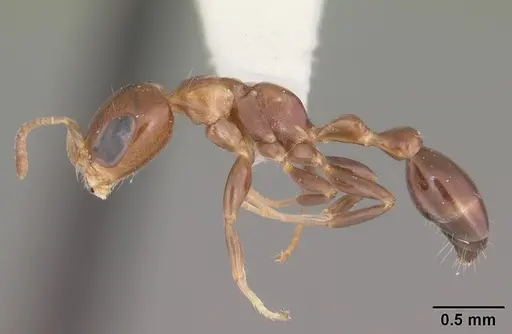
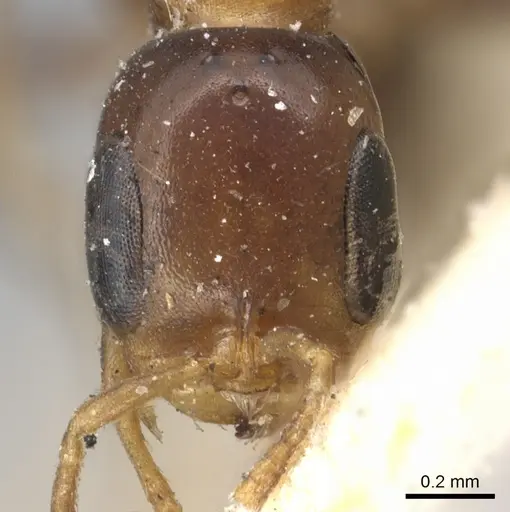
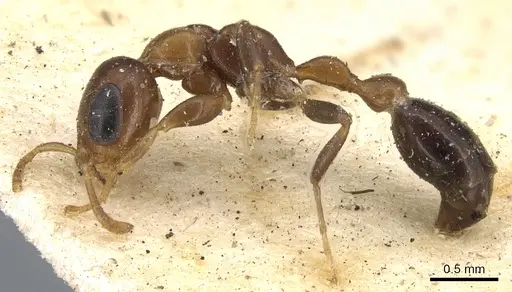
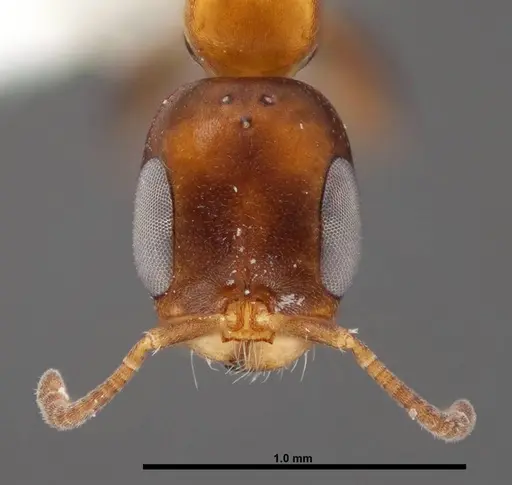
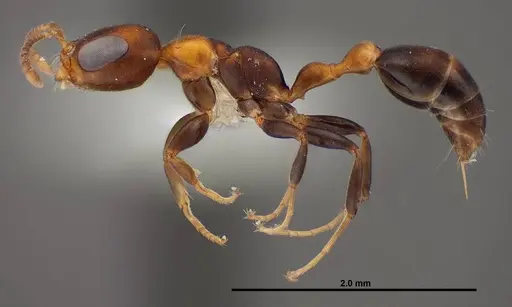
Pseudomyrmex ejectus is a small to medium-sized twig-nesting ant native to the Americas, ranging from the southern United States through Central America into South America. Workers are dark brown with notably large eyes and an elongated body, giving them a distinctive appearance compared to many other ant species [1]. They are arboreal by nature, nesting exclusively in hollow twigs, reeds, and similar plant cavities rather than in soil [1][2]. This species plays an important ecological role as a predator in tropical coffee agroecosystems, where they help control the coffee berry borer pest [3][4].
Quick Summary
- Difficulty: Medium
- Origin & Habitat: Native to the Nearctic and Neotropical regions, found across the southern United States (Texas, Florida, Georgia, Alabama, Mississippi, South Carolina, North Carolina) and south through Mexico, Guatemala, Costa Rica, Bolivia, and Brazil [5][6]. They inhabit tropical and subtropical environments, typically nesting in dead twigs and hollow plant stems in forested areas and agricultural landscapes [2][1].
- Colony Type: Single-queen colonies (monogyne). Research suggests Pseudomyrmex species are likely not polygynous [7]. Colonies occupy single nests in twigs but may maintain multiple nests per plant.
- Colony: Monogyne
- Founding: Claustral
- Size & Growth:
- Queen: Estimated 6-8mm based on genus patterns
- Worker: Small to medium, elongated (dark-brown, large-eyed species) [1]
- Colony: Small colonies, typically up to a few dozen workers per nest based on typical twig-nesting behavior
- Growth: Moderate, typical for tropical twig-nesting ants
- Development: Estimated 4-6 weeks at tropical temperatures (25-28°C) (Development is likely faster than temperate species due to their tropical distribution)
- Antkeeping:
- Temperature: Keep at 24-28°C (warm tropical conditions). They thrive in warm, stable temperatures typical of their native range [3].
- Humidity: Moderate to high humidity (60-80%). As arboreal nesters in plant cavities, they prefer humid conditions but not saturated substrate.
- Diapause: No, being a tropical species, they do not require hibernation. Keep at warm temperatures year-round.
- Nesting: Twig-nesting species, provide hollow twigs, bamboo sections, or similar plant-based nesting materials. They readily colonize artificial nests in captivity, including bamboo tubes and wooden setups with narrow chambers [7].
- Behavior: Active and alert foragers with well-developed stings for defense [7]. They are predatory and will actively hunt small insects. Workers are arboreal by nature but will forage at ground level when needed [8]. They are known to be aggressive defenders of their nests and can deliver painful stings. Escape prevention is important as they are quick-moving and can squeeze through small openings.
- Common Issues: tropical temperature requirements mean they cannot tolerate cool conditions, keep warm year-round, small colony sizes mean slower population growth, patience is required, arboreal nesting means they need appropriate twig-based housing rather than typical soil nests, their predatory nature means they need live prey regularly, sugar alone is insufficient, they may compete with other Pseudomyrmex species if housed nearby
Nuptial Flight Activity Analysis 102 observations
Flight Activity by Hour 102 observations
Pseudomyrmex ejectus nuptial flight activity peaks around 06:00 during the morning. Activity is spread across a 18-hour window (04:00–21:00). A secondary activity peak occurs around 09:00. Times may be influenced by human observation patterns.
Housing and Nest Setup
Pseudomyrmex ejectus is an obligate twig-nester, meaning they require hollow plant stems for nesting. In captivity, you can provide bamboo sections, hollow twigs, or wooden formicaria with narrow tunnels that mimic their natural nesting sites. They readily colonize artificial nests in studies, so they adapt well to captive conditions [7]. The nest chamber should be dark (they prefer dim conditions inside their twigs) with minimal light exposure. Since they are arboreal, they do not need soil substrate, a simple outworld area for foraging works best. Provide a water source in the outworld, but avoid flooding the nest area.
Feeding and Diet
As predatory ants, they need regular protein in the form of small live insects. They are known to prey on coffee berry borers in the wild and removed an average of 1.53 free-living borers in 24-hour laboratory trials [4]. Feed them small prey items like fruit flies, small crickets, mealworms, or other tiny insects twice weekly. They may also accept sugar water or honey as an energy source, but protein is essential for colony growth. Remove uneaten prey after 24 hours to prevent mold. Unlike some ants, they are not primarily honeydew feeders.
Temperature and Humidity
Being a tropical species, they require warm temperatures between 24-28°C. Do not allow temperatures to drop below 20°C for extended periods. They are native to tropical and subtropical regions and have no diapause requirement, keep them warm year-round. Humidity should be moderate (60-80%). Since they nest in plant cavities, they prefer humid conditions but the nest should not be waterlogged. A light misting of the outworld occasionally helps maintain appropriate humidity. Avoid placing the nest near air conditioning or cold drafts. [3][5]
Behavior and Defense
Pseudomyrmex ejectus workers have well-developed stings and will use them when threatened [7]. They are alert and active foragers, quick-moving both on the nest surface and when hunting prey. They are territorial and will defend their nest aggressively. In the wild, they are known to dominate coffee plants and can be one of the most common twig-nesting species in suitable habitat [4]. They may have multiple queens in different twigs on the same plant (polydomous arrangement) but each colony appears to have a single reproductive queen. When keeping them, expect active, visible workers that readily explore their foraging area.
Colony Growth and Development
Colonies start with a single claustral queen who seals herself inside a chamber to raise the first brood. Development from egg to worker likely takes 4-6 weeks at optimal tropical temperatures. Colonies remain relatively small compared to ground-nesting species, natural colonies typically contain only a few dozen workers per twig nest. Growth is moderate, and colonies may establish multiple nests (twigs) on a single plant in captivity if given the space. The first workers (nanitics) will be smaller than mature workers but will quickly begin foraging to support colony growth. [7]
Ecological Importance
In their native range, P. ejectus plays a valuable ecological role as a predator of agricultural pests. They are significant natural enemies of the coffee berry borer, one of the most damaging pests in coffee production [3][4]. In Mexican coffee farms, they are among the most abundant twig-nesting species and can occupy up to 57% of available twig-nests at higher elevations. This makes them beneficial in agroecosystems, though they are considered weak competitors compared to other arboreal ants [9]. Understanding this predatory role can inform their care, they genuinely need live prey to thrive.
Frequently Asked Questions
Can I keep Pseudomyrmex ejectus in a test tube?
While they can be started in a test tube for founding, they are twig-nesting ants and will do better in the long term in bamboo sections or similar hollow nesting materials that mimic their natural hollow twig habitat. Test tubes can work for the founding stage but consider moving them to a more appropriate setup once the colony grows.
How long until first workers appear?
At optimal temperatures (24-28°C), expect first workers (nanitics) in approximately 4-6 weeks after the queen lays her first eggs. This is typical for tropical Pseudomyrmex species.
Do Pseudomyrmex ejectus ants sting?
Yes, they have well-developed stings and will use them when threatened. While small, their sting can be painful, handle with care and use proper escape prevention.
What do Pseudomyrmex ejectus eat?
They are predatory ants that need live small insects as their primary food. They accept fruit flies, small crickets, mealworms, and similar prey. They may also take sugar water or honey for energy, but protein is essential for brood development.
Do they need hibernation?
No. Being a tropical species, they do not require hibernation or diapause. Keep them warm year-round at 24-28°C.
Are Pseudomyrmex ejectus good for beginners?
They are rated as medium difficulty. While they are not difficult to keep, their specific twig-nesting requirements and need for regular live prey make them better suited for keepers who have some experience with ant keeping. Their small colony sizes and specific housing needs require attention.
How big do colonies get?
Colonies remain relatively small compared to many common ant species. Natural colonies typically contain only a few dozen workers per individual twig nest. In captivity, expect colonies of perhaps 50-100 workers at maximum.
Can I keep multiple queens together?
No. Research indicates Pseudomyrmex species are likely not polygynous (single-queen colonies) [7]. Keep only one queen per colony.
When should I move them to a formicarium?
Move them when the colony outgrows its initial setup or when you see workers actively exploring beyond the nest chamber. For twig-nesting species, this often means providing additional twigs or a larger bamboo section rather than a traditional formicarium.
Why are my Pseudomyrmex ejectus dying?
Common causes include: temperatures below 20°C (they need warmth), lack of live prey (they are obligate predators), too dry conditions, or improper nesting setup. Check that your setup matches their arboreal twig-nesting preferences and that temperatures remain consistently warm.
References

This caresheet is licensed under CC BY-SA 4.0 .
ANTWEB1041604
View on AntWeb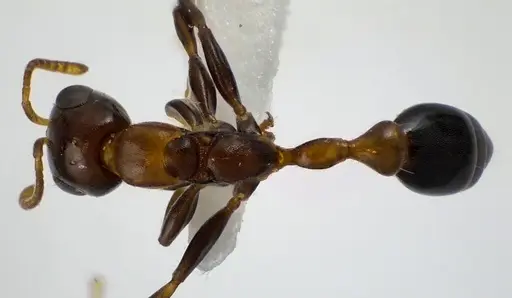
CASENT0102683
View on AntWeb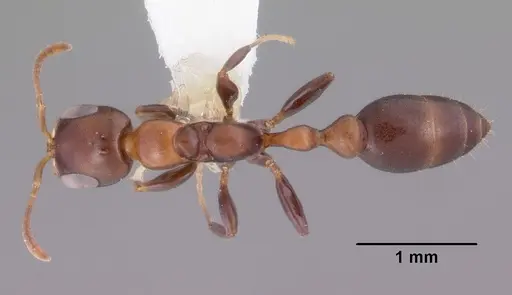
CASENT0102684
View on AntWeb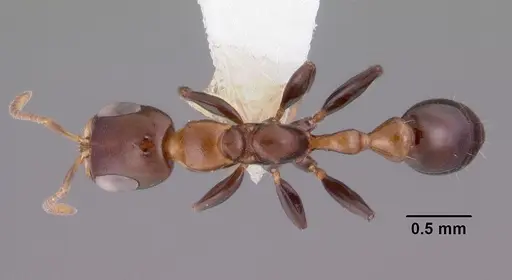
CASENT0103836
View on AntWeb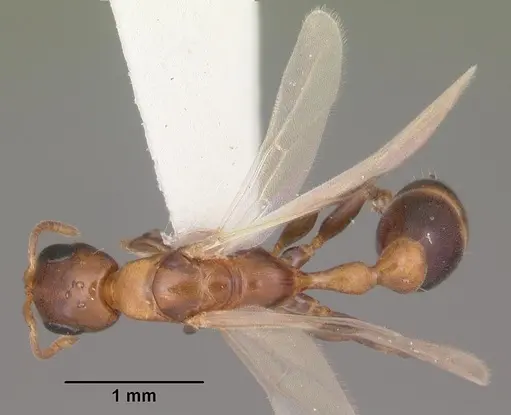
CASENT0104241
View on AntWeb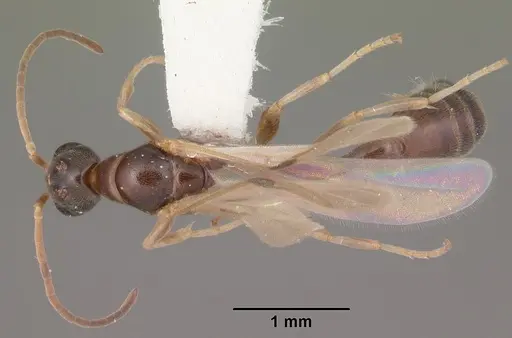
CASENT0104280
View on AntWeb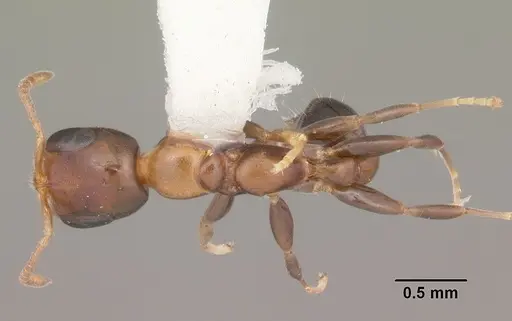
CASENT0104314
View on AntWeb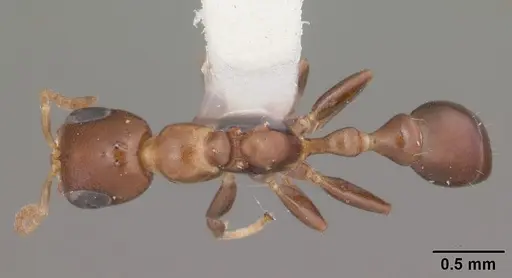
CASENT0902894
View on AntWeb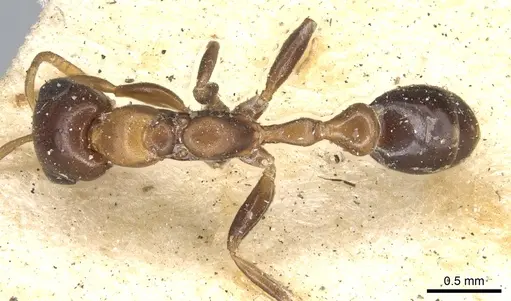
FMNHINS0000088651
View on AntWeb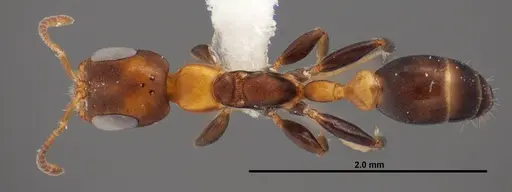
Literature
Loading...Loading products...