

Pseudomyrmex duckei
- Scientific Name
- Pseudomyrmex duckei
- Tribe
- Pseudomyrmecini
- Subfamily
- Pseudomyrmecinae
- Author
- Forel, 1906
- Distribution
- Found in 7 countries
Pseudomyrmex duckei Overview
Pseudomyrmex duckei is an ant species of the genus Pseudomyrmex. It is primarily documented in 7 countries , including Brazil, Colombia, Costa Rica. Detailed taxonomic data and occurrence records can be further explored via authoritative databases such as AntWeb or the Global Biodiversity Information Facility (GBIF).
Pseudomyrmex duckei
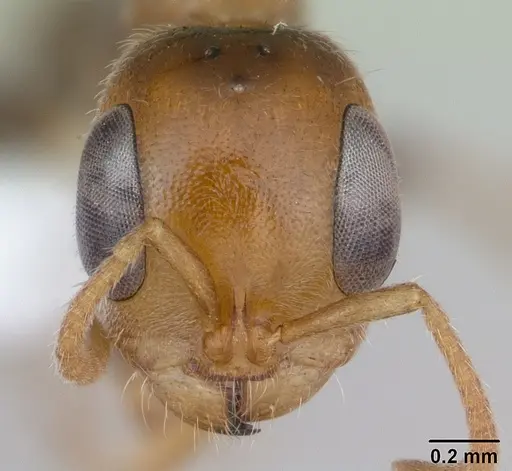
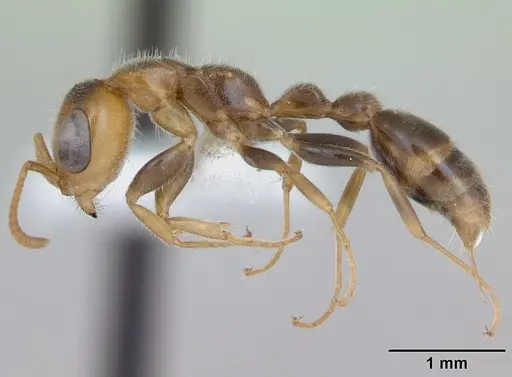
Pseudomyrmex duckei is a slender, long-legged ant species native to the Neotropical rainforests of Central and South America. Workers are typically 6-8mm with the characteristic Pseudomyrmex body shape, a narrow waist (petiole) and elongated hind legs. They have a dark reddish-brown to black coloration typical of the genus. This species is rarely encountered and known primarily from rainforest habitats in Brazil, Costa Rica, Ecuador, French Guiana, and Guatemala [1].
This is an arboreal species that likely nests in hollow twigs, stems, or pre-existing cavities in trees, a common trait of the Pseudomyrmex genus. They are predatory ants that likely hunt small invertebrates. Based on related species in the genus, they are probably aggressive defenders of their nests and have a painful sting for their size.
Quick Summary
- Difficulty: Medium
- Origin & Habitat: Neotropical rainforests of Brazil, Costa Rica, Ecuador, French Guiana, and Guatemala. Found in humid forest environments at low to mid elevations [1][2].
- Colony Type: Unconfirmed colony structure. Most Pseudomyrmex species are single-queen (monogyne) colonies, though some can have multiple queens. Likely single-queen based on genus patterns.
- Size & Growth:
- Queen: Estimated 9-11mm based on genus size range for larger Pseudomyrmex species [3]
- Worker: Estimated 6-8mm based on genus worker size range [3]
- Colony: Likely moderate, typical Pseudomyrmex colonies reach several hundred workers. Exact size unconfirmed for this species.
- Growth: Moderate, based on typical Pseudomyrmex development patterns
- Development: Estimated 6-10 weeks at tropical temperatures (24-28°C) based on genus-level data for related Pseudomyrmex species (Development time inferred from genus patterns, specific data for P. duckei unavailable)
- Antkeeping:
- Temperature: Keep at 24-28°C (warm tropical conditions). Room temperature in most homes may be too cool, consider a heating cable on one side of the nest to create a gradient
- Humidity: High humidity (70-85%) to match rainforest conditions. Keep nest substrate consistently moist but not waterlogged. Mist regularly and provide a water source
- Diapause: Unlikely, as a tropical species, they probably do not require a diapause period. However, they may slow down slightly during cooler periods
- Nesting: Arboreal nesting preferences, provide hollow twigs, stems, or cork bark setups. A Y-tong (AAC) nest or naturalistic setup with narrow chambers works well. They prefer tight-fitting spaces that mimic their natural twig nests
- Behavior: Likely aggressive and territorial, Pseudomyrmex ants are known for their painful stings and active defense of nests. They are predatory and will hunt small invertebrates. Workers are active foragers, both on vegetation and possibly on the ground. Escape prevention is important given their moderate size, standard barriers should work but ensure lids fit tightly. They likely have good vision and may be more active during daylight hours
- Common Issues: tropical species may struggle in cool, dry environments typical of indoor ant keeping, limited availability makes this species difficult to acquire, specific dietary requirements are unknown, may require live prey, rainforest humidity needs mean mold can be an issue if ventilation is poor, aggressive defense means stings are likely when working with the colony
Housing and Nest Setup
Pseudomyrmex duckei is an arboreal species that naturally nests in hollow twigs, stems, and tree cavities. In captivity, provide a setup that mimics these conditions. A Y-tong (AAC) nest with narrow chambers works well, or you can use a naturalistic setup with cork bark or artificial twigs. The chambers should be appropriately sized for their 6-8mm workers, not too large, as they prefer tight spaces. Ensure the nest has good humidity retention since they come from rainforest environments. A water tube attached to the nest helps maintain moisture. Place the nest in a warm, humid area of your ant room away from direct sunlight and drafts.
Feeding and Diet
Like other Pseudomyrmex species, P. duckei is likely predatory and will accept small live invertebrates. Offer live prey such as fruit flies, small crickets, mealworms, and other appropriately sized insects. They probably supplement their diet with sugar sources, you can offer honey water or sugar water occasionally, though protein from prey should be the primary food. Feed every 2-3 days, removing uneaten prey after 24 hours to prevent mold. Fresh water should always be available. Since this species has not been kept in captivity frequently, be prepared to experiment with different prey types to determine preferences.
Temperature and Humidity
As a tropical rainforest species, P. duckei requires warm and humid conditions. Maintain temperatures between 24-28°C, this is warmer than typical room temperature in many homes, so you may need a heating cable or mat placed on one side of the nest to create a temperature gradient. Humidity should be high (70-85%), keep the nest substrate consistently moist but not flooded. Mist the outworld regularly and consider using a water tube with a cotton plug to provide constant humidity access. Poor humidity can lead to failed development and colony decline. Monitor condensation in test tube setups as an indicator of humidity levels.
Behavior and Handling
Pseudomyrmex ants are known for their aggressive defense of nests and painful stings. Workers are active foragers and likely hunt during daylight hours. They have relatively good vision compared to many ants. When working with this species, take precautions, use proper escape prevention and avoid disturbing the nest unnecessarily. If threatened, they will readily sting. The sting is reportedly painful for their size, though not dangerous to healthy humans. They are not ideal for beginners who want to handle their ants frequently. However, they are fascinating to observe and their predatory behavior makes feeding time entertaining.
Colony Development
Colony growth is likely moderate. A newly mated queen will find a suitable cavity (hollow twig or stem) and seal herself inside to lay eggs and raise the first brood, this is claustral founding, typical of the genus. The first workers (nanitics) will be smaller than mature workers. After the nanitics emerge, the colony will grow steadily as the queen continues laying eggs. A mature colony likely reaches several hundred workers. The exact timeline from egg to worker is unknown for this species but is estimated at 6-10 weeks at optimal tropical temperatures based on related species. Patience is key, Pseudomyrmex colonies do not grow as fast as some tropical species.
Frequently Asked Questions
Is Pseudomyrmex duckei a good species for beginners?
No, this species is not ideal for beginners. It has specific humidity and temperature requirements (24-28°C,70-85% humidity) that can be challenging to maintain. Additionally, Pseudomyrmex ants are aggressive and have painful stings. The species is also rarely available, making it difficult to acquire.
What do Pseudomyrmex duckei ants eat?
They are predatory ants that likely accept small live invertebrates like fruit flies, small crickets, and mealworms. They probably also consume nectar or honey water as a sugar source. Offer protein prey 2-3 times per week and provide constant access to sugar water.
How long does it take for Pseudomyrmex duckei to produce first workers?
Based on related Pseudomyrmex species, expect 6-10 weeks from egg to first worker at optimal temperatures (24-28°C). The exact timeline for this specific species has not been documented.
Do Pseudomyrmex duckei ants sting?
Yes, they almost certainly sting. Pseudomyrmex species are known for their painful stings and aggressive defense of their nests. While not dangerous to healthy humans, the sting can be quite painful.
What temperature do Pseudomyrmex duckei ants need?
Keep them at 24-28°C. This is warmer than typical room temperature, so you may need a heating cable on one side of the nest to maintain these temperatures.
Can I keep Pseudomyrmex duckei in a test tube?
A test tube setup can work for founding colonies, but you will need to maintain high humidity. For established colonies, a Y-tong (AAC) nest or naturalistic setup with cork bark better mimics their natural arboreal nesting preferences.
How big do Pseudomyrmex duckei colonies get?
Based on genus patterns, colonies likely reach several hundred workers at maturity. The exact maximum size for this specific species has not been documented.
Do Pseudomyrmex duckei need hibernation?
No, as a tropical species they do not require hibernation. However, they may slow down slightly during cooler periods. Maintain warm temperatures year-round.
Where is Pseudomyrmex duckei found in the wild?
This species is native to Neotropical rainforests in Brazil, Costa Rica, Ecuador, French Guiana, and Guatemala. It is rarely encountered and considered a rainforest specialist.
Is Pseudomyrmex duckei monogyne or polygyne?
The colony structure has not been documented for this specific species. Most Pseudomyrmex species are single-queen (monogyne) colonies, but this has not been confirmed for P. duckei.
References

This caresheet is licensed under CC BY-SA 4.0 .
CASENT0907533
View on AntWeb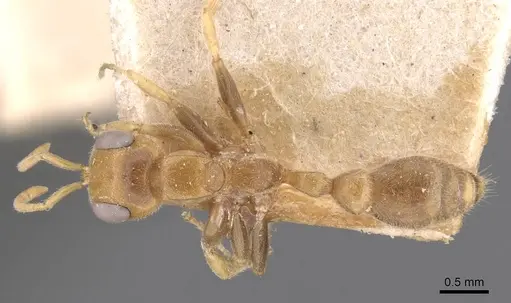
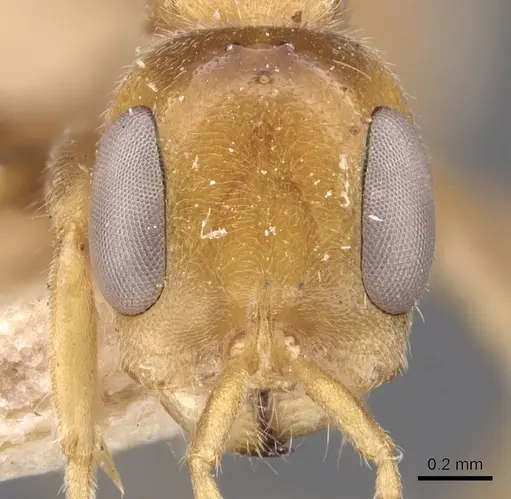
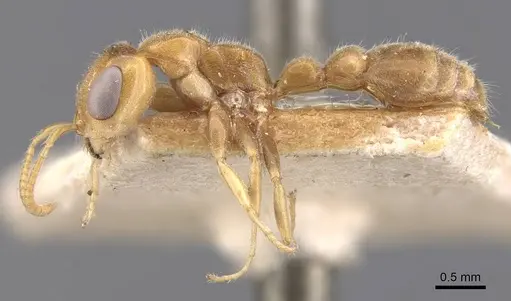
INB0003617154
View on AntWeb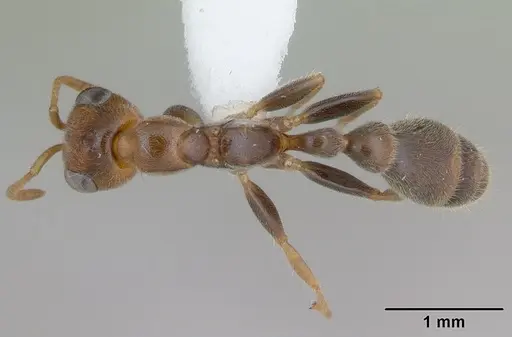
Literature
Loading...Loading products...