

Pseudomyrmex distinctus
- Scientific Name
- Pseudomyrmex distinctus
- Tribe
- Pseudomyrmecini
- Subfamily
- Pseudomyrmecinae
- Author
- Smith, 1877
- Distribution
- Found in 1 countries
Pseudomyrmex distinctus Overview
Pseudomyrmex distinctus is an ant species of the genus Pseudomyrmex. It is primarily documented in 1 countries , including Mexico. Detailed taxonomic data and occurrence records can be further explored via authoritative databases such as AntWeb or the Global Biodiversity Information Facility (GBIF).
Pseudomyrmex distinctus
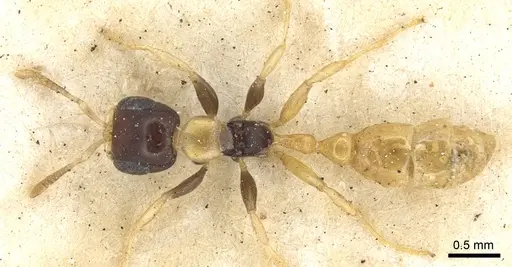
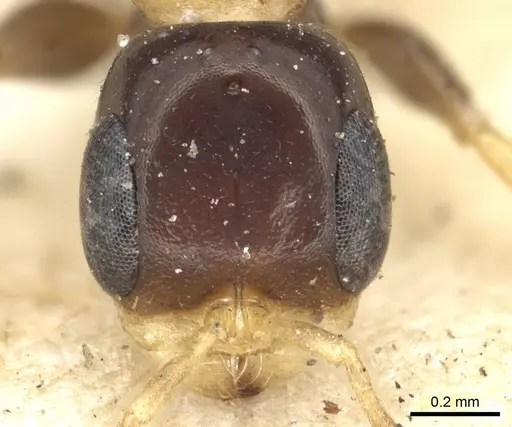
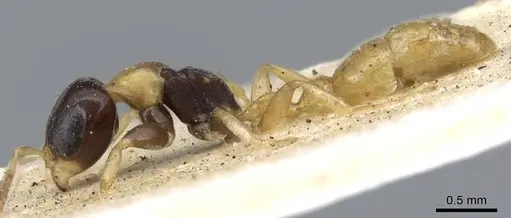
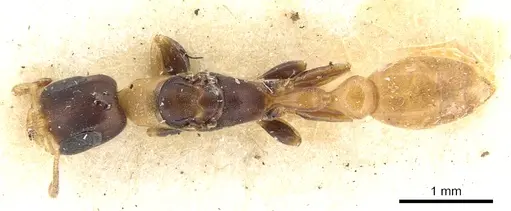
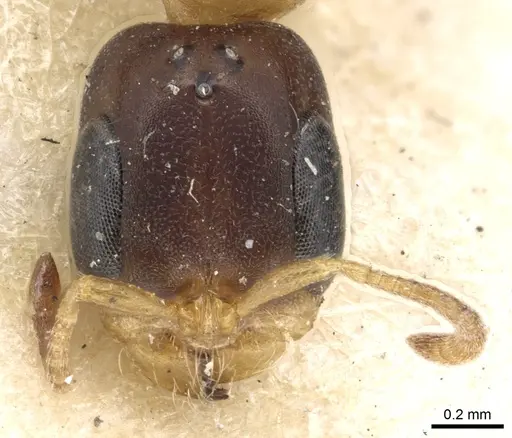
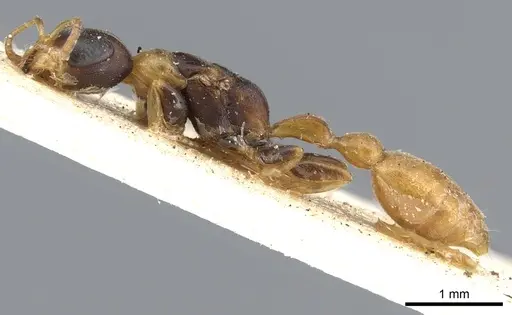
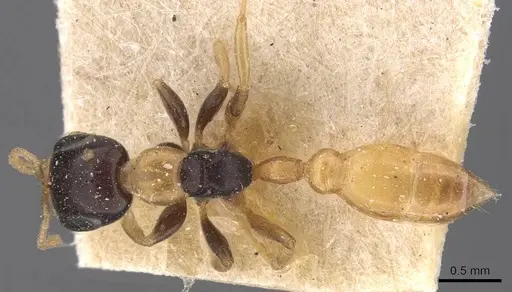
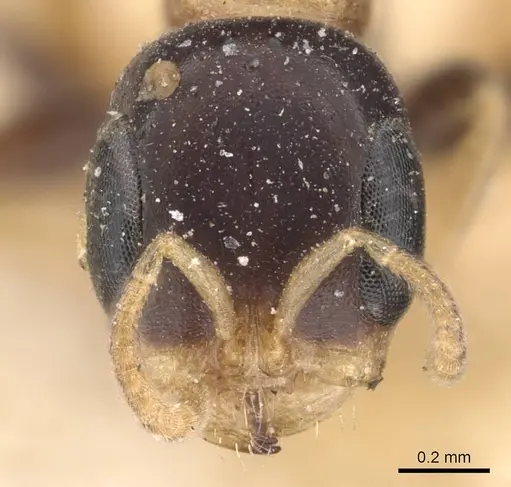
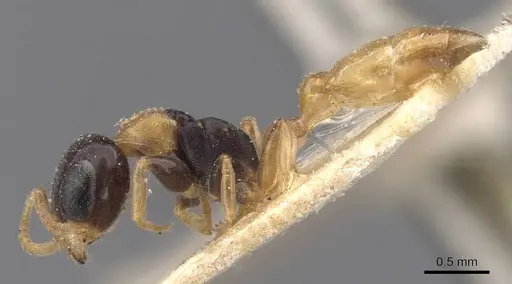
Pseudomyrmex distinctus is a slender, elongated ant native to the lowland tropical regions of Mexico, specifically found in Tabasco and Veracruz states [1][2]. Workers are typical of the genus, with a long, narrow body and relatively large eyes suited for their arboreal lifestyle. The species was originally described in 1877 and was previously known as a variant (pulchella) before being recognized as the same species [3]. As a Pseudomyrmecinae ant, they belong to a genus known for aggressive colony defense and painful stings, so handling requires caution.
Quick Summary
- Difficulty: Medium
- Origin & Habitat: Lowland tropical rainforests of Mexico (Tabasco and Veracruz states) [1][2]. This species has been collected in lowland tropical rainforest habitats in southern Mexico.
- Colony Type: Colony structure is unconfirmed. Based on typical Pseudomyrmex patterns, likely monogyne (single queen) colonies, though this has not been directly documented for this specific species.
- Size & Growth:
- Queen: Not directly measured for this species. Based on genus estimates, likely 8-10mm.
- Worker: Not directly measured for this species. Based on genus estimates, typically 5-8mm.
- Colony: Unknown, no colony size data exists for this species.
- Growth: Unknown, no development data exists for this species.
- Development: Unconfirmed. Based on typical Pseudomyrmex patterns in tropical conditions, estimate 6-8 weeks at warm temperatures (25-28°C). (No direct development studies exist for this species. Estimates based on genus-level patterns.)
- Antkeeping:
- Temperature: Keep warm at 24-28°C. As a tropical lowland species from southern Mexico, they need consistent warmth. A heating cable on one side of the nest creates a gradient allowing workers to self-regulate.
- Humidity: Maintain high humidity (70-80%). These are tropical rainforest ants that need moist conditions. Keep the nest substrate consistently damp but not waterlogged.
- Diapause: Likely no true diapause. As a tropical species, they probably remain active year-round with slightly reduced activity in cooler months. Do not hibernate.
- Nesting: In nature, Pseudomyrmex species often nest in hollow stems, twigs, and arboreal cavities. In captivity, a naturalistic setup with hollow twigs/branches or a Y-tong/plaster nest with narrow chambers works well. They prefer tight, enclosed spaces.
- Behavior: Pseudomyrmex ants are known for being highly alert and aggressive defenders. Workers are quick to respond to threats and will readily sting. They are active foragers and typically hunt prey rather than relying solely on sugar sources. Escape prevention is important, they are agile and can climb smooth surfaces. Their slender bodies allow them to access small spaces.
- Common Issues: tropical species needs warmth, cold temperatures will slow or stop activity and may kill the colony, high humidity is essential, dry conditions cause desiccation and colony loss, aggressive defenders with stings, handle with care and use proper protection, limited species-specific information means care is based on genus patterns, not direct studies, wild-caught colonies from Mexico may carry parasites or diseases that affect captive survival
Housing and Nest Preferences
Pseudomyrmex distinctus is an arboreal-adapted species that in nature nests in hollow stems, twigs, and pre-existing cavities in trees. In captivity, provide a nest that mimics these tight, enclosed spaces. A Y-tong (acrylic) nest with narrow chambers works well, as does a plaster nest with appropriately sized tunnels. The chambers should be snug for the workers, these ants prefer tight spaces. A naturalistic setup with actual hollow twigs or bamboo sections can also work, secured horizontally. The outworld should allow for active foraging, these are energetic ants that readily explore and hunt.
Feeding and Diet
Based on typical Pseudomyrmex behavior, these ants are primarily predatory and will accept small live prey. Offer live insects appropriate to their size, fruit flies, small crickets, mealworms, and other small arthropods. Sugar sources may be accepted occasionally (honey water, sugar water), but they are not primarily honeydew feeders like some ants. Feed protein prey 2-3 times per week, with sugar water available constantly. Remove uneaten prey after 24 hours to prevent mold.
Temperature and Seasonal Care
As a tropical lowland species from southern Mexico, Pseudomyrmex distinctus needs warm, stable temperatures. Keep the nest area at 24-28°C. A heating cable placed on one side of the nest creates a temperature gradient so workers can regulate their own temperature by moving between warmer and cooler areas. Avoid temperature drops below 22°C for extended periods. There is likely no true diapause or hibernation requirement, these ants come from a region with minimal seasonal temperature variation. Maintain year-round warmth rather than cycling temperatures.
Behavior and Temperament
Pseudomyrmex ants are well-known for their alert, aggressive temperament. Workers are quick to defend the nest and will not hesitate to sting if threatened. The sting is reportedly painful for humans. When working with this species, move slowly and avoid disturbing the nest directly. Use escape prevention barriers (Fluon) on the outworld as they can climb smooth surfaces effectively. They are active foragers with good vision, workers will readily explore their environment and hunt prey. Colony sizes are likely moderate, with workers numbering in the hundreds.
Frequently Asked Questions
How long does it take for Pseudomyrmex distinctus to produce first workers?
The exact timeline is unconfirmed for this species. Based on typical Pseudomyrmex development patterns at warm tropical temperatures (25-28°C), expect approximately 6-8 weeks from egg to first worker. This is an estimate based on genus-level data, not direct studies of this species.
Do Pseudomyrmex distinctus ants sting?
Yes, they can sting. Pseudomyrmex ants are known for being aggressive defenders with painful stings. While the exact sting potency of P. distinctus specifically is not documented, the genus is recognized for this defensive capability. Handle with care and avoid direct contact.
What temperature do Pseudomyrmex distinctus ants need?
Keep them warm at 24-28°C. As a tropical species from lowland Mexico, they need consistent warmth. Use a heating cable on part of the nest to create a gradient, and avoid temperatures below 22°C for extended periods.
Can I keep Pseudomyrmex distinctus in a test tube?
A test tube setup can work for founding colonies, but these ants prefer tight, enclosed spaces typical of their arboreal lifestyle. Once the colony grows, consider moving to a Y-tong or plaster nest with appropriately sized chambers. The test tube should be kept warm and humid.
What do Pseudomyrmex distinctus ants eat?
Based on typical genus behavior, they are primarily predatory. Offer small live prey like fruit flies, small crickets, and mealworms. Sugar water or honey water may be accepted occasionally but should not be the primary food source. Feed protein prey several times per week.
Do Pseudomyrmex distinctus need hibernation?
Likely no. As a tropical species from southern Mexico, they probably do not require a hibernation period. Maintain warm temperatures year-round rather than cycling for winter rest.
Are Pseudomyrmex distinctus good for beginners?
This species is rated Medium difficulty. While not the most challenging ant to keep, the limited species-specific information and their need for warm, humid tropical conditions make them better suited for keepers with some experience. Their aggressive temperament and sting also require careful handling.
How big do Pseudomyrmex distinctus colonies get?
Colony size is not documented for this specific species. Based on typical Pseudomyrmex patterns, colonies likely reach several hundred workers. The exact maximum is unknown.
Why is so little known about Pseudomyrmex distinctus care?
This species has very limited scientific documentation. Most ant research focuses on a small number of species, and P. distinctus from Mexico has not been a primary research target. Care recommendations are based on genus-level patterns rather than species-specific studies.
References

This caresheet is licensed under CC BY-SA 4.0 .
Literature
Loading...Loading products...