

Pseudomyrmex depressus
- Scientific Name
- Pseudomyrmex depressus
- Tribe
- Pseudomyrmecini
- Subfamily
- Pseudomyrmecinae
- Author
- Forel, 1906
- Distribution
- Found in 3 countries
Pseudomyrmex depressus Overview
Pseudomyrmex depressus is an ant species of the genus Pseudomyrmex. It is primarily documented in 3 countries , including Bolivia, Plurinational State of, Colombia. Detailed taxonomic data and occurrence records can be further explored via authoritative databases such as AntWeb or the Global Biodiversity Information Facility (GBIF).
Pseudomyrmex depressus
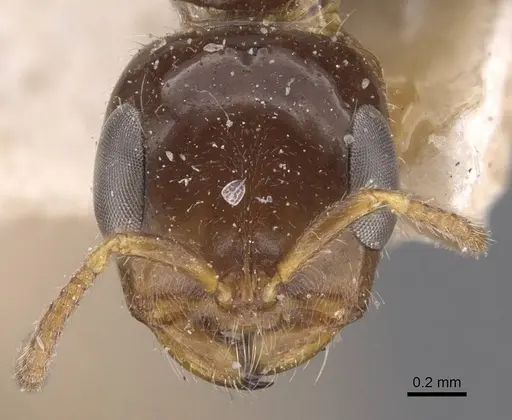
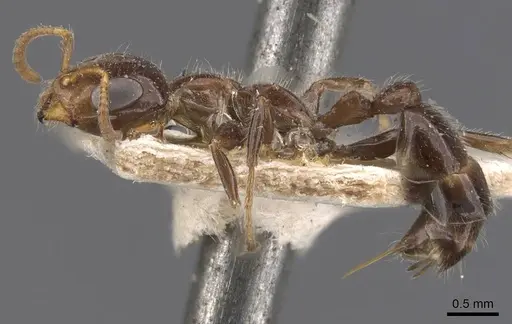
Pseudomyrmex depressus is a slender, elongated ant species native to the Neotropical region, found across Colombia, French Guiana, and Peru [1][2]. Workers are characterized by their smooth and shiny head with widely scattered small punctures, and a distinctive depressed propodeum where the dorsal and posterior faces are not clearly differentiated [3]. This species is a generalist inhabitant of dead twigs, nesting naturally in hollow plant stems and decaying wood [4]. As a Pseudomyrmecinae ant, they possess the characteristic long legs and somewhat wasp-like appearance typical of this subfamily. The genus Pseudomyrmex contains several famous species that live in mutualistic relationships with plants like acacias, though P. depressus appears to be a free-nesting species rather than a plant-ant specialist.
Quick Summary
- Difficulty: Medium
- Origin & Habitat: Neotropical region, Colombia (Antioquia, Caquetá, Magdalena), French Guiana, and Peru (Cusco, Madre de Dios) [1][2]. Found in tropical forest habitats where it nests in dead twigs and hollow plant stems.
- Colony Type: Likely monogyne (single queen colonies) based on typical Pseudomyrmex patterns. Colony structure is not directly documented for this species.
- Colony: Monogyne
- Size & Growth:
- Queen: Estimated 7-9mm based on genus Pseudomyrmex patterns
- Worker: Estimated 5-7mm based on genus morphology
- Colony: Likely moderate colonies of several hundred workers based on typical Pseudomyrmex colony sizes
- Growth: Moderate, inferred from tropical distribution
- Development: Estimated 6-8 weeks at tropical temperatures (24-28°C) based on related Pseudomyrmex species (Development time is inferred from genus-level data, direct measurements for P. depressus are unavailable)
- Antkeeping:
- Temperature: Keep at 24-28°C. Being a tropical species, they need warm conditions year-round. A heating cable on one side of the nest can create a gentle gradient.
- Humidity: High humidity (70-85%) mimicking damp tropical forest floor. Keep nest substrate consistently moist but not waterlogged. These ants naturally experience humid conditions in their dead twig habitats.
- Diapause: Unlikely, tropical species do not typically require hibernation. Maintain warm temperatures year-round.
- Nesting: Natural nesting sites are dead twigs and hollow plant stems. In captivity, a Y-tong (AAC) nest or naturalistic setup with narrow chambers works well. Provide materials like cork, rotting wood, or bamboo tubes that mimic their natural twig-nesting preferences [4].
- Behavior: Active and fast-moving ants, typical of the genus. They are generalist foragers, likely hunting small prey and collecting nectar/honeydew. Workers are slender and can move quickly through their narrow natural tunnels. Escape prevention should be moderate, while not among the smallest ants, they are agile and can escape through small gaps. Their sting is not well-documented but Pseudomyrmex ants can sting defensively, though most species are not considered highly aggressive.
- Common Issues: tropical species may struggle if temperatures drop below 22°C, keep warm year-round, dry conditions will stress colonies, monitor humidity closely, wild-caught colonies may carry parasites or diseases from their native habitat, slow founding phase if queen is claustrally sealing herself in, avoid disturbing during early colony establishment, escape risk exists despite moderate size, use well-fitting lids and barrier tape
Nest Preferences and Housing
In the wild, Pseudomyrmex depressus nests in dead twigs and hollow plant stems [4]. This is typical behavior for many Pseudomyrmex species, they are adapted to living in narrow, tubular cavities. For captive care, provide a nest setup that mimics these conditions. A Y-tong (AAC) formicarium with narrow chambers works well, or you can create a naturalistic setup using cork, rotting wood sections, or bamboo tubes that the ants can colonize. The chambers should be appropriately scaled to the ant's size, not too large or open, as these ants feel most secure in tight spaces. Avoid overly humid or wet materials, slightly damp but not saturated conditions suit them best. Some keepers successfull use plaster nests with channels sized for their slender bodies.
Feeding and Diet
Pseudomyrmex ants are typically generalist predators and nectar collectors. In captivity, offer a varied diet including sugar water or honey as an energy source, and protein-rich foods like small insects (fruit flies, pinhead crickets, mealworms). Since they naturally inhabit dead twigs, they're likely adapted to hunting small arthropods and collecting honeydew from aphids or scale insects. Feed protein 2-3 times per week and keep a sugar source available at all times. Fresh water should always be accessible. Remove uneaten prey after 24-48 hours to prevent mold issues.
Temperature and Seasonal Care
As a tropical species from the Neotropical region, Pseudomyrmex depressus requires warm temperatures year-round. Maintain nest temperatures between 24-28°C (75-82°F). These ants come from regions with minimal seasonal temperature variation, so they do not require hibernation or diapause. A heating cable placed on part of the nest can help maintain optimal temperatures, especially in cooler rooms. Place the heating element on top of the nest to avoid drying out the substrate. Room temperature within the range is acceptable in most homes. Watch for signs of cold stress, if workers become sluggish or cluster tightly together, increase temperature gradually. [2][1]
Behavior and Colony Dynamics
These ants are active foragers with the characteristic long legs and slender bodies of Pseudomyrmecinae. Workers move quickly and can be quite alert. While not all Pseudomyrmex species are aggressive defenders, they can deliver a sting if threatened. The colony will likely establish a single queen (monogyne) structure based on typical genus patterns. Colonies probably grow to several hundred workers over time. Queens likely seal themselves in during founding (claustral founding) and live off stored fat reserves until the first workers emerge. Avoid disturbing the founding chamber during this critical period, the queen needs peace to raise her first brood.
Humidity and Water Management
Pseudomyrmex depressus comes from humid tropical environments. Maintain relative humidity around 70-85% in the nest area. The dead twig habitats they naturally occupy are protected from direct rainfall but maintain consistent moisture from the surrounding forest floor. Use a water reservoir or misting system to maintain humidity, but ensure good ventilation to prevent stagnant air and mold. The substrate (if using a naturalistic setup) should feel damp to the touch but never waterlogged. Provide a water test tube with a cotton plug as a constant water source in the outworld. [4]
Frequently Asked Questions
How long does it take for Pseudomyrmex depressus to produce first workers?
Based on related Pseudomyrmex species, expect first workers (nanitics) approximately 6-8 weeks after the queen lays eggs, when kept at optimal tropical temperatures of 24-28°C. This timeline is estimated from genus-level data, as specific development times for P. depressus have not been documented.
What do Pseudomyrmex depressus ants eat?
They are generalist feeders. Offer sugar water or honey as a constant energy source, and protein-rich foods like small insects (fruit flies, pinhead crickets, mealworms) 2-3 times per week. They likely also collect honeydew in the wild, so occasional sweet offerings are appreciated.
Can I keep Pseudomyrmex depressus in a test tube?
Test tubes can work for founding colonies, but Pseudomyrmex ants naturally nest in narrow twigs and stems, so they may do better in a setup that mimics this, like a Y-tong nest with narrow chambers, cork setup, or bamboo tube. If using test tubes, ensure the cotton is well-packed to prevent escapes and provide appropriate humidity.
Do Pseudomyrmex depressus ants sting?
Pseudomyrmex ants have the ability to sting defensively, though documented information for this specific species is limited. Most Pseudomyrmex species are not considered highly aggressive, but they may sting if threatened or handled roughly. The sting is likely mild for most people.
What temperature do Pseudomyrmex depressus ants need?
Keep them warm at 24-28°C (75-82°F). This tropical species does not tolerate cool temperatures well. Use a heating cable or mat if your room temperature falls below this range.
Are Pseudomyrmex depressus good for beginners?
This species is rated as Medium difficulty. While not the hardest ant to keep, they do require specific conditions (warm temperatures, high humidity, appropriate nesting in narrow spaces) that make them better suited for keepers with some experience. Beginners should ensure they can maintain consistent warmth and humidity before attempting this species.
How big do Pseudomyrmex depressus colonies get?
Based on typical Pseudomyrmex colony sizes, expect colonies to reach several hundred workers over time. Specific colony size data for P. depressus is not available, but the genus generally produces moderate-sized colonies rather than the massive supercolonies seen in some other ants.
Do Pseudomyrmex depressus need hibernation?
No, they do not require hibernation. Being a tropical species from the Neotropical region, they need warm conditions year-round. Maintaining consistent temperatures of 24-28°C is more important than any seasonal changes.
When should I move my colony to a formicarium?
Move to a larger nest setup when the test tube or founding setup becomes crowded (typically 20-30+ workers for this species). Pseudomyrmex ants prefer tight-fitting chambers, so choose a formicarium with appropriately sized tunnels rather than overly large open spaces.
Why are my Pseudomyrmex depressus dying?
Common causes include: temperatures below 22°C (they need warmth), low humidity (they're from humid tropical habitats), disturbing the queen during claustral founding, or poor escape prevention. Check your temperature and humidity levels first. Also ensure you're not overfeeding, which can cause mold issues in their narrow nest chambers.
References

This caresheet is licensed under CC BY-SA 4.0 .
CASENT0907528
View on AntWeb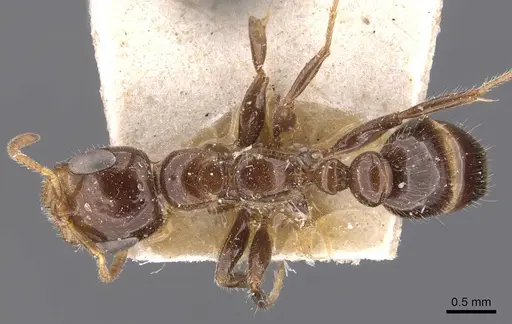
Literature
Loading...Loading products...