

Pseudomyrmex cretus
- Scientific Name
- Pseudomyrmex cretus
- Tribe
- Pseudomyrmecini
- Subfamily
- Pseudomyrmecinae
- Author
- Ward, 1989
- Distribution
- Found in 2 countries
Pseudomyrmex cretus Overview
Pseudomyrmex cretus is an ant species of the genus Pseudomyrmex. It is primarily documented in 2 countries , including Costa Rica, Guatemala. Detailed taxonomic data and occurrence records can be further explored via authoritative databases such as AntWeb or the Global Biodiversity Information Facility (GBIF).
Pseudomyrmex cretus
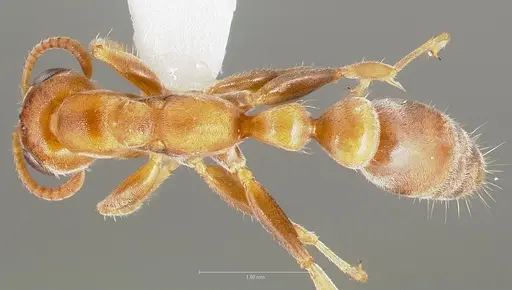
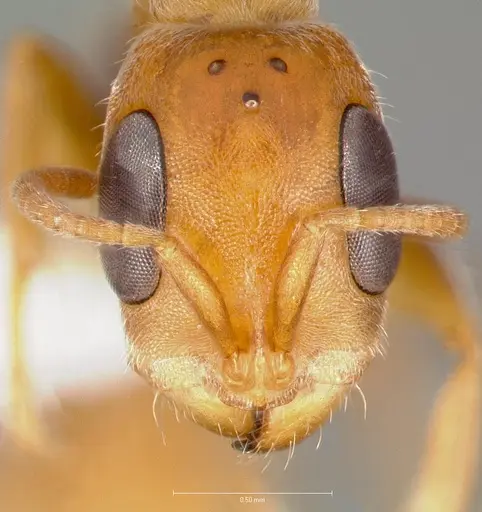
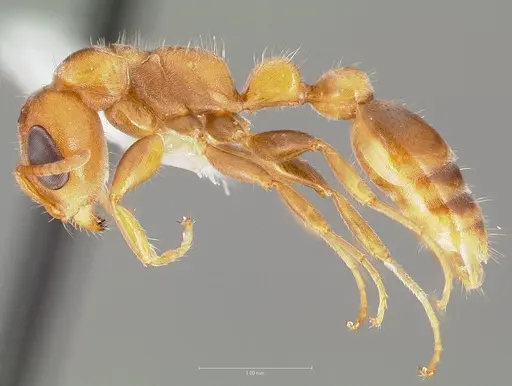
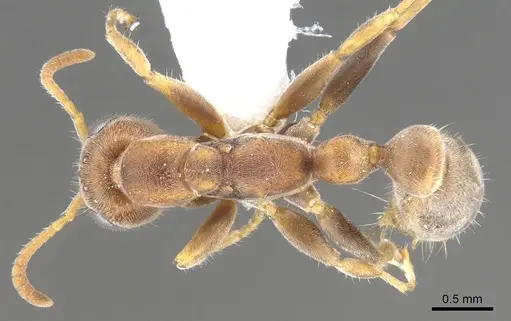
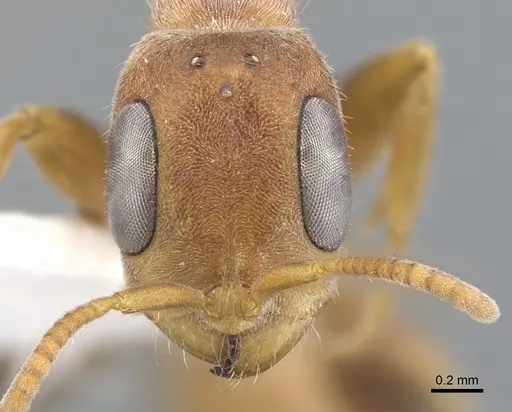
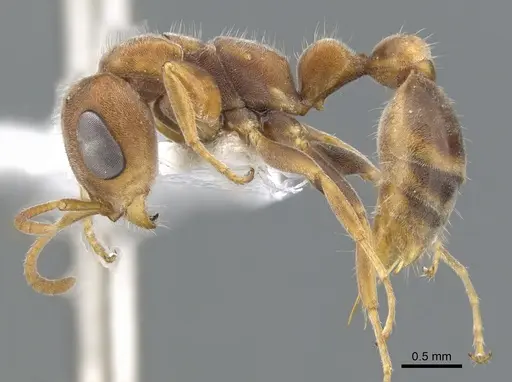
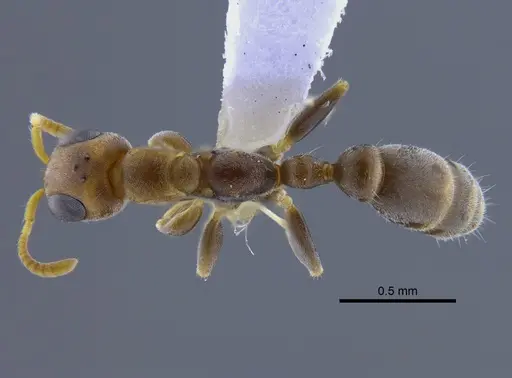
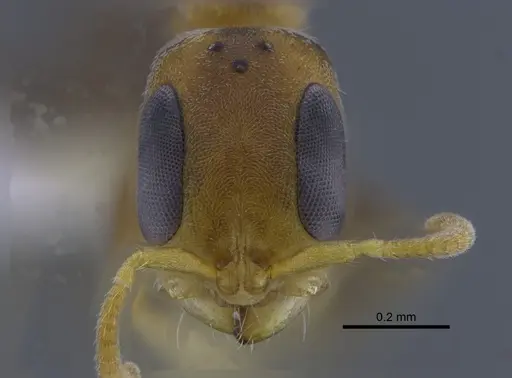
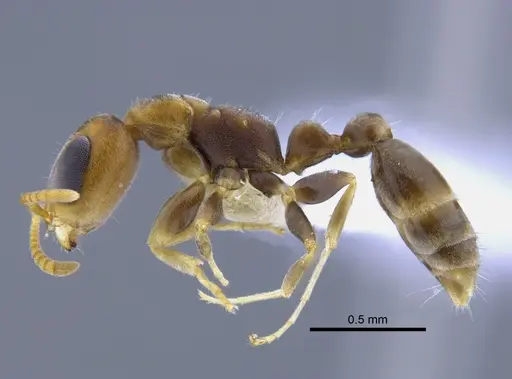
Pseudomyrmex cretus is a relatively large twig ant native to Central America, found exclusively in Costa Rica and Guatemala. Workers reach 0.85-0.98mm in head width, making them among the larger species within the P. oculatus group. They have the characteristic slender, elongated body shape typical of Pseudomyrmex ants, with long legs and a distinct petiole shape that helps distinguish them from related species. The head is broad with long scapes (antennal segments) and relatively short eyes. Their coloration is light to medium castaneous brown, with the gaster and femora typically darker.
This species inhabits tropical dry forest environments, nesting exclusively in dead twigs and small cavities. Workers are active foragers on low vegetation and are known to visit extrafloral nectaries of plants like Croton, a behavior that suggests they may accept sugar sources in captivity. Colonies have been found nesting in dead twigs of Gliricidia sepium and Schoepfia trees, as well as in dead fence posts. This is a poorly studied species with limited documented biology, making some aspects of captive care speculative based on genus-typical behavior.
Quick Summary
- Difficulty: Medium
- Origin & Habitat: Tropical dry forest of Costa Rica and Guatemala [1][2]. Found at elevations around 270-300m in Santa Rosa National Park, Guanacaste Province [3].
- Colony Type: Colony structure is unconfirmed. Based on genus patterns, likely single-queen (monogyne) colonies nesting in single dead twigs or small cavities.
- Size & Growth:
- Queen: Unconfirmed, related Pseudomyrmex species typically 8-12mm [4]
- Worker: 0.85-0.98mm head width (HL 0.99-1.22mm) [4]
- Colony: Unknown, likely small colonies typical of twig-nesting Pseudomyrmex
- Growth: Unknown, likely moderate based on genus patterns
- Development: Unknown, estimated 6-10 weeks based on related tropical Pseudomyrmex species (No specific development data exists for this species. Estimates based on genus-typical patterns for tropical twig ants.)
- Antkeeping:
- Temperature: Keep at 24-28°C. This species comes from tropical dry forest in Costa Rica, so warmth is important. A gentle gradient allowing workers to self-select their preferred temperature is ideal.
- Humidity: Moderate humidity (50-70%). These ants nest in dead twigs in dry forest, so they tolerate drier conditions compared to rainforest species. Allow the nest to dry partially between water additions.
- Diapause: Unlikely, as a tropical species, they probably do not require a true hibernation. However, a slight cool-down period (around 20°C) during winter months may be beneficial.
- Nesting: Provide narrow test tubes or small acrylic nests that mimic the dead twig cavities they use in nature. Y-tong nests with tight chambers work well. Avoid large, open spaces, they prefer snug, enclosed nesting sites.
- Behavior: Workers are active foragers that travel along vegetation and search for nectar. They are likely alert and quick-moving, typical of Pseudomyrmex. They may be defensive if provoked, though they lack the powerful stinger of some related species. Escape prevention is important, while not extremely small, they are agile and may escape through small gaps. Extrafloral nectary visiting suggests they will accept sugar water or honey. Predatory behavior on small insects is likely, as with most Pseudomyrmex.
- Common Issues: lack of documented captive care makes successful husbandry speculative, small colony size may make them fragile during founding and early growth, tropical species may be sensitive to temperature drops or drafts, foraging behavior may lead to escapes if enclosure barriers are inadequate, limited availability in the antkeeping hobby means few established care protocols exist
Natural History and Distribution
Pseudomyrmex cretus is endemic to the tropical dry forests of Costa Rica and Guatemala. The original description was based on specimens collected from Santa Rosa National Park in Guanacaste Province, Costa Rica, at approximately 300m elevation. Workers have also been recorded from Estrella, Costa Rica and various locations in Guatemala [1].
This species shows a strong preference for nesting in dead twigs of specific trees, particularly Gliricidia sepium (a leguminous tree) and Schoepfia (a flowering plant in the family Opiliaceae). This twig-nesting behavior is typical of the Pseudomyrmex genus, where colonies occupy hollow stems, dead branches, and similar cavities. Workers forage actively on low vegetation and have been observed visiting extrafloral nectaries of Croton plants, structures that secrete sugary nectar to attract beneficial insects like ants [4].
The species appears to favor dry forest habitats rather than wet rainforest environments. Collection data from Isla Pelada shows they were captured using pitfall traps in November, suggesting seasonal activity patterns tied to the dry season in this region [2].
Housing and Nest Preferences
In captivity, Pseudomyrmex cretus should be provided with nesting accommodations that mimic their natural twig cavities. Small test tubes (15mm or smaller diameter) work well, as do Y-tong acrylic nests with narrow chambers. The key is providing snug, enclosed spaces, these ants do not fare well in large, open formicaria.
The outworld (foraging area) should be simple and easy to clean. A small plastic container or glass jar works as a foraging arena. Because workers are active foragers that climb vegetation in the wild, adding some vertical structures or plants (real or artificial) in the outworld may encourage natural foraging behavior.
Escape prevention is important. While not among the smallest ants, they are agile and may squeeze through loose-fitting connections. Use tight-fitting lids, fluon barriers on rim edges, and check all connections between nest and outworld.
Feeding and Diet
Based on field observations of workers visiting extrafloral nectaries of Croton, this species will likely accept sugar sources including sugar water, honey, or diluted nectar. Provide a constant sugar water source in the foraging area.
For protein, offer small live or dead insects. Pseudomyrmex ants are typically predatory and will hunt small prey. Appropriate options include fruit flies, small crickets, mealworms, and similar-sized insects. Feed protein 2-3 times per week, adjusting based on colony size and consumption.
The natural diet also includes honeydew from aphids and extrafloral nectar, so sugar sources should be available continuously. Remove uneaten prey after 24-48 hours to prevent mold issues. [4]
Temperature and Humidity
As a tropical dry forest species from Costa Rica, Pseudomyrmex cretus prefers warm conditions. Maintain temperatures between 24-28°C. A slight temperature gradient (warm end around 28°C, cooler around 24°C) allows workers to self-regulate.
For heating, a heating cable on one side of the nest or a small heat mat underneath part of the nest works well. If using heat tape or cables, place them on top of the nest rather than underneath to avoid excessive drying from below.
Humidity should be moderate, aim for 50-70% relative humidity. These ants come from seasonally dry forest and are likely more tolerant of drier conditions than rainforest species. Allow the nest to partially dry between water additions, and provide a water tube for drinking. The test tube should have a water reservoir but not be overfilled to the point of flooding the colony.
Colony Founding and Growth
Colony founding behavior has not been directly documented for this species. Based on genus-typical patterns, the queen likely seals herself into a small chamber (claustral founding) and raises the first brood using stored fat reserves. The first workers (nanitics) will be smaller than mature workers.
Colony size in the wild appears to be small, consistent with twig-nesting behavior. Expect colonies to remain relatively modest even at maturity, likely under 500 workers. Growth rate is unknown but likely moderate, typical of tropical ants.
If you acquire a founding queen, provide her with a small, snug test tube with a water reservoir. Keep her warm (around 26-28°C) and dark, disturbing her as little as possible until the first workers emerge. Do not offer food until workers appear, as claustral queens do not forage during founding.
Behavior and Temperament
Pseudomyrmex ants are characterized by their alert, active behavior and elongated body form. Workers are fast-moving and will readily venture out to forage. They are visually oriented and may be more responsive to movement compared to blind, soil-nesting species.
When threatened or disturbed, they may become defensive. While they possess a stinger, Pseudomyrmex stings are not typically severe to humans. However, individual reactions vary.
The species shows arboreal foraging tendencies, in the wild, workers travel along branches and foliage searching for nectar and prey. Replicating this in captivity by providing climbing structures in the outworld may encourage natural behavior and improve colony health.
Frequently Asked Questions
How long does it take for Pseudomyrmex cretus to produce first workers?
The exact timeline is unknown, but based on related tropical Pseudomyrmex species, expect 6-10 weeks from egg to first worker at optimal temperature (around 26-28°C). The queen will remain sealed in her chamber until the first workers emerge.
Can I keep Pseudomyrmex cretus in a test tube?
Yes, test tubes work well for this species. Use a small-diameter tube (12-15mm) to mimic the natural twig cavities they inhabit. Provide a water reservoir but avoid overfilling. Once the colony grows, you can connect the test tube to a larger outworld or transition to a small acrylic nest.
What do Pseudomyrmex cretus eat?
They likely accept both sugar and protein. Provide sugar water or honey continuously, and offer small insects (fruit flies, small crickets, mealworms) 2-3 times per week. The natural behavior of visiting extrafloral nectaries confirms they will accept sugar sources.
Do Pseudomyrmex cretus ants sting?
Pseudomyrmex ants have a stinger, but stings are generally not severe. Most species in this genus are not considered dangerous to humans. However, individual reactions can vary, and some people may experience stronger reactions.
Are Pseudomyrmex cretus good for beginners?
This species is not ideal for complete beginners due to limited documented care information and the speculative nature of many husbandry recommendations. However, antkeepers with some experience should be able to succeed by following general Pseudomyrmex care guidelines.
Do Pseudomyrmex cretus need hibernation?
As a tropical species from Costa Rica, they likely do not require true hibernation. A slight temperature reduction during winter months (around 20°C) may be beneficial, but a full diapause is probably unnecessary and could potentially be harmful.
How big do Pseudomyrmex cretus colonies get?
Colony size is not well documented, but based on their twig-nesting behavior, colonies likely remain modest, probably under 500 workers at maturity. This is typical for Pseudomyrmex species that nest in small cavities.
Why are my Pseudomyrmex cretus dying?
Potential causes include: temperature stress (too cold or too hot), excessive humidity causing mold, inadequate nutrition, or disturbance during founding. Review temperature (24-28°C), ensure moderate humidity without stagnation, and verify the queen is not being disturbed. Limited available information also means some failures may be unavoidable due to gaps in husbandry knowledge.
When should I move Pseudomyrmex cretus to a formicarium?
You can keep them in test tubes long-term if the colony remains small. Once the colony reaches 50+ workers and the test tube becomes crowded, consider connecting additional test tubes or transitioning to a small acrylic nest with appropriate-sized chambers.
Can I keep multiple Pseudomyrmex cretus queens together?
This has not been documented. Based on genus patterns, they likely form single-queen colonies. Combining unrelated queens is not recommended without evidence of polygynous behavior in this species.
References

This caresheet is licensed under CC BY-SA 4.0 .
Literature
Loading...Loading products...