

Pseudomyrmex cladoicus
- Scientific Name
- Pseudomyrmex cladoicus
- Tribe
- Pseudomyrmecini
- Subfamily
- Pseudomyrmecinae
- Author
- Smith, 1858
- Distribution
- Found in 2 countries
Pseudomyrmex cladoicus Overview
Pseudomyrmex cladoicus is an ant species of the genus Pseudomyrmex. It is primarily documented in 2 countries , including Brazil, Peru. Detailed taxonomic data and occurrence records can be further explored via authoritative databases such as AntWeb or the Global Biodiversity Information Facility (GBIF).
Pseudomyrmex cladoicus
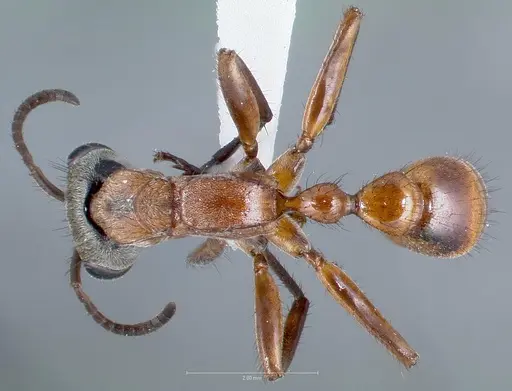
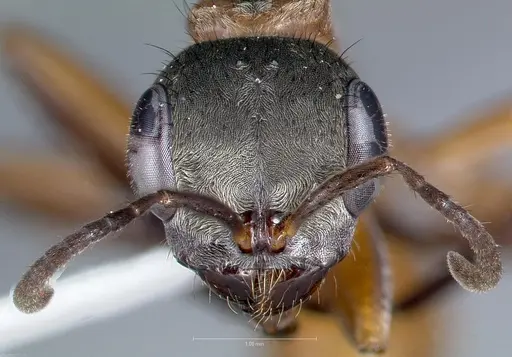
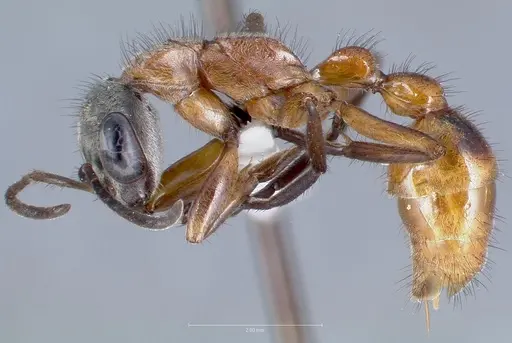
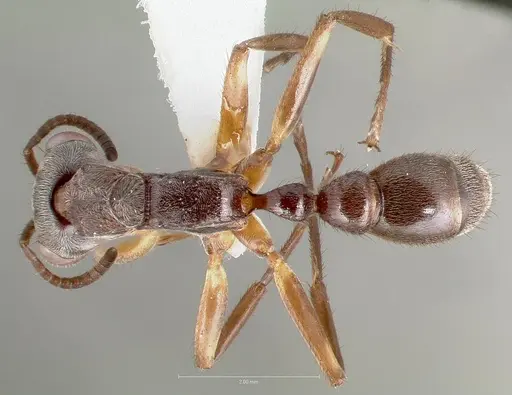
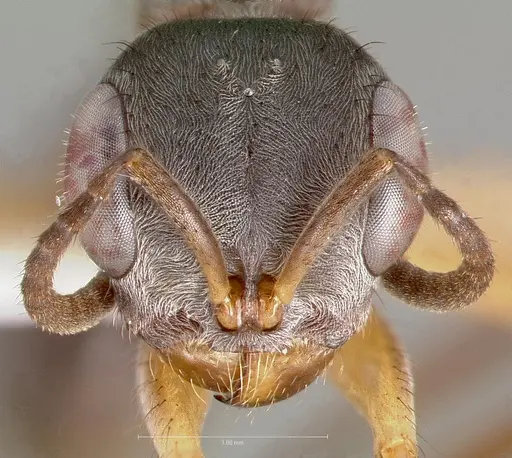
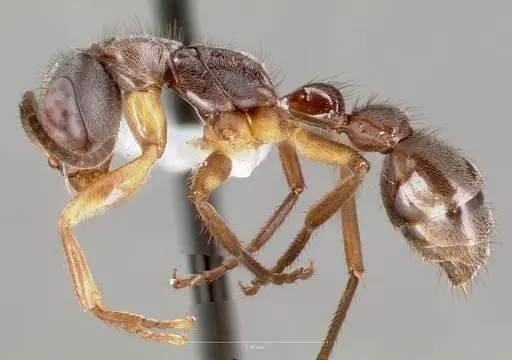
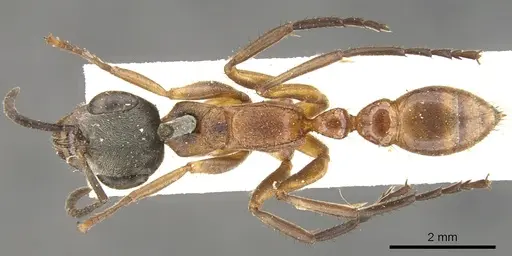
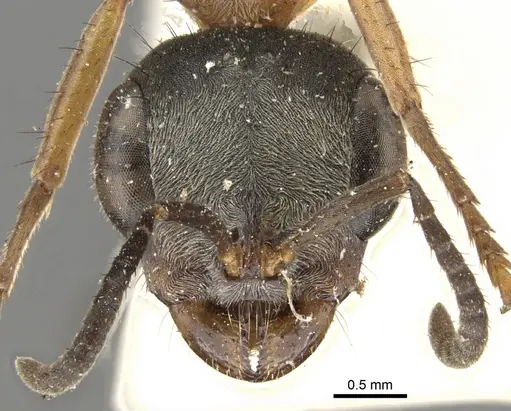
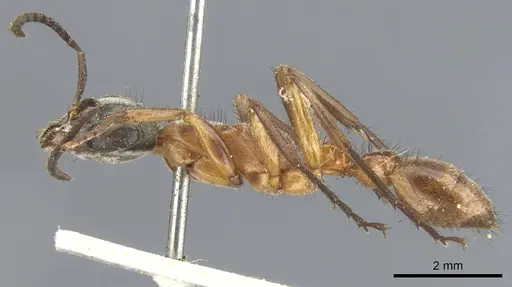
Pseudomyrmex cladoicus is a slender, wasp-like ant native to the Neotropical region, originally described from São Paulo, Brazil in 1858. Workers are typical of the genus with a long, narrow body and relatively large eyes. The species has been recorded across northern Brazil (Pará state) and into Peru, suggesting it inhabits forested environments typical of Pseudomyrmex species. As with other members of this genus, they likely nest in hollow twigs, stems, or decaying wood in trees rather than in ground nests. This is a poorly documented species with limited available research on its specific biology and behavior.
Quick Summary
- Difficulty: Medium (estimated based on genus)
- Origin & Habitat: Neotropical region, Brazil (São Paulo, Pará) and Peru. Found in forested areas typical of the genus [1][2][3][4].
- Colony Type: Unconfirmed, colony structure has not been documented for this species. Most Pseudomyrmex species are single-queen colonies, but this has not been studied in P. cladoicus.
- Founding: Claustral
- Size & Growth:
- Queen: Estimated 8-10mm based on genus typical size range
- Worker: Estimated 4-6mm based on genus typical size range
- Colony: Estimated 100-500 workers based on related Pseudomyrmex species
- Growth: Unknown, likely moderate based on genus patterns
- Development: Estimated 6-8 weeks based on typical Pseudomyrmex development (Development time is estimated from genus-level data as no species-specific research exists. Tropical species typically develop faster than temperate ants.)
- Antkeeping:
- Temperature: Aim for 24-28°C, these are tropical ants that prefer warm conditions. A slight gradient allowing cooler areas around 22°C is beneficial.
- Humidity: Moderate to high humidity (60-80%). These arboreal ants prefer humid forest environments. Keep nest substrate slightly moist but not waterlogged.
- Diapause: No, as tropical ants from Brazil and Peru, they do not require hibernation. Maintain consistent warm temperatures year-round.
- Nesting: In captivity, they do well in Y-tong (AAC) nests, plaster nests, or naturalistic setups with hollow twigs/branches. They prefer tight, enclosed spaces that mimic their natural twig-nesting behavior. Avoid dry, open environments.
- Behavior: Pseudomyrmex ants are typically active foragers with well-developed vision. Workers are agile and may be quick to escape if given the chance. They are likely predatory like most Pseudomyrmex species, hunting small insects and arthropods. Escape prevention should be excellent, their slender bodies can squeeze through small gaps. Handle with care as they may bite if threatened.
- Common Issues: very limited species-specific information means care is based on genus patterns rather than documented research, tropical humidity requirements can lead to mold issues if ventilation is poor, escape risk is significant due to their slender body shape and active foraging behavior, slow colony growth may frustrate beginners expecting rapid development, wild-caught colonies may carry parasites or diseases not well-documented
Nest Preferences and Housing
Pseudomyrmex cladoicus is expected to nest in hollow twigs, stems, or decaying wood based on typical genus behavior. In captivity, provide enclosed nest spaces that mimic these natural cavities. Y-tong (AAC) nests work well because they provide dark, enclosed chambers. Plaster nests with narrow tunnels also suit their preferences. Naturalistic setups with actual twigs or branches can be used but require more maintenance. The key is providing tight, enclosed spaces rather than open areas. These ants do not do well in test tube setups that are too large and open compared to their natural twig nests. Ensure the nest has multiple small chambers connected by narrow passages.
Feeding and Diet
Like other Pseudomyrmex species, this ant is likely primarily predatory, hunting small insects and arthropods. Offer small live prey such as fruit flies, pinhead crickets, small mealworms, and other appropriately-sized insects. Sugar sources may be accepted occasionally, you can offer a drop of honey or sugar water, but do not rely on these as primary food. Protein-rich prey should form the bulk of their diet. Feed every 2-3 days, adjusting based on colony size and consumption. Remove uneaten prey after 24-48 hours to prevent mold issues. A varied diet helps ensure healthy colony development.
Temperature and Humidity
As a tropical species from Brazil and Peru, Pseudomyrmex cladoicus requires warm temperatures between 24-28°C. Use a heating cable or mat on one side of the nest to create a gentle temperature gradient, allowing workers to regulate their own exposure to heat. Place the heating element on top of the nest to avoid drying out the substrate. Maintain humidity in the 60-80% range, mimicking the humid forest environments where Pseudomyrmex species typically live. Mist the outworld occasionally and keep the nest substrate slightly moist. Good ventilation is essential to prevent mold while maintaining humidity.
Behavior and Temperament
Pseudomyrmex ants are known for their active foraging behavior and relatively good vision compared to many ant species. Workers are quick-moving and alert. They are likely to be more defensive than some ant species, so handle with care, they may bite if they feel threatened. Their slender body shape means they can escape through surprisingly small gaps, so escape prevention must be excellent. Use fluon on container rims and ensure all connections are secure. These ants are diurnal, being most active during daylight hours. They will likely explore their outworld actively in search of prey.
Colony Establishment
If you obtain a founding queen, she is likely claustral, she will seal herself in a small chamber and survive on stored body fat until her first workers emerge. Do not disturb her during this period, which typically takes 4-8 weeks depending on temperature. Once workers emerge (nanitics, which are smaller than normal workers), you can begin offering small prey items. The colony will grow slowly at first as the queen focuses on producing workers. Be patient, Pseudomyrmex colonies typically grow more slowly than species like Camponotus or Lasius. Do not overfeed, as excess food mold can kill developing brood.
Frequently Asked Questions
How long does it take for Pseudomyrmex cladoicus to produce first workers?
Estimated 6-8 weeks from egg to first worker at optimal temperature (24-28°C). This is based on typical Pseudomyrmex genus development patterns, as no species-specific research exists for this species.
What do Pseudomyrmex cladoicus ants eat?
They are likely predatory like other Pseudomyrmex species. Feed small live prey such as fruit flies, pinhead crickets, small mealworms, and other tiny insects. They may occasionally accept sugar sources like honey or sugar water, but protein-rich prey should be their primary food.
Do Pseudomyrmex cladoicus ants sting?
Pseudomyrmex ants have the ability to sting, and some species in this genus are known for painful stings. While P. cladoicus specifically has not been studied for sting potency, treat them as potentially stinging if threatened. They are not aggressive toward humans but will defend if handled roughly.
Can I keep Pseudomyrmex cladoicus in a test tube setup?
Test tubes are not ideal for this species. Pseudomyrmex ants naturally nest in tight twig cavities, so they do better in Y-tong nests, plaster nests, or naturalistic setups with narrow chambers. Test tubes are too open and large compared to their natural nesting preferences.
Do Pseudomyrmex cladoicus need hibernation?
No, as a tropical species from Brazil and Peru, they do not require hibernation. Maintain warm temperatures (24-28°C) year-round. Do not expose them to temperatures below 20°C for extended periods.
How big do Pseudomyrmex cladoicus colonies get?
Colony size is not documented for this specific species. Based on related Pseudomyrmex species, colonies likely reach several hundred workers at maximum. Growth is typically moderate and slower than many common pet ant species.
Are Pseudomyrmex cladoicus good for beginners?
This species is not ideal for complete beginners due to limited available care information and specific humidity/temperature requirements. However, antkeepers with some experience keeping tropical species should be able to maintain them successfully. The main challenge is the limited species-specific documentation.
Why are my Pseudomyrmex cladoicus dying?
Common causes include: temperatures too low (below 20°C), humidity too low or too high (aim for 60-80% with good ventilation), overfeeding leading to mold, poor escape prevention allowing escapes, or stress from excessive disturbance. Review each of these factors and adjust accordingly.
When should I move my colony to a formicarium?
Move to a larger nest setup when the colony reaches 20-30 workers and the test tube or founding setup becomes cramped. Pseudomyrmex prefer enclosed nest spaces, so a Y-tong or plaster nest with narrow chambers works well. Make the transition gradual.
Can I keep multiple Pseudomyrmex cladoicus queens together?
This has not been documented for this species. Most Pseudomyrmex species appear to be single-queen colonies. Do not attempt to combine unrelated queens unless you observe them naturally accepting each other, which is unlikely.
References

This caresheet is licensed under CC BY-SA 4.0 .
Literature
Loading...Loading products...