

Pseudomyrmex championi
- Scientific Name
- Pseudomyrmex championi
- Tribe
- Pseudomyrmecini
- Subfamily
- Pseudomyrmecinae
- Author
- Forel, 1899
- Distribution
- Found in 4 countries
Pseudomyrmex championi Overview
Pseudomyrmex championi is an ant species of the genus Pseudomyrmex. It is primarily documented in 4 countries , including Guatemala, Honduras, Mexico. Detailed taxonomic data and occurrence records can be further explored via authoritative databases such as AntWeb or the Global Biodiversity Information Facility (GBIF).
Pseudomyrmex championi
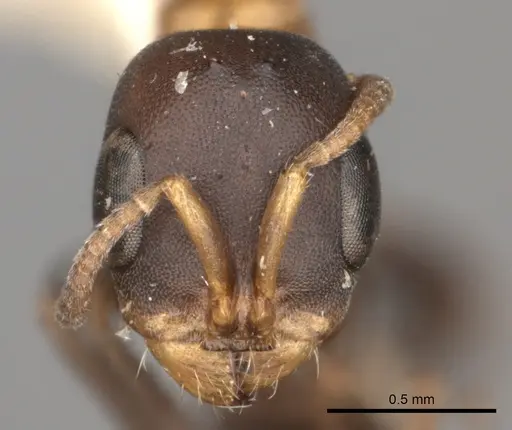
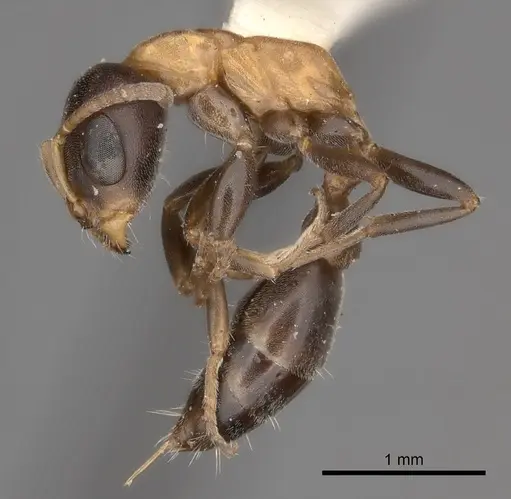
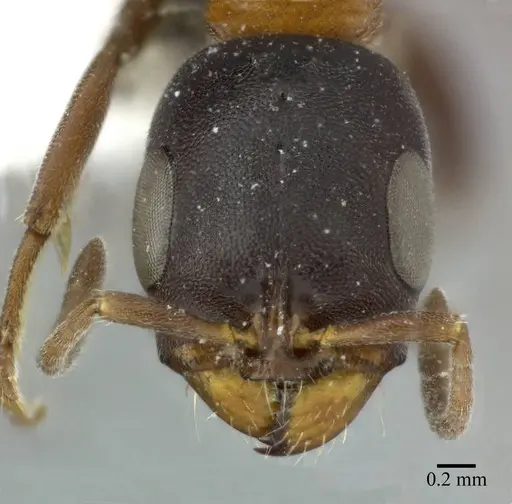
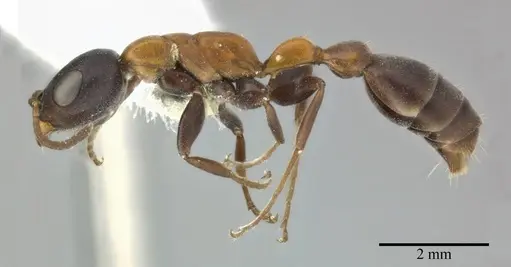
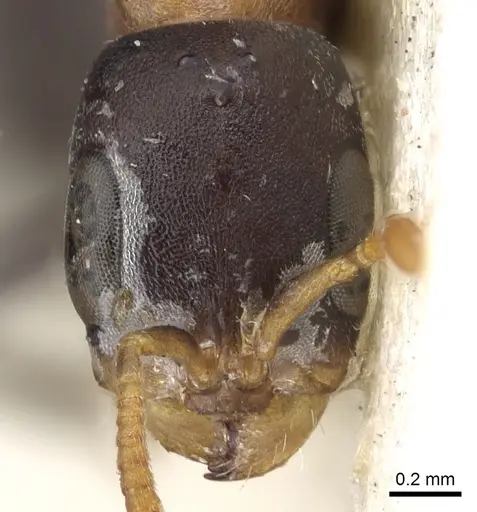
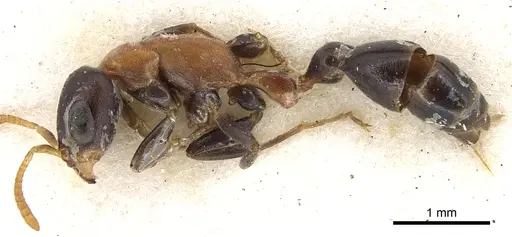
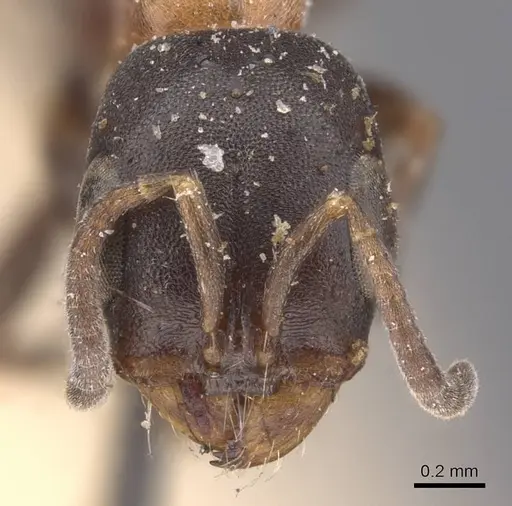
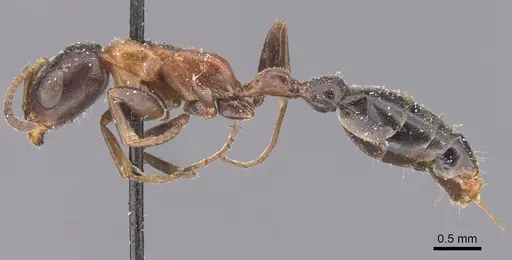
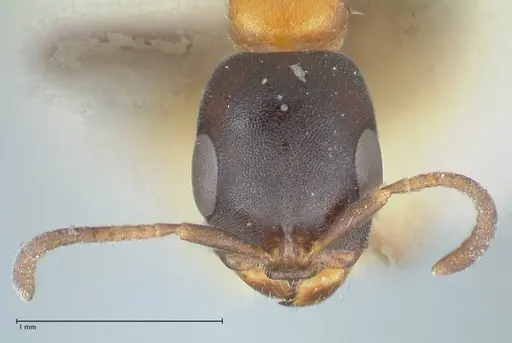
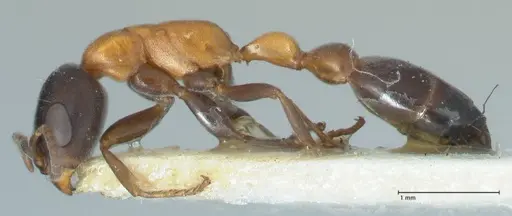
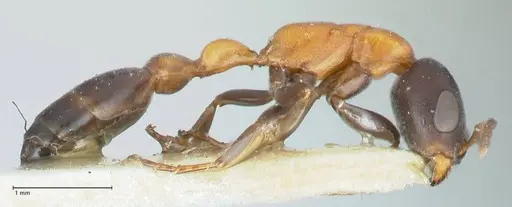
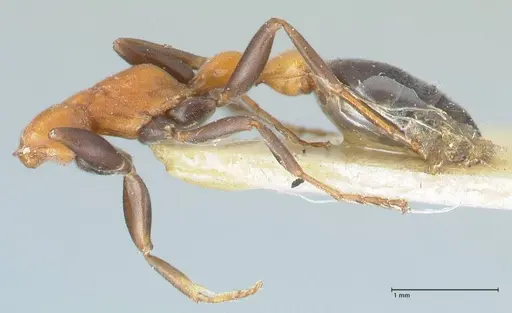
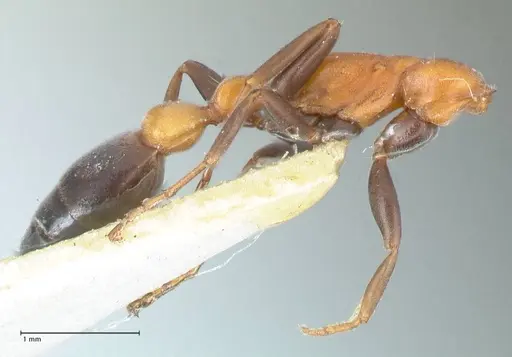
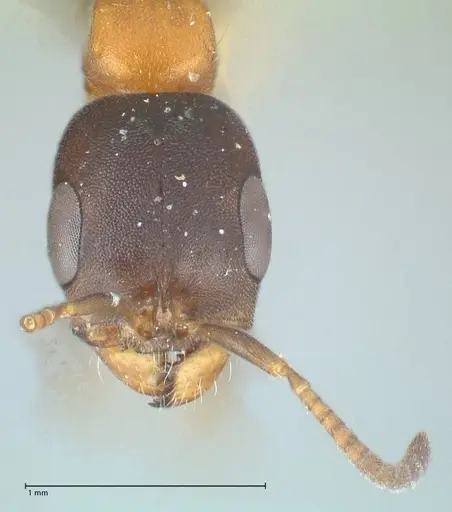
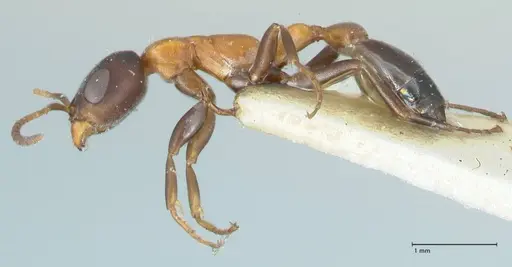
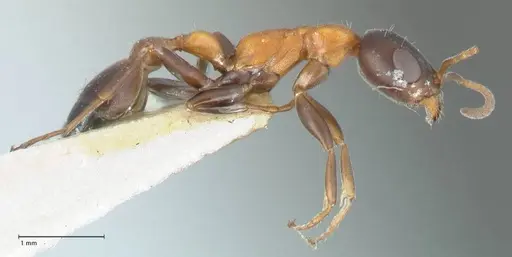
Pseudomyrmex championi is a small to medium-sized ant native to western Mexico, found in the Sierra Madre Occidental, Sierra Madre del Sur, and the Transmexican Volcanic Belt [1]. Workers measure approximately 4.7mm in length with a distinctive bicolored appearance: the mesosoma is light orange-brown while the gaster and hind legs are dark brown, creating a striking contrast [1]. The head is moderately elongate with relatively short eyes, and the body has sparse standing hairs [1]. This species nests in dead twigs of woody shrubs, including plants from the Asteraceae and Verbenaceae families [1].
What makes P. championi particularly interesting is its high-altitude lifestyle, it occurs at elevations ranging from 1,200 to 2,344 meters with an average around 1,828m [1]. It inhabits diverse habitats including oak woodland, oak-pine forest, old fields, mixed tropical/temperate mesic forest, mid-montane dry forest, and even yucca desert [1]. The species is closely related to P. apache, which can be distinguished by its uniformly orange-brown coloration, P. championi has the characteristic dark gaster that contrasts with the light mesosoma [1].
Quick Summary
- Difficulty: Medium
- Origin & Habitat: Western Mexico, Sierra Madre Occidental, Sierra Madre del Sur, and Transmexican Volcanic Belt at elevations of 1,200-2,344m [1]. Found in oak woodland, oak-pine forest, old field/pasture, mixed tropical/temperate mesic forest, mid-montane dry forest, and yucca desert [1]. Nests in dead twigs of woody shrubs [1].
- Colony Type: Colony structure is unconfirmed for this species. Based on typical Pseudomyrmex patterns, likely single-queen colonies.
- Size & Growth:
- Queen: Undescribed, estimated 6-8mm based on genus patterns
- Worker: 4.7mm total length, head width HW 0.82-1.05mm, head length HL 1.02-1.28mm [1][2]
- Colony: Unknown, likely moderate-sized colonies based on related species
- Growth: Moderate, inferred from genus patterns
- Development: Unknown, estimated 6-10 weeks based on typical Pseudomyrmecinae development at optimal temperature (Development timeline has not been directly studied for this species. Estimates based on related species in the genus.)
- Antkeeping:
- Temperature: Keep around 20-24°C. This species comes from high-elevation temperate habitats and prefers cooler conditions than many tropical ants. Avoid overheating, do not exceed 28°C [1].
- Humidity: Moderate humidity around 50-70%. Provide a water tube but allow the nest area to dry somewhat between rehydration. The high-elevation habitats suggest they tolerate drier conditions than rainforest species.
- Diapause: Likely required, given the high-elevation origin (1,200-2,344m), a winter rest period at cooler temperatures (10-15°C) for 2-3 months is recommended.
- Nesting: Natural nesting: dead twigs of woody shrubs. In captivity, use a formicarium with narrow chambers or a test tube setup with twigs provided as nesting material. Y-tong (AAC) nests or plaster nests work well. Provide dead twigs or hollow stems as founding queens and colonies will naturally occupy them.
- Behavior: Active foragers with moderate aggression. Workers are bicolored with the characteristic dark gaster and light mesosoma making them easily recognizable. They are likely predatory on small insects and may tend aphids for honeydew, as is typical for the genus. Escape prevention is important, use fine mesh barriers as workers are small (around 4.7mm). The Pseudomyrmecinae subfamily has functional stingers, so these ants can sting if threatened.
- Common Issues: high elevation origin means they need cooler temperatures, overheating is a serious risk, colonies may fail if kept too warm year-round without a winter rest period, escape prevention is important given their small size, wild-caught colonies may have parasites that can devastate captive colonies, slow growth compared to tropical species may lead to overfeeding or excessive disturbance by impatient keepers
Temperature and Care
Pseudomyrmex championi requires cooler temperatures than most ant species due to its high-elevation origin in the Mexican mountains (1,200-2,344m) [1]. Keep the nest area at 20-24°C, with a slight gradient if possible. This is notably cooler than what many tropical ant species require.
Avoid overheating at all costs, temperatures above 28°C can be fatal. If your room temperature runs warm, use a small fan or cooling setup rather than active heating. In winter, you can allow temperatures to drop to 10-15°C during the diapause period.
A heating cable is generally NOT needed and may be harmful. Instead, focus on maintaining stable temperatures in the optimal range. Room temperature (around 20-22°C) is often ideal for this species.
Nesting and Habitat
In the wild, P. championi nests exclusively in dead twigs of woody shrubs, researchers found nests in plants from the Asteraceae and Verbenaceae families, as well as unidentified plants [1]. This suggests they prefer narrow, pre-existing cavities rather than excavating their own nests.
For captive colonies, provide hollow twigs, bamboo sections, or similar narrow cavities. Y-tong (AAC) nests with narrow chambers also work well. The chambers should be appropriately sized for their small workers, tight spaces mimic their natural twig nests.
Include some dry substrate in the outworld as they may use it for waste disposal. A naturalistic setup with actual twigs can be enriching and allows the colony to choose their nesting location.
Feeding and Diet
Like other Pseudomyrmex species, P. championi is likely omnivorous with a preference for protein. In the wild, they probably hunt small insects and arthropods, and may tend aphids or scale insects for honeydew.
Feed small live prey such as fruit flies, small crickets, or mealworms. Offer protein 2-3 times per week, adjusting based on colony size. Sugar water or honey can be offered occasionally, but protein should be the primary food source.
Remove uneaten prey after 24-48 hours to prevent mold. For founding colonies, offer very small prey items that the queen can manage.
Seasonal Care and Diapause
Given the high-elevation habitat of P. championi (averaging 1,828m), these ants are adapted to seasonal temperature changes [1]. You should provide a winter rest period (diapause) of 2-3 months during the winter months.
During diapause, reduce temperatures to 10-15°C. This can be achieved by moving the colony to a cooler location (garage, basement) or simply turning off any heating. Do not feed during this period, or offer food very sparingly.
In spring, gradually warm the colony back to room temperature and resume normal feeding. The diapause period helps synchronize the colony's biology and promotes healthy development of brood.
Behavior and Temperament
Pseudomyrmex championi workers are active foragers with a distinctive bicolored appearance, the light orange-brown mesosoma contrasts sharply with the dark brown gaster and hind legs [1]. This makes them easy to identify in the outworld.
The Pseudomyrmecinae subfamily includes ants with functional stingers, so P. championi can sting if threatened or handled roughly. The sting is not dangerous to healthy humans but can be irritating.
Workers are moderately aggressive when defending the nest. Use standard escape prevention, while not the smallest ants, they can still squeeze through small gaps. Fine mesh on any openings is recommended.
Frequently Asked Questions
How long does it take for Pseudomyrmex championi to produce first workers?
The exact timeline is unknown, but based on typical Pseudomyrmecinae development, expect 6-10 weeks from egg to first worker at optimal temperatures (20-24°C). Be patient, this species grows more slowly than many tropical ants due to its high-elevation origins.
Do Pseudomyrmex championi ants sting?
Yes, Pseudomyrmex championi can sting. The Pseudomyrmecinae subfamily has functional stingers. The sting is not medically significant for healthy adults but can cause mild pain and irritation. Handle gently and avoid provoking the colony.
What temperature is best for Pseudomyrmex championi?
Keep them at 20-24°C, notably cooler than most tropical ant species. This species comes from high elevations (1,200-2,344m) in western Mexico and is adapted to cooler conditions. Never exceed 28°C.
Do Pseudomyrmex championi need hibernation?
Yes, a winter diapause is recommended. Reduce temperatures to 10-15°C for 2-3 months during winter. This mimics their natural high-elevation seasonal cycle and helps maintain healthy colony biology.
What do Pseudomyrmex championi eat?
Feed small live prey such as fruit flies, small crickets, or mealworms 2-3 times per week. They are likely predatory like other Pseudomyrmex species. Sugar water or honey can be offered occasionally but protein should be the primary food source.
Can I keep Pseudomyrmex championi in a test tube?
Yes, test tubes work well for founding colonies. Provide a water tube for humidity. Once the colony grows, consider moving them to a formicarium with narrow chambers or add twigs/bamboo sections for natural nesting material.
How big do Pseudomyrmex championi colonies get?
The maximum colony size is unknown, but based on related species, expect moderate-sized colonies of probably 100-500 workers. Growth is moderate rather than fast.
Are Pseudomyrmex championi good for beginners?
This species is rated as medium difficulty. The main challenges are providing proper cooler temperatures and a winter diapause. If you can meet these requirements, they are manageable for intermediate antkeepers.
Why is my Pseudomyrmex championi colony dying?
Common causes include: overheating (keep below 28°C), lack of winter diapause, excessive disturbance during founding, or parasites from wild-caught colonies. Review your temperature settings and ensure you're providing a winter rest period.
What makes Pseudomyrmex championi different from other Pseudomyrmex?
P. championi has a distinctive bicolored appearance, a light orange-brown mesosoma contrasting with a dark brown gaster and hind legs. It also lives at unusually high elevations (1,200-2,344m) for the genus, making it one of the cooler-climate Pseudomyrmex species.
References

This caresheet is licensed under CC BY-SA 4.0 .
CASENT0217575
View on AntWeb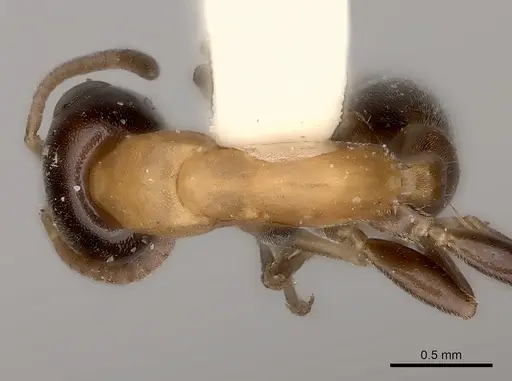
CASENT0246349
View on AntWeb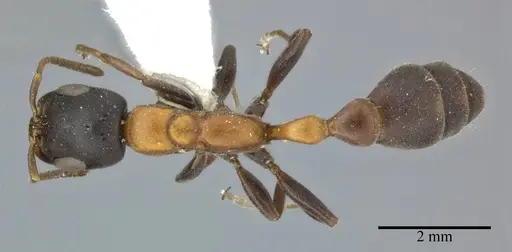
CASENT0902873
View on AntWeb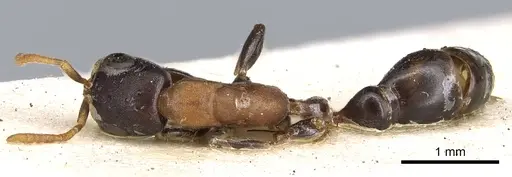
CASENT0907518
View on AntWeb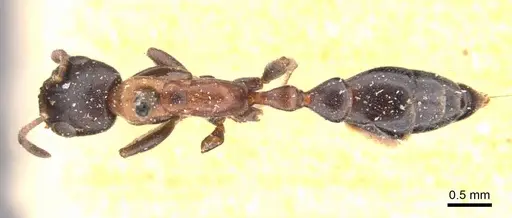
FOCOL1196
View on AntWeb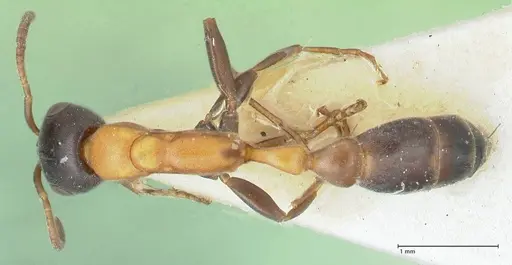
FOCOL1197
View on AntWeb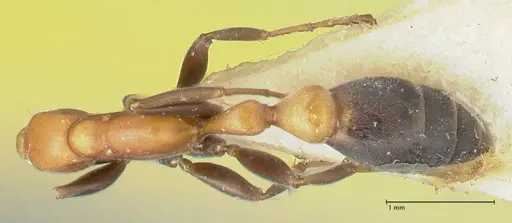
FOCOL1198
View on AntWeb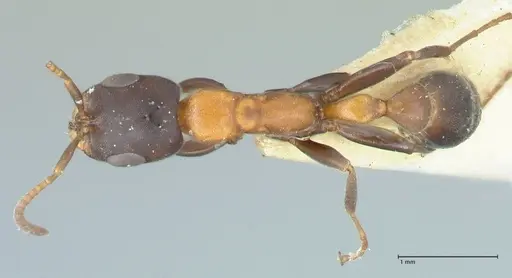
Literature
Loading...Loading products...