

Pseudomyrmex caeciliae
- Scientific Name
- Pseudomyrmex caeciliae
- Tribe
- Pseudomyrmecini
- Subfamily
- Pseudomyrmecinae
- Author
- Forel, 1913
- Distribution
- Found in 6 countries
Pseudomyrmex caeciliae Overview
Pseudomyrmex caeciliae is an ant species of the genus Pseudomyrmex. It is primarily documented in 6 countries , including Costa Rica, Guatemala, Honduras. Detailed taxonomic data and occurrence records can be further explored via authoritative databases such as AntWeb or the Global Biodiversity Information Facility (GBIF).
Pseudomyrmex caeciliae
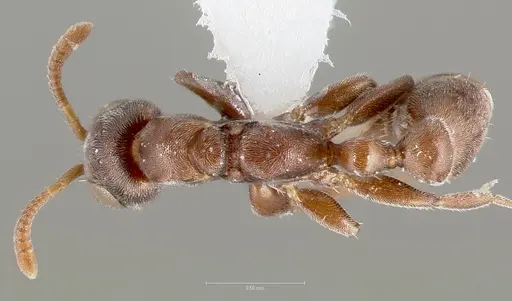
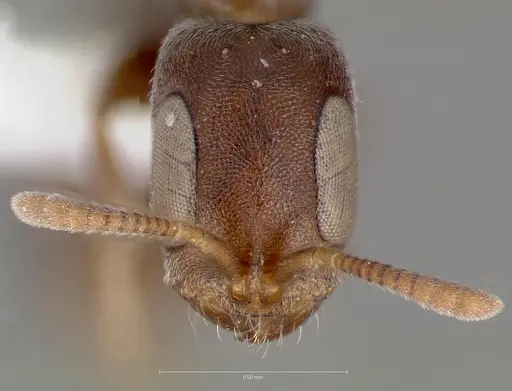
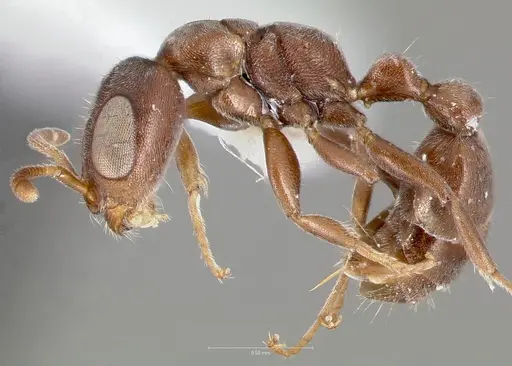
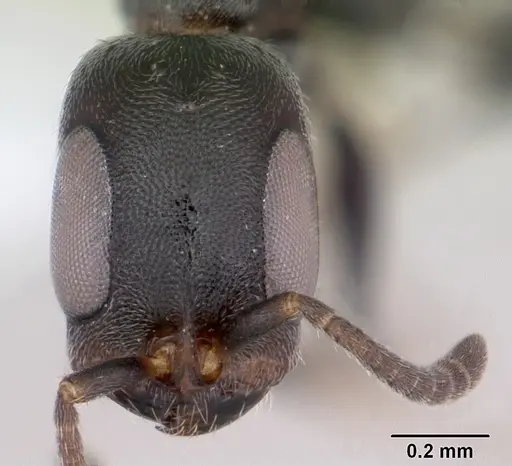
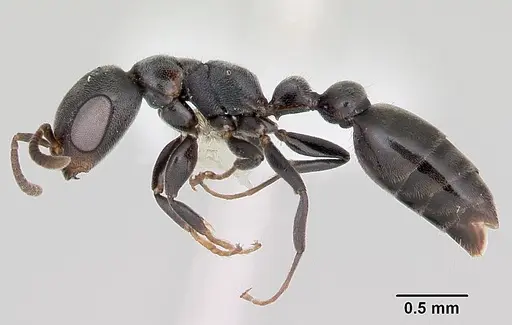
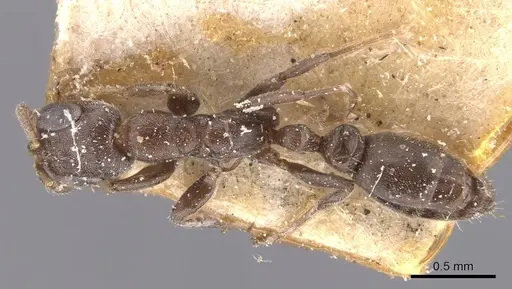
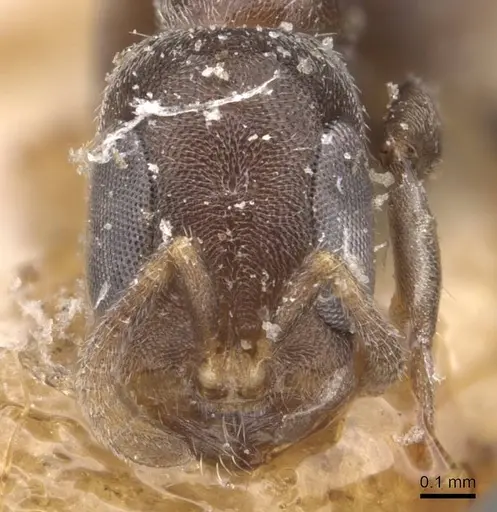
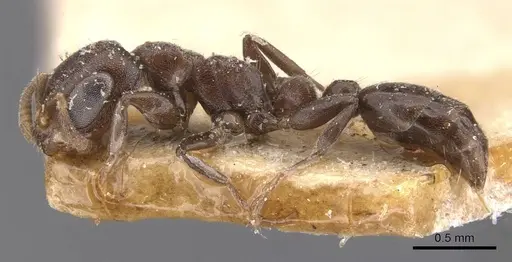
Pseudomyrmex caeciliae is a small, slender twig-nesting ant found across Central America from Texas to Panama. Workers are medium to dark brown with a distinctive shiny appearance on parts of the head and mesosoma, setting them apart from the similar but more opaque Pseudomyrmex elongatus. They belong to the Pseudomyrmecinae subfamily and are known for their exceptional agility, these ants patrol large areas around their nests solitarily and are highly active during daylight hours, using their good vision to navigate [1]. Unlike many ants that nest underground, P. caeciliae makes its home in dead twigs and small branches of various trees and shrubs, from tropical dry forests to mangrove areas [2]. This species is notably less common than its close relative P. elongatus throughout its range.
Quick Summary
- Difficulty: Medium
- Origin & Habitat: Central America from Texas to Panama, including Mexico, Guatemala, Costa Rica, Honduras, Nicaragua, and Panama. Found in diverse habitats including tropical dry forest, mangrove, riparian forest, and second-growth rain forest, with a preference for open areas [2]. Nests in dead twigs of trees like Quercus, Prosopis, Gliricidia sepium, Anacardium, and Laguncularia racemosa [2].
- Colony Type: Single-queen colonies (monogyne). Colony structure in the wild involves nesting in single twigs or small branches.
- Colony: Monogyne
- Founding: Claustral
- Size & Growth:
- Queen: Estimated 6-7mm based on genus patterns
- Worker: Small, HW around 0.127mm or less [2]
- Colony: Small to moderate colonies, likely under 500 workers based on typical twig-nesting Pseudomyrmex patterns
- Growth: Moderate
- Development: 6-10 weeks estimated based on related Pseudomyrmex species (Development time inferred from genus-level data for Pseudomyrmecinae)
- Antkeeping:
- Temperature: Keep at 22-28°C. This is a Neotropical species that thrives in warm conditions. A heating cable on one side of the nest creates a suitable gradient [2].
- Humidity: Moderate humidity around 60-75%. These ants naturally experience variable humidity in their twig nests. Provide a water tube but allow the nest to dry slightly between rehydrations.
- Diapause: Unconfirmed, being a Neotropical species, they likely do not require true hibernation but may reduce activity in cooler months. Keep at reduced temperatures (18-20°C) for 2-3 months in winter if colony shows reduced activity.
- Nesting: Twig nests or Y-tong (AAC) formicarium with narrow chambers scaled to their small size. Provide twigs/branches in a naturalistic setup or use acrylic nests with tight chambers. They do well in setups that mimic their arboreal nesting sites [2].
- Behavior: Highly active and agile diurnal foragers that patrol large areas solitarily. They orient by vision and are known to visit extrafloral nectaries of plants like Meliaceae [3]. Workers are fast-moving and can be nervous, they may bolt when disturbed. Escape prevention is important due to their small size. They are not aggressive but will defend their nest vigorously. These ants are visual hunters and foragers, relying on sight more than many ant species [1].
- Common Issues: escape prevention is critical, their small size allows them to squeeze through standard gaps, twig nests can dry out quickly, monitor moisture levels regularly, their high activity and small size makes them prone to escaping during feeding, wild-caught colonies may carry parasites that can devastate captive colonies, overheating is a risk, keep away from direct sunlight or heat sources without a gradient
Housing and Nest Setup
Pseudomyrmex caeciliae is a twig-nesting species, so your setup should reflect their natural arboreal lifestyle. In the wild, they nest in dead twigs of various trees and shrubs, so you have two main options for captivity. The first is a naturalistic setup with actual twigs or small branches placed in an outworld, allowing the colony to choose their nesting site. The second is a Y-tong (AAC) formicarium with narrow chambers scaled to their tiny worker size. If using test tubes, choose ones with narrow diameters to prevent the colony from feeling exposed. Whatever setup you choose, ensure there are no gaps larger than their tiny bodies, these ants are excellent escape artists despite their small size. Provide a water tube connected to a cotton plug for humidity, but allow the nest to partially dry between rehydrations to mimic the variable conditions of their natural twig nests. [1][2]
Feeding and Diet
Like other Pseudomyrmex species, P. caeciliae is omnivorous with a preference for protein. In the wild, they are active predators and also visit extrafloral nectaries (EFNs) of plants [3]. For captive care, offer small live prey such as fruit flies, pinhead crickets, and small mealworms. They will also accept sugar sources like honey water or sugar water, especially given their visits to EFNs in nature. Feed protein prey 2-3 times per week, and keep a constant supply of sugar water available. Remove any uneaten prey after 24 hours to prevent mold. Because they are small and agile, be careful that prey items are appropriately sized, too large and the ants will ignore them.
Temperature and Seasonal Care
As a Neotropical species ranging from Texas to Panama, Pseudomyrmex caeciliae prefers warm conditions. Keep the nest area at 22-28°C, with a slight gradient if possible so the ants can self-regulate. A heating cable placed on one side of the nest works well, just be sure to place it on top of the nest material rather than underneath to avoid excessive drying. During winter months, if your colony shows reduced activity, you can lower temperatures to 18-20°C for 2-3 months, but this appears to be optional rather than a strict diapause requirement. Monitor your colony's behavior, if they remain active year-round, maintaining stable warm temperatures is fine. Avoid temperature extremes and sudden changes, as these can stress the colony. [2]
Behavior and Colony Dynamics
Pseudomyrmex caeciliae workers are notably agile and diurnal, patrolling large areas around their nest solitarily rather than in trails [1]. They orient by vision more than many ant species, which explains their large eyes relative to their body size. Workers are fast-moving and can be nervous, when disturbed, they may quickly evacuate or bolt around the formicarium. They are not particularly aggressive toward humans but will defend their nest vigorously if threatened. Colonies grow moderately, expect the first workers (nanitics) to emerge 6-10 weeks after the queen lays eggs, then gradual growth over several months to a year. Unlike some Pseudomyrmex species that can be polygynous, P. caeciliae appears to form single-queen colonies. The queen is claustral and will seal herself into a chamber during founding, raising the first brood without leaving the nest.
Frequently Asked Questions
Can I keep Pseudomyrmex caeciliae in a test tube setup?
Yes, but use narrow-diameter test tubes. These are tiny twig-nesting ants, so they feel more secure in tight spaces. Make sure the water reservoir is appropriately sized and use escape prevention like fluon on any openings.
How long does it take for Pseudomyrmex caeciliae to produce first workers?
Based on related Pseudomyrmex species, expect 6-10 weeks from egg to first worker at optimal temperature (around 24-26°C). This is an estimate since the specific development time for P. caeciliae has not been directly studied.
Do Pseudomyrmex caeciliae ants sting?
Pseudomyrmex species can sting, but these ants are small and their sting is not particularly potent to humans. They are more likely to bolt away than to sting when disturbed. However, they will defend their nest if threatened.
What do Pseudomyrmex caeciliae eat?
They are omnivorous with a preference for protein. Offer small live prey like fruit flies, pinhead crickets, and small mealworms. They also accept sugar sources like honey water or sugar water, which aligns with their natural behavior of visiting extrafloral nectaries.
Are Pseudomyrmex caeciliae good for beginners?
They are rated as medium difficulty. Their small size and escape ability make them challenging for complete beginners, but they are not as demanding as some species. The main challenges are escape prevention and maintaining appropriate humidity in their nest.
Do Pseudomyrmex caeciliae need hibernation?
Not a strict diapause. As a Neotropical species, they may naturally reduce activity in cooler months. If your colony slows down in winter, you can provide a cooler period at 18-20°C for 2-3 months, but this appears optional.
When should I move Pseudomyrmex caeciliae to a formicarium?
You can keep them in a test tube setup long-term if it remains moist, but many keepers transfer to a Y-tong or naturalistic setup once the colony reaches 20-30 workers. They do well in setups that mimic their natural twig-nesting behavior.
How big do Pseudomyrmex caeciliae colonies get?
Based on typical twig-nesting Pseudomyrmex patterns, colonies likely reach several hundred workers at maximum. They are not among the largest Pseudomyrmex species.
Can I keep multiple Pseudomyrmex caeciliae queens together?
No. This species appears to be monogyne (single-queen colonies). Do not attempt to keep multiple unrelated queens together as they will fight.
Why are my Pseudomyrmex caeciliae escaping?
Their tiny size means they can squeeze through the smallest gaps. Use excellent escape prevention: apply fluon to all rim edges, use fine mesh for any ventilation, and check all connections between tubes and formicaria regularly.
References

This caresheet is licensed under CC BY-SA 4.0 .
Literature
Loading...Loading products...